What is the best tarp material for hay storage?
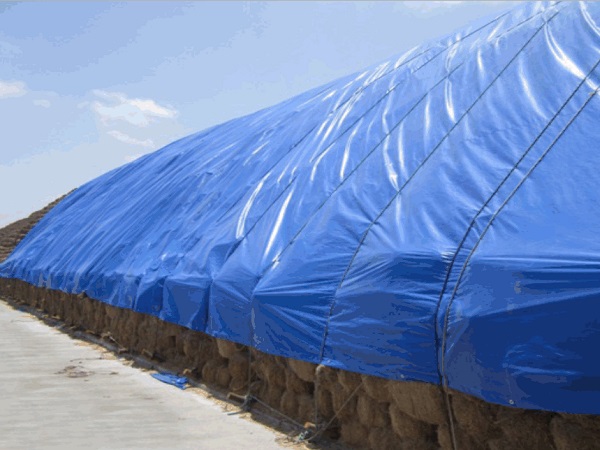
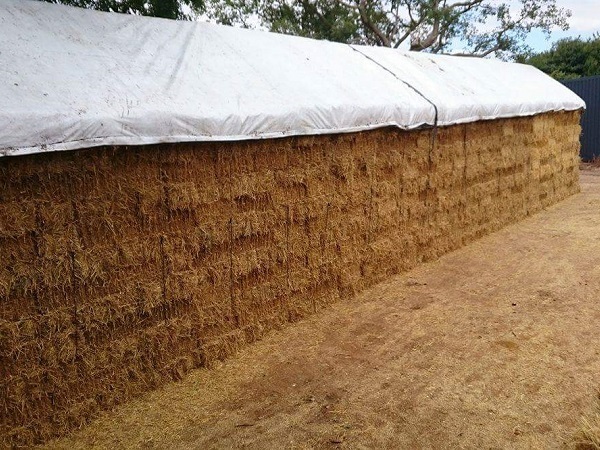
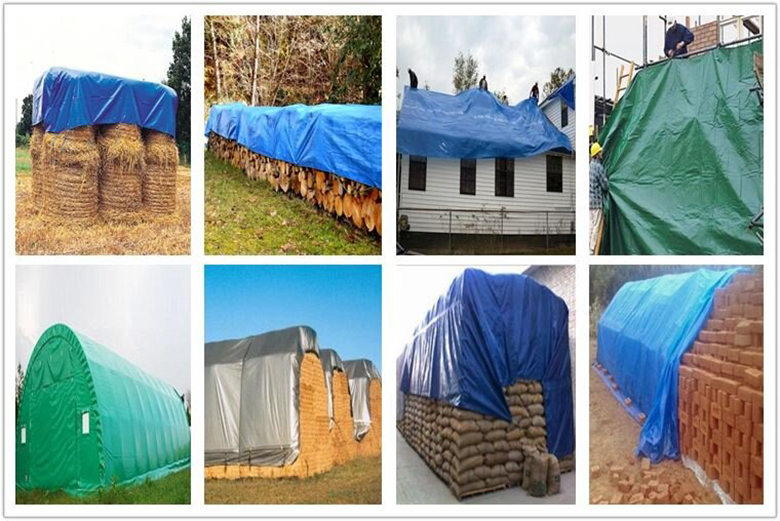
For repeated outdoor use, PVC-coated polyester is a practical direction because it can provide a waterproof surface, welded fabrication and reinforced finished edges. Reinforced PE may be preferred for lighter or more seasonal programs. The correct choice depends on storage duration, wind, handling, target life and budget. Hay should be suitable for dry storage before it is covered.
Can the same agriculture tarp be used for hay and livestock shade?
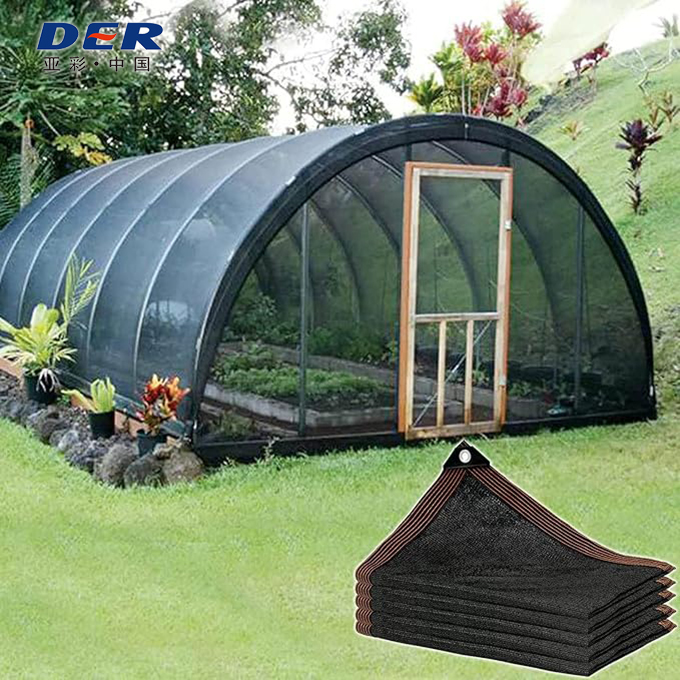
Not automatically. Hay storage usually prioritizes rain exclusion, while livestock shade often prioritizes solar reduction plus airflow. A solid waterproof tarp can trap heat and catch more wind than mesh. Use shade mesh or coated mesh when ventilation is central to the livestock application.
What should I look for in a grain pile tarp?
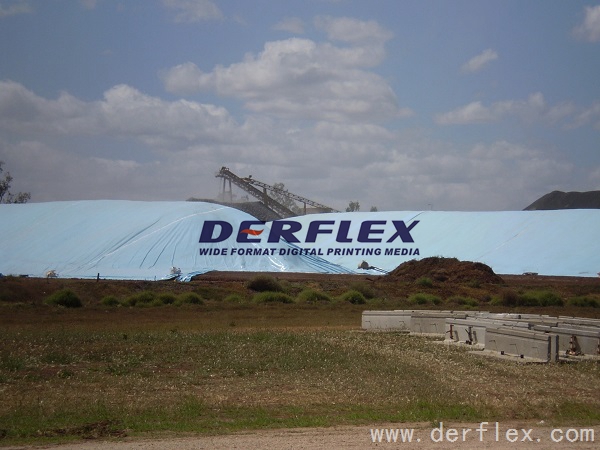
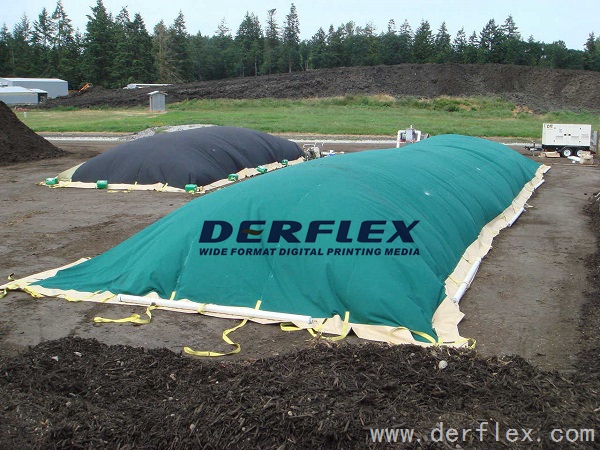
Look beyond sheet weight. Confirm waterproof cover construction, finished pile dimensions, welded panel layout, perimeter reinforcement, attachment method, runoff path, deployment method and wind restraint. Grain condition, drainage and aeration remain separate storage-management requirements.
Is a higher GSM agriculture tarp always better?
No. Higher GSM can indicate more material, but performance also depends on the polyester or woven base, coating system, tear and tensile properties, seam fabrication, UV resistance, reinforcement and how loads reach the anchors. A well-designed medium-weight cover may be more suitable than a heavier cover with poor edge detailing.
How do I stop a farm tarp from tearing around grommets?
Reduce point loading. Use reinforced hems, webbing or patches around attachment zones, choose spacing that fits the cover size and wind exposure, keep the tarp properly tensioned and prevent uncontrolled flapping. For large covers, continuous weighted edges, pipe pockets, straps or D-rings may distribute load more effectively than relying only on isolated grommets.
Can DERFLEX make custom agriculture tarps?
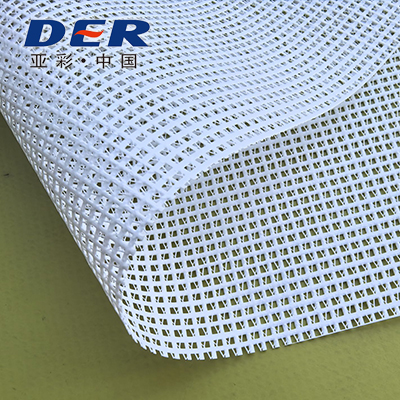
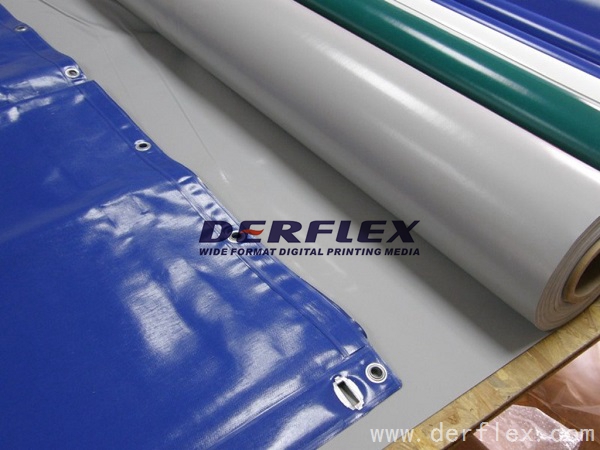
DERFLEX supports custom agricultural tarp programs including roll goods, cut panels and finished covers. Depending on the material and project, buyers can discuss size, GSM, color, welded seams, reinforced edges, webbing, grommets, rope edges, labels, logo and OEM packaging.
What information is needed for an agriculture tarp quotation?
Provide the application, finished dimensions, environment, preferred material or performance direction, target weight if known, fixing method, quantity, supply format, destination and required, verified documentation. For grain piles or shade structures, include the pile/frame geometry and wind-exposure details.