News
Company News

Alcantara Fabric & Custom Microfiber Suede Supplier | DERFLEX

Update:2026/8/6 18:49:59 Views:
Application-led material development for global B2B programs Automotive · Upholstery · Accessories · OEM interiors
DERFLEX Suede-Touch Material Program

Alcantara Fabric Search, Translated into a Buildable Specification.

For buyers who like the low-glare look, fine nap and tactile grip associated with premium microfiber suede—but need custom color, backing, roll supply and project-level testing. DERFLEX develops independent suede-touch microfiber and PU material around the product you intend to manufacture.

DERFLEX synthetic leather and suede-touch material rolls for OEM development
Start from the end use. Seat, headliner, panel, furniture or accessory—each requires a different surface, backing and validation route.
Custom surfaceColor, nap, hand feel and low-glare direction
Backing engineeringTextile, microfiber, foam and lamination routes
Process fitCutting, sewing, wrapping, quilting and perforation
Controlled approvalSample, test plan, master standard and bulk inspection
Choose the right route

“Alcantara fabric” can describe two very different buying needs.

The first sourcing decision is not color or price. It is whether your bill of materials requires the registered brand or a custom suede-touch material developed to your own approved specification.

Your design or OEM specification names genuine Alcantara®

Use the branded route when authenticity, a named collection, OEM approval or brand-specific certification is mandatory. Require traceable documentation and confirm that the exact type fits the intended component.

  • Verify the authorized supply channel in writing
  • Confirm product family, backing and application code
  • Match the certification to the exact supplied construction
Check the brand’s distributor directory →

You need the aesthetic and function—not the registered brand

Use a custom development route when the brief is a fine suede-like nap, matte appearance, comfortable touch, controlled grip, custom backing, private-label roll supply or a target price-performance level.

  • Define feel, visual target and component geometry
  • Agree tests, tolerances and conversion method
  • Approve a physical master sample before bulk production
Discuss a DERFLEX custom program →
Material architecture

The surface sells the idea. The hidden structure makes it manufacturable.

A premium suede-like appearance comes from more than a soft top face. Fiber fineness, nap uniformity, polyurethane system, material density and finishing all influence touch, directional shading, recovery and wear. The support layer then determines how the roll stretches, holds a seam, wraps a radius or bonds to foam.

This is why a seat-cover material should not automatically be used for a headliner, dashboard wrap or steering-wheel application. Visually similar rolls can behave very differently during sewing, perforation, adhesive lamination and tensioned installation.

Face decisions

Nap length, pile density, color, low-glare level, softness and touch direction.

Structure decisions

Weight, thickness, stretch, recovery, backing and foam compatibility.

Process decisions

Cutting, stitching, quilting, perforation, wrapping, bonding and edge finishing.

Validation decisions

Test method, conditioning, acceptance limit and component-level trial.
Product image display

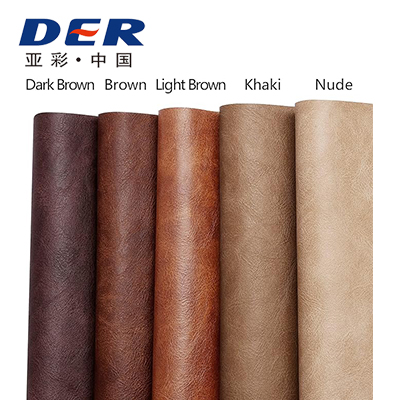
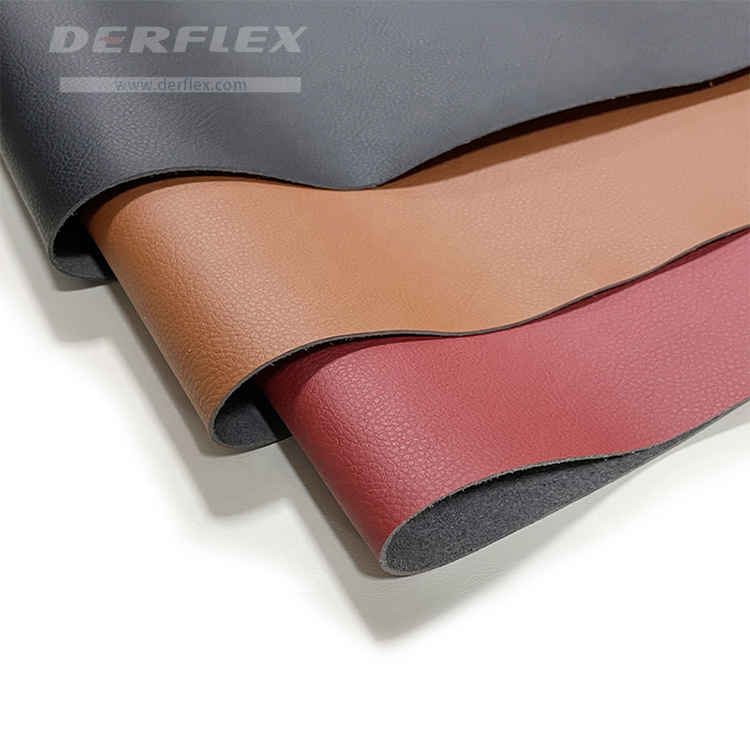
The photos show actual DERFLEX synthetic leather material directions. Final suede character, shade, backing, width and performance are confirmed against project samples rather than assumed from a screen image.

Specification discussion guide

Define the grade before asking for “best price.”

There is no single universal Alcantara-style fabric specification. Use the fields below to create a comparable request for quotation and prevent visually similar—but technically different—offers.

Specification fieldDERFLEX development optionsWhy the buyer should define it
Product descriptionSuede-touch microfiber, microfiber PU suede, synthetic suede upholstery material or project-specific constructionPrevents a trademark search term from becoming an incomplete purchase description.
Surface & napFine or fuller nap, soft or firmer hand, matte / low-glare direction, controlled directional shadeInfluences visual depth, tactile grip, cleaning response and appearance after handling.
Composition routePolyester microfiber and polyurethane system; exact structure confirmed for the selected gradeComposition affects labeling, testing, feel, aging behavior and market communication.
BackingUnbacked, knit, woven, nonwoven, microfiber support, foam backing or custom laminationBacking controls stretch, recovery, seam stability, wrapping and bonding.
Thickness & weightCustomized by component, feel target, backing and conversion method; tolerance agreed in writingNominal values alone do not describe compressibility or handling in production.
Width & roll formatWidth, roll length, core, splice policy, face direction, label and export packing by order planAffects marker efficiency, usable yield, warehouse handling and landed cost.
Color controlStandard shades, custom matching, physical master, instrument data where agreed and lot approval routeSuede nap changes perceived color with viewing direction and lighting.
Secondary processingPerforation, quilting, embossing, foam bonding, adhesive lamination and project-specific finishingEvery extra process can change appearance, hand feel, stretch and test results.
Performance packageTest plan for abrasion, pilling, color fastness, flex, UV, hydrolysis, seam behavior, flammability, odor/VOC or restricted substances as applicableRequirements differ by country, customer, component and final product.
Commercial programSampling, MOQ discussion, pilot quantity, bulk roll supply, packing marks and repeat-order controlsCreates a realistic path from design approval to replenishment.

All options are subject to development feasibility, order quantity and the approved grade. Numerical targets, standards, certificates and claims apply only when written into the quotation or specification for that exact construction.

Performance, made measurable

Eight checks that matter more than an impressive sample-card adjective.

“Luxury,” “durable,” “automotive grade” and “easy clean” are not test methods. A credible approval links each performance claim to a named method, conditioned sample and acceptance limit.

1

Abrasion & pile retention

Review surface change, flattening and visual wear using the buyer’s relevant method and end-use severity.

2

Pilling & snagging

Especially important for seat centers, furniture and components exposed to clothing or repeated contact.

3

Crocking & color fastness

Confirm dry and wet rub behavior, light exposure and color change under the specified conditions.

4

Tensile, tear & seam

Check the complete face-and-backing construction in the directions relevant to cutting and stitching.

5

Heat, humidity & hydrolysis

Accelerated aging can help identify unsuitable PU routes for hot, humid or enclosed environments.

6

UV & light exposure

Cabin, marine and near-window products may require defined color and surface stability criteria.

7

Flammability & emissions

Use the exact automotive, aviation, contract or customer method—not a generic certificate from another grade.

8

Cleaning compatibility

Evaluate real cleaners, skin oils, sunscreen or likely stains without overstating universal resistance.

Application-based selection

One aesthetic. Six different engineering briefs.

The correct construction follows the component, exposure and manufacturing process. DERFLEX reviews each route separately before recommending a sample direction.

Automotive seating

Seat centers, bolsters & covers

Balance tactile grip and comfort with backing stability, seam performance, abrasion, aging, cabin requirements and cleaning.

01
Au, tomotive trim

Door panels, dashboards & consoles

Prioritize low glare, color control, controlled stretch, tight-radius wrapping and adhesive or foam compatibility.

02
Soft interior surfaces

Headliners & pillar trim

Evaluate lightweight backing, foam lamination, sag behavior, adhesive compatibility and smooth installation.

03
Furniture & contract

Chairs, panels & hospitality accents

Review touch, pilling, abrasion, cleaning, color continuity and the applicable project flammability route.

04
Marine & special transport

Cabin panels & selected upholstery

Confirm UV, moisture, mildew, cleaning and flame requirements. Standard indoor grades should not be assumed suitable.

05
Consumer & lifestyle

Bags, cases, electronics & accessories

Focus on fine cutting, edge finishing, lamination, color assortment, hand feel and packaging presentation.

06
Material comparison

Compare by sourcing objective—not by appearance alone.

A branded material, custom microfiber suede, natural suede and coated PU leather can all be valid. The best route depends on brand requirement, tactile target, consistency, customization, test pathway and budget.

Decision pointGenuine Alcantara®DERFLEX custom suede-touch microfiberNatural suedeConventional PU leather
IdentityRegistered proprietary brand; authenticity and channel matter.Independent custom material; must not be represented as the branded product.Animal-hide material with natural variation.Broad synthetic leather category with a coated leather-like face.
Best reason to chooseThe design, OEM program or customer explicitly requires the brand.Custom nap, backing, color, processing route and commercial program are priorities.Natural origin and hide character are central to the product story.A leather-like surface, easy maintenance direction and broad design range are wanted.
CustomizationWithin the manufacturer’s authorized product families and program.Color, nap, hand feel, backing, foam, perforation and packing can be discussed.Finishing is possible, but hide size and natural character influence consistency.Broad grain, color, gloss, backing and surface-system options.
ConsistencyControlled branded production; confirm lot and specification requirements.Built around approved sample, tolerances and repeat-order control.Natural variation must be accepted and managed in cutting.Engineered repeatability is possible, but quality varies widely by grade.
Buyer cautionAvoid unverified use of the name and request traceability.Do not claim genuine brand status or assume performance without exact testing.Check yield, shade, defects, care and traceability.Check hydrolysis, topcoat, backing, aging and application fit.
DERFLEX project workflow

Move from inspiration to repeatable roll supply.

A disciplined workflow reduces the risk of approving a beautiful hand sample that later changes during perforation, sewing, lamination or bulk production.

Define the component

Share product, contact zone, exposure, geometry, process and destination market.

Set the material brief

Agree visual target, touch, backing, width, thickness direction and test priorities.

Develop & review samples

Compare color, nap, directional shading, stretch, hand feel and physical construction.

Test & pilot convert

Run agreed laboratory checks and a realistic cutting, sewing, wrapping or bonding trial.

Approve & control bulk

Lock the master sample, specification, tolerances, packing and inspection criteria.

Faster, more accurate quotation

Send a usable project brief.

A photo is helpful, but it cannot communicate thickness, backing, stretch, rub performance or flame requirements. Send the details at right so DERFLEX can recommend a relevant sample route instead of a generic “similar fabric.”

End product & componentSeat center, headliner, panel, chair, bag or another use
Reference standardPhysical swatch, color code, mood board or approved part
Surface targetNap, softness, matte level, grip and directional appearance
Construction targetBacking, thickness, weight, width, stretch and foam needs
Conversion processCut, sew, perforate, quilt, wrap, bond or laminate
Test methodsExact standard, conditioning, target value and report need
Commercial detailsSample quantity, forecast, first order, repeat program and packing
Market & timingDestination country, customer specification and required date
Frequently asked questions

Practical answers for sourcing teams.

These answers separate trademark identity from material performance and help buyers prepare a more accurate inquiry.

Is DERFLEX suede-touch microfiber genuine Alcantara fabric?
No affiliation or genuine-brand status should be assumed. Alcantara® is a registered trademark of Alcantara S.p.A. DERFLEX develops independent suede-touch microfiber and synthetic upholstery materials. If a project requires genuine Alcantara®, require written brand and channel documentation and buy through an authorized source.
What information is needed to quote a custom microfiber suede fabric?
Provide the end use, component location, physical reference or color target, required width and thickness, backing preference, stretch direction, processing method, order quantity, destination market and applicable test methods. If you do not yet have numerical targets, describe the use conditions and current problem so the first sampling route can be discussed.
Can suede-touch microfiber be used for car seats and automotive interiors?
Selected constructions can be developed for seat inserts, door panels, headliners, trim and related interior surfaces. Each location has different requirements for backing, abrasion, seam behavior, UV, color fastness, odor, VOC, fogging and flammability. The final material must be validated against the vehicle program and component process; a generic upholstery grade should not automatically be called automotive grade.
Can DERFLEX add foam backing, perforation or custom color?
These options can be discussed by project. Development may include custom color, nap direction, surface feel, textile or foam backing, perforation, lamination, embossing and roll packaging. Each secondary process can alter stretch, hand feel, appearance and performance, so feasibility and the final test specimen should be confirmed during sampling.
Is microfiber suede waterproof and suitable for outdoor use?
Do not assume it is waterproof. Outdoor or marine use requires an application-specific construction and written targets for water repellency, UV exposure, light fastness, mildew response, backing stability and cleaning. Seams, adhesives, cushions and finished-product design also affect performance. Request tests on the exact final construction.
How should bulk quality be approved?
Approve a physical master sample, written specification, named test methods and tolerances before production. A pilot conversion trial should check cutting, sewing, wrapping, lamination or perforation. Bulk inspection should compare color under agreed lighting, nap and surface uniformity, width, thickness, roll condition, packing and agreed performance against the approved references.
Request samples & commercial review

Tell us what the material must become—not only what it should resemble.

Send your application, reference swatch, backing, processing method, test requirements, quantity and timeline. DERFLEX will review a suitable custom suede-touch microfiber or adjacent synthetic upholstery route for your OEM program.

Request a Quote →
Consulting Services
+86-021-54361792 / 54361798
Email
sales@derflex.com