News
Industry News

All Weather Tarps Manufacturer | Heavy Duty Waterproof PVC Tarps | DERFLEX

Update:2026/9/25 19:52:02 Views:
DERFLEX · Industrial Weather Protection

All Weather Tarps

Heavy-duty waterproof PVC tarps engineered around rain, UV exposure, wind movement, low-temperature handling, abrasion and repeat fastening—not around a generic “all-weather” label.

DERFLEX supplies PVC coated polyester tarp material, welded panels and finished custom tarps for transport, construction, agriculture, industrial equipment, outdoor storage and OEM programs. Buyers can specify material weight, color, roll width, surface finish, edge reinforcement, grommets, D-rings, webbing, welding, printing and packaging to match the actual service environment.

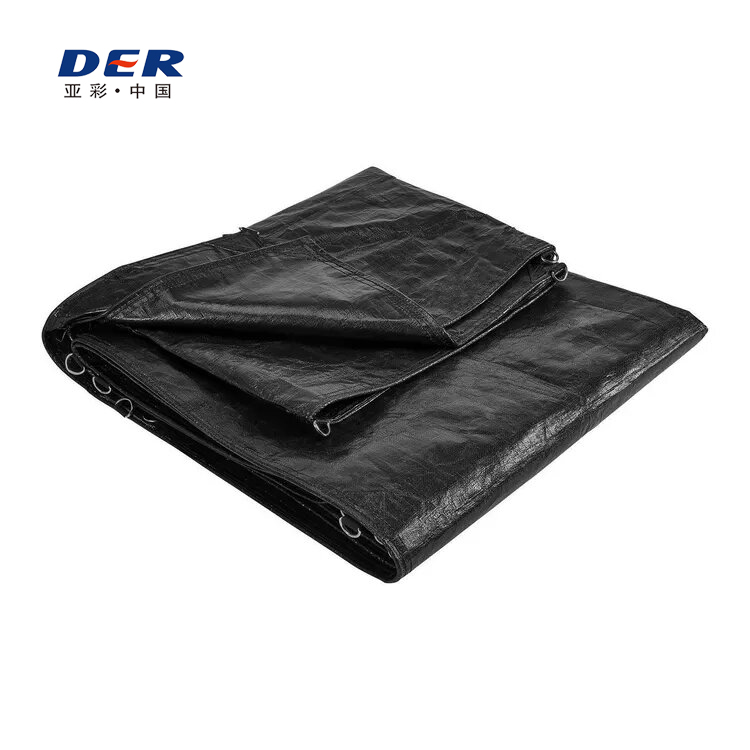
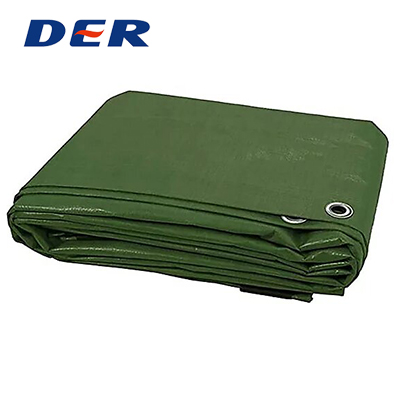
DERFLEX heavy duty waterproof all weather tarp with reinforced edges and metal grommets
Waterproof PVC surface UV-resistant options Reinforced stress zones Custom B2B fabrication
PVC Coated PolyesterReusable industrial direction
450–1100gsm*Typical project range
Welded or SewnApplication-dependent fabrication
Custom HardwareGrommets · D-rings · webbing
Rolls to Finished CoversOEM / wholesale / project supply
Quick Answer

What Is an All Weather Tarp?

An all weather tarp is a protective cover specified to remain useful through changing outdoor conditions such as rain, sunlight, wind, cold, dirt and repeated handling.

For demanding reusable applications, the tarp should be evaluated as a complete system: coated fabric, base textile, UV formulation, seam construction, reinforced perimeter, attachment points, fit and anchoring. A thick sheet with weak seams or poorly reinforced grommets can still fail early.

For many industrial and commercial programs, PVC coated polyester is a practical material direction because it combines a continuous waterproof surface, reinforced textile strength, weldability and extensive finishing options. PE, canvas and mesh remain useful when low weight, breathability, wind relief or short-cycle cost is more important.
Weather Risk Map

Specify the Failure Risk Before You Specify the Tarp

“All weather” is not one test value. Different climates and applications create different failure modes. This risk map helps procurement teams define what the finished cover must resist.

01

Rain & Water

Continuous PVC coating supports a waterproof barrier, but the finished tarp also depends on welded seams, overlaps, penetrations, drainage and the way hardware is installed.

02

UV & Heat

Long sunlight exposure can harden coating, fade color and accelerate aging. Outdoor programs should define climate, exposure duration and UV-stabilized formulation requirements.

03

Wind & Flutter

Wind failure commonly begins at loose fabric, corners, hems or fixing points. Fit, edge webbing, anchor spacing and load distribution matter as much as material weight.

04

Cold Flexing

A tarp that is repeatedly folded or tensioned in winter needs a formulation compatible with the target low temperature. Cold-crack behavior should be reviewed for the real climate.

05

Abrasion & Contact

Rails, cargo corners, machinery edges and rough ground create local wear. Wear patches, smooth interfaces and replaceable reinforcement can be more valuable than simply adding weight everywhere.

06

Snow & Drainage

The tarp is a weather barrier, not a self-supporting structural roof. Snow load, ponding and water pooling depend on slope, framing, support spacing and maintenance.

Specification Overview

All Weather Tarp Specifications for B2B Projects

Use the table as a specification starting point. Final construction should be confirmed against application, finished size, exposure, fabrication method and required test documents.

SpecificationAvailable DirectionBuyer Guidance
MaterialPVC coated polyester tarpaulin; project-specific alternatives availablePreferred for reusable waterproof industrial covers that need welding, reinforcement and custom fabrication.
Typical WeightApprox. 450–1100gsm; heavier structures may be discussedDo not select by GSM alone. Compare scrim, coating, tear strength and edge design.
Base FabricPolyester scrim; common heavy-duty constructions include 1000D-class optionsYarn construction and weave affect dimensional stability, tensile and tear behavior.
WidthStandard and custom roll widths; common DERFLEX directions include 1.02m, 1.5m, 2.04m and 3.2mWider rolls can reduce seam count on large panels.
Temperature DirectionOutdoor formulations can be adjusted; DERFLEX heavy-duty pages list options around -30°C to +70°CConfirm actual cold-flexibility or heat requirements before approval.
SurfaceGlossy, matte, embossed, lacquered and other project-specific finishesSurface affects cleaning, friction, appearance, printability and handling.
Weather OptionsUV, anti-mildew, cold-resistant and other functional directionsOnly request functions that are relevant to the climate and application.
FabricationHot-air welding, HF welding where applicable, sewing, hems and rope edgesFor heavy rain, welded panel construction can reduce seam leakage risk.
ReinforcementWebbing, corner patches, wear strips, reinforced perimeterReinforcement should follow actual load paths and abrasion zones.
HardwareGrommets, D-rings, straps, pockets and custom attachment layoutsSpacing depends on tarp dimensions, tie-down direction and exposure.
Supply FormatRoll goods, cut panels, welded panels or finished tarpsSuitable for distributors, converters, fleets, contractors and OEM brands.
Selection Matrix

Which All Weather Tarp Grade Should You Choose?

These ranges are procurement starting points rather than universal ratings. Final weight, scrim, coating, reinforcement and hardware should be confirmed after the working environment is reviewed.

Balanced Handling

Commercial All-Weather Grade

For repeat outdoor covers that still need manageable folding and installation.

  • Indicative direction: roughly 600–750gsm PVC coated polyester
  • Waterproof panel construction
  • UV and anti-mildew options
  • Reinforced perimeter and practical eyelet layout
  • Storage, agriculture, equipment and general industrial covers
Higher Exposure

Reinforced Severe-Weather Grade

For stronger wind exposure, transport use, abrasion and repeated handling.

  • Indicative direction: roughly 800–1000gsm
  • Higher-strength scrim and heavier coating
  • Webbing-reinforced edges and corner patches
  • D-rings, straps, rope hem or custom anchor pattern
  • Fleets, construction, outdoor machinery and exposed storage
Project Engineered

Extreme-Duty Custom System

For large spans, concentrated loads or specialized industrial environments.

  • 1100gsm-class or project-specific construction may be discussed
  • Heavy scrim and localized wear reinforcement
  • Panel layout designed around stress zones
  • Custom hardware and replaceable reinforcement options
  • Sampling and application-specific validation recommended
Important: wind, snow and structural loads depend on the complete installation and support system. Do not treat fabric GSM as a structural load rating.
Material Comparison

PVC vs Poly vs Canvas vs Mesh for All-Weather Use

No tarp material is ideal for every job. The practical choice depends on service duration, waterproofing, breathability, handling weight, abrasion, fabrication method and target cost.

PE / Poly Tarp

Lightweight and economical for temporary or cost-sensitive coverage. Grade, weave, UV treatment and reinforcement vary widely.

Temporary / lightweight

Treated Canvas

Breathable and abrasion-tolerant for selected covers. Water performance depends on treatment and should not be assumed equal to PVC waterproofing.

Breathability priority

Mesh Tarp

Reduces wind pressure and allows airflow. Useful for shade, debris and containment, but it is intentionally open and not a full rain barrier.

Wind relief / airflow
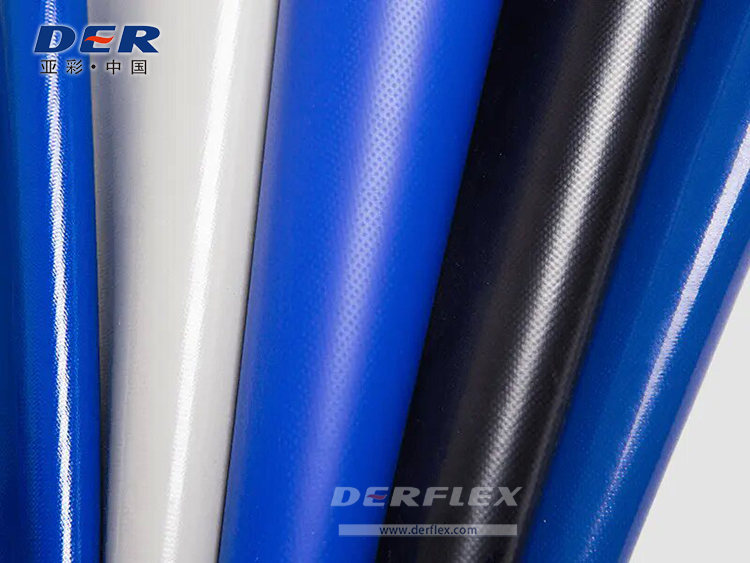
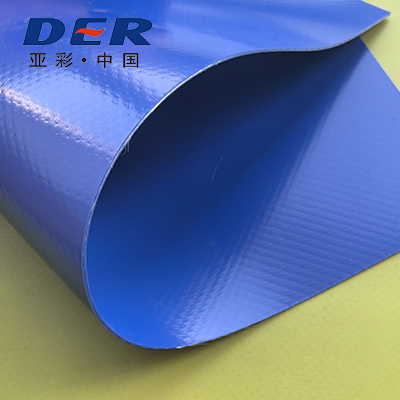
DERFLEX blue PVC coated polyester material close-up for all weather tarp manufacturing
Material Construction

Weather Resistance Starts Inside the Material

The finished tarp is built around more than the visible top surface. A woven polyester base fabric carries tensile loads, while the PVC coating forms the weather barrier and supports welding, cleaning and functional surface treatments.

Polyester reinforcement

Base-fabric construction influences tensile strength, tear behavior and dimensional stability when the cover is pulled, folded, tied down or exposed to wind movement.

PVC coating system

Coating thickness, adhesion and formulation influence waterproofing, surface durability, flexibility, welding behavior and resistance to outdoor aging.

Finishing & stress zones

Edges, seams, corners, wear points and hardware zones should be treated as separate engineering areas. Local reinforcement is often more efficient than increasing the entire tarp weight.

Application Engineering

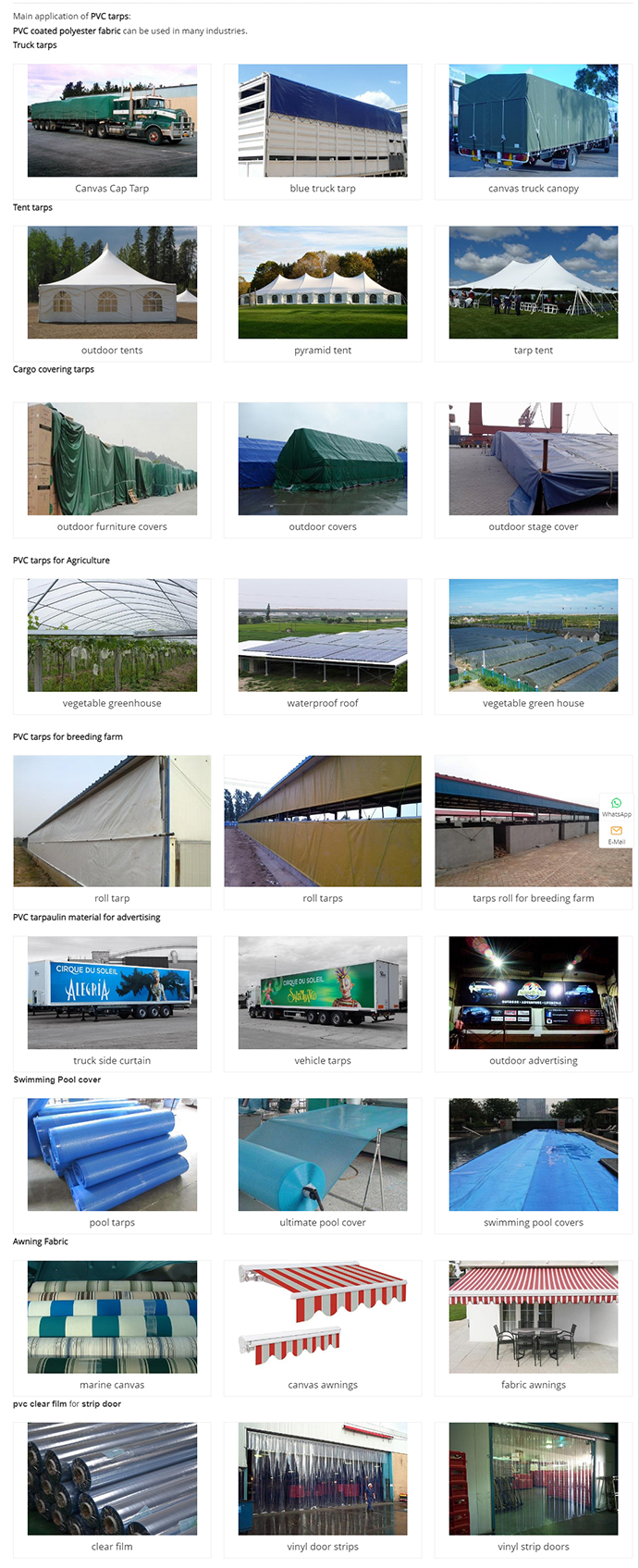
Where All Weather Tarps Are Used

The same “weatherproof tarp” phrase can describe very different jobs. The application determines which risks must be controlled.

Truck & Trailer Cargo

Priorities: rain, highway wind, abrasion, flexing and repeated fastening. Discuss welded seams, webbing, D-rings, reinforced hems and wear zones.

Construction Sites

Priorities: rain, rough handling, puncture, dirt and wind. For regulated projects, confirm any required flame-retardant documentation before production.

Outdoor Machinery

Priorities: custom fit, UV exposure, water shedding, local abrasion and access points. Shape-specific straps and reinforcement can reduce flapping.

Agriculture & Yard Storage

Priorities: sunlight, rain, seasonal handling and large-area coverage. Use a practical anchoring layout and avoid water pockets.

Warehouse & Industrial Covers

Priorities: dust, moisture, handling and repeat use. Custom panels, labels, color coding and repeatable material codes help large programs.

OEM / Distributor Programs

Priorities: repeatable specification, sample approval, private-label packaging, color consistency, documented hardware layout and reorder control.

Real DERFLEX Images

Material, Reinforcement and Application Gallery

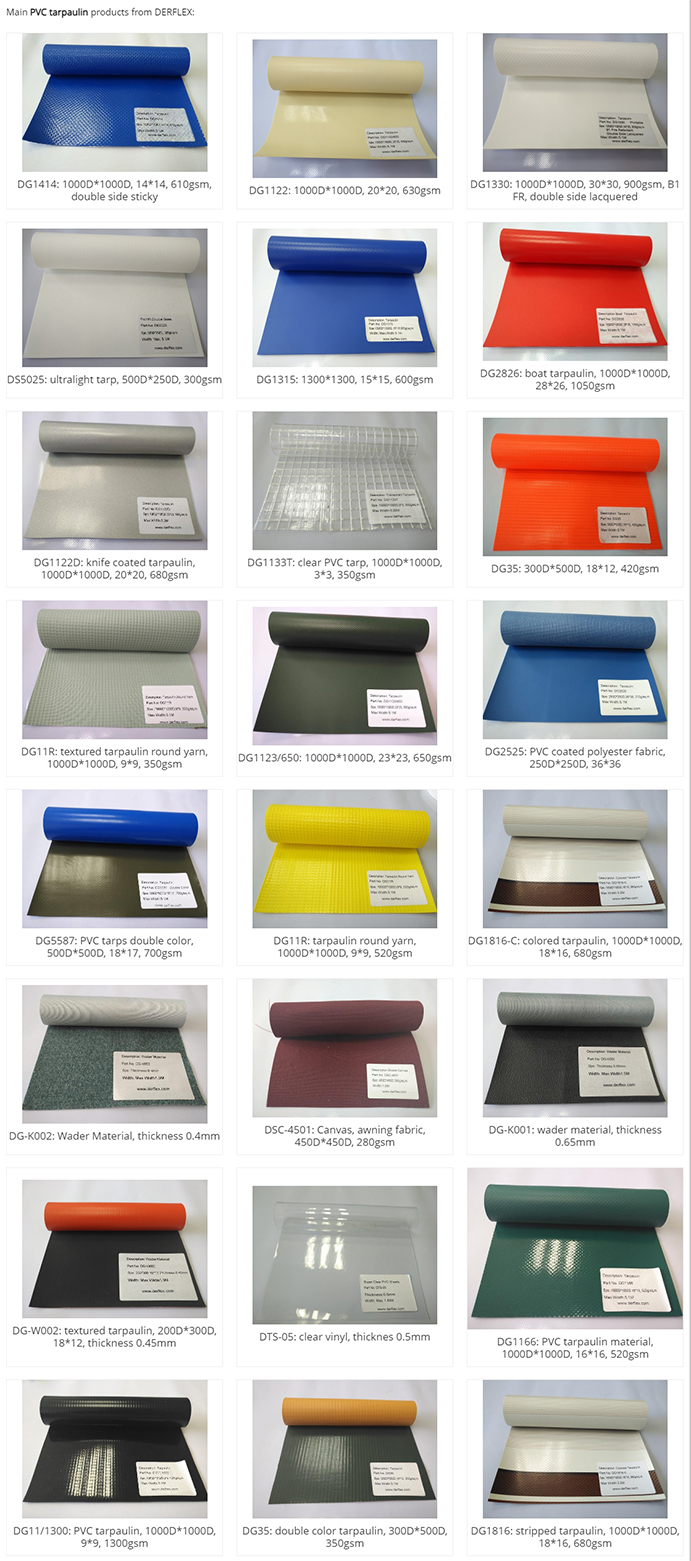
For Google Images and buyer evaluation, the page shows the actual material surface, finished tarp construction, reinforced hardware and application examples rather than decorative stock photography.

Application Decision Table

Match the Tarp to the Working Environment

This table is designed for procurement conversations: define the dominant weather and handling risk, then confirm the finished construction.

Use EnvironmentPractical Material DirectionWeather PrioritiesFinishing to Discuss
Truck / trailer cargoPVC-coated polyester for repeated outdoor movementUV, rain, abrasion, flexing, highway windWelded seams, reinforced hems, webbing, D-rings / grommets, wear zones
Construction & jobsiteHeavy-duty PVC tarp for reusable cover programsRain, rough handling, puncture, dirt, windEdge reinforcement, tie-down layout, corner patches, project-specific safety requirements
Outdoor machineryApplication-matched PVC-coated polyesterUV, water shedding, abrasion, shape fitCustom dimensions, straps, pockets, access features, local wear reinforcement
Agriculture & yard storageReusable PVC-coated cover when longer service mattersUV, rain, seasonal handling, moisture managementLarge welded panels, reinforced perimeter, anchoring plan, color coding
Emergency / temporary coverPE or PVC depending duration and replacement targetFast deployment, rain, portability, costSimple reinforced edges, size labeling, practical packing
OEM / distributor programRepeatable PVC roll or finished tarp specificationBatch consistency, color, performance, packagingMaterial code, golden sample, labels, private packing, repeat-order records
Engineering & Fabrication Notes

Four Details That Often Decide Service Life

Industrial tarp failures frequently begin away from the center sheet. These fabrication details deserve the same attention as material GSM.

01

Seam Layout

Large covers should minimize unnecessary seams while keeping fabrication practical. Welded construction can help maintain a continuous rain barrier where the material and process are compatible.

02

Edge Reinforcement

Perimeter webbing, rope hems or multi-layer build-up help spread tie-down loads. A strong center panel cannot compensate for a weak edge.

03

Grommet & D-Ring Zones

Hardware should be mounted into reinforced zones and spaced according to tarp size, wind exposure and load direction rather than a generic one-size layout.

04

Abrasion Mapping

Identify rails, cargo corners, equipment frames and ground-contact areas before fabrication. Add local patches or wear layers where contact is concentrated.

Procurement Quality Gate

Common All Weather Tarp Buying Mistakes

A stronger RFQ reduces replacement risk, quotation confusion and specification drift between samples and repeat orders.

Avoid these shortcuts

  • Buying by “mil” or GSM alone.
  • Assuming every waterproof fabric creates a waterproof finished cover.
  • Ignoring wind flutter and tie-down load paths.
  • Using the same grommet spacing for every tarp size.
  • Skipping low-temperature requirements for winter markets.
  • Using stock dimensions that create loose flapping fabric.
  • Failing to document the approved sample for repeat orders.

Define these before approval

  • Application, finished dimensions and quantity.
  • Outdoor exposure duration and climate.
  • Expected handling, folding and transport cycles.
  • Material weight or current sample reference.
  • Seam, hem, webbing and hardware layout.
  • Color, printing, labels and packaging.
  • Required test methods or compliance documents.
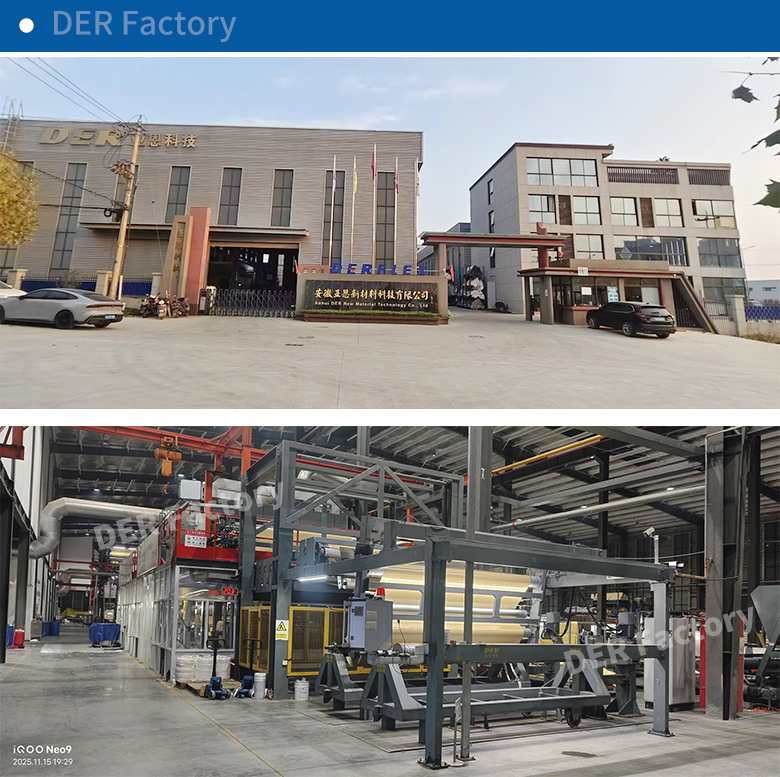
DERFLEX factory and coated fabric production line for custom all weather tarp manufacturing
Manufacturing Support

Why Industrial Buyers Work With DERFLEX

DERFLEX supports specification-led tarp sourcing rather than only fixed retail sizes. Buyers can begin with roll goods, move to cut or welded panels, or order finished covers with application-specific reinforcement and hardware.

For all-weather programs, the practical advantage is the ability to control more of the finished system: fabric weight, coating direction, color, surface finish, roll width, welding, hems, webbing, grommets, D-rings, logo printing and packaging.

Material + FabricationRoll goods, panels and finished tarp options
Custom ConstructionWeight, color, surface, reinforcement and hardware
B2B SupplyImporters, distributors, fleets, contractors and OEM brands
Repeat Order ControlSample approval and documented specification references
RFQ Checklist

What to Send for an All Weather Tarp Quote

The more clearly the working environment is defined, the easier it is to recommend a practical tarp construction a, nd compare quotations on the same basis.

Include these details

  1. Application: truck, construction, machinery, agriculture, storage, shelter or OEM product.
  2. Finished dimensions or required roll width / length.
  3. Quantity and expected repeat-order frequency.
  4. Climate: sunlight exposure, rain, wind, temperature and humidity.
  5. Handling: static cover, repeated folding, highway movement or frequent installation.
  6. Preferred GSM / thickness, current sample or existing specification if available.
  7. Seam, hem, webbing, grommet, D-ring, strap or pocket requirements.
  8. Color, logo printing, label and private packaging requirements.
  9. Destination market and any required test or compliance documents.
Buyer Questions

All Weather Tarp FAQ

Direct answers to common questions from distributors, fabricators, contractors and industrial procurement teams.

What makes a tarp suitable for all-weather use?

A practical all-weather tarp combines a waterproof or weather-resistant material, UV stability, suitable temperature flexibility, reinforced textile strength, durable seams, reinforced stress zones and a fastening system matched to the real application. Material weight alone does not define all-weather performance.

Is PVC or poly better for all-weather tarps?

For demanding repeat-use industrial applications, PVC coated polyester is often selected because it combines waterproofing, stronger textile reinforcement, weldability and custom finishing. PE poly tarps are useful where low weight, temporary coverage and lower cost are more important.

Are all weather tarps completely waterproof?

PVC coated tarp material can provide a waterproof barrier, but finished-cover performance also depends on seams, holes, hardware, overlaps, drainage and installation. For heavy rain, discuss welded seam construction and design the cover to shed water rather than allow pooling.

What GSM should I choose for an all weather tarp?

There is no single correct GSM. Commercial reusable covers may begin around mid-weight PVC constructions, while transport, high-wind or abrasion-intensive applications may require heavier material and stronger reinforcement. Select GSM together with scrim, coating, tear strength, seam design and hardware.

Can an all weather tarp handle strong wind?

Wind performance is controlled by the complete system: fit, perimeter reinforcement, webbing, corner patches, grommet or D-ring spacing, anchor strength and the support structure. Loose material that flaps continuously can fatigue even a heavy tarp.

Can DERFLEX make custom sizes and attachment layouts?

DERFLEX supports custom tarp material and finished fabrication directions including size, color, weight, surface finish, hems, webbing, grommets, D-rings, straps, welding, printing and packaging according to project requirements.

Can all weather tarps be used in cold climates?

PVC tarp formulations can be selected for low-temperature flexibility, but the project should define the real minimum temperature and whether the tarp will be folded, tensioned or deployed in the cold. Confirm the required low-temperature performance before sample approval.

What information should I send before requesting a quotation?

Send the application, finished dimensions, quantity, climate and exposure, handling frequency, preferred material weight or current sample, attachment layout, color, printing or packaging needs, destination and any required test or compliance documents.

Build the Tarp Around the Weather Risk

For repeat outdoor use, specify the fabric, seams, reinforcement, hardware and installation together. DERFLEX can supply roll goods, panels or finished custom all weather tarps for B2B and OEM programs.

Consulting Services
+86-021-54361792 / 54361798
Email
sales@derflex.com