


 FLEXIBLE FILM MATERIALS
FOR MANUFACTURERS & CONVERTERS
PVC Film Rolls for Shower Curtain Manufacturing
Source flexible PVC shower curtain material around the way your factory prints, seals, cuts and packs it. DERFLEX supplies PVC film rolls for converting applications, with thickness, softness, appearance and roll format reviewed against your finished curtain design. For curtain makers, home-textile brands and material importers, the starting point is a sample that hangs correctly and works on the production line.
Supply focus: film roll material. Finished curtains, hooks, rails and installation hardware require a separate supply agreement.
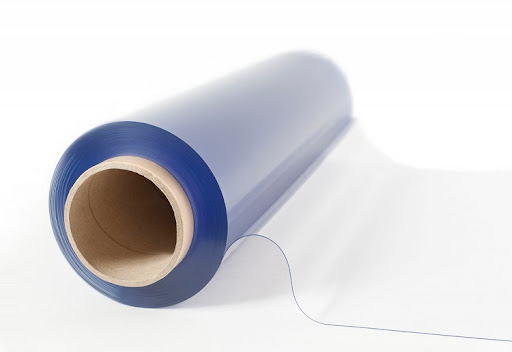
What makes a PVC film suitable for shower curtains?
Vinyl shower curtain film is a continuous, flexible PVC sheet used to make hanging bathroom panels and liners. Unlike a woven fabric, it provides a liquid-water barrier through the film itself. Softness, surface feel, print behavior and the completed hanging edge determine whether that barrier becomes a usable curtain.
Choose the roll together with the finished product design. A film that feels pleasant as a small swatch may hang differently as a full panel, crease during retail packing or stretch around a punched hole. For the underlying material family, see what clear PVC film is and how it is selected.
Softness and drape
Compare full-width hanging samples at the same temperature. Look at fold formation, opening and closing, edge curl and recovery after unpacking. Record an approved reference sample alongside thickness; “extra soft” alone is too subjective for repeat orders.
Appearance and privacy
Decide whether the curtain needs visibility, light transmission or privacy. Evaluate a single layer under bathroom-like lighting. Roll edges can look more strongly tinted than the unwound sheet, and a clear base does not establish the appearance of a printed curtain.
Keep the material identity explicit
PVC, PEVA and EVA are different film families. If a retail brief specifies PVC-free material, a PVC roll does not meet that identity requirement. Match the stated polymer before comparing price, print options or hand feel.
Specify the roll your converting line actually needs
Agree the fields below before confirming a grade. Record both the material specification and the production checks your factory will use for acceptance.
On small screens, scroll the table horizontally.
| Specification | What to define | Why it affects production |
|---|---|---|
| Polymer and formulation | Flexible PVC; reference sample and any restricted-substance requirements | Links material identity to the intended market and converting process |
| Thickness and tolerance | Nominal mm or μm; measurement positions and allowable variation | Affects panel mass, drape, hole behavior and the sealing window |
| Usable roll width | Cut-panel width plus hems, trim and print margins | Controls yield and whether the panel can be made without a vertical join |
| Softness and surface | Approved hand feel; smooth, matte or requested texture; designated print side | Affects hanging, blocking, folding and ink contact |
| Color and transparency | Approved single-layer appearance, viewing conditions and color reference | Prevents acceptance based only on a thick, tinted roll edge |
| Converting route | Ink system, seal method, cutting method and header construction | Allows the sample trial to represent actual factory conditions |
| Winding and packing | Core fit, roll length or weight, winding direction and protective packaging | Affects machine loading, unwinding, surface protection and transport |
For film-forming and surface options, review DERFLEX PVC calendered film. Its wider material-family ranges should not be treated as the specification for every shower curtain. A selected grade needs its own agreed tolerances.
Approve the film and the decoration as one combination
A printable PVC base and a supplied printed roll are different purchasing routes. State whether your factory will print the film or whether the enquiry includes a finished printed design. For supplied décor, artwork, repeat, colors, print side and current production availability need separate agreement.
Before the print trial
Identify the ink system and machine, surface preparation, print side, artwork repeat and the panel orientation. Include the intended drying or curing stage and later heat-sealing operations. Compatibility with one ink or process does not establish compatibility with every printing system.
After printing and packing
Check adhesion, wet rubbing, cleaner exposure, fold marks and print transfer onto the adjacent layer. Recheck after representative folded storage. A sharp fresh print is only one part of acceptance; the design must also tolerate the agreed bathroom-use and packing conditions.
For material-family options, compare flexible PVC film surfaces and formulation choices. Evaluate embossing or special finishes using an actual pattern sample; a digital mockup cannot establish texture or wet appearance.
Separate the water barrier from cleaning performance
The continuous film can stop liquid water, while water can still escape at an opening, an incomplete seam or a curtain that is too short for the installation. Test the finished panel with its intended overlap and bottom position, then check hems and any reinforcement pockets.
Soap, cleaners and repeated wetting
Use the buyer's actual cleaner, dilution and contact time in the sample programme. Record discoloration, haze, tackiness, stiffening and print damage after cleaning and drying. Review odor under agreed opening and use conditions rather than relying on an unqualified “odor-free” description.
Drying and surface condition
Plan instructions that let the curtain drain and dry between uses. Soap residue and trapped moisture affect cleanliness. Do not infer mildew resistance, antimicrobial action or a service-life guarantee from the word “waterproof”; each additional claim needs grade-specific evidence.
For appearance investigations, the guide to clear vinyl discoloration and surface checks explains useful inspection distinctions. Bathroom cleaning exposure still needs its own evaluation.
Build the trial around seals, hanging holes and cut edges
Suitable flexible PVC films can be heat sealed or high-frequency welded, but settings depend on the selected grade, thickness, equipment and joint geometry. Begin with the actual curtain construction. Establish the operating window through a converting trial instead of applying a universal temperature recipe.
Lay out the panel
Define the finished size, hems, print borders and any clear viewing zone. Check usable roll width, material direction and registration before deciding the cut layout.
Trial the header and hems
Make the intended folded edge or reinforcement. Inspect the cooled seal for incomplete bonding, distortion, thinning and damage to nearby print.
Cut and punch
Use clean, controlled edges and inspect corners and holes for nicks or tear initiation. Judge the hanging points with the actual reinforcement and hook arrangement.
Hang, fold and reopen
Evaluate a completed sample during opening, wet use and repacking. Repeat checks after storage to reveal blocking, permanent creases or print transfer.
Check cut width before ordering roll width
For a single-piece panel, required cut width = finished width + both side-hem allowances + trim. Add machine margins separately, and evaluate print repeat in the correct direction. A nominal roll width that matches only the finished curtain can leave no room for finishing.
See transparent PVC film converting options for the broader material platform. Sewing, welding or punching must be evaluated on the shower-curtain construction itself.
A practical acceptance plan before bulk supply
Use the same reference sample for purchasing, printing and final inspection. Agree how a roll will be checked, where samples are taken and what creates a hold for review. Retain the film identification, artwork version and converting settings with the approved curtain.
On small screens, scroll the table horizontally.
| Stage | Check | Record for approval |
|---|---|---|
| Incoming film | Thickness across the roll, usable width, appearance, unwinding and surface defects | Roll identity, measurement locations and agreed limits |
| Printed material | Registration, adhesion, wet rubbing, cleaner contact and layer-to-layer transfer | Ink, print side, artwork, cure conditions and results |
| Converted panel | Hem continuity, header reinforcement, cut edges and hanging-point behavior | Construction drawing, process settings and inspection result |
| Packed sample | Blocking, crease recovery, odor assessment and print appearance after storage | Packing format, storage conditions and comparison photos |
Agree the sample acceptance criteria before bulk production. Request reports or declarations that identify the exact supplied formulation and required market criteria. An unrelated film report is not evidence for a different printed or reformulated product.
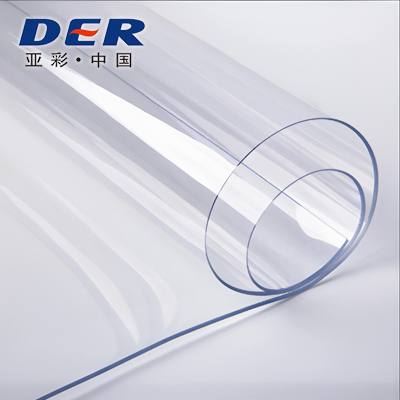
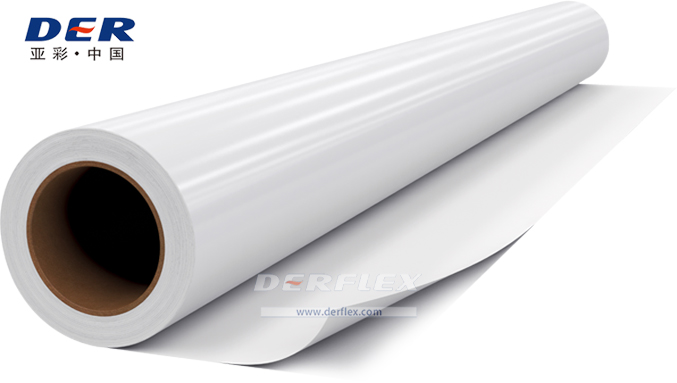
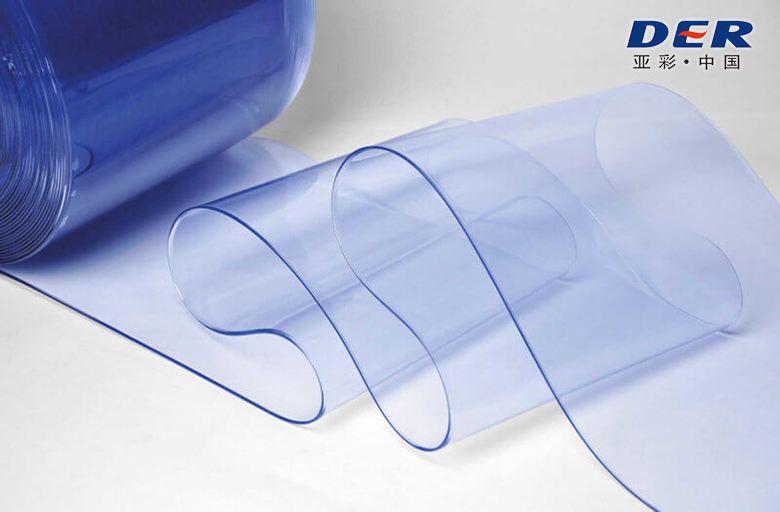
Compare the sheet, the surface and the roll
Explore DERFLEX film forms and surface appearances below. Request a sample of the proposed shower-curtain grade to check its thickness, hand feel and converting behavior.
Turn your curtain brief into a workable roll enquiry
Send these starting details
- Finished panel dimensions, header and hem drawing, or a reference curtain.
- Thickness or sample, target softness, appearance and privacy level.
- Required roll width, order quantity and preferred roll-loading format.
- Printing route, ink system, sealing method and packaging design.
- Destination market, requested documentation and planned delivery date.
Compare quotations on the same basis
Film thickness, usable width, formulation, surface finish, print work and order size can all change cost. Compare roll length or weight on consistent units and include trim and print-repeat waste when estimating usable curtain output.
MOQ, lead time, sample terms and delivery conditions belong in the specific quotation. If your technical specification is still open, start with a reference sample and the factory process you need it to survive.
The DERFLEX clear PVC film supply overview provides a broader starting point for film sourcing. This page narrows that discussion to shower-curtain converting and sample acceptance.
PVC shower curtain film FAQs
What is PVC shower curtain material?
It is flexible polyvinyl chloride film converted into hanging shower panels or liners. PVC resin is combined with plasticizers and other additives to achieve the required handling and appearance. The finished curtain also needs suitable hems, hanging points and a verified cleaning routine.
What thickness should I specify for vinyl shower curtain film?
Choose thickness together with softness, curtain size, header design and folding requirements. Compare candidate films as full hanging panels, then check tear initiation at holes, seal behavior and packed appearance. State thickness in millimeters or micrometers with an agreed tolerance; a generic industrial curtain thickness is not a shower-curtain specification.
Can shower curtain plastic rolls be printed?
Suitable PVC grades can be printed, but the film, surface and ink must be matched. Identify the print side, ink system, artwork repeat and drying or curing conditions. Approve the design after wet rubbing, cleaner exposure, folding and storage trials on the selected material.
Can PVC film be heat sealed or high-frequency welded?
Suitable flexible PVC grades can be joined by heat sealing or high-frequency welding. The converting trial must establish equipment settings and confirm the hem, reinforcement or seam after cooling. No universal temperature or welding recipe applies to every formulation and gauge.
Does waterproof PVC mean the finished curtain is mold-proof?
No. A continuous PVC film can block liquid water, while leakage can still occur at openings, seams or an unsuitable curtain layout. Moisture, deposits and poor drying can also support surface growth. Any mildew-resistance or antimicrobial claim needs evidence for the exact grade and claim.
What should I send DERFLEX for a bulk film quotation?
Send the finished curtain dimensions, preferred film thickness or reference sample, roll width and quantity, appearance, print and sealing processes, packaging plan and destination market. Include required substance declarations or reports and identify any sample tests your factory needs before bulk approval.
Discuss PVC film rolls for your production line
Share a drawing or reference sample, target quantity and the way you print and seal. DERFLEX can review the material requirements and quotation scope with you before sample and bulk-order approval.