Opaque Layer Construction
Carbon-black, black-back or multi-layer PVC/PE structures reduce show-through. Final light transmission should be confirmed on the approved sample rather than inferred from color alone.



 Coated Textile & Tarpaulin Manufacturing
DERFLEX develops light-blocking tarp materials, roll goods and finished covers for greenhouse light deprivation, warehouse partitions, event backdrops, photography spaces, temporary enclosures and OEM distribution programs.
Choose black/white reflective constructions, black-back PVC coated polyester, reinforced multi-layer sheets or custom finished tarpaulins with welded seams, hems, webbing and hardware. Final opacity, weather resistance and functional treatments are confirmed against the requested application and sample test.
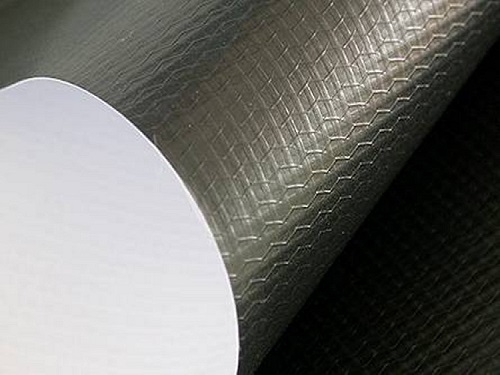
A blackout tarp is an opaque flexible cover engineered to reduce or prevent light transmission through the material. Unlike an ordinary dark-colored tarp, a professional blackout construction uses a light-blocking layer, dense coating, opaque film, reinforced scrim or a combination of these elements to control light more consistently across the surface.
The term covers several product families. Greenhouse buyers often need a lightweight black/white light deprivation sheet that can be moved manually or by an automated system. Industrial users may need a heavier PVC coated polyester tarp for partitions, photography enclosures, storage zones or light-sensitive equipment. Event and rental companies may prioritize a clean matte surface, flame-retardant direction and reinforced attachment points.
DERFLEX supports both upstream material supply and downstream tarp fabrication. This allows buyers to define not only size and color, but also base fabric strength, coating route, opacity target, surface reflection, outdoor exposure, seam method and finished-cover reinforcement.
Opacity is important, but professional procurement also depends on durability, handling, fabrication and environmental exposure.
Carbon-black, black-back or multi-layer PVC/PE structures reduce show-through. Final light transmission should be confirmed on the approved sample rather than inferred from color alone.
A white outward-facing surface can reflect solar energy and reduce heat gain compared with an exposed black surface, which is useful for greenhouse and temporary enclosure applications.
Polyester or polyethylene reinforcement helps the cover resist stretching, tearing and damage around folds, pull points and moving systems.
Outdoor covers can be developed with UV-stabilized formulas and weather-resistant surfaces. Expected exposure, climate and service interval should be defined before sampling.
Even an opaque sheet can leak light through seams. Weld geometry, panel overlap and closure details should be planned for the installation method.
Webbing, reinforced hems, grommet backing, corner patches, pockets and attachment spacing help manage wind load and repeated deployment.
The ranges below are sourcing directions. Final values, tolerances and test methods are stated in the quotation, datasheet and approved sample.
| Product Names | Blackout tarps, light blocking tarpaulin, blackout PVC tarp, light deprivation tarp, opaque privacy tarp. |
|---|---|
| Material Families | PVC coated polyester, PVC laminated polyester, reinforced PE/HDPE sheet, black/white agricultural film and project-specific multi-layer structures. |
| Typical Weight | Light-deprivation film grades by mil/micron; industrial PVC coated grades commonly discussed from approximately 450–1200 gsm, subject to construction. |
| Base Reinforcement | Woven polyester scrim, reinforced polyethylene grid or custom yarn and density structure according to mechanical demand. |
| Color Structure | Black/white, black/black, grey/black, white/black/white, custom exterior color with opaque backing. |
| Surface | Matte, semi-matte, glossy, embossed, lacquered, easy-clean or printable direction where applicable. |
| Functional Options | UV-resistant, flame-retardant, anti-mildew, cold-resistant, anti-static or other project-based treatments can be reviewed. |
| Fabrication | Hot-air welding, selected high-frequency welding, sewing, reinforced hems, webbing, grommets, D-rings, pockets, ropes and custom hardware. |
| Supply Format | Roll goods, cut panels, welded sections, standard finished tarps, custom fitted covers and OEM/private-label programs. |
| Quality Confirmation | Opacity/light transmission, coating adhesion, tensile, tear, dimensions, color and optional performance tests according to agreed specification. |
Representative images from the DERFLEX website. Final blackout tarp appearance depends on the selected structure, color, finishing and fabrication.
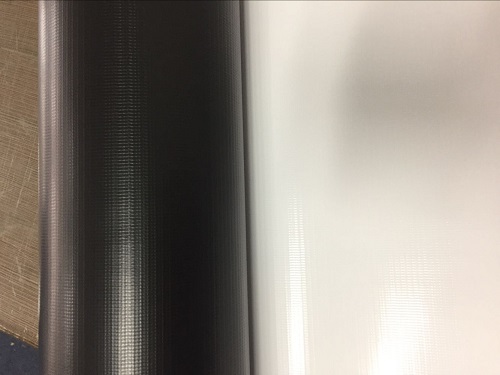
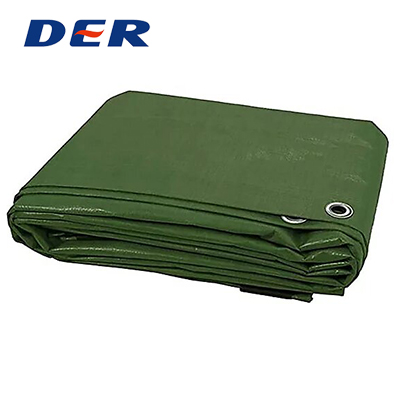
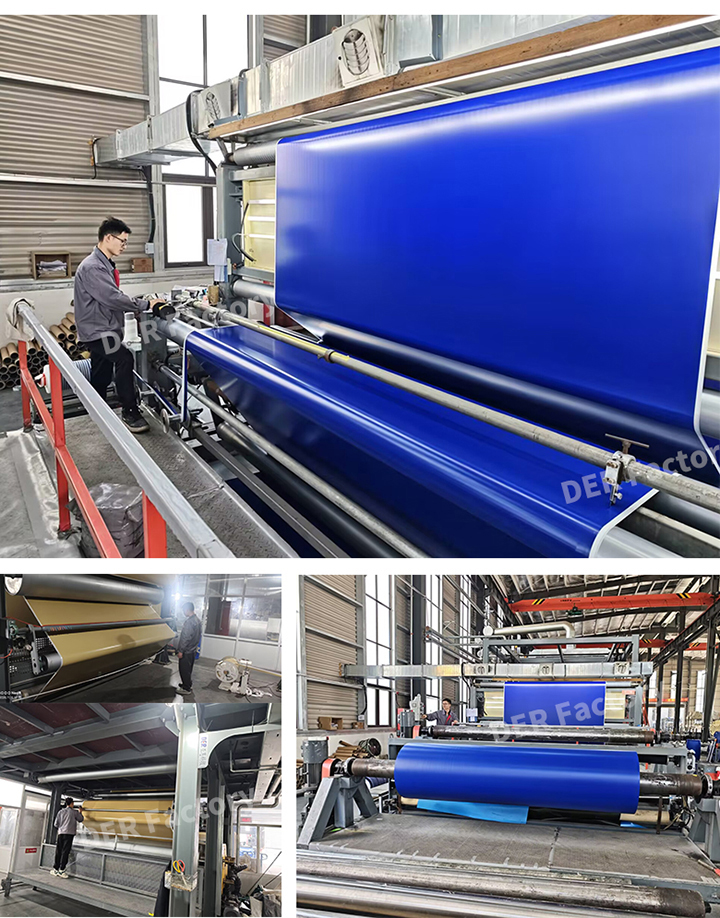

The material structure should be selected by application rather than relying on a single generic tarp grade.
Photoperiod control, flowering schedules, dark zones and white-side heat reflection for commercial growing systems.
Opaque curtains and temporary enclosures for inventory separation, privacy and visual control in industrial buildings.
Darkroom-style barriers, location screens, equipment covers and temporary light-control zones.
Black backdrops, backstage dividers and opaque temporary walls with optional flame-retardant project direction.
Visual barriers, work-zone separation and covers for light-sensitive materials or temporary operations.
Opaque covers for products affected by sunlight, UV exposure, visual security or outdoor weather.
Privacy tents, sleep areas, changing rooms, blackout shelters and custom temporary structures.
Custom roll goods, standard sizes, private labels, color systems and market-specific packaging for repeat supply.
Each structure solves a different balance of weight, handling, durability, weather exposure and fabrication.
A lightweight construction developed for greenhouse and agricultural light-cycle control.
A woven or string-reinforced solution for buyers needing lower weight with improved tear support.
A stronger, weldable industrial construction for repeat handling, outdoor covers and custom fabrication.
A coated structure for privacy partitions, backdrop systems, branded covers and selected shelter applications.
Stock products are useful for immediate small orders. B2B programs often require deeper control over material, finishing and repeat supply.
| Decision Factor | Typical Stock-Tarp Catalog | DERFLEX Project Supply |
|---|---|---|
| Product Selection | Choose from listed sizes, colors and standard weights. | Develop roll goods or finished tarps around the actual light-control and use requirement. |
| Material Structure | Limited visibility into scrim, coating and opacity layer. | Discuss base fabric, coating route, color layers, surface and target light transmission. |
| Dimensions | Standard retail dimensions. | Custom roll width, panel layout, finished shape and hardware placement. |
| Functional Options | Limited to available stock. | UV, FR, anti-mildew, cold-flex and other directions reviewed by project. |
| Branding & Packing | Retail packaging and seller branding. | OEM labels, roll marks, cartons, pallets and private-label coordination. |
| Repeat Orders | Dependent on stock availability and supplier changes. | Specification files, approved sample and batch control support longer-term programs. |
A defined approval process reduces the risk of ordering a dark-colored tarp that does not deliver the required light-control result.
Confirm application, light target, installation method, climate and quantity.
Select PVC, reinforced poly or multi-layer construction and suitable reinforcement.
Check opacity, color, surface, flexibility, weight and fabrication performance.
Control coating, dimensions, winding, seams, hardware and visual quality.
Coordinate roll or finished-tarp packing, labels, pallets and export documents.
This is a representative sourcing workflow, not a claim about a named customer or guaranteed outcome.
Black/white cover for repeat deployment over tunnel greenhouses, with controlled opacity, manageable weight and outdoor UV exposure.
Light leakage at seams, excess heat from a black exterior, premature tearing around pull points and inconsistent roll dimensions.
Compare reinforced film and PVC coated options; define white-out/black-in orientation, panel overlap and edge reinforcement.
Provide a sample for light transmission, handling and attachment review before confirming full-width rolls or finished panels.
Coordinate private-label packaging, repeat-order specification and shipment planning for the distributor's local market.
Six related pages connect blackout tarps with greenhouse covers, coated fabric, heavy-duty tarp and sampling topics.
Final technical answers should be confirmed against the selected material, approved sample and finished-cover design.
A properly developed opaque construction can be designed for full blackout or a defined low light-transmission target. The real result also depends on seams, overlaps, holes, grommets, edges and installation. DERFLEX recommends confirming the target with an agreed test method and approved sample.
The black layer is used for light control, while the white outward-facing surface can reflect more solar energy than exposed black material and help reduce heat build-up. The correct orientation and structure depend on the greenhouse system and local climate.
Reinforced polyethylene is often selected for lower weight, large greenhouse covers and cost-sensitive applications. PVC coated polyester is generally preferred for stronger industrial fabrication, welding, repeated handling and custom finished covers. The best choice depends on service life, movement, climate and budget.
Yes. DERFLEX can discuss custom roll widths, cut panels and finished covers with welded seams, reinforced hems, webbing, grommets, D-rings, pockets, ropes and project-specific shapes.
Flame-retardant directions can be reviewed for events, industrial curtains, tents and public-use applications. The target standard, market, test method and required documentation should be stated before sampling and production.
Send the application, dimensions or roll specification, quantity, desired color structure, indoor/outdoor use, deployment method, light-blocking target, functional requirements, finishing details and destination. Photos or drawings are helpful for custom covers.
Tell DERFLEX how the cover will be installed, moved and exposed. The team can review a suitable material family, opacity direction, reinforcement, fabrication and packing plan for your project or product line.