Commercial Tarps for Fleets, Construction, Industry & OEM Supply
DERFLEX develops commercial tarps for businesses that need repeatable protection—not just a one-time cover. Specify the material, duty level, finished size, wear zones, tie-down layout, branding and packing around the actual operating routine.
Commercial tarp material selection starts with the job
PVC coated polyester, laminated tarp structures, mesh and selected specialty materials can be discussed according to exposure, handling, fabrication and target cost.
What Makes a Tarp “Commercial”?
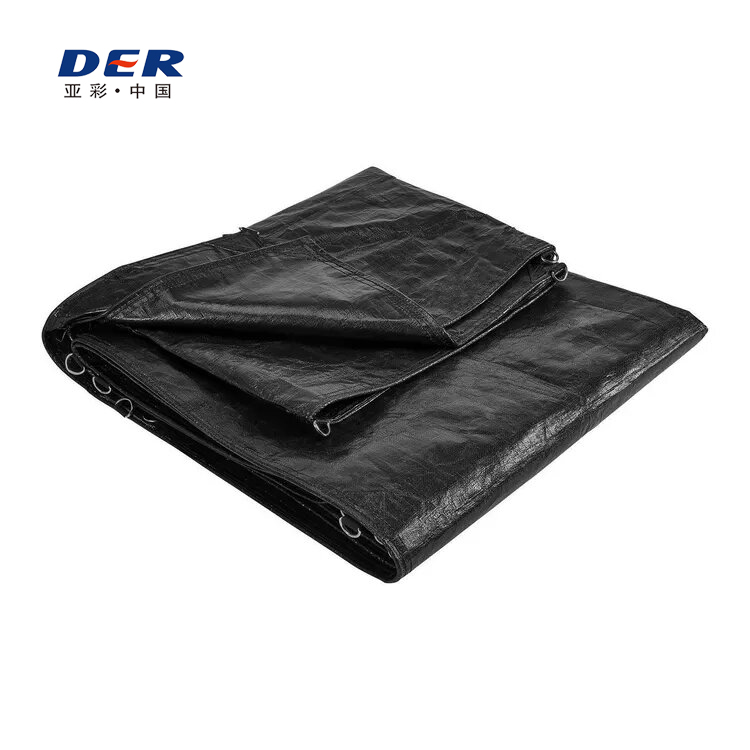
A commercial tarp is a protective cover used as part of a business process: transport, construction, maintenance, storage, agriculture, manufacturing, distribution or rental. The important difference is repeat use. Commercial buyers normally need predictable fit, attachment, handling and reorder consistency across crews, assets or customer SKUs.
Transport & Fleet Tarps
Frequent folding, road vibration, tie-down tension and abrasion mean material weight alone is not enough. Edge design and contact zones matter.
Equipment & Storage Covers
Longer exposure periods place more emphasis on UV, drainage, surface stability, attachment geometry and cleaning requirements.
Construction & Site Protection
Jobsite covers may need rapid installation, clear identification, abrasion protection and site-specific sizing for temporary enclosures or material stacks.
Wholesale & OEM Tarps
Distributors and brands require repeatable material codes, packing, labels, color references and quality checkpoints that can be repeated across orders.
The Center Sheet Is Only One Part of the Product
Many field failures occur at edges, corners, seams and attachment points. For custom commercial tarps, DERFLEX can review the full load path—from coated fabric structure to how tension enters the cover during installation and use.

1. Reinforcement Core
Polyester yarn count and weave density influence tensile behavior, tear propagation and dimensional stability.
2. Coating System
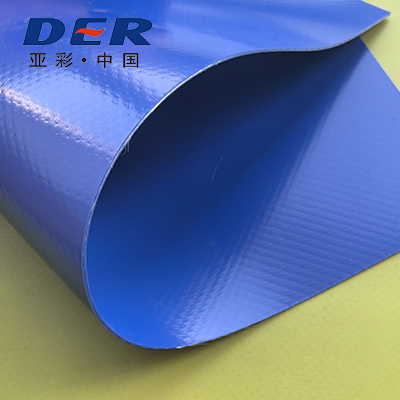
PVC coating or lamination affects waterproofing direction, weldability, surface feel, abrasion behavior and cleaning.
3. Seam Strategy
Hot-air welding, high-frequency welding, sewing or mixed construction should be matched to shape, waterproofing and production needs.
4. Perimeter Design
Double hems, rope-in-hem, webbing and reinforced corners help distribute loads away from a single weak edge.
5. Hardware Layout
Eyelet, D-ring, strap and buckle spacing should follow real tie-down points rather than a generic pattern when the application is known.
6. Identification
Color, print, SKU labels and packing marks help commercial teams deploy the correct cover to the correct vehicle, machine, zone or customer order.
Commercial Tarp Specifications DERFLEX Can Discuss
Use this table as a sourcing framework rather than a universal product promise. Final values depend on the selected construction, test method, application, order quantity and approved sample.
| Specification area | Typical direction | Commercial buying impact |
|---|---|---|
| Material | PVC coated polyester, PVC laminated polyester, PE/HDPE woven tarpaulin, mesh and selected specialty structures | Defines strength balance, handling, surface behavior, weldability and cost direction. |
| Finished weight | Approx. 350–1200gsm across available structures; common commercial grades can include 500, 610, 650, 680, 750, 900 and 1000gsm | Influences handling weight and coating volume but does not independently define durability. |
| Base fabric | Selected 500D, 840D, 1000D, 1100D or heavier constructions depending on application | Controls tensile behavior, tear propagation and dimensional stability. |
| Roll width | Approx. 1.02–5.10m depending on material and production route | Wider material can reduce seam count and conversion labor for large commercial covers. |
| Surface | Glossy, matte, embossed, lacquered or selected printable finishes | Can affect appearance, cleaning, friction, branding and fabrication. |
| Performance options | UV-stabilized, anti-mildew, cold-flexible, flame-retardant and other project-specific directions where available | Performance language should be tied to the required standard or agreed test method. |
| Fabrication | Hot-air weld, HF weld, sewn construction, shaped panels, pockets, sleeves and cut panels | Changes waterproofing, shape control, production efficiency and repair approach. |
| Reinforcement | Webbing, corner patches, double hems, rope hems, abrasion patches and custom wear zones | Important where repeated pulling, sharp edges or localized friction are expected. |
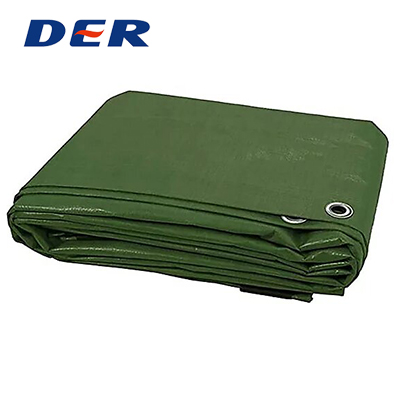
| Hardware | Eyelets/grommets, D-rings, straps, buckles and custom tie-down spacing | The attachment system should match load path, installation method and user routine. |
| Branding & packing | Logo printing, labels, SKU marking, individual bags, cartons, bales, pallets or container-oriented packing | Supports distribution, private label programs, deployment and repeat-order control. |
*Typical capability directions are based on current DERFLEX tarp and tarpaulin pages. Final dimensions, tolerances, strength, waterproofing, flame performance, UV performance, warranty and compliance documentation must be confirmed in quotation, technical data, sample approval and purchase documents.
Select the Duty Level by Exposure and Handling Frequency
“Heavy duty commercial tarps” is a useful search phrase, but it is not a complete technical specification. A practical selection considers how often the cover is handled, where it rubs, how it is tensioned, how long it stays outdoors and how difficult replacement would be.
Light Commercial
- Temporary project coverage
- Lower handling frequency
- Cost-sensitive protection
- PE or lighter laminated directions may fit
Standard Commercial
- Routine outdoor cover use
- Repeated installation/removal
- Warehouses and contractor supply
- Balanced PVC structures often preferred
Heavy Commercial
- Fleet, industrial and construction programs
- Higher tie-down or abrasion stress
- Reinforced perimeter requirements
- Heavier PVC coated polyester directions
Specialized
- Mesh for airflow or lower wind load
- Clear material for visibility
- FR / cold-flexible directions
- Project-specific testing requirements
Specify the Commercial Tarp from the Likely Failure Point Backward
The same fabric can perform very differently depending on tie-down spacing, corner reinforcement, seam placement and contact geometry. A useful custom tarp brief identifies the failure risk before it becomes a replacement problem.
Grommet Pull-Out
Review edge reinforcement, hardware spacing, load direction and whether webbing or rope-in-hem is appropriate.
Tear Propagation
Review the polyester reinforcement, fabric density, puncture source, sharp profiles and local patch zones.
Seam Opening or Leakage
Review weld width, seam location, panel layout, material compatibility and whether stitching creates water-entry points.
Abrasion & Surface Damage
Review contact points, dragging, fold lines, truck corners, machine geometry and protective wear strips.
Outdoor Aging
Review exposure duration, color, climate, UV formulation direction and realistic replacement planning.
Cold-Fold Cracking
Review the expected temperature, storage method, folding routine and whether a cold-flexible formulation is needed.
Commercial Tarps for Recurring Business Use
DERFLEX can support roll material, fabricated panels and finished covers for buyers who need a tarp to fit an operating process, asset group or resale program.
Fleet & Logistics
Truck cargo covers, trailer tarps, side curtains, flatbed protection, replacement programs and logistics branding.
Buyers: fleets, tarp shops, trailer builders, importersConstruction & Roofing
Material covers, temporary roof protection, scaffolding enclosure, equipment shielding and site weather barriers.
Buyers: contractors, restoration firms, project suppliersIndustrial Equipment
Machinery covers, shutdown protection, outdoor equipment covers, process-zone barriers and storage yard covers.
Buyers: plants, equipment makers, MRO suppliersWarehouse & Facility
Stock protection, dividers, splash containment, dust barriers, loading-area covers and repeat site-specific covers.
Buyers: facilities, logistics centers, warehouse suppliersAgriculture & Outdoor Storage
Hay, feed, machinery, seasonal storage and farm protection where weather exposure and tie-down planning matter.
Buyers: farm suppliers, distributors, agricultural operatorsWholesale & Private Label
Commercial tarp assortments, custom SKUs, bulk roll material, branded finished tarps and export-ready packing.
Buyers: distributors, hardware brands, OEM programsFrom Work Condition to Repeatable Supply
A specification-led process helps reduce quotation gaps, unsuitable samples and inconsistent repeat orders. The exact workflow can change by project, but the commercial logic remains the same.
Map the Job
Asset, environment, deployment frequency, cleaning, storage, tie-down and damage risks.
Define the Cover
Finished size, shape, drops, flaps, pockets, seam direction, attachment and tolerance.
Select Material
Structure, weight, base fabric, surface, color and any agreed performance direction.
Approve Details
Sample, welding, reinforcement, hardware, print, labels, packaging and product identification.
Control Reorders
Approved material code, size list, QC points and packing references for replenishment.

Why Commercial Buyers Work Directly with DERFLEX
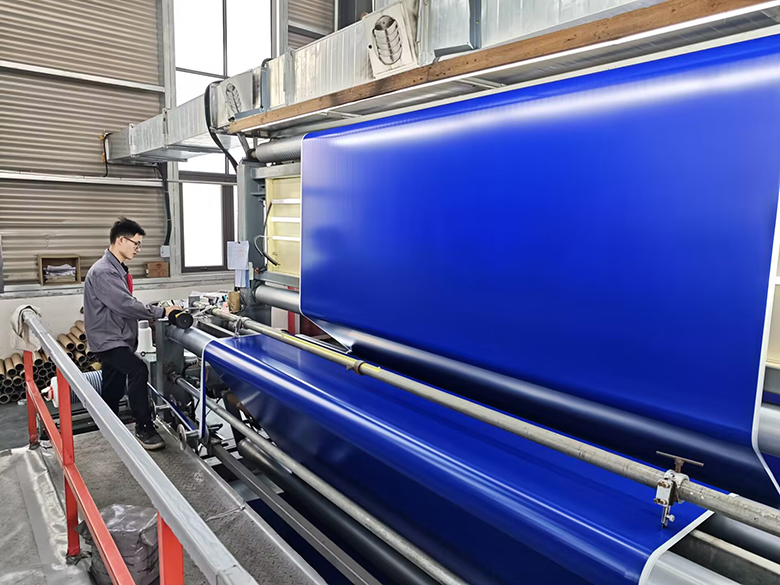
Retail tarp stores are useful when the requirement is a standard size and fast checkout. A manufacturer-led supply model becomes more relevant when buyers need material control, custom reinforcement, private label, bulk supply or a specification that can be repeated over time.
- Material-to-cover perspective: coated fabric, roll goods, panels and finished tarp fabrication can be discussed as one supply chain.
- Application matching: material and reinforcement can be reviewed against road use, construction handling, static exposure or resale requirements.
- OEM / private label support: custom color, logo, label, SKU marking, carton and export packing can be planned with the product.
- Inspection planning: dimensions, weight, color, welds, reinforcement, hardware and packing can be tied to approved purchase documents.
- International B2B coordination: sampling, order details, packing and shipment planning can be organized for repeat commercial programs.
Compare Cost per Deployment, Not Only Price per Tarp
The least expensive cover is not automatically the lowest-cost commercial choice. For fleets, facilities and distributors, a more useful comparison includes replacement frequency, labor, downtime, handling, repairability and the cost of damaged goods or equipment.
Simple commercial evaluation
A tarp that is easier to fit, less likely to pull out at the edge and easier to reorder may reduce operational cost even if the initial unit price is higher.
- Material cost: fabric, coating, hardware and fabrication
- Labor cost: fit, remove, fold, store and reinstall
- Failure cost: rework, emergency replacement and asset exposure
- Logistics cost: packed volume, weight and replenishment timing
- Consistency cost: wrong sizes, shade changes and SKU confusion
Built for Procurement Teams, Fabricators, Fleets and Distributors
Roll, Panel or Finished Tarp
Choose the supply stage that fits local conversion capability, labor cost, shipping plan and channel requirements.
Custom Hardware & Wear Zones
Reinforcement and attachment layout can be developed around the expected load path rather than treated as decoration.
Repeat-Order References
Approved material, size and packing details can help reduce assumptions when a commercial program is replenished.
OEM Branding
Color, logo, product code, label and packing can support distributors and brands building differentiated product lines.
Project Documentation
Data sheets, inspection points and requested third-party testing can be discussed according to the order and destination market.
Application-Based Recommendations
Truck, construction, warehouse, agriculture and machinery covers can use different structures even when all are called “commercial tarps.”
Continue from Commercial Tarps to a More Specific Buying Page
These six related pages narrow the material, duty level or application and create a useful internal-link path for buyers and search engines.
Commercial Tarps FAQ
What are commercial tarps?
Commercial tarps are protective covers used in business, industrial, construction, transport, agricultural, warehouse or distribution operations. Unlike a one-time household cover, a commercial tarp is often evaluated by repeat handling, attachment design, exposure, fit, reordering and total operating cost.
What material is commonly used for heavy duty commercial tarps?
PVC coated polyester is commonly selected for demanding commercial tarp applications because it combines woven reinforcement with a waterproof, cleanable and weldable surface. PE or laminated structures can suit lighter or temporary coverage, while mesh is useful when airflow or reduced wind load is needed. Final selection should match the actual operating environment.
Can DERFLEX make custom commercial tarp sizes and shapes?
Yes. Custom projects can include finished dimensions, shaped panels, drops, flaps, pockets, sleeves, reinforced hems, corner patches, webbing, eyelets, D-rings, straps and other details. A drawing, old sample or installation photo helps define irregular covers.
Can commercial tarps be supplied in bulk or with private-label packaging?
DERFLEX can discuss bulk commercial tarp programs for distributors, importers, fleets, contractors and OEM brands. Options can include roll goods, finished covers, custom colors, logo printing, labels, SKU marking, individual packing, cartons, pallets and export-oriented packing.
How do I choose the right GSM for a commercial tarp?
GSM should be selected together with base fabric, coating structure, size, tie-down method, wind, abrasion, folding frequency and expected service cycle. A higher GSM can add material mass, but good edge design and appropriate reinforcement are also important to field performance.
Are waterproof, UV-resistant or flame-retardant options available?
Waterproof PVC tarp constructions and selected UV-stabilized, cold-flexible, anti-mildew or flame-retardant directions can be discussed. Buyers should state the required market, test method or standard before production because these terms do not represent one universal performance level.
Send the Job Conditions—Not Just “Need a Heavy Duty Tarp”
For a more useful commercial tarp quotation, include the application, finished size or roll width, quantity, expected exposure, target material or GSM, tie-down method, reinforcement, hardware spacing, color, branding, packing and destination.
Product descriptions and specification ranges on this page are for general commercial selection. Final material, size, tolerance, physical performance, certifications, test reports, warranty terms and suitability must be confirmed in the quotation, approved sample, technical data and purchase agreement. Installation, tie-down, wind load, fire-safety and local compliance requirements should be verified for the specific use.