News
Industry News

TPU Film for Textile Lamination | Custom TPU Film Rolls – DERFLEX

Update:2026/10/11 19:36:02 Views:
TPU Film · Textile Converting · OEM Supply

TPU Film for Textile Lamination

Engineer the layer between performance and fabric. DERFLEX supplies thermoplastic polyurethane film directions for textile converters combining nylon, polyester, stretch fabrics and nonwovens into flexible composite materials. Specify a waterproof barrier, moisture-managing membrane or heat-bonding film around your end use, lamination line and test requirements.

Film grade, textile substrate and bonding route are confirmed together before bulk supply.

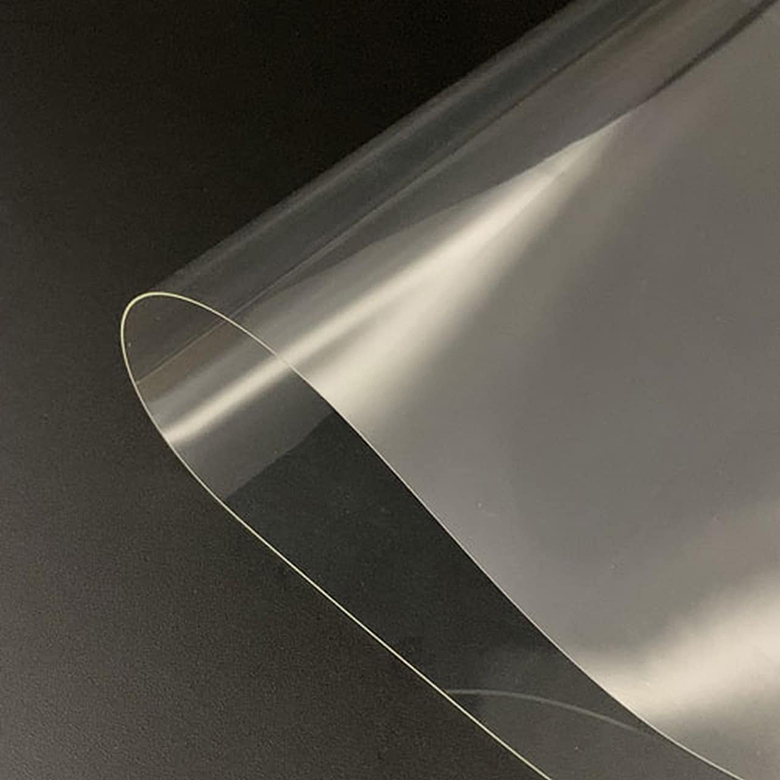
DERFLEX clear thermoplastic polyurethane film sheet for textile lamination and flexible film conversion
Actual DERFLEX Material ReferenceTPU FILM · ROLL MATERIAL
Film architectureOne polymer family.
Different functions.
Barrier / breathable / adhesive
Barrier & BreathableChoose film by the intended function
Nylon / PolyesterFabric compatibility trials
Roll-to-RollLamination line matching
OEM Film SupplyCustom gauge, finish & roll formats
The material, clearly defined

What is TPU film for textile lamination?

It is a flexible thermoplastic polyurethane film laminated to a textile surface or positioned between textile layers to add a specified function such as liquid-water resistance, moisture-vapor transfer, surface protection or bonding.

A film may be the functional membrane of a finished fabric, or it may be the adhesive that joins two layers. These are different procurement requirements. The textile contributes drape, tensile support and appearance; the TPU film contributes its selected barrier, elastic or adhesive behavior. The joining process determines how well they work together.

For buyers comparing the wider polymer family, DERFLEX's TPU materials overview explains the distinction between film, coated fabric and finished textile composite.

Function comes before film thickness

Three film routes. Three different purchasing decisions.

“TPU lamination film” is a broad purchasing term. A film selected for waterproof protection is not automatically a hot-melt adhesive, and a vapor-permeable membrane is not the same as a solid non-breathable barrier.

01 / PROTECT

Flexible barrier TPU film

Forms a continuous functional layer in waterproof textile laminates, protective covers, technical panels and selected weldable structures. Prioritize barrier integrity, film gauge, softness, abrasion behavior and attachment to fabric.

Buyer should specify
Hydrostatic target · softness · film integrity · seam plan
02 / MANAGE MOISTURE

Breathable TPU membrane

Uses a specially formulated hydrophilic membrane to combine liquid-water barrier performance with moisture-vapor transport. Best reviewed as part of a 2-layer or 3-layer textile system.

Buyer should specify
MVTR method · hydrostatic rating · adhesive coverage
03 / BOND

TPU hot-melt adhesive film

A heat-activated joining layer for textile-to-textile, textile-to-foam and selected apparel or footwear composites. Prioritize fabric wetting, peel retention, stretch, processing window and release-liner handling.

Buyer should specify
Substrate pair · heat press or line · peel and wash targets

For dedicated adhesive-film and seamless-garment development, see DERFLEX's TPU hot melt adhesive film for textile bonding. This page focuses on selecting and converting TPU film within complete textile laminate systems.

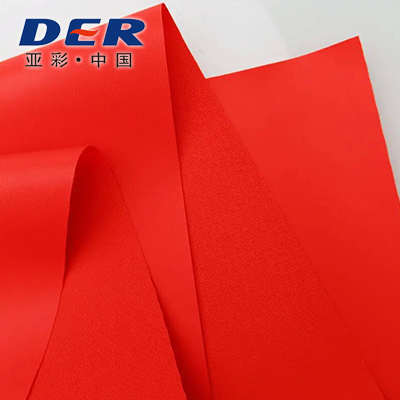
DERFLEX red TPU laminated technical fabric sample showing flexible welded-textile material
Design the complete composite

A successful laminate is more than a film plus a fabric.

Film chemistry, textile finish, interlayer adhesion, heat transfer, fabric tension and subsequent finishing all influence the result. Two laminates can use the same TPU chemistry and still behave differently in peel testing, washing and repeated flexing.

Specify the film inside its final layer structure, not as an isolated sheet with a generic thickness.

Purchasing specifications

TPU lamination film specification framework

A technical sourcing brief should describe the intended laminate. Entries below are project-selection options, not universal test results or a promise that every grade shares the same specifications.

SpecificationAvailable direction for discussionWhat converters should confirm
Film roleFlexible barrier, hydrophilic breathable membrane or TPU heat-activated adhesive filmSpecify the function, not only “TPU film”
Polymer directionPolyether or polyester TPU; grade selected for end-use environment and processingHumidity, hydrolysis exposure, bond chemistry and mechanical demands
Film gaugeCustom thickness according to grade and laminate requirements. DERFLEX's separate clear TPU film range is published as 0.02–1.0 mm; this is not a universal range for every laminating membrane or adhesive film.Target gauge and tolerance, softness, barrier and line handling
Width & roll formatProject-specific roll width, slit format, core, roll length and wrappingUsable coating width, trim allowance, tension and roll diameter
Film appearanceClear, translucent, tinted, matte, glossy or custom finish subject to gradeShow-through, surface blocking, color and appearance requirements
Textile substratesNylon, polyester, woven, knit, stretch textile, tricot and nonwoven subject to testingDWR finish, fiber chemistry, coating, weave and stretch direction
Bonding routeAdhesive lamination, heat bonding or suitable thermal lamination process by structureContact temperature, nip pressure, dwell / line speed and cooling
Performance approvalPeel strength, hydrostatic resistance, MVTR if relevant, wash/flex aging, dimensional stabilityRequired standard, units, conditioning and pass/fail thresholds
OEM orderingCustom material direction, sample trials, approved reference, export roll packingForecast quantity, delivery destination and compliance requests

Technical note: film activation conditions and MOQ depend on actual grade, line configuration and order plan. They should be supplied as confirmed project data, not copied from unrelated TPU film specifications.

Application → film selection

Which TPU film should your textile project use?

Use this selection matrix to narrow the starting film family. The final recommendation follows laminate trials and application-specific validation.

Textile applicationFirst film direction to evaluateCritical acceptance criteria
Rainwear & outdoor shellsBreathable
Hydrophilic TPU membrane combined with face textile and optional backer
MVTR, hydrostatic resistance, flex/peel durability, comfort after lamination
Dry bags & waterproof fabric panelsBarrier
Continuous flexible TPU barrier laminated to nylon or polyester
Water resistance, weld/seam route, fabric tear performance, hydrolysis
Seamless apparel & elastic componentsBonding
TPU hot-melt adhesive film matched to garment fabrics
Peel after washing, stretch recovery, hand feel, edge appearance
Footwear uppers & textile/foam panelsBonding / composite
Flexible bonding grade selected by mesh, foam and covering fabric
Adhesion after flexing, surface wetting, yellowing and thermal stability
Medical or hygiene textile componentsApplication specific
Soft barrier or hydrophilic film for qualified product structures
Moisture / barrier targets plus final product regulatory validation

For moisture-vapor-transmitting projects, see DERFLEX's breathable TPU film for waterproof textiles. Claims about breathability or waterproofness must be based on the actual film-and-fabric construction and test method.

Build the fabric around its end use

2-layer, 3-layer and custom textile laminates

The textile structure dictates flexibility, strength, thickness, manufacturing behavior and comfort.

A 2-layer structure joins a face fabric to a functional TPU membrane. A 3-layer structure adds an inner backing to help protect or stabilize the membrane. Technical equipment materials may use reinforcement and other structures to prioritize waterproof or airtight performance.

  • 01Face textile: defines appearance, stretch, abrasion feel and drape.
  • 02Adhesive interface: may be discontinuous or continuous depending on required bonding and breathable performance.
  • 03Functional TPU layer: contributes selected barrier, vapor movement or sealing direction.
  • 04Backing layer: influences surface comfort, handling and membrane protection.

If you need pre-laminated roll goods rather than standalone film, review DERFLEX TPU laminated fabric for reinforced composite supply.

Converter's operating sequence

How to laminate TPU film to fabric

A stable lamination line must bring compatible materials together while controlling heat, pressure, dwell time, web handling and cooling. These are validation steps, not a universal machine recipe.

STAGE 01

Confirm the stack

Identify face fabric, film chemistry, adhesive system if required, and backing layer.

STAGE 02

Prepare the surface

Check textile finish, moisture, contamination, web flatness and surface compatibility.

STAGE 03

Set trial conditions

Establish trial contact temperature, nip pressure, speed, dwell and tension for the selected grade.

STAGE 04

Cool & stabilize

Control cooling and winding before peel measurement or slitting to limit blocking and distortion.

STAGE 05

Validate the laminate

Measure bond retention, flex/wash aging and application-specific barrier performance.

Important: TPU hot-melt adhesive film and barrier TPU film can require different bonding systems. Do not assume a barrier membrane will permanently bond to every textile by direct heat alone. Test coated, DWR-treated and low-surface-energy fabrics with the real production stack.
End-use fit

Where TPU laminated textile films are used

The same film family serves multiple industries, but only after the required layer architecture and production route are selected for each product.

01

Outdoor clothing & sportswear

Soft laminated membranes for rain jackets, cycling shells and technical apparel. Balance hydrostatic performance, vapor transmission, fabric drape, noise and seam construction.

02

Footwear & flexible accessories

Heat-bonding layers for mesh, textile, synthetic leather and foam composites where flexibility, peel after repeated bending and tidy laminated edges are important.

03

Outdoor bags & protective products

TPU barrier film combined with textile reinforcement for water-resistant panels, packs and technical protection. Validate seam or welded-joint performance in the finished article.

04

Home, care & specialty textiles

Functional film layers for protective covers and comfort-sensitive applications. The intended market determines moisture-management, cleaning and product-level compliance requirements.

When you need a complete moisture-managed composite textile, the TPU breathable fabric page discusses membrane, face textile and backing as an integrated supply direction.

Testing is a design input

Qualify the finished composite, not only the film.

A successful incoming film test does not necessarily predict laminate performance after pressing, washing, flexing, storage or sewing.

Agree on test methods and units before the first trial. Compare values only when construction, conditioning, cycle count and measurement methods match. For technical or regulated uses, qualification of the finished product remains the OEM's responsibility.

Practical approval sequence

Film sample → pilot laminate → conversion trial → initial performance → aged performance → approved reference sample → controlled bulk supply.

,
01
Peel / interlayer adhesion

Dry and aged peel results; note failure mode (film, fabric or interface).

02
Barrier performance

Hydrostatic pressure or leakage assessment on the final textile, including seams if applicable.

03
Water-vapor transmission

Use the agreed MVTR method for breathable membrane constructions; adhesive coverage affects the result.

04
Flex, wash & hydrolysis exposure

Retest peel and appearance after relevant folding, laundering, humid aging and cleaning conditions.

05
Roll consistency & handling

Gauge stability, wrinkles, blocking, surface defects, width, edge quality and winding tension.

Engineering troubleshooting

Six common lamination problems — and where to look first

These checks help converters identify likely causes during sampling without assuming that every defect originates in the TPU film.

ISSUE / 01

Weak peel strength

Film/adhesive mismatch, DWR-treated fabric, insufficient wetting, pressure or dwell.

CHECK → Substrate finish + activation + failure interface
ISSUE / 02

Bubbles or blisters

Entrapped moisture or air, uneven contact, unstable heat transfer or textile surface contamination.

CHECK → Moisture + nip contact + web preparation
ISSUE / 03

Hard or noisy hand feel

Excess film/adhesive add-on, incompatible substrate or too rigid a complete layer design.

CHECK → Film gauge + adhesive coverage + backer
ISSUE / 04

Loss of breathability

A non-breathable grade, continuous adhesive blocking or added backer can limit moisture transfer.

CHECK → Membrane route + final laminate MVTR
ISSUE / 05

Curling or wrinkles

Mismatched shrinkage, web tension, thermal history and uneven cooling across materials.

CHECK → Tension balance + width + cooling
ISSUE / 06

Peel after washing / aging

A strong initial bond can lose performance under detergent, heat, hydrolysis or repeated flex.

CHECK → Aged peel criteria, not only initial tack
OEM & converting support

Turn film selection into a repeatable production specification.

DERFLEX supports material development discussions across TPU film and textile composites. For converters and private-label manufacturing programs, the useful deliverable is an agreed construction, trial result and roll specification that can be repeated—not an unverified claim about a generic TPU grade.

  • Film role and chemistry selection
  • Gauge, surface and usable-width review
  • Compatibility and lamination route discussion
  • Sample and finished-laminate validation plan
  • Roll format, packing and export coordination
Frequently asked questions

TPU textile film questions, answered.

Direct guidance for purchasing managers, textile laminators and product engineers comparing TPU film routes.

Is TPU lamination film the same as TPU hot melt adhesive film?

No. “TPU lamination film” can refer to a functional TPU barrier or breathable membrane that becomes part of a textile composite. TPU hot melt adhesive film is specifically a heat-activated bonding layer. A functional membrane may require a separate compatible adhesive and controlled lamination process.

Can TPU film be laminated to nylon and polyester fabric?

Selected TPU films can be laminated to nylon and polyester, but compatibility depends on fabric construction, coatings, DWR finish, TPU chemistry and the chosen adhesive or heat-bonding process. Use the actual customer fabric in adhesion and aging trials before bulk production.

What temperature should be used for TPU hot-melt film textile lamination?

There is no universal temperature. Film formulation, substrate, equipment, contact pressure, heat transfer, speed and dwell time determine the working window. Start with the selected supplier-grade instructions and validate peel, hand feel and aged performance on your own equipment.

Does a TPU film make laminated fabric waterproof?

A continuous, suitable TPU barrier film can support water resistance, but finished performance also depends on pinholes, bond continuity, sewing, edges and sealed seams. Specify a hydrostatic or leak-test requirement and evaluate the actual laminated construction.

What is the difference between polyether and polyester TPU film?

Polyether TPU is often evaluated for humid service and hydrolysis resistance, while polyester TPU can be suitable for other mechanical and processing priorities. The actual formulation matters more than the family name alone. Compare grades under the intended exposure and test conditions.

Does thicker TPU film always produce a better laminate?

No. A thicker film may change barrier strength or handling but can increase stiffness, weight and cost, and may alter lamination or breathability. Film thickness should be selected together with textile reinforcement, adhesion and the finished product's performance targets.

How do buyers prevent delamination after washing or flexing?

Match the bonding chemistry to the real fabric surface, control heat, pressure and cooling, and specify peel acceptance after the relevant wash, flex and aging cycles. An approved initial bond is not enough if the product will be repeatedly cleaned or bent.

Can DERFLEX supply custom TPU film rolls for textile lamination?

DERFLEX discusses project-matched film chemistry, gauge, width, finish, roll format and suitable textile-composite directions. Send the substrate details, process route, final test requirements, quantity and delivery destination so feasibility and sample options can be confirmed.

A practical starting point

Share your fabric, film function and lamination process.

DERFLEX can review material direction, roll specifications and test priorities before discussing a project quotation or sampling route.

Request A Quote ↗
DERFLEX   /   TPU Films & Engineered Flexible MaterialsProduct information and indicative engineering directions; final values require project confirmation. www.derflex.com
Consulting Services
+86-021-54361792 / 54361798
Email
sales@derflex.com