News
Company News

How to Prevent Condensation Under Tarps | Ventilation Design Guide | DERFLEX

Update:2026/10/11 19:33:30 Views:
DERFLEXIndustrial coated materials / technical resourcesRequest a quote ↗
Technical guide · Cover-system design

How to Prevent Condensation Under Tarps

Rainproof does not mean moisture-free. Learn how tarp ventilation, protected openings, load clearance and drainage work together to keep humid air from becoming water droplets beneath a cover.

For outdoor equipment, industrial storage, construction covers, and custom PVC tarp programs.

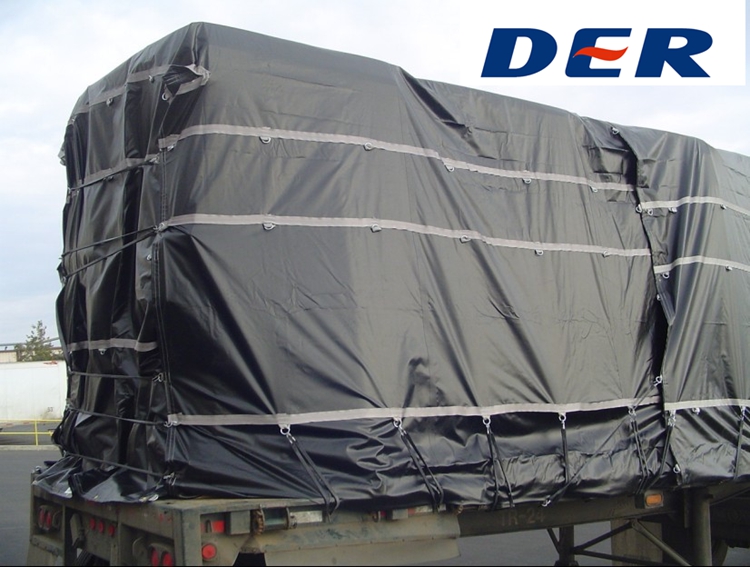
Heavy-duty DERFLEX PVC tarpaulin secured over a truck load with reinforced attachment lines
Protect from rain.
Design for airflow.
One cover. Two separate engineering requirements.
Direct answer

What is the fastest way to reduce condensation under a tarp?

Start with a dry load and a dry support surface. Keep the tarp off the contents, provide a continuous but rain-protected route for air to enter and escape, and shape the cover so water drains away. For long-duration storage, confirm whether outside air will actually dry the enclosure; very humid outside air can make open ventilation less effective. A waterproof PVC tarp alone cannot remove moisture already trapped beneath it.

The physics, made practical

Why does the underside of a waterproof tarp become wet?

Water vapor becomes liquid water when a surface cools to or below the dew point of the air next to it. Under a tightly fitted cover, damp cargo and wet ground can supply vapor throughout the day; night cooling creates droplets on the tarp skin.

  1. 01
    Moisture enters the covered spaceFrom damp pallets, soil, freshly washed equipment, uncured construction materials or ambient humidity.
  2. 02
    Air stagnates against a low-permeability sheetWaterproof PVC is selected to block liquid rain; it is not a built-in exhaust for water vapor.
  3. 03
    The cover skin coolsNight sky exposure, rain or cold weather can bring the inner surface to the local dew-point condition.
  4. 04
    Droplets form and may drip onto the loadVentilation helps only when it exchanges moist enclosed air with air capable of reducing the moisture burden.
Cross-section of a covered machine showing how condensation forms and how protected ventilation worksSloped tarp above machinery, rain shed outward, moisture rising from floor, low protected inlet on left, and high hooded outlet on right.COLD TARP SKINSHIELDED OUTLETLOW INLETEQUIPMENTIllustrative concept · Not a vent-size or wind-load drawing
Diagram: the cover needs a pitched water barrier, an intentional air gap and weather-shielded ventilation paths. Arrow directions illustrate one possible natural-airflow pattern, not guaranteed flow in all wind or climate conditions.
A layout is more than a hole

Three tarp ventilation layouts — and when to use each

The useful question is not simply “Should I cut vents?” It is where fresh air can enter, how damp air can leave, and whether those paths remain safe when rain and wind change direction. These are design concepts to review for the actual cover, not universal dimensioned templates.

CONCEPT / 01

Protected perimeter gap

For stationary equipment under a pitched, anchored cover, position the lower edge above the storage surface where rain splash and wind allow. Keep the gap continuous enough to avoid isolated pockets and protected by the cover's downward side drop.

Best starting point: accessible, non-sensitive stationary assets.
CONCEPT / 02

Low inlet + high hooded vent

Use a low, sheltered entry path with an upper exhaust protected by a downward-facing hood or overlap. The layout may encourage upward natural circulation when temperature and wind conditions support it; verify actual airflow rather than assuming it.

Best starting point: fitted machinery and taller storage enclosures.
CONCEPT / 03

Opposing sheltered side vents

Vent positions on separated elevations can take advantage of crossflow. Include rain baffles, reinforcement and a means to protect or close openings when weather or dust exposure demands it. Wind shifts may reverse the flow.

Best starting point: broad low-profile stationary covers with cross-vent potential.
Safety and product limitation: Do not add exposed openings to truck or trailer covers without checking applicable transport, cargo, weather and securement requirements. For flammable vapors, enclosed working spaces, heated equipment or hazardous goods, use the appropriate engineered ventilation and safety controls; an improvised vented tarp is not a substitute.
Application-based guidance

Which ventilation strategy fits your cover?

Vent design depends on what creates moisture, how much rain can reach an opening, and whether the underlying product tolerates outdoor air. Use this table to organize an RFQ before choosing a tarp material or fabrication style.

Storage situationMain moisture exposureSuggested design directionCritical buyer check
Stationary metal machineryCooling surfaces, washdown water, wet slabDry/cool the machine before covering; use standoff space and weather-protected air exchange.Corrosion risk, hot surfaces, access clearances, covered vent position.
Palletized goods outdoorsMoist pallets, ground vapor, trapped wrappingRaise off wet ground; provide side clearance and a runoff crown or sloped top.Water tolerance of packaging; no direct rain path onto cartons.
Construction materialsWet timber, fresh processes, cool nightsA framed, pitched cover with controlled side airflow; do not seal unfinished moisture-emitting work.Whether the jobsite needs temporary weather protection, dust control or special fire performance.
Long-term steel inventoryDew-point cycling and long residence timeUse monitored humidity, material separation and protected vents; consider controlled storage when corrosion cost is high.Acceptable humidity, chloride exposure, inspection frequency.
Agricultural storageInternal product moisture, soil, biological heatingAssess commodity-specific moisture and ventilation requirements before selecting breathable or waterproof cover.Mold/quality risk; product-specific storage and agricultural guidance.
Truck and trailer cargoCargo moisture, rain and temperature shiftsPrioritize dry cargo, proper fitted tarpaulin and compatible transport procedure; only use validated vent details.Roadworthiness, cargo restraint and wind-driven rain protection.

For the general prevention sequence, read DERFLEX's heavy-duty tarp condensation guide. For a broader cover-use perspective, see DERFLEX's outdoor storage tarps and fitting guidance, which considers drainage, weather exposure and material handling together.

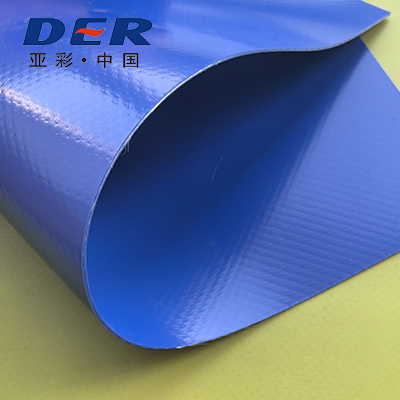
Blue PVC coated polyester tarpaulin showing flexible waterproof coating and fabric structure
Real DERFLEX PVC coated fabric. Waterproof coating can protect against rain, but moisture management must be engineered into the completed cover.
Material choice without false promises

Can a waterproof PVC tarp also be a ventilated cover?

Yes. A PVC coated polyester cover can be fabricated as a water-shedding enclosure with protected vents, clearance and reinforced attachment points. The material barrier and the ventilation features perform different jobs.

For reusable outdoor covers, PVC coated polyester offers a flexible, weldable fabric platform. Performance still depends on the selected grade, finished seams, vent junctions, fixing pattern and the installed shape. Look at DERFLEX's PVC tarpaulin material and OEM fabric options when discussing base cloth, coating, color and width.

Specify the outer skinPVC coating or lamination, approved fabric weight, color, weather exposure and fabrication compatibility.
Specify the airflow pathLocation, sheltered intake/exhaust, removable closure if needed, and obstructions from the load.
Specify the joining detailsWeld layout, reinforced vent interfaces, edge hems, attachments and water-shedding direction.
Specify how it is usedCover-on time, daily climate, cleaning/drying process, installation and inspection access.

For water-ingress diagnosis, DERFLEX also explains how PVC tarp waterproofing differs from finished-cover leak protection.

A buyer's trade-off table

Waterproof, breathable, mesh or insulated?

No fabric category automatically prevents condensation. Compare rain exclusion, vapor release, fabrication and field maintenance in the same decision.

Cover directionMoisture strategyPractical advantageLimitation to review
PVC coated polyester + shielded ventsWaterproof main skin; vapor exchange through deliberately protected openingsWater-shedding, reinforcement and weldable custom-cover optionsVent interfaces and closure need careful rain/wind assessment
PE waterproof tarp + safe air gapBudget rain barrier with separate ventilation allowanceUseful for temporary or low-frequency coversLimited duration, fixing design and tear/UV grade can govern failure
Breathable treated textileSome vapor transfer through the textile itselfCan suit selected low-water-exposure use casesWaterproofing, absorption, drying and maintenance vary by treatment
Mesh fabricOpen air exchange across the sheetVentilation, shade and lower wind obstruction in suitable designsNot a complete rain barrier for sensitive stored goods
Insulated or double-layer cover systemModerates surface temperature changes when engineered for that functionUseful where thermal cycling is a dominant factorAdded complexity; does not replace moisture control or verification
Engineering note: Avoid treating GSM, mil thickness, “anti-mildew” finish or a waterproof claim as a numerical condensation-control rating. A vented enclosure requires a separate design and inspection plan.
On-site commissioning

Five checks before blaming the tarp fabric

A consistent field log is more useful than changing material blindly. Check the same covered asset after overnight cooling, after rain and during a warm afternoon to identify what is adding water.

01

Map the wet pattern

Uniform morning droplets suggest condensation; a localized drip near a seam may be rain ingress. Examine both.

02

Inspect the source

Look for damp soil, pallets, freshly washed surfaces, exposed process moisture or an uncovered gap.

03

Read the air

Log humidity and air temperature inside and outside. Compare dew point with the coldest relevant cover or load surface.

04

Check the path

Make sure inlets and outlets are not blocked by fabric folds or stacked goods; inspect for wind-driven rain.

05

Recheck after weather

Adjust one design variable at a time, then compare repeat measurements before committing to production.

Important distinction: Outside ventilation is not always dehumidification. If ambient air carries more moisture than the air inside, opening the cover can increase the moisture load. Sensitive metal, electronics and packaged goods may require controlled storage, appropriate desiccant or active dehumidification rather than passive vents alone.
Failure investigation

Condensation, leaks and ground moisture look similar — but the remedies differ

Droplets distributed across the inner tarp surface

Likely cause: condensation from humid enclosure air contacting a cold sheet.
First move: reduce the enclosed moisture source; improve verified airflow or temperature control.

One wet spot directly under a seam or fixing

Likely cause: rain ingress, coating damage or an unsealed penetration.
First move: inspect and repair seam/hardware details before increasing ventilation.

Moisture concentrated beneath pallets

Likely cause: wet floor contact or evaporating ground moisture.
First move: elevate the goods and evaluate the ground/floor moisture barrier and drainage.

Water appearing after a heavy shower

Likely cause: rain entering a vent opening or pooling in a low tarp pocket.
First move: check hooded openings, lap orientation, slope and tiedown stability.

If the cover must wrap complex equipment, compare DERFLEX's heavy machinery cover design considerations for abrasion clearance, water run-off and access.

Fabrication-ready questions

How to specify a custom tarp ventilation system

Share a cover drawing and the moisture-control problem together. The vent aperture alone is not a complete manufacturing specification; each opening interacts with the tarp's load path, panel joins and exposure.

Design fieldWhat the buyer should submitWhy it matters
Use & operating cycleEquipment/storage type; covered hours; stationary or moving; climate and exposureDetermines whether passive venting is compatible with the job.
Cover envelopeLength, width, height, side drops, clearances and raised supportsAvoids stagnant contact pockets and incorrect finished dimensions.
Moisture conditionWet ground? Hot equipment? Damp goods? Humidity log if availableTargets the actual vapor source instead of relying on fabric alone.
Vent location & protectionSketch of desired low/high or opposing vents, rain shields and closure requirementProtects airflow without forming a direct water-entry path.
Coated fabricPVC/PE direction, nominal GSM if known, finish, UV/cold expectations, approved sampleConnects performance and manufacturing to the selected grade.
Seams & attachmentsWeld location, reinforcements, hems, grommets, D-rings, straps and wear padsTransfers tension away from openings and controls weather-facing joints.
Commercial programQuantity, country/port, branding, packing, samples, required evidenceEnables a comparable factory quotation and approval plan.

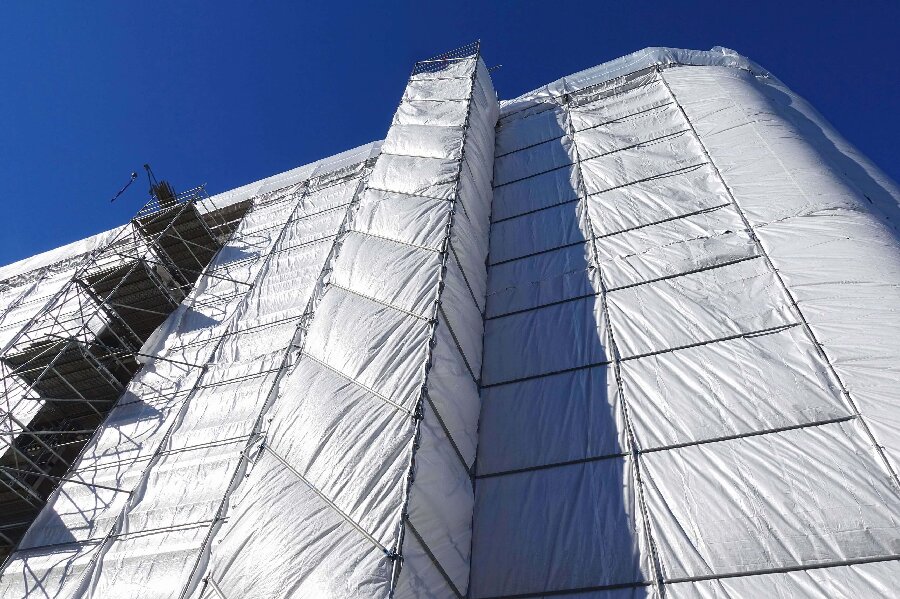
Large construction enclosures need separate assessment of support loads and installation method. See DERFLEX construction weather protection applications for project-level context.

DERFLEX original site photography

Material and field application views

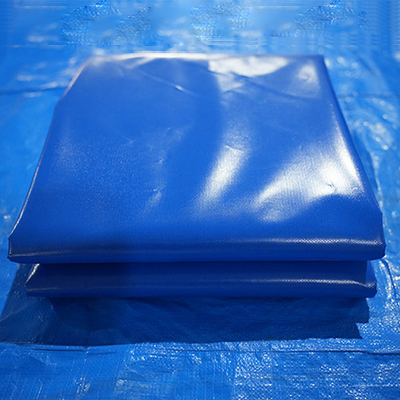
Real tarpaulin imagery helps show the difference between coated sheet material, a finished tarp and a framed enclosure. Photographs illustrate construction and use; they do not demonstrate a tested condensation-reduction rate.

Material + cover engineering

Discuss a cover system, not just a roll of fabric.

DERFLEX supplies PVC coated polyester tarpaulin material and supports custom industrial cover requirements. For importers, distributors, OEM converters and project buyers, the useful specification is a combination of material structure, finished geometry, seams, edge reinforcement and environmental duty.

Approved samples, drawing review and suitable inspection criteria should establish the final production scope. Vent apertures, airflow performance, specific compliance needs, quantity and delivery timing are confirmed against the actual project rather than assumed from a generic “vented tarp” label.

Ask DERFLEX to Review Your Cover ↗
Recommended specification package
  • Drawing or photographs showing covered geometry and low points
  • Stored asset, moisture source and required dryness
  • Outdoor climate, wind/rain direction and duration
  • Desired ventilated or enclosed configuration
  • Material, size, reinforcement and attachment preferences
  • Quantity, destination and target order schedule
WaterproofCoated material options
WeldableSelected compatible PVC grades
Custom-fitProject-sized cover design
OEM / BulkFactory sourcing discussion
Frequently asked questions

Condensation under tarps: practical answers

Short answers to the questions that matter when designing, maintaining or buying a weather cover.

Why is my tarp wet underneath even when it does not leak?

The most likely explanation is condensation: moisture already under the cover reaches a cold inner tarp surface and forms droplets. Broad, evenly scattered droplets after a cool night are a common clue. Local wetting at a seam or grommet suggests rain ingress should also be checked.

Should a tarp have ventilation holes to prevent condensation?

Protected vents can help when fresh air can remove moisture, but exposed holes may admit rain and weaken a finished tarp. Review air entry, exhaust, hood or overlap, reinforcement and wind direction together. Transport covers may need a different solution from stationary covers.

Does leaving a gap at the bottom of a tarp help?

Often, a small, deliberately protected clearance can support airflow and reduce direct contact with wet surfaces. It should not expose the contents to rain splash, insects, wind uplift or unauthorized access. The correct gap is application-specific; there is no universal safe dimension.

Can ventilation make condensation worse?

Yes. When incoming outdoor air has a higher moisture content than enclosed air, ventilation can increase humidity and wetting risk. Compare inside and outside humidity/dew point under real conditions; highly sensitive assets may need enclosed humidity control.

Is a breathable canvas tarp better than PVC for condensation?

Not automatically. Some textile constructions release vapor more readily, but their rain resistance and drying characteristics vary. PVC coated polyester is often preferred for welded waterproof industrial covers; moisture control can be added with protected vents and cover geometry. Select by exposure, not by breathability alone.

What should I do if condensation is causing rust on machinery?

Dry and cool machinery before covering, separate it from wet ground, check surface temperature and moisture patterns, and use a weather-protected air gap where appropriate. For corrosion-sensitive equipment, monitor enclosure humidity and consider controlled storage or dehumidification rather than relying on passive ventilation.

Can DERFLEX supply a custom vented industrial tarp?

DERFLEX supplies industrial PVC tarpaulin material and supports custom cover specifications. Share a dimensioned drawing, exposure conditions, proposed ventilation arrangement, reinforcement requirements, quantity and destination so feasibility, samples and quotation can be reviewed for the project.

Ready for specification review?

Build a drier, better-fitting tarp system.

Tell DERFLEX what you are covering, where moisture is appearing and how long the cover stays installed. We can discuss material rolls or custom finished-tarp requirements around your actual operating conditions.

Request A Quote

No inactive on-page form. This button opens DERFLEX's existing quotation page. Include application, dimensions, material, vent layout, quantity and destination.

Technical reference: U.S. National Weather Service — Dew Point (physical principle). Guidance is general and not a substitute for site-specific structural, transport or hazardous-environment engineering. Photos are DERFLEX website assets.

Consulting Services
+86-021-54361792 / 54361798
Email
sales@derflex.com