



Construction Tarp Guide for Contractors and Builders
Choose jobsite tarps by the way they will be used: material storage, scaffolding, temporary roofing, equipment protection, ground coverage, debris control and emergency weather response.
DERFLEX supports contractors, builders, distributors and OEM buyers with PVC coated polyester tarps, PE woven tarpaulins and custom construction tarp programs. This guide helps turn a jobsite problem into a practical material specification, so your team can quote, order and install with fewer surprises.
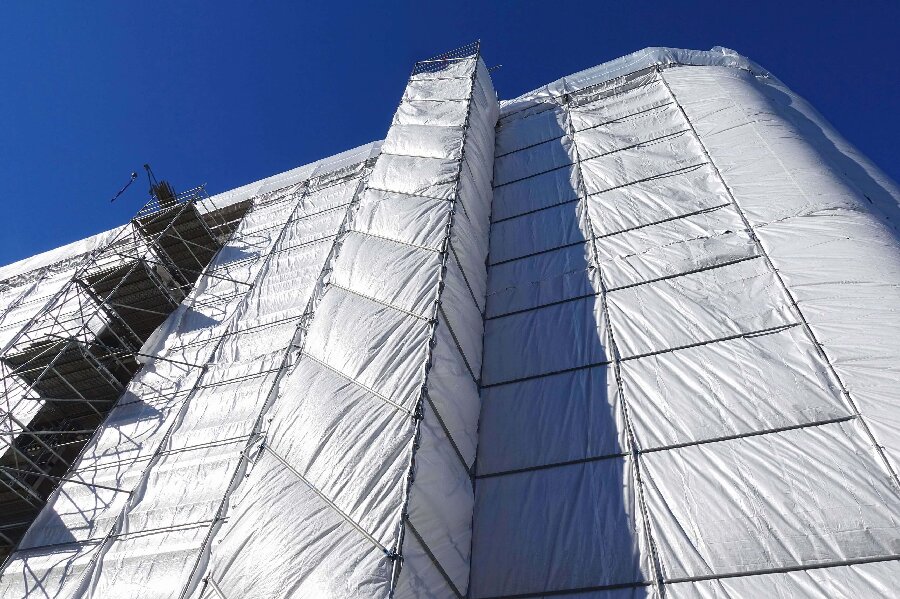
Product Image: Construction Scaffolding Tarp
Heavy duty tarpaulin installed on building scaffolding for facade protection, dust reduction, debris control and weather shielding during construction projects.
A Construction Tarp Is Not Just a Cover — It Is a Site Protection Tool
Builders usually compare tarps by price, thickness or size first. Professional contractors should also consider installation stress, exposure time, edge reinforcement, waterproofing method, site safety and replacement frequency.
Keep projects moving during rain, wind and sun exposure
Use waterproof or water-resistant tarps to protect timber, drywall, insulation, cement bags, tools and unfinished structures. Add slope or drainage allowance so rainwater does not pool.
Match the fabric to abrasion and handling frequency
Daily-use sites need stronger base fabric, reinforced hems and reliable fixing points. Lightweight tarps may work for short-term coverage but can wear faster under rough handling.
Design the tarp around fixing points and wind load
Correct grommet spacing, webbing, D-rings, welded seams and corner patches help distribute tension and reduce premature tearing at the edges.
How Contractors Should Choose a Construction Tarp
A practical tarp specification begins with the jobsite environment. Before asking for a quote, define how the tarp will be installed, how long it will remain outdoors and what it must protect.
- Application: scaffolding enclosure, temporary roof, material stack, equipment cover, ground sheet or debris control.
- Exposure: short-term rain cover, seasonal work, long-term outdoor storage or repeated rental use.
- Stress level: wind, abrasion, sharp edges, vertical fixing, roof slope, traffic and handling frequency.
- Compliance needs: optional flame-retardant formulation, warning color, printed safety message or project labeling.
- Supply model: finished tarp, roll material, cut panels, private label packaging or OEM repeat program.
Start with the jobsite risk
Rain exposure, wind pressure, dust control, falling debris, rough surfaces and UV duration should determine the tarp structure before price comparison.
Choose PVC or PE by service life
PVC coated polyester is preferred for heavy-duty and repeated use. PE woven tarpaulin is often used for lighter or temporary coverage where cost control matters.
Specify reinforcement, not only thickness
Reinforced hems, welded seams, webbing, rope edges, D-rings and corner patches often decide whether a tarp performs well under jobsite tension.
Confirm size, overlap and packaging
Contractors should confirm finished size, seam overlap, panel layout, color, labels, folding method and pallet packaging before bulk ordering.
Where Builders Use Heavy Duty Construction Tarps
Construction projects rarely need one tarp for one purpose. A well-planned tarp program can cover multiple zones across the same jobsite.
Scaffolding & Enclosures
Use reinforced tarps as scaffold sheeting, dust screens, debris barriers and temporary weather panels around buildings.
Temporary Roof Protection
Protect exposed roof areas during repairs, storm response, framing stages, renovations and unfinished waterproofing work.
Material Stack Covers
Cover timber, steel, pallets, insulation, cement bags, drywall and outdoor inventory from rain, UV and construction dust.
Equipment & Machinery Covers
Shield machines, tools, rental equipment, generators and site vehicles during outdoor storage or off-hour exposure.
Ground & Soil Protection
Use tarps as ground sheets, soil covers, temporary clean areas and moisture-control layers for site preparation.
Debris & Dust Control
Contain loose debris, sand, gravel, demolition dust and work-area contamination with properly fixed tarpaulin barriers.
Dump Truck & Trailer Covers
Use vinyl or mesh tarp structures for hauling aggregates, demolition debris, soil, asphalt and equipment between sites.
Storm & Repair Response
Deploy fast protection after weather damage, roof leaks, flooding risk or temporary site exposure before permanent repairs.
Construction Tarp Material Comparison for B2B Buyers
The most economical tarp is not always the lowest unit price. Contractors should evaluate how long the tarp must last and how often it will be handled, fixed, dragged, stored and reused.
| Material Type | Recommended Jobsite Use | Key Advantages | Buyer Notes |
|---|---|---|---|
| PVC Coated Polyester Tarp | Scaffolding, temporary roofing, industrial storage, equipment covers, repeated-use projects | Waterproof options, strong tear resistance, weldable seams, UV-stabilized surface, custom hardware | Recommended when service life, fixing strength and outdoor durability matter more than lowest initial cost. |
| PE Woven Tarpaulin | Short-term material covers, temporary rain cover, general jobsite protection and cost-sensitive projects | Lightweight, flexible, economical, easy to handle and suitable for large-area coverage | Better for temporary coverage; not ideal for long-term harsh UV, rough abrasion or repeated fastening stress. |
| Heavy Duty Mesh Tarp | Debris containment, dump truck loads, wind-exposed zones and partial shade applications | Airflow, reduced wind resistance, drainage and easier handling compared with solid covers | Choose when breathability and wind reduction are more important than full waterproof protection. |
| Flame-Retardant Option | Scaffolding, public-facing sites, temporary enclosures and regulated project environments | Developed to support higher safety requirements when the project specification requires it | Confirm the required standard, test method and documentation before production. |
| Custom Printed Tarp | Rental fleets, contractor branding, project identification, safety messaging and distributor programs | Logo printing, warning text, color coding, labels and packaging support | Printing method depends on material surface, order quantity and expected outdoor use. |
What to Include in a Construction Tarp Specification
A clear specification reduces rework, speeds quotation and helps DERFLEX recommend a practical material structure for your project.
Material & Weight
Define PVC coated polyester, PE woven tarpaulin or mesh; include GSM target, thickness preference and expected service life.
Finished Size
Provide length, width, overlap, shrinkage allowance, panel layout and whether the tarp needs custom shapes or cut-outs.
Waterproof Method
Confirm whether the job requires welded seams, coated surfaces, reinforced seams and sloped installation for water runoff.
Edge Reinforcement
Choose double-fold hems, webbing, rope edges, corner patches, D-rings, straps and grommet spacing by fixing method.
Outdoor Performance
Confirm UV resistance, cold flexibility, abrasion resistance, mildew resistance and optional flame-retardant formulation.
Brand & Packaging
Request color matching, logo printing, warning labels, batch labels, carton/pallet packing and private-label documentation.
Factory-Direct Support for Contractors, Builders and Industrial Buyers
DERFLEX is positioned for buyers who need more than an online tarp size list. We help match material structure, finishing details and packaging to the jobsite environment.
DERFLEX Manufacturing Support
Suitable for distributors, contractors, rental companies, project suppliers and OEM buyers who need repeatable specifications and flexible customization.
- PVC coated polyester and PE woven tarpaulin options
- Custom GSM, color, size, reinforcement and welding method
- Grommets, D-rings, webbing, rope edge and corner patch options
- Logo printing, labels, packaging and private-label support
- Specification matching for scaffolding, roofing, storage and transport use
Standard Online Catalog Buying
Useful for small one-off needs, but contractors may need additional specification control for long-term or repeated site programs.
- Limited material and size combinations
- Standard grommet spacing may not fit jobsite fixing points
- Less flexibility for project labels, packaging and branding
- Harder to optimize fabric structure for regional climate and use
- May not support repeat batch consistency for B2B programs
Send a Clear Requirement and Receive a More Accurate Recommendation
For construction tarp projects, a complete inquiry should describe both the product and the jobsite. This helps DERFLEX recommend material weight, coating, reinforcement and finishing options before production.
Continue Your Construction Tarp Selection
These internal resources help contractors and B2B buyers compare related tarp materials, coated fabrics and heavy-duty protection products.
Heavy duty waterproof tarpaulins for jobsite protection, scaffolding and temporary roofing.
Coated tarpaulin material for construction covers, truck covers and outdoor protection.
Core fabric structure for durable waterproof tarps, industrial covers and engineered textile products.
Tarpaulin solutions for outdoor storage, machinery covers and demanding industrial applications.
Stronger tarp options for harsh weather, repeated handling and high-stress jobsite use.
Factory-direct PVC coated tarp products for construction, transport and OEM fabrication programs.
Construction Tarp Questions from Contractors and Builders
Use these answers as a quick buying checklist before preparing your next DERFLEX inquiry.
What is the right construction tarp for contractors?
The right tarp depends on application, exposure time, wind load, waterproof requirement, fastening method and handling frequency. PVC coated polyester is commonly selected for heavy-duty and long-term jobsite protection; PE woven tarpaulin is often used for temporary or cost-sensitive coverage.
Should builders choose PVC or PE tarps?
Choose PVC coated polyester when the tarp will face repeated handling, stronger wind stress, long-term UV exposure or more demanding waterproof requirements. Choose PE woven tarpaulin for temporary covers, lighter applications and projects with strict budget targets.
How do I size a construction tarp?
Measure the actual coverage area, add overlap allowance, identify all fixing points and confirm whether the tarp covers a flat, sloped, vertical or irregular surface. For scaffold sheeting or roof protection, panel layout and seam overlap should be confirmed before production.
Can DERFLEX make custom construction tarps?
Yes. DERFLEX can customize construction tarps by size, material weight, color, coating, edge reinforcement, grommets, D-rings, webbing, rope edges, welded seams, logo printing, labels and packaging.
Are construction tarps waterproof?
Construction tarps can be waterproof when the correct coated fabric, seam method and installation are used. For demanding rain protection, request PVC coated fabric, welded seams and reinforced fixing points.
Do construction tarps need reinforced edges?
Reinforced edges are strongly recommended for jobsite use because most failures occur around grommets, corners and tension points. Webbing, double-fold hems, rope edges and corner patches help spread stress.
Can a construction tarp be flame retardant?
Flame-retardant options can be developed for scaffolding, temporary enclosures, public construction zones and regulated projects. Buyers should confirm the required standard and documentation before ordering.
What should I send to DERFLEX for quotation?
Please provide application, size, quantity, material type, GSM target, color, waterproof requirement, flame-retardant requirement, reinforcement design, grommet spacing, packaging needs and destination market.
Need Construction Tarps for a Contractor, Builder or Distributor Program?
Send your tarp application, size, quantity, material preference, reinforcement design and packaging needs. DERFLEX can recommend practical construction tarp options for your project and prepare a quotation.