


 Factory-Direct Agricultural Cover Program
Crop Cover Tarpaulin for Harvest Protection, Field Storage & Seasonal Farm Use
DERFLEX supplies custom crop cover tarpaulin for distributors, farms, crop handlers, storage operators and OEM brands that need waterproof protection, reliable reinforcement and specifications matched to real outdoor conditions.
Choose PVC coated polyester roll material or finished covers with project-defined weight, color, welded seams, reinforced edges, grommets, webbing, pipe pockets and private-label packaging. Heavy duty configurations are available where repeated handling, wind exposure and longer outdoor service place more stress on the cover.
Specify by Field Risk, Not by Tarp Size Alone
A crop cover performs better when material and fabrication are selected around exposure, handling and fixing method.
What Is a Crop Cover Tarpaulin?
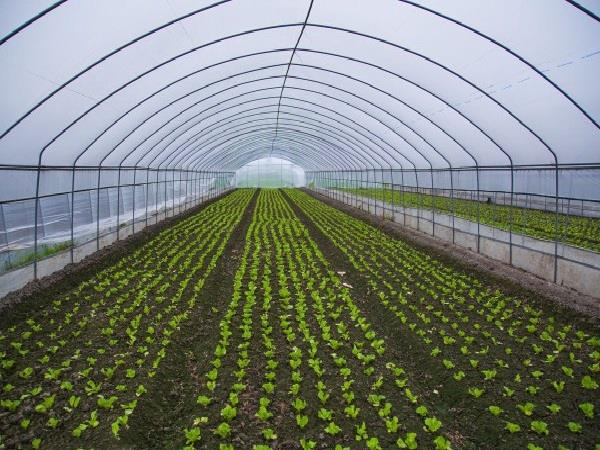
A crop cover tarpaulin is a flexible protective sheet used to reduce direct exposure of harvested crops, temporary crop stacks, field staging areas, nursery zones and agricultural storage to rain, dust, windblown debris and sunlight. Depending on the operation, it may be installed over a support frame, secured over a crop pile, used as a temporary weather barrier, or fabricated into a reusable farm cover.
For professional agricultural use, the specification should go beyond the word “waterproof.” The base fabric must carry tie-down forces, the coating must tolerate repeated folding and outdoor exposure, seams must be compatible with the required water barrier, and edges must be reinforced strongly enough for the expected anchoring pattern.
DERFLEX focuses on PVC coated polyester constructions for reusable and heavy duty crop cover tarpaulin programs. PVC coating provides a continuous water-resistant barrier and a weldable surface, while the woven polyester scrim contributes tensile and tear strength. Lighter agricultural coverage can also require PE or mesh materials; the correct choice depends on whether the priority is weather exclusion, shade and airflow, or short-term economy.
Four Conditions That Should Drive the Tarp Specification
Many premature failures come from specifying only color, size and GSM. A more useful purchasing brief starts with the stresses the cover will actually see in the field.
Rain & Surface Water
Waterproof coating is only one part of the system. Seam construction, slope, overlap and drainage paths determine whether water can pond or migrate into the protected zone.
Sun & Heat
Outdoor exposure can age polymers and increase heat beneath the cover. UV-stabilized formulations and reflective colors can be considered when crops or stored materials are heat-sensitive.
Wind & Edge Loading
Wind does not pull evenly. Corners, grommets, hems and tie-down points usually receive concentrated loads, so reinforcement layout can matter as much as fabric weight.
Handling & Abrasion
Dragging over pallets, crop stems, rough ground or frames can abrade the coating. Reusable programs should consider surface durability, patchability and protected contact points.
Heavy Duty Crop Cover Tarpaulin Starts with the Layer System
DERFLEX PVC crop cover material can be engineered around a coated polyester structure rather than a thin unsupported sheet.
Crop Cover Tarpaulin Specifications for Custom Manufacturing
The values below show the configurable directions available within DERFLEX PVC tarpaulin production. Final specifications should be confirmed against the application, climate, cover dimensions and fastening design.
| Specification Item | Available / Typical Direction | Why It Matters for Crop Covers |
|---|---|---|
| Material | PVC coated or PVC laminated polyester fabric | Supports waterproof coverage, welding and repeated outdoor handling. |
| Weight Range | Approx. 300–1200 gsm; heavier constructions available within broader factory capability | Higher weight can support demanding service, but base fabric and reinforcement design should also be checked. |
| Base Fabric | 500D / 1000D / 1300D and project-defined yarn structures | Influences tensile strength, tear behavior and dimensional stability. |
| Width | Selected constructions up to approx. 5.1 m | Wider roll goods can reduce the number of welded seams on large covers. |
| Color | Green, blue, white, grey, black and custom color directions | Color can be selected for visibility, light blocking, heat reflection, branding or project convention. |
| Surface | Matte / glossy / lacquered options | Surface treatment can influence cleanability, appearance and outdoor handling. |
| Outdoor Options | UV, mildew, cold-flex and related project-specific treatments | Useful when the cover will remain exposed through multiple seasons or humid storage conditions. |
| Fabrication | Hot-air / high-frequency compatible welding, hem, webbing, grommets, reinforcement, pipe pockets | Turns roll material into a cover that can be installed and tensioned safely for its intended use. |
| Supply Format | Roll goods, cut panels or finished tarpaulins | Supports local converters, wholesalers and end users with different fabrication workflows. |
| Brand Program | Custom printing, labels, cartons, pallets and private-label packaging | Useful for crop cover tarpaulin wholesale and distributor/OEM ranges. |
PVC, PE or Mesh: Match the Cover to the Job
There is no single material that fits every crop-protection task. Choosing by function reduces over-specification on light seasonal jobs and under-specification on reusable heavy duty programs.
PVC Coated Polyester
For reusable weather protection and demanding handling.
- Strong welded-panel fabrication
- Useful for repeated seasonal use
- Good option where abrasion and edge loads are important
- Custom reinforcement and hardware are practical
- Often selected for heavy duty crop cover tarpaulin programs
PE Agricultural Tarp
For economical, lightweight seasonal coverage.
- Lower weight and easier manual handling
- Useful for short-term rain cover or broad-area protection
- UV-treated grades are preferable for outdoor use
- Can be a practical option where frequent replacement is acceptable
- Not equivalent to heavy reinforced PVC in every load condition
Mesh / Shade Fabric
For airflow, solar reduction and partial weather moderation.
- Allows ventilation around crops or nursery areas
- Helps reduce direct solar intensity
- Suitable for shade structures and wind moderation
- Does not replace a waterproof tarp where rain exclusion is required
- Shade percentage should match the crop and climate
Six Details That Often Decide Whether a Large Crop Cover Works
The most visible specification is usually fabric weight. In real installations, edge design and how forces move through the cover can be just as important.
Welded Seam Layout
Plan seam direction so water can shed away from the protected zone and avoid placing unnecessary seam intersections at high-tension corners.
Reinforced Hems
Folded or webbing-reinforced edges help distribute tension that would otherwise concentrate in the first few centimeters of fabric.
Grommet Spacing
Spacing should reflect wind load, tarp dimensions and tie-down method. Closer spacing can reduce load per fixing point, provided the edge itself is reinforced.
Corner Patches
Corners are common stress concentration zones. Additional layers or webbing can be specified where ropes, hooks or straps create repeated loading.
Pipe Pockets & Webbing
These features can make large covers easier to roll, tension and handle while reducing reliance on isolated eyelets.
Drainage & Venting
A waterproof crop cover should not be installed as a flat basin. Slope, runoff paths and controlled airflow should be considered where condensation or heat buildup may affect stored crops.
Where Custom Crop Cover Tarpaulin Is Used
The page is centered on crop protection rather than general farm coverage, so each application below is tied to handling, staging or storage of crops and growing areas.
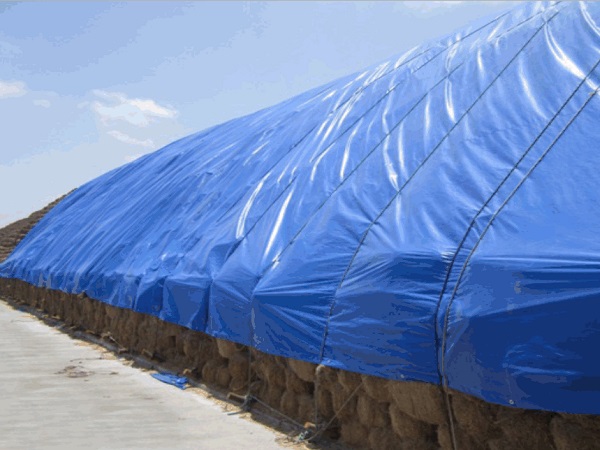
Harvested Crop Piles
Rain and dust protection for temporary outdoor staging of grain, produce and other agricultural materials before transfer or processing.
Field Storage Zones
Reusable cover systems for crop crates, bags, palletized harvest and seasonal inventory kept outside or in partially sheltered yards.
Orchard Harvest Staging
Temporary weather barriers and covered work areas for fruit collection, sorting and short holding periods before packhouse transfer.
Vegetable & Nursery Protection
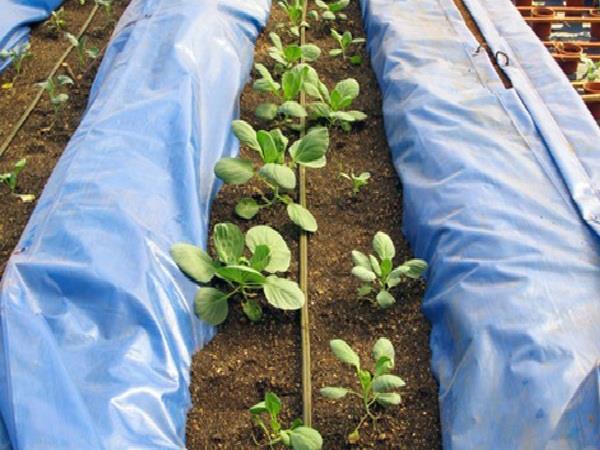
Temporary rain screens, side barriers or framed cover systems where crops need short-term shielding from adverse weather.
Greenhouse Auxiliary Covers
Opaque or colored protection for sidewalls, temporary repairs, work zones and non-transparent sections of agricultural structures.
Seasonal Ground Cover
Black or opaque tarp directions may be considered for selected ground-cover and light-blocking operations, subject to the grower’s agronomic method.
Built for Crop Cover Tarpaulin Wholesale, Distribution and Private Label
For B2B buyers, repeat-order control can be more important than simply finding a tarp that looks correct in a single sample.
1. Define the Use Case
Start with crop type, cover geometry, climate, handling method and service target before deciding fabric weight or price level.
2. Approve a Specification
Confirm base fabric, GSM, coating, color, width, seam method, reinforcement, grommet spacing and packaging on one controlled specification.
3. Evaluate a Sample
Check surface, hand feel, color, weld quality and hardware arrangement. For finished covers, verify dimensions and fixing positions against the installation.
4. Control Production
Batch inspection can cover width, weight, tensile and tear direction, coating adhesion, color/surface consistency and fabrication workmanship as applicable.
5. Build Export Packing
Roll goods, folded tarps, labels, cartons, pallets and loading plans can be coordinated for importer, distributor or brand requirements.
6. Keep Repeat Orders Consistent
Document approved material and fabrication details so later crop cover tarpaulin wholesale orders can follow the same commercial specification.
Why Crop Cover Buyers Work Directly with a Coated-Fabric Manufacturer
DERFLEX / Shanghai DER New Material Co., Ltd. manufactures PVC coated fabrics, tarpaulins and related flexible materials. For crop cover tarpaulin buyers, this manufacturing base allows the conversation to start at material structure and move through fabrication, rather than being limited to a catalogue of fixed retail sizes.
- Custom fabric weight, base yarn structure, coating direction and color.
- Roll goods for local tarp converters or fabricated covers for end-use programs.
- Welding, reinforced edges, grommets, webbing, pipe pockets and custom dimensions.
- Inspection of physical properties and workmanship according to the agreed product specification.
- OEM / private-label support for distributors, importers and agricultural supply brands.
- Documentation and compliance support can be discussed according to destination market and product requirement.
Rather than making absolute claims about service life or suitability, DERFLEX recommends confirming the material against actual UV exposure, wind, handling frequency, storage geometry and anchoring method before mass production.
Continue Your Agricultural Tarpaulin Selection
These related pages cover broader farm use, PVC material options, customization, silage and grain storage so buyers can move from application research to a more precise specification.
Crop Cover Tarpaulin Questions from B2B Buyers
What material is suitable for a heavy duty crop cover tarpaulin?
For repeated outdoor use, frequent handling and stronger tie-down loads, PVC coated polyester is often considered because the woven scrim provides reinforcement and the PVC surface can be welded into large waterproof panels. The exact GSM and fabric structure should be selected from the cover dimensions, wind exposure, handling method and expected service conditions.
Can DERFLEX manufacture a custom crop cover tarpaulin to my dimensions?
Yes. DERFLEX can supply roll material or fabricated covers with custom dimensions, welded seams, hems, reinforced corners, webbing, grommets and pipe pockets. Providing a drawing or a clear dimension sheet helps confirm the fabrication layout before production.
Is a waterproof crop cover tarpaulin always the right choice for fresh produce?
Not necessarily. Waterproofing blocks rain, but some fresh or moisture-sensitive crops also require airflow and temperature management. For those cases, installation geometry, venting, breathable covers or mesh/shade materials may be more appropriate than sealing the crop tightly under an impermeable sheet.
What is the difference between PVC crop covers and PE agricultural tarps?
PVC coated polyester is generally selected when buyers need stronger fabricated panels, reliable welding, reinforced hardware and repeated outdoor handling. PE agricultural tarps are lighter and can be economical for seasonal coverage. The purchasing decision should compare total use conditions rather than material price alone.
What information should a crop cover tarpaulin supplier receive before quoting?
Send the application, finished size or roll width, desired material/GSM if known, outdoor duration, local weather, fixing method, reinforcement requirements, color, quantity, packaging and destination. Photos or sketches of the installation are useful for large or irregular covers.
Do you support crop cover tarpaulin wholesale and private-label programs?
DERFLEX supports B2B supply for distributors, importers, converters and OEM brands. Programs can include roll goods or finished tarps, custom colors, printed marks, labels, cartons, pallets and other packing details subject to order requirements.
Build a Crop Cover Around Your Actual Field Conditions
Send the crop or storage application, dimensions, climate, fixing method, material preference, quantity and destination. DERFLEX can review the brief and recommend a practical crop cover tarpaulin construction for sampling and quotation.