Protective surface
Glossy, matte, semi-matte or embossed finishing can be selected around cleanability, appearance, blocking, printability and handling.




Custom PVC coated fabric systems for electric tricycles, electric trikes, e-rickshaws and three-wheel delivery vehicles.
DERFLEX supports opaque curtain fabric, clear visibility panels, welded reinforcement, fastening details, custom colors and project-defined restricted-substance requirements for OEM, wholesale and converter programs.
An electric tricycle rain curtain is repeatedly opened, folded, rolled and exposed to wind pressure while the vehicle is moving. The material therefore has to balance weather protection with low bulk, controlled flexibility, clear sight lines and reliable attachment to a compact frame.
An Electric Tricycle Rain Curtain is a flexible enclosure or side-panel system installed around the passenger cabin, driver position, cargo body or canopy frame of an electric three-wheeler. Depending on the vehicle, the curtain may be removable, roll-up, zip-open, sliding or fixed along selected edges.
The common material platform is PVC coated polyester fabric. The woven polyester base provides dimensional support and tear resistance, while the PVC coating creates a cleanable barrier against rain and road moisture. Clear PVC film can be incorporated where the driver or passengers need visibility.
DERFLEX works with e-rickshaw assemblers, vehicle-accessory brands, aftermarket distributors, rain-cover workshops, electric trike factories and three wheeler tarpaulin manufacturers that need controlled color, roll format, fabrication behavior and repeat-order consistency.
The rain curtain normally combines more than one material zone. Opaque fabric handles the main weather barrier, while clear film protects sight lines and passenger visibility.
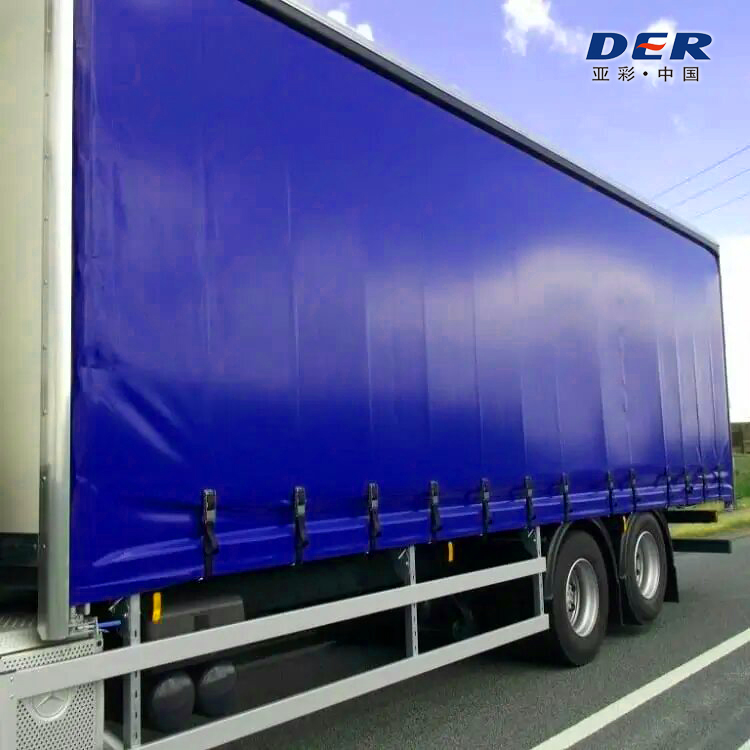
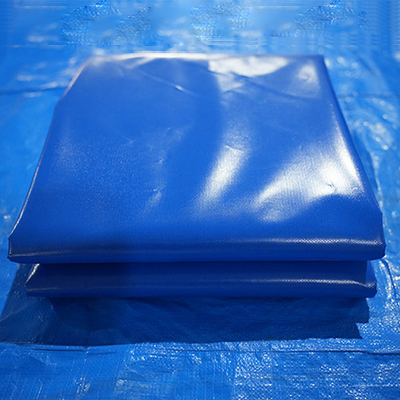
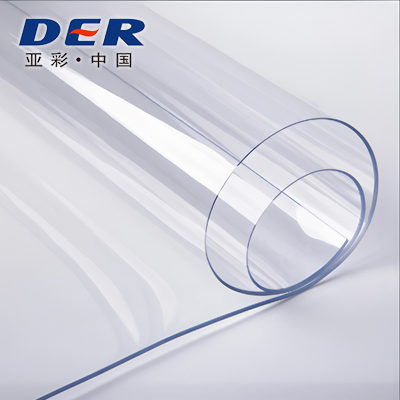
Reliable performance comes from the complete assembly: coating, reinforcement fabric, clear windows, edge design and fastening method must work together.
Glossy, matte, semi-matte or embossed finishing can be selected around cleanability, appearance, blocking, printability and handling.
The coating supplies the rain barrier and can be adjusted for flexibility, low odor, UV exposure, cold conditions or buyer-defined chemical restrictions.
Woven polyester supports tensile load, tear resistance and shape retention around zippers, straps, eyelets and frame attachment points.
Clear PVC panels, welded borders, webbing, patches and compatible hardware are positioned according to sight lines and high-stress zones.
A compact vehicle cover must remain practical for drivers and passengers while protecting the cabin and electrical control area from changing weather.
The coated body limits water penetration through the material. Finished-curtain protection also depends on seam welding, zipper covers, drainage and attachment penetrations.
Material hand feel can be selected for rolling, folding and daily opening without making the curtain unnecessarily heavy for a compact electric trike.
Polyester reinforcement helps distribute pulling forces around corners, straps, buckles, eyelets and other points that experience repeated loading.
Clear window panels can be positioned around the driver’s forward view, side view and passenger area while opaque zones provide privacy and shade.
UV-resistant, cold-flexible, anti-mildew, low-odor and flame-retardant directions can be reviewed where the vehicle, market and standard make them relevant.
Approved color, thickness, roll format, window grade, reinforcement and packaging can be recorded for OEM or wholesale programs.
These values are planning directions for inquiry and sampling. The final specification should be controlled by the approved sample, drawing and purchase agreement.
| Product Direction | Electric Tricycle Rain Curtain, electric trike side curtain, e-rickshaw rain enclosure, three wheeler tarpaulin or custom canopy side panel |
|---|---|
| Main Material | High-tenacity polyester base fabric with PVC coating on one or both sides; laminated or knife-coated route according to duty level and budget |
| Typical Weight | Approx. 380–650 g/m² for many compact vehicle programs; heavier directions up to about 900 g/m² can be reviewed for large panels or demanding service |
| Typical Base Fabric | 500D, 600D, 840D or 1000D polyester with project-specific yarn density |
| Roll Width | Commonly about 1.02–3.20 m; wider finished panels can be produced by welding or planned seaming |
| Clear Window | Flexible transparent PVC film; a practical project range may be approximately 0.20–1.00 mm depending on clarity, stiffness, folding and welding needs |
| Surface & Color | Glossy, matte, semi-matte, embossed or easy-clean direction; solid colors, two-tone constructions, printing and Pantone-oriented matching subject to feasibility |
| Temperature Direction | Outdoor formulations can be discussed around approximately -30°C to +70°C depending on coating formula, thickness and test conditions |
| Functional Options | UV resistance, anti-mildew, cold flexibility, flame-retardant direction, low odor, abrasion resistance, anti-static or project-defined restricted-substance targets |
| Fabrication | Hot-air welding, high-frequency welding, sewing, clear windows, zippers, hook-and-loop, webbing, eyelets, snap buttons, buckles, rope edges and reinforcement patches |
| Supply Format | Roll goods, cut panels, welded sheets, semi-finished curtain kits, completed rain curtains, private labels or export packaging |
| Quotation Inputs | Vehicle model, frame drawing, finished dimensions, opening method, target GSM, window layout, color, quantity, destination and required tests |
Technical ranges are not a blanket guarantee. Confirm the selected grade through sample fitting, welding trials, physical testing and an approved production specification.
A useful custom program starts with the vehicle geometry and operating environment, then turns those inputs into material, pattern and processing decisions.
Provide photos, model name, frame drawing, target coverage area, door opening style and any existing sample that should be improved.
Select GSM, base fabric, coating route, flexibility, color, clear film thickness and outdoor functional direction.
Define panels, overlaps, drainage lines, window position, zipper path and access openings for driver, passengers or cargo.
Plan webbing, patches, hems, eyelets, buckles and attachment spacing around high-load edges and moving points.
Check visibility, opening effort, frame tension, clearance, water path, window distortion and assembly compatibility on the target vehicle.
Record approved dimensions, color, material, hardware, packing and inspection points for OEM or wholesale repeat orders.
Panel shape, weight and visibility requirements vary by vehicle. The material should be selected around use rather than a single universal-cover label.
Roll-up or zip-open cabin curtains with driver sight lines, passenger side windows and frequent boarding access.
Weather barriers for the cab, cargo compartment or delivery box, with reinforcement around loading points and tie-down zones.
Custom side and rear panels for urban passenger transport, tourism vehicles and branded fleet programs.
Lightweight curtains that help protect parcels and driver controls while allowing fast opening during route stops.
Weather enclosures for maintenance vehicles, golf-course service trikes, factory transport and property-management fleets.
Private-label material rolls or finished panels for accessory distributors, service workshops and regional replacement markets.
A long list of unrelated certificates does not replace a defined material specification. The appropriate test program depends on the destination market, vehicle use, contact scenario and customer requirements.
For EU or customer-controlled chemical requirements, define the specific restricted substances and evidence expected.
Selected non-phthalate or phthalate-restricted PVC formulations can be discussed after the required list and limits are confirmed.
RoHS applies mainly to electrical and electronic equipment. Request it only when the finished vehicle component or buyer specification makes it applicable.
Test methods can cover tensile, tear, coating adhesion, hydrostatic pressure, abrasion, temperature and weld behavior.
For controlled programs, request documentation that references the approved formulation or production batch rather than a generic report.
Vehicle fitting remains essential because dimensions, visibility and fastener performance cannot be confirmed from a material certificate alone.
Retail covers can work for simple parked protection. Vehicle manufacturers and professional accessory programs usually need tighter control over fit, movement and repeat supply.
| Decision Point | Generic Universal Cover | DERFLEX Custom Program |
|---|---|---|
| Vehicle fit | Broad-size approximation | Pattern developed from frame dimensions, sample or drawing |
| Visibility | Fixed or limited clear zones | Window position planned around driver and passenger sight lines |
| Material | Often unspecified polyester or plastic sheet | PVC coated polyester and clear film selected by GSM, thickness and duty |
| Fastening | Elastic hem or general buckle | Eyelet, zipper, buckle, snap, hook-and-loop and webbing layout by frame |
| Branding | Standard color or stock pattern | Custom color, printing, labels and packaging subject to production feasibility |
| Repeat orders | Product may vary by seller or batch | Approved specification can be recorded for OEM and wholesale programs |
| Documentation | Usually limited retail description | Project-specific physical and restricted-substance documentation can be discussed |
The more clearly the curtain program is defined, the less likely the quotation is based on an unsuitable generic grade.
These six pages cover the closest vehicle-curtain, clear-window, tarpaulin and supplier-selection topics.
Practical answers for e-rickshaw assemblers, electric trike brands, cover fabricators and wholesale buyers.
PVC coated polyester is widely used because the polyester base provides reinforcement while the PVC coating creates a flexible, cleanable weather barrier. Clear PVC film can be welded or sewn into selected areas where visibility is required.
Many compact-vehicle programs begin around 380–650 g/m². The appropriate weight depends on panel size, vehicle speed, frame tension, opening frequency, reinforcement and climate. A heavier grade is not automatically better if it makes daily handling difficult.
Yes. Opaque PVC coated fabric can be combined with clear flexible PVC film. Window thickness, border width, welding method, fold line and driver sight line should be evaluated together during sample fitting.
Project-defined non-phthalate, phthalate-restricted, heavy-metal-restricted or other chemical requirements can be discussed. The buyer should identify the substance list, limit, test method, destination market and document required. The phrase “non toxic” alone is not a universal certification.
DERFLEX can discuss roll goods, cut panels, welded sheets, semi-finished kits and completed electric tricycle rain curtains. The supply model depends on drawing readiness, quantity, hardware, packaging and the buyer’s local fabrication capability.
Send the vehicle model, frame photos or drawing, curtain dimensions, window layout, opening method, target material weight, color, fasteners, quantity, destination market and any required tests. An existing sample can also be used as a development reference.
Send DERFLEX your electric tricycle model, dimensions, curtain opening method, window requirement, color, quantity and target standard. The team can review a practical material and fabrication direction for sampling and quotation.