NFPA 701
NFPA 701 is titled Standard Methods of Fire Tests for Flame Propagation of Textiles and Films. For procurement, the useful evidence is a report that identifies the applicable method, tested specimen and result for the intended material.
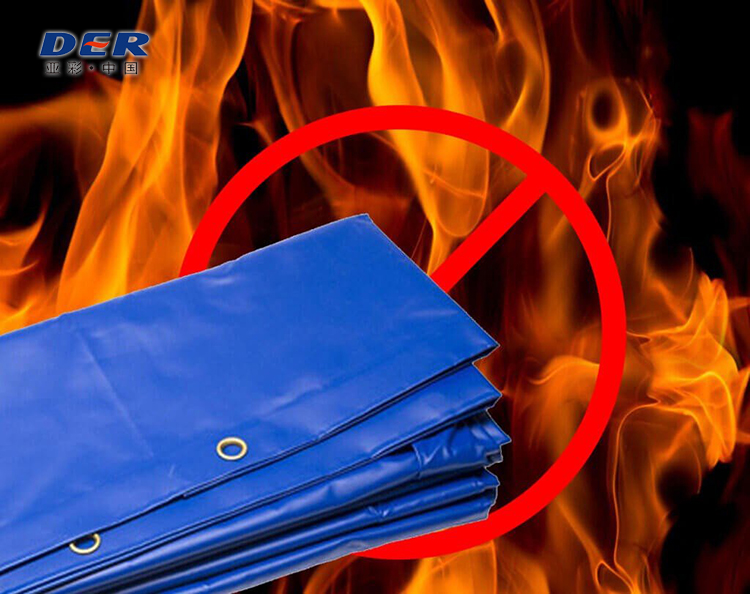
Specify flame retardant PVC tarpaulin by the required test route, final application, exact material construction and documentation scope—not by a generic “fireproof” claim. DERFLEX supplies FR PVC coated polyester rolls, panels and finished tarps for project-specific NFPA 701, French M-class and DIN 4102 requirements.
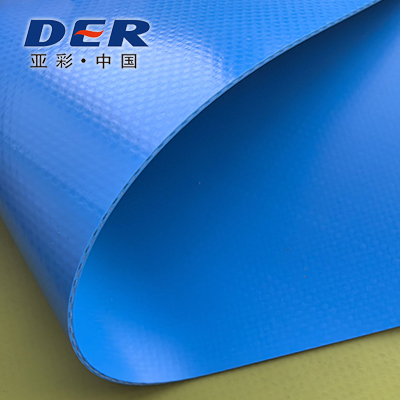
Flame retardant PVC tarpaulin is a reinforced polyester fabric coated or laminated with a PVC compound formulated to reduce ignition and flame propagation under a specified fire-test method. It can also combine waterproofing, tensile and tear strength, weldability, UV stabilization and weather resistance. NFPA 701, French M2 and DIN 4102 B1 are different test or classification systems and should not be treated as equivalent certificates.
The safest procurement approach is to start from the written project requirement and then match the test route, material construction and evidence package. Do not substitute one standard for another without written approval from the buyer or authority responsible for the project.
NFPA 701 is titled Standard Methods of Fire Tests for Flame Propagation of Textiles and Films. For procurement, the useful evidence is a report that identifies the applicable method, tested specimen and result for the intended material.
M2 is a French reaction-to-fire classification used within the NF P 92 system. NF P 92-507 defines reaction-to-fire classification for finished interior fitting materials including films and sheets, while the test route depends on the material form and project context.
DIN 4102-1 classifies the fire behaviour of building materials. B1 is the class described in German as schwerentflammbar, commonly translated as “not easily flammable” or “flame-retardant.”
| Requirement | What It Represents | Typical Buyer Search | What Should Be Verified |
|---|---|---|---|
| NFPA 701 | Standardized methods for evaluating flame propagation of textiles and films. | NFPA 701 tarp, NFPA 701 vinyl tarp, flame resistant event fabric | Applicable method, edition, specimen identity, material construction, report result and project-authority acceptance. |
| French M2 | Reaction-to-fire classification within the French M-class system referenced through the NF P 92 series. | M2 tarpaulin, M2 PVC fabric, M2 tent fabric | Classification report, test route, product identity, thickness/grammage scope and the exact requirement in the project specification. |
| DIN 4102 B1 | German reaction-to-fire class for building materials described as not easily flammable / flame-retardant. | B1 tarpaulin, DIN 4102 B1 PVC fabric, B1 tent material | Relevant DIN route, tested construction, classification evidence and installed-use conditions. |
| EN 13501-1 | European reaction-to-fire classification system that may be specified instead of national legacy classifications for certain construction applications. | Euroclass PVC fabric, EN 13501 membrane, fire classified coated fabric | Exact Euroclass, smoke/droplet suffixes where applicable, product scope and end-use conditions. |
Fire performance is created by the complete material system, not by fabric weight alone. Polyester reinforcement, PVC formulation, coating weight, pigment, additives, surface treatment and final conversion can all affect the tested construction.
For projects that require a formal report or classification, treat the approved material as a controlled specification. A change that looks commercially small—such as switching pigment, lacquer or coating formulation—may need technical review before the product is represented under the same fire-performance evidence.
For roll-goods projects, explore DERFLEX fire retardant PVC fabric options alongside the final documentation requirement instead of selecting a stock construction first and discussing compliance afterward.
High-tenacity polyester scrim contributes tensile strength, tear resistance and dimensional stability. Yarn denier and weave construction should be selected for the cover size, handling, tie-down loads and fabrication route.
The PVC coating system can be formulated with a flame-retardant package plus plasticizers, stabilizers, pigments and other additives. The tested formulation should be controlled for repeat orders.
Coating weight, adhesion, lacquer, embossing, printing and protective finishes affect service performance and may affect the scope of the tested construction.
Custom pigments, UV packages, anti-mildew treatments, cold-flex additives and other modifications should be reviewed when the project relies on a specific report or classification.
Hot-air or HF welding, hems, webbing, eyelets, D-rings and patches create the finished cover. Where the approval applies to a finished article or installation, conversion details matter.
For repeat B2B programs, keep a golden sample, signed specification, test report, product code and change-control record linked to the same commercial item.
The following range is for project selection and quotation planning. It is not a blanket statement that every weight, color, finish or finished tarp carries the same fire-test classification. Confirm the final specification and required evidence before bulk production.
| Parameter | Project Selection Range | Procurement Note |
|---|---|---|
| Product Type | Flame retardant PVC coated or laminated polyester tarpaulin; roll goods, panels or custom finished tarps | Define whether the approval scope is raw material, converted tarp or a complete structure. |
| Typical Weight | Approx. 420–1200 gsm across current DERFLEX FR PVC ranges | Higher GSM does not automatically mean a higher fire rating. |
| Base Fabric | 500D, 1000D, 1300D, 1500D or project-specific polyester structures | Choose according to tensile/tear requirement, handling and cover geometry. |
| Typical Width | Approx. 1.02–3.20 m common planning range | Final width depends on product route and chosen construction. |
| Fire Direction | NFPA 701, French M1/M2, DIN 4102 B1/B2 and project-specific routes by requirement | Specify the exact standard/classification and evidence required in the RFQ. |
| Surface | Glossy, matte, embossed, acrylic lacquer, easy-clean, UV-oriented and other functional finishes | Finishes should remain consistent with any tested/approved construction. |
| Outdoor Options | UV stabilization, anti-mildew, cold flexibility, abrasion-oriented treatment | Combine environmental performance requirements with the fire route at sample stage. |
| Finished Tarp Options | Heat-welded seams, hems, webbing, eyelets, D-rings, corner reinforcement, printing, labels and OEM packaging | Finished-product details should be included when the project authority evaluates the complete assembly. |
| Supply Mode | Roll material, cut panels, semi-finished sheets and fabricated covers | State how the buyer will convert or install the material. |
For demanding mechanical loads, compare the FR requirement with DERFLEX heavy duty tarpaulin fabric structures before finalizing GSM, yarn and reinforcement.
For safety-sensitive sourcing, treat the report, material code, approved sample and production specification as one package. “FR” on a quotation is not enough evidence for a project that requires a named standard or classification.
Check laboratory, report number/date, standard or test method, specimen description, product code and result.
Verify GSM, base fabric, coating route, color, finish and any other characteristics that define the tested specimen.
Confirm the destination market, end use and authority acceptance. Passing one standard does not create automatic acceptance under another system.
For a wider due-diligence framework covering flame performance, chemical declarations and document identity, use the DERFLEX guide to tarp flame-retardant and environmental certifications.
The same base category—FR PVC tarpaulin—can serve very different projects. Application, public occupancy, weather exposure, mechanical load and final fabrication change what the buyer should specify.
Prioritize the fire route, public-space requirement, documentation, clean appearance, seam welding, weather resistance and repeatability for rental or exhibition use. Review PVC tarpaulin for tents and awnings for shelter-specific construction considerations.
Combine flame performance with washability, tear strength, flexible partition design, welding compatibility and any site-specific chemical or static-control needs.
Confirm contractor/fire-code documentation plus wind exposure, tie-down loads, temporary roofing or scaffold geometry, UV exposure and edge reinforcement.
Balance flame-retardant direction with repeated flexing, road weather, abrasion, tensioning and repairability. See DERFLEX PVC tarpaulin for truck covers for transport-focused options.
Specify the actual facility risk, heat-source distance, handling frequency, cleaning method, enclosure design and whether the material is a temporary cover or installed partition.
Lock color, material code, packaging, labels and documentation so repeat orders remain aligned with the approved construction. For finished transport programs, review DERFLEX truck tarp manufacturing capability.
Most sourcing problems are created before production starts. These checks help importers, distributors, converters and project buyers reduce specification drift.
“Fireproof tarp” is not a sufficiently precise purchasing requirement. Name the required test standard/classification and the evidence expected.
NFPA 701, M2 and B1 use different systems. A report for one should not be substituted for another unless the approving party explicitly accepts it.
Custom pigments, coating ingredients and finishes can change the defined material. Review changes before relying on prior evidence.
Testing and documentation should be discussed before sample approval, not after the bulk material has already been fixed.
Webbing, reinforcement, printing, seams or other components can matter when approval applies to the finished article or installed structure.
Repeat programs need a stable product code and documented approval route. Formula or process substitutions should trigger technical review.
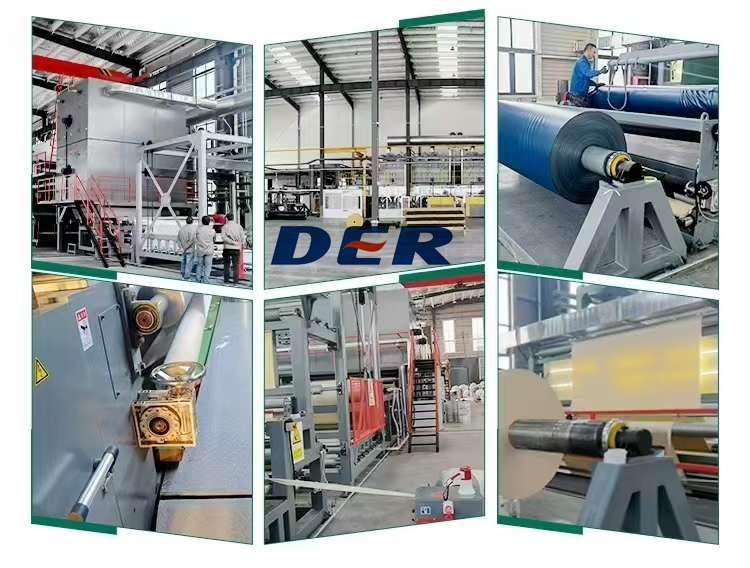
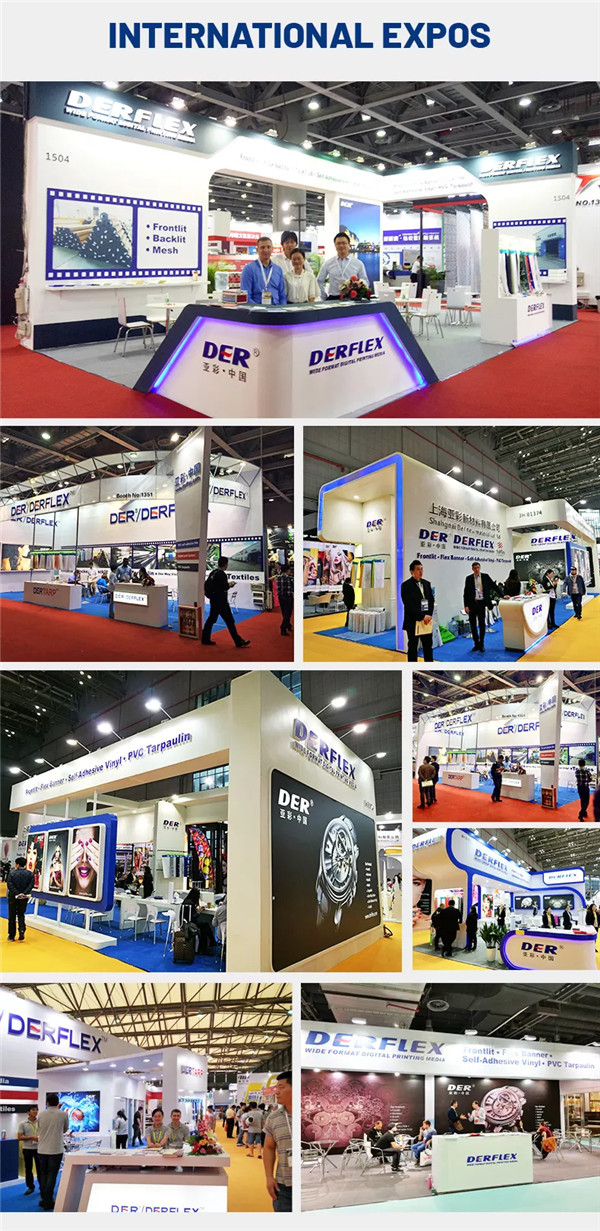
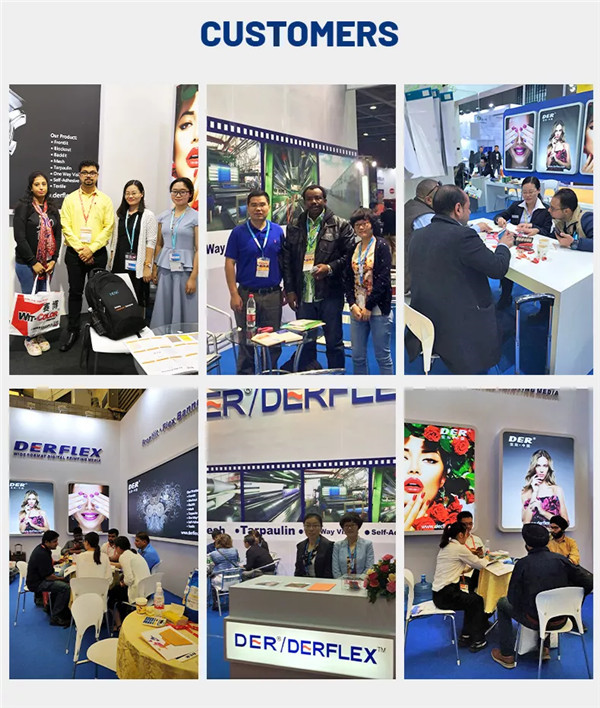
Real product, material, factory and customer-facing images support visual search while giving procurement teams a clearer view of material appearance and manufacturing context.
A controlled five-step workflow reduces the chance of selecting one material, testing another and manufacturing a third.
Country, end use, authority, public/private environment and required fire route.
GSM, base fabric, coating, color, finish, UV/cold needs and finished-tarp details.
Approve a representative material and coordinate the required test or classification route.
Lock approved BOM, color, process parameters, tolerances, inspection and change-control rules.
Align product code, labels, packaging, report copies and shipping documentation with the buyer program.
DERFLEX works with PVC coated fabric and tarpaulin constructions at the material level, allowing B2B programs to define weight, width, base fabric, coating direction, color, surface finish, roll supply and finished-tarp fabrication around the project requirement.
For buyers who need both rolls and converted covers, a single controlled specification can connect sample development, flame-performance route, welded seams, reinforcement, labeling and documentation instead of treating each step as a separate purchase.
Define PVC coated polyester structure, weight, width, color and finish before bulk production.
Discuss NFPA 701, French M-class, DIN 4102 B1/B2 or other specified fire-performance routes before sample approval.
Source roll goods, cut panels or fabricated covers with welded seams, hems, webbing, eyelets, D-rings, corner reinforcement, printing and private-label packaging.
These six verified DERFLEX pages create a natural path from compliance research into product selection and project quotation.
Short, procurement-focused answers to the questions buyers most often need to resolve before sampling or placing a purchase order.
NFPA 701 is a standard containing fire-test methods for flame propagation of textiles and films. Buyers often say “NFPA 701 certified tarp,” but a more precise procurement approach is to request a test report identifying the applicable method, tested specimen, material construction and result, then confirm that the report is acceptable for the intended project.
No. They are different testing or classification systems with different procedures, scopes and acceptance criteria. Evidence under one system should not automatically be presented as proof under another. Confirm the written project requirement before selecting the material.
B1 is a reaction-to-fire class under DIN 4102-1 for building materials, described in German as schwerentflammbar. For a PVC tarpaulin project, verify that the classification evidence covers the relevant product construction and that DIN 4102 B1 is the required route for the intended application.
M2 refers to a French reaction-to-fire classification in the NF P 92 system. The applicable test route depends on the product form and project context. Buyers should confirm whether M2 is specifically required and review the classification evidence for the actual material being ordered.
Yes. PVC coated polyester can combine flame-retardant formulation with waterproof material construction, UV stabilization, mildew resistance, cold flexibility and abrasion-oriented finishes. Finished waterproof performance also depends on seam design, welding, penetrations and installation details.
No. GSM affects material mass and often influences mechanical performance, but fire performance depends on t, he complete tested construction, including base fabric, PVC formulation, coating, pigment, finish and applicable test method. Select GSM for the mechanical and service requirement, then confirm the required fire route separately.
Send the destination market, required fire standard/classification, application, roll or finished-tarp format, target GSM or thickness, width/size, color, quantity, surface finish, outdoor conditions, welding/sewing details, reinforcement layout, printing, packaging and documentation requirements.

Send DERFLEX the written fire requirement and the exact product details before sampling. This makes it easier to review the material construction, test route, fabrication and documentation package as one project rather than correcting mismatches after production.