News
Company News

Best Tarps for Trucks: Types & Buying Guide | DERFLEX

Update:2026/11/4 20:46:57 Views:
DERFLEX logoIndustrial coated fabrics & custom truck tarp supply
Truck tarp selection & procurement guide

What Are the Best Tarps for Truck Use?

The best truck tarp depends on what the vehicle carries, how the cover is deployed, and which risks matter most. Choose a reinforced PVC-coated polyester tarp for repeated waterproof flatbed coverage; a deep-drop lumber tarp for tall loads; a compact steel tarp for lower, abrasive freight; and a suitable mesh or solid dump truck tarp for bulk materials. For B2B fleets, distributors and truck body builders, finished dimensions, edge protection, fastening layout and driver handling are as important as fabric weight. Use this guide to compare trade-offs before ordering.

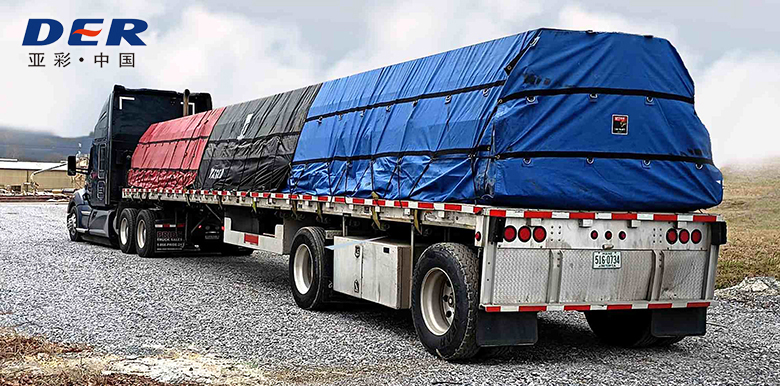
Blue, red and black tarps covering a long flatbed truck freight load
Flatbed freight protection: the finished tarp must fit the loaded profile, not only the trailer deck.
01 / Fast comparison

Which Truck Tarp Is Best for Your Load?

There is no universal winner. A good selection balances water protection, height and shape of freight, abrasion, folding cycles and attachment requirements. Start with cargo type, then specify the construction.

Short answer: Solid PVC/vinyl coated polyester is the practical all-around material direction for repeated weather-sensitive trucking. The tarp type still changes: lumber, steel, coil, machinery, dump and curtain-side covers are not interchangeable.

Truck / cargoBest starting tarpWhy it fitsConfirm before buying
Mixed flatbed freightReinforced solid flatbed vinyl tarpWeather barrier and flexible finished coverageLoad profile, tarp section count, D-ring rows
Timber, drywall, tall palletsLumber tarp with deeper dropsBetter vertical coverage and end closureMaximum loaded height, rear flap, overlaps
Steel plate, pipe, low loadsShort-drop steel tarpLess excess fabric around low freightSharp edges, wear patches, corner protectors
Coils and irregular machineryShaped or modular custom tarpReduces loose pockets around curves or protrusionsSketch, openings, tie-down access, fitted seams
Gravel, mulch, loose debrisCompatible mesh dump tarpAirflow and appropriate containmentMesh opening, load particle size, roll mechanism, local rules
Moisture-sensitive bulk cargoSolid PVC/vinyl dump coverBetter rain-barrier direction than open meshSealing, pockets, system movement, drainage
Curtain-side trailerSystem-matched side curtain fabricSliding side access and repeatable tensioningVehicle interfaces, buckles, rollers, dimensional stability
Moisture risk

Choose solid coated fabric and confirm how seams and flaps are sealed.

Load geometry

Match side drop, end coverage and the position of high points.

Abrasion exposure

Protect contact corners and sharp edges rather than relying on weight alone.

Handling cycle

Check whether drivers fold, roll, slide or mechanically retract the cover.

02 / Common designs

Truck Tarp Designs: What Actually Changes?

The trade-off is usually coverage versus handling. Tighter fit can reduce loose fabric; deeper drops can protect taller freight; a rolling system adds interface requirements that a loose flatbed tarp does not have.

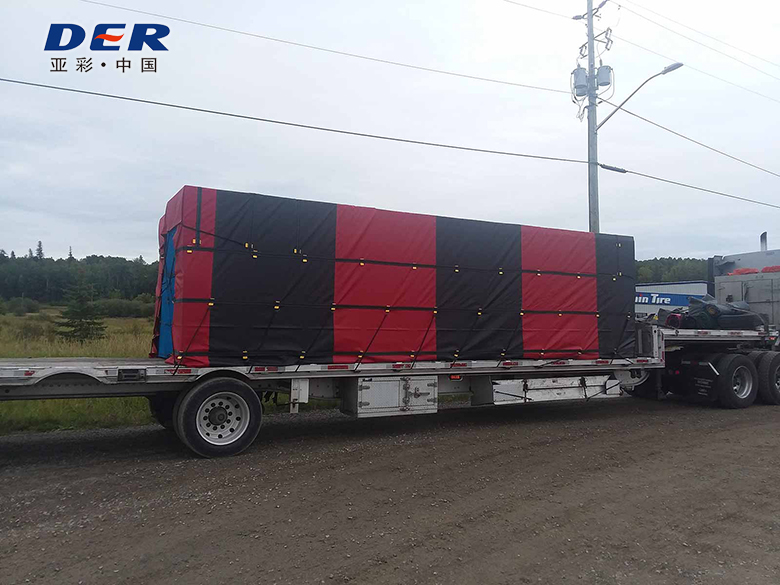
Red and black deep-drop truck tarp wrapping a tall rectangular freight load
Deeper drop and side closure around taller flatbed freight.

Best for tall loads: lumber tarps

A lumber-style tarp typically provides generous side coverage and often end flaps for tall rectangular cargo. For stacked timber, wallboard or building products, check the highest loaded point, flap geometry and practical overlap.

  • Request multiple fastening rows if load heights change.
  • Plan abrasion patches where pallet corners or lumber edges contact fabric.
  • Confirm whether one large cover or multiple manageable sections fit the operating routine.
Large black reinforced truck tarp fitted over a flatbed freight load
Heavy-duty fitted covering over an open-deck transport load.

Best for dense freight: steel-style tarps

Low-profile steel, pipe and machinery often need shorter drops than tall lumber loads. Excess material creates handling work and can flap if poorly controlled. Abrasion protection and edge isolation are often more valuable than simply increasing overall mass.

  • Identify metal edges, corners and high-contact points.
  • Check tie-down access and avoid covering required securement inspection points.
  • Use shaped coverage for coils or unusual machinery when rectangular panels fit poorly.
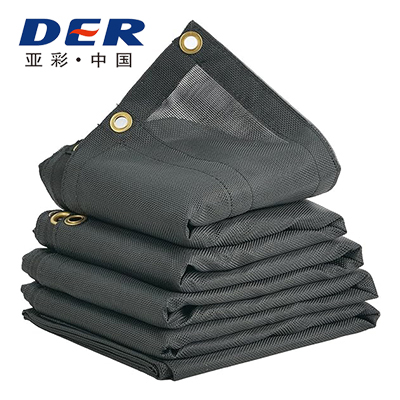
Folded black breathable mesh truck tarp with reinforced eyelets
Open-mesh tarp material with perimeter eyelets for appropriate bulk-hauling use.

Best for airflow: mesh dump tarps

Mesh can be appropriate when the aim is to contain selected debris while allowing airflow, rather than seal out rain. A mesh cover is not waterproof. The opening size must suit the load and any applicable containment requirement.

  • Match hem, roller pocket and pull-bar details to the tarp mechanism.
  • Review abrasion from aggregate, demolition material and frequent rolling.
  • For hot material, establish actual contact temperatures and material suitability first.
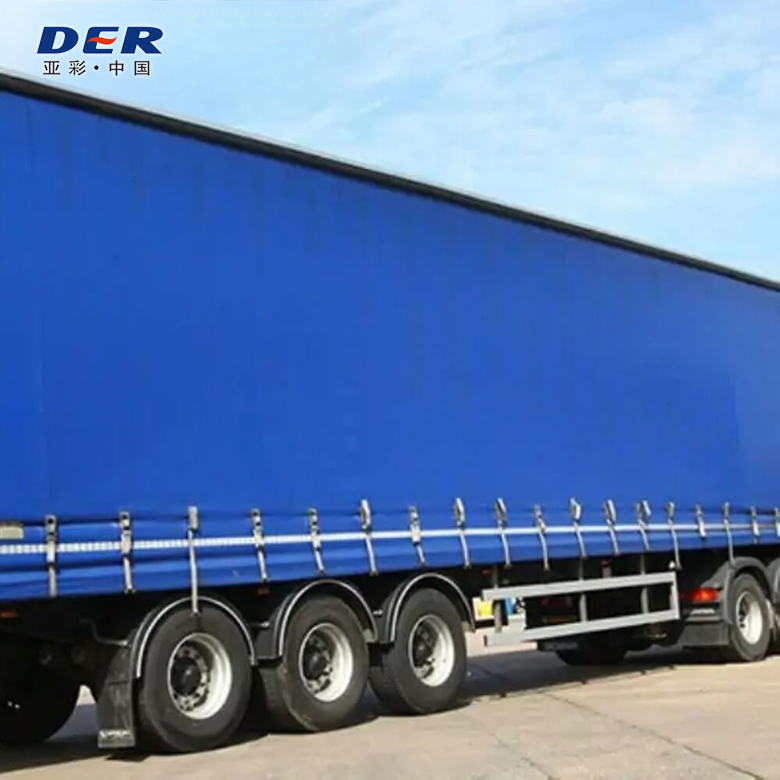
Blue curtain-side trailer fabric tensioned along a commercial truck body
Side curtain system: a movable truck wall, not a loose flatbed cover.

Best for side access: curtain-side covers

Trailer curtains are a different design category. Here the important questions are dimensional stability, repeat flexing, slider and tensioning interfaces, print durability where applicable, and compatibility with the specific trailer body.

  • Specify the system manufacturer or approved interface drawing.
  • Confirm any structural role separately; do not assume curtain fabric secures freight.
  • Plan replaceable sections and repeat-order color matching.

For additional product-specific choices, see lumber tarps, steel tarp geometry and dump truck tarp construction.

03 / Material decision

Vinyl, Poly, Canvas or Mesh: What Material Is Best?

Commercial truck tarp selection should separate the material's surface behavior from the finished cover's behavior. Waterproof coated fabric alone does not mean an assembled cover has sealed penetrations, leakproof seams or suitable closures.

MaterialStrength for truck useLimitationBuyer focus
PVC-coated polyester (vinyl)Strong general direction for repeat-use rain protection, weldable fabrication and reinforced coversCan become heavy in large finished sizes; flexibility and abrasion performance vary by gradeBase scrim, coated weight, tear properties, seam and hardware layout
Polyethylene (PE) tarpCost-conscious, lighter short-term coverage for some applicationsCommodity sheets may not suit repeated high-abrasion long-haul workReinforcement, construction, expected duty and replacement frequency
Canvas / treated canvasBreathable textile direction where moisture release mattersNot automatically waterproof; can absorb water and increase handling weightFinish, weather exposure, drying and maintenance
Polymer-coated meshAirflow and appropriate loose-material containmentOpen structure does not protect cargo from rainMesh opening, perimeter design and load compatibility

Why coated polyester is common in heavy-duty truck tarps

The woven polyester base helps carry tension while PVC coating creates a continuous weather barrier on the fabric surface. Fabric can be cut, reinforced and joined into larger covers. The final durability still depends on scrim design, coating adhesion, welding quality, tie-down loads, abrasion and folding conditions.

When comparing quotations, ask for the PVC tarpaulin material specification, not only a vague “heavy duty” label. For broader applications, review heavy duty tarp options.

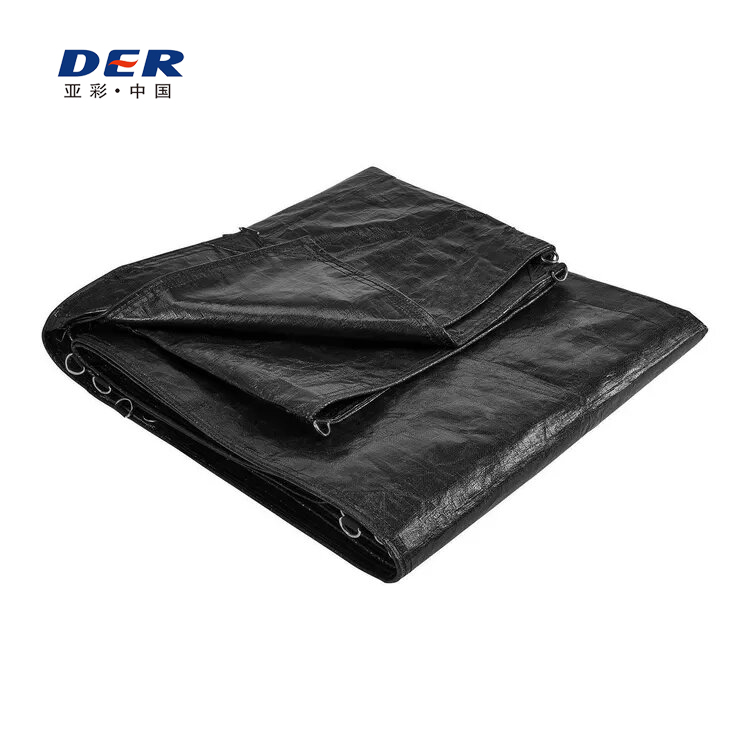
Folded black coated truck tarp showing D-rings and reinforced edge zones
Reinforced edge and D-ring detail: attachment design is part of the finished product specification.

Weight terminology: GSM (g/m²) and oz/yd² are both area-mass units: 1 oz/yd² ≈ 33.906 g/m². Neither value directly determines thickness in mil, tear resistance or finished-tarp service life. Request test-method and sample details for the specific construction.

04 / Coverage & dimensions

How to Measure a Truck Tarp Before Ordering

Measure the actual loaded envelope, not just the vehicle's nominal bed size. For a flatbed, record top width, freight length, maximum height, desired side drop, end closures and the locations of any protrusions.

Illustrative coverage calculation

Suppose a rectangular load is 8 ft wide and needs 6 ft of coverage down each side. Its required cross-load coverage is at least:

8 + 6 + 6 = 20 ft of fabric width across the top and two drops, before added seam, hem and closure allowances.

This is an illustration, not a DERFLEX stock size or confirmed finished dimension. Large covers may require panel joining. Length allowances and flap design must be calculated separately.

Four measurements to approve

1. Width over the top

Use the widest real load section, including protective edge materials.

2. Side drop

State how far below the highest load point the tarp should reach.

3. Covered length and ends

Define front/rear flap coverage and overlap between tarp sections.

4. Attachment positions

Mark D-ring rows, grommet spacing, pocket positions and access areas.

For irregular loads, a dimensioned sketch or photographs are more useful than a single width × length number. A drawing should identify sharp edges and all high points. Buyers should approve finished size and tolerances, rather than equating cut size with final delivered size. See DERFLEX's custom truck tarp manufacturing options for application-specific finishing.

05 / Technical buying brief

What to Put in a Professional Truck Tarp Specification

A detailed specification makes supplier quotations comparable, prevents missing hardware and helps reproduce approved covers for fleet replenishment.

Specification fieldWhat the buyer should provideWhy it matters
Tarp formatFlatbed / lumber / steel / dump / roll / side curtain / fitted coverDefines basic geometry and mechanisms
Truck and loadVehicle body drawing, cargo photos and loaded dimensionsPrevents unsuitable generic sizes
MaterialSolid coated polyester or mesh; desired proofing and handling prioritiesControls weather barrier, airflow and mass
Fabric evidenceTarget area mass, base structure, tear/tensile method where neededSupports fair comparison of specific candidate grades
Finished constructionWelded or sewn seam plan, hem and corner reinforcement, overlapAddresses water entry and stress points
FittingsD-rings, grommets, webbing, roller pockets, sliders or replacement interface drawingEnsures compatibility with operation and installation
Climate and usageRain, UV, temperature, abrasion risk and folding or rolling frequencyGuides material samples and validation
Commercial detailsQuantities by size, colors, logos, labels, packing and destinationMakes complete quotes and reorders more consistent

Check more than material thickness

Ask suppliers to describe the fabric layers, test direction and method, and reinforcement drawing. Warp and weft tensile or tear results should be compared only under compatible methods; claims such as “100% tear-proof” are not useful specifications. Likewise, a waterproof fabric surface is not proof that the finished cover's seams, stitching holes or closure flaps will resist heavy driving rain.

For material-side sourcing rather than a completed cover, compare DERFLEX truck tarp supply forms and the broader truck tarp product family.

06 / OEM supply & value

Best Tarp for Fleets Is Also the One They Can Reorder Consistently

For importers, tarp converters and truck body manufacturers, a first order is only the beginning. Specification-controlled supply can reduce rework when drivers need the same cut plan, reinforced locations and fitting geometry on replacement covers. DERFLEX describes the ability to discuss coated fabric rolls, fabricated panels and finished custom truck tarps according to project scope.

Approve the material first

Agree on the relevant fabric structure, color, flexibility and test evidence for the duty.

Approve the actual cover layout

Review the finished measurement drawing, weld/seam map, hardware and stress-zone patches.

Confirm packaging and change control

For multi-size programs, define packing labels, size codes and how later revisions will be identified.

What changes the real quotation?

  • Selected fabric and coated structure
  • Roll width utilization and joining area
  • Finished size and number of sections
  • Seam length, corners, reinforcement and fittings
  • Logo printing, labels, packaging and order mix
  • Delivery terms and documentation requirements

Do not compare only unit price when supplier quotes include different finishing, packing or freight scopes.

For high-cycle transport covers, compare replacement frequency and driver effort, not only the initial material cost. “Best” means suitable service performance under a documented duty profile, not an unverified lowest price or longest life claim.

07 / Application notes

Before You Order: Practical Checks That Protect the Load and the Cover

On the truck

  • Secure cargo independently. A weather tarp is not a substitute for the required cargo restraints, chains, straps, blockers or other legal securement equipment.
  • Protect sharp edges. Use suitable corner protection and avoid concentrated rubbing.
  • Prevent loose pockets. Match cover shape, overlap and attachment so fabric is not left flapping.
  • Review safe access. Drivers need practical methods for deployment, inspection, removal and storage.

For purchasing approval

  • Moisture-sensitive freight: confirm complete coverage and closure rather than assuming coated material alone seals the load.
  • Dump and roll systems: match actual pockets and mechanisms; never assume interchangeability.
  • Heat and special exposures: validate temperatures and chemical contact for the specified fabric, not a generic catalog line.
  • Repeat orders: retain the approved sample, drawing and packaging specification.

Local transport laws and equipment manufacturer instructions may impose additional requirements. Request the relevant vehicle-system and material checks before making safety- or compliance-critical selections.

08 / Buyer questions

Frequently Asked Questions About Truck Tarps

What is the best material for a truck tarp?

For repeated road use where cargo must stay dry, solid PVC-coated polyester (often called vinyl truck tarp material) is a practical starting point. Choose the finished tarp design to suit cargo height, abrasion, route weather and driver handling. Mesh is better suited to selected bulk loads where airflow matters more than rain sealing.

Are mesh dump truck tarps waterproof?

No. Open-mesh tarps allow airflow and water to pass through. They are useful for appropriate debris and bulk-load containment; a solid, properly finished cover is needed when protecting moisture-sensitive freight.

What is the difference between lumber tarps and steel tarps?

Lumber tarps generally have deeper side drops and often rear flaps for tall rectangular loads. Steel tarps usually use shorter drops around lower freight and need careful protection at sharp or abrasive contact points.

How do I choose a truck tarp size?

Measure the actual loaded cargo width, length and height, then specify the required side drops, end closures, overlap and fastening locations. A nominal sheet size is not the same as a verified finished cover size. Confirm the cut plan and finished tolerances before production.

Is a heavier vinyl tarp always better for trucking?

No. Higher area weight may suit some demanding work, but it also increases finished tarp mass and can make folding, rolling and manual handling harder. Compare the base fabric, tear performance, abrasion protection, seam construction and total finished size as well as GSM or oz/yd².

Can DERFLEX supply rolls and custom finished truck tarps?

DERFLEX presents truck tarp roll goods, cut or fabricated panels and custom finished truck covers as supply options. Buyers should confirm their exact material, size, reinforcement, hardware, packaging and quantity with the team before quotation and sample approval.

Get a Truck Tarp Recommendation Based on Your Cargo

Send your truck type, load photos or dimensions, moisture and abrasion requirements, intended cover mechanism, desired quantities and destination. DERFLEX can discuss suitable roll materials, finished cover construction, reinforcement details and OEM packing before quotation.

Request a Quote

DERFLEX · Truck tarp material and custom cover sourcing guide. Content provides general specification guidance; confirm the proposed material and completed assembly for each vehicle, cargo and route before purchase.

Consulting Services
+86-021-54361792 / 54361798
Email
sales@derflex.com