News
Company News

Fleece Backed TPO Membrane Manufacturer | Adhered & Recover Roofing | DERFLEX

Update:2026/9/25 19:42:00 Views:
Commercial Roofing · Fully Adhered & Recover Systems

Fleece Backed TPO Membrane for Adhered & Roof Recover Systems

A fleece backed TPO membrane combines a heat-weldable thermoplastic polyolefin roofing sheet with a polyester nonwoven backing that creates a practical bonding interface for compatible adhered roof assemblies. It is especially relevant when substrate condition, recover work, puncture exposure or adhesion strategy matters more than choosing a generic TPO roll.

DERFLEX supports contractors, roofing-material distributors, waterproofing brands and project procurement teams with membrane thickness planning, backing configuration, roll size, color, packaging and documentation discussion. Final membrane construction, adhesive and roof assembly should be confirmed against the project substrate, local code and required approval pathway.

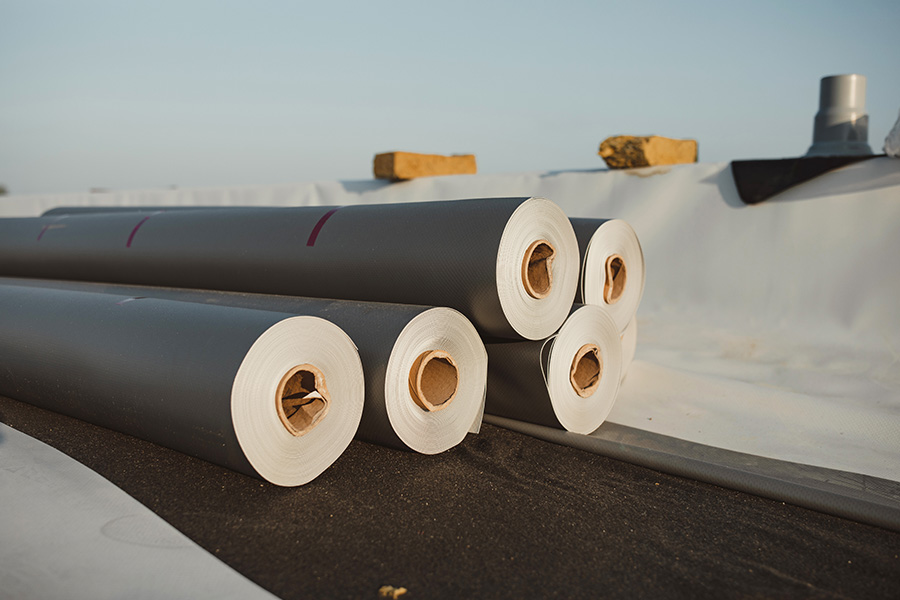
DERFLEX TPO roofing membrane rolls for commercial waterproofing projects
TPO roll supply for project roofing Confirm the exact fleece backing, membrane thickness, roll size and system compatibility before bulk production.
Backing Polyester Nonwoven Fleece
Seaming Hot-Air Weldable TPO
Thickness Direction 1.2–2.0 mm Membrane
Best-Fit Intent Adhered / Recover Roofing
Supply Model Project & OEM Roll Programs
Quick Answer

What is a fleece backed TPO membrane?

A fleece backed TPO membrane is a TPO single-ply roofing sheet with polyester fleece bonded to its underside. The TPO face remains the exposed waterproofing and heat-weldable layer; the fleece provides a textured backing that can improve the bonding interface in compatible fully adhered assemblies and can add a buffering layer between the membrane and prepared substrate.

The fleece is not a substitute for roof design. Adhesive chemistry, deck or cover-board condition, trapped moisture, wind-uplift requirements, fire classification, seam design and installation workmanship still control the completed roof system.

In North American specifications, ASTM D6878 is commonly referenced for TPO roofing sheet. If a tender requires this or another standard, put the exact document requirement into the RFQ and confirm compliance for the exact DERFLEX construction offered.

Why Fleece Backing Matters

Use fleece when the roof assembly needs a different interface

The value of fleece-backed TPO is mainly at the membrane-to-substrate interface. Buyers should evaluate the backing together with adhesive, cover board, existing roof condition and installation method.

A

Adhesion Interface

The fleece creates a fibrous underside that can provide more bonding surface for compatible adhesive systems than a smooth sheet back.

R

Recover / Retrofit Direction

Fleece-backed constructions are often considered for recover work when the existing assembly is dry, stable, compatible and accepted by the project design.

P

Puncture Buffering

The backing can add a cushioning layer against localized substrate texture, but it does not remove the need for a suitable deck or cover board.

S

Substrate Adaptation

Useful where the designer wants an adhered membrane construction that can accommodate appropriate prepared substrates and project-specific adhesive choices.

W

Welded Waterproof Seams

The exposed TPO faces are joined with controlled hot-air welding at designed lap zones, preserving the single-ply thermoplastic seam logic.

B

Bulk Roll Procurement

For OEM and distribution programs, thickness, width, roll length, color, labeling, backing direction and packaging can be specified as one supply package.

Specification Framework

Fleece backed TPO membrane specifications for early-stage sourcing

Use this table to build an RFQ. Values shown as DERFLEX directions should still be confirmed against the final product construction, installation system, required testing and project conditions.

Specification Item DERFLEX Sourcing Direction Buyer Verification
Product type Fleece backed TPO roofing / waterproofing membrane Confirm exposed roofing use and intended roof-system assembly.
Backing Polyester nonwoven fleece direction Specify required fleece construction or performance documentation if the project defines it.
Membrane thickness 1.2 mm, 1.5 mm, 1.8 mm, 2.0 mm project direction Confirm whether the tender refers to membrane-only thickness or total composite thickness including fleece.
Reinforcement Internal reinforcement configuration can be discussed for project construction Do not assume every fleece-backed sheet has the same scrim type or location.
Roll width 2 m, 3 m, 4 m or customized production-width direction Balance seam count against roll weight, rooftop access and crew handling.
Roll length 20 m, 30 m, 50 m or project-specific roll planning Confirm final roll weight and lifting/handling plan before ordering.
Surface color White, gray, tan; custom color subject to order conditions State any reflectance, color-control or project appearance requirement.
Seaming method Hot-air weldable TPO Confirm welding zone construction, overlap, trial-weld procedure and compatible accessories.
Installation direction Primarily fully adhered / recover-oriented; other system directions require project confirmation Adhesive, cover board, substrate and tested assembly must be compatible.
Packaging Protective roll packing, labels, pallet and OEM/private-label discussion Include batch ID, roll identification and destination requirements in the PO.
Procurement note: a “60 mil fleece-backed TPO” request is incomplete unless the buyer defines what the thickness refers to, the backing construction, roof substrate, attachment method, adhesive, required standards and roof-system approval pathway.
Structure Comparison

Fleece backed TPO vs reinforced, self-adhered and homogeneous TPO

These terms describe different constructions and installation intentions. They are not interchangeable labels for the same membrane.

TPO Structure Main Construction Idea Typical Procurement Intent Critical Check
Fleece backed TPO
This page
TPO sheet with polyester fleece on underside; may also include internal reinforcement depending on construction. Fully adhered roofs, selected recover/retrofit assemblies, substrate-specific bonding requirements. Adhesive compatibility, fleece construction, moisture survey, cover board, total thickness, seam-zone design.
Reinforced TPO Internal polyester scrim encapsulated between TPO layers. Commercial field membrane; mechanically attached or compatible adhered systems. Scrim, thickness over scrim, fastener/plate design, wind-uplift assembly.
Self-adhered TPO Factory-applied adhesive layer or system-specific self-adhering construction. Projects seeking simplified adhesive application and controlled installation workflow. Primer, temperature window, shelf/storage conditions and substrate preparation.
Homogeneous TPO TPO sheet without internal scrim or fleece backing. Specific detailing, fabrication or waterproofing directions requiring extra conformability. Do not substitute for a reinforced field membrane without system approval.

When fleece-backed is a strong starting point

  • Fully adhered commercial roof is the intended system direction.
  • Existing-roof recover is being evaluated after moisture and compatibility investigation.
  • The project wants a fleece bonding interface between membrane and prepared substrate.
  • Puncture buffering and substrate texture are important design considerations.
  • Project procurement needs a specific TPO construction rather than generic sheet.

When another TPO structure may fit better

  • Mechanically attached field systems are the primary design and fleece provides no system advantage.
  • The project requires a factory self-adhered pathway instead of liquid or foam adhesive.
  • Detail fabrication needs a more conformable non-reinforced TPO sheet.
  • The tested assembly, code approval or local specification calls for another membrane construction.
  • The existing roof is wet, unstable or incompatible and should not be treated as a simple recover.
Application Decision Matrix

Match the membrane to the roof condition—not the product name

Fleece backing becomes valuable only when it solves a real assembly problem. Use the project condition to decide what must be verified before purchase.

Project Condition Why Fleece-Back May Be Considered What Must Be Checked First
Commercial new roof Provides an adhered membrane pathway with a polyester fleece bonding interface. Deck, insulation, cover board, adhesive system, wind uplift, edge zones and code requirements.
Roof recover / retrofit Fleece-backed products are commonly evaluated where an adhered recover system is appropriate. Moisture scan, trapped water, existing membrane compatibility, drainage, deck condition and separation layer.
Warehouse / logistics center Large areas benefit from roll planning and repeatable adhered installation sequencing. Roll width, lifting access, seam layout, penetrations, roof traffic and perimeter/corner loading.
Factory roof with service traffic Backing can contribute cushioning, but the system still needs protection from repeated foot traffic. Cover board, walkway pads, rooftop equipment paths and puncture risk.
Occupied building reroof An adhered system may be planned around site logistics and system-specific adhesive options. Odor/VOC constraints, access, noise, weather window, compatible adhesive and safety plan.
Distributor / private-label stock Creates a differentiated TPO SKU for contractors needing adhered/recover systems. Repeatable thickness, fleece spec, roll dimensions, labels, documents, storage and installer guidance.
Installation Control

Six controls that matter more than “fleece-backed” on the label

The membrane and fleece are only part of the roof. The finished waterproofing result depends on substrate condition, compatible adhesive, seam welding and detailing.

Investigate Moisture

Do not cover trapped moisture. Recover projects need condition assessment before a membrane is selected.

Prepare Substrate

Surface must be stable, clean, dry and suitable for the selected adhesive or cover-board system.

Confirm Adhesive

Match adhesive chemistry and application rate to the membrane backing and approved substrate.

Plan Roll Layout

Coordinate seams, penetrations, drains, edge zones, rooftop access and lifting before adhesive is placed.

Control Hot-Air Welds

Use trial welds and project-specific settings for temperature, speed, pressure, overlap and site conditions.

Inspect Details

Probe seams and check curbs, corners, penetrations, drains, parapets, edge metal and transitions before closeout.

Procurement Risks

Common mistakes when buying fleece backed TPO roofing membrane

These errors cause more specification problems than simply choosing the wrong nominal thickness.

01

Buying by thickness alone

Membrane-only thickness, total composite thickness, reinforcement and fleece construction are different variables. Put them separately in the RFQ.

02

Treating fleece as built-in adhesive

Fleece backing is a bonding interface, not automatically a self-adhered layer. The adhesive system must be selected and verified.

03

Skipping the recover survey

An old roof can look serviceable while holding trapped moisture or unstable layers. Recover suitability must be investigated.

04

Ignoring weld-zone construction

Fleece-backed sheets still need reliable thermoplastic seam welding. Confirm overlap design and how the backing terminates at seam areas.

05

Assuming one adhesive works everywhere

Concrete, insulation facers, cover boards and existing roof surfaces can require different preparation or adhesive pathways.

06

Requesting certificates after production

If ASTM, EN, fire, wind-uplift or local documentation is required, define the exact requirement before order confirmation.

Image Pack

TPO roll supply, roof retrofit and installed-system context

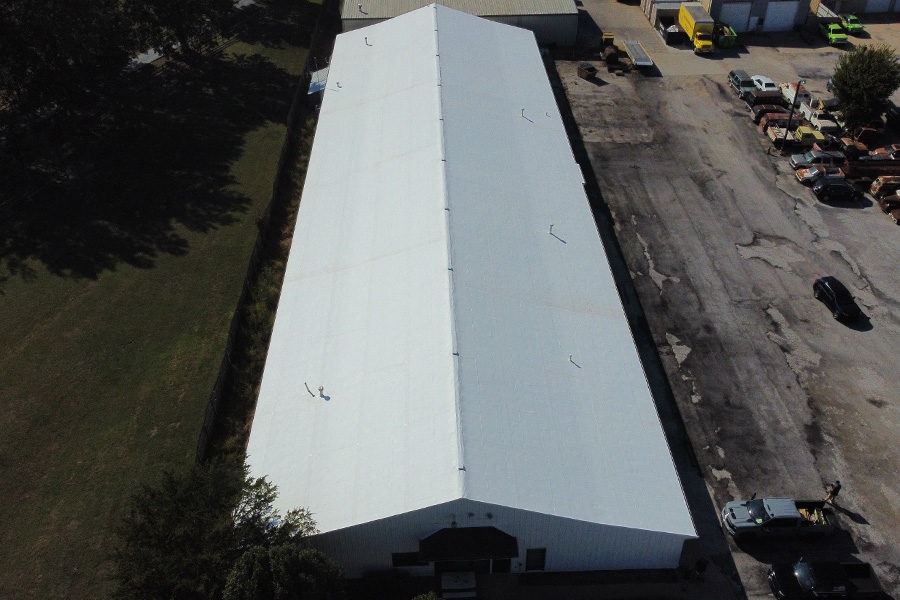
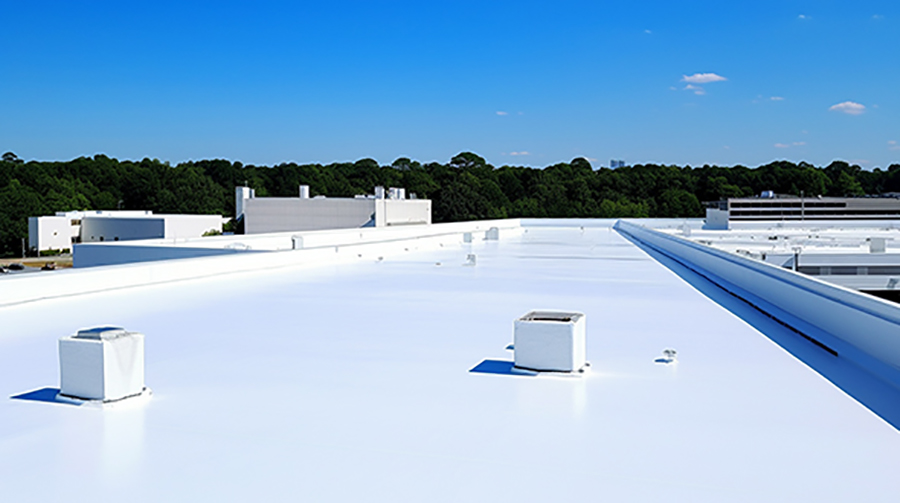
Product imagery should help buyers understand roll format, project scale and roof-system application. For this fleece-backed page, add a dedicated close-up of the actual polyester fleece underside when the final product photo is available.

,
Buyer Checklist

What to send DERFLEX before requesting a fleece backed TPO quote

A useful quotation starts with the roof and system requirements, not only quantity.

Roof & system information

  • Project location and building type
  • New roof, tear-off reroof or recover project
  • Roof deck, insulation, cover board and existing membrane
  • Fully adhered or other intended attachment direction
  • Required adhesive system or compatibility constraints
  • Wind, fire, code or approval requirements

Membrane & order information

  • Target TPO membrane thickness and whether total composite thickness is specified
  • Fleece backing requirements and internal reinforcement requirement
  • Roll width, roll length and surface color
  • Total roof area / order quantity and destination
  • Required test reports, labels, packaging and private-label needs
  • Sample or pre-production approval requirement
FAQ

Fleece backed TPO membrane questions buyers ask

Short answers for contractors, distributors and project procurement teams.

What is the difference between fleece backed TPO and standard reinforced TPO?

Fleece-backed TPO adds a polyester fleece layer to the underside to create a different bonding interface for compatible adhered and recover assemblies. Standard reinforced TPO is defined mainly by its internal scrim reinforcement and is commonly used as field membrane in mechanically attached or compatible adhered systems. Some fleece-backed membranes can also contain internal reinforcement, so specify both reinforcement and backing instead of treating them as mutually exclusive terms.

Is fleece backed TPO mainly for fully adhered roofing?

Fully adhered roofing is a common procurement intent because the fleece provides a textured underside for compatible adhesive systems. However, the permitted installation method depends on the exact membrane construction and tested/approved roof assembly, so the final system should be confirmed for the project.

Can fleece backed TPO be installed over an existing roof?

Sometimes. Fleece-backed TPO is often evaluated for roof recover work, but only when the existing assembly is dry, stable, compatible and accepted by the project design. Trapped moisture, damaged insulation, poor drainage, unstable layers or incompatible surfaces can make recover unsuitable.

Does fleece backing make TPO self-adhered?

No. Polyester fleece is a backing and bonding interface; it is not automatically a factory-applied pressure-sensitive adhesive. A compatible adhesive or system-specific attachment method is still required unless the exact product is specifically designed as a self-adhered construction.

How are the seams of fleece backed TPO joined?

The TPO surfaces at the designed seam zone are normally joined by hot-air welding. The backing should not interfere with the required weld area. Confirm the product's lap design, overlap dimension, welding procedure and field quality-control method before installation.

What thickness should I specify for fleece backed TPO?

Thickness should be selected with roof traffic, puncture exposure, climate, service expectation, code requirements and the full assembly. DERFLEX currently discusses 1.2 mm, 1.5 mm, 1.8 mm and 2.0 mm TPO membrane directions. Clarify whether your specification refers to membrane-only thickness or the overall fleece-backed composite.

What information should I send for a DERFLEX quotation?

Send project location, roof type, existing substrate, target membrane thickness, fleece/backing requirement, roll size, color, attachment concept, quantity, destination, required standards/test documents and packaging or private-label requirements. This allows the quotation to be aligned with the intended roof system instead of a generic roll.

Project RFQ

Request a fleece backed TPO membrane specification

Send the roof condition and the membrane construction together. DERFLEX can then discuss a practical product direction for project supply, distribution or OEM programs without reducing the decision to thickness alone.

1. Roof type & substrate 2. New roof / recover 3. Membrane thickness 4. Fleece / reinforcement 5. Roll size & quantity 6. Standards & destination
Consulting Services
+86-021-54361792 / 54361798
Email
sales@derflex.com