


Fuel Bladder Material for Welded Flexible Fuel Tanks
DERFLEX supplies reinforced fuel bladder material for collapsible fuel tanks, diesel storage bladders, marine fuel bags, emergency field fuel systems and OEM flexible tank production. Instead of selling a generic waterproof fabric, we help buyers build a material specification around the real liquid, welding method, tank capacity and working environment.
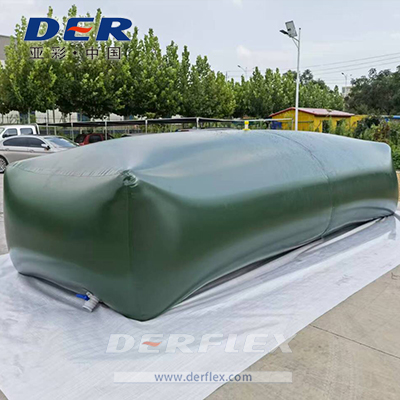
What Is Fuel Bladder Material?
Fuel bladder material is a technical coated fabric used to manufacture flexible fuel containers. A woven polyester or nylon reinforcement gives the tank body tensile strength, tear resistance and dimensional support. A TPU, PVC or custom coating system creates a weldable, flexible and liquid-resistant surface for sealed bladder construction.
For finished fuel bladders, the flat fabric is only one part of the performance system. Real reliability depends on coating formulation, base fabric strength, seam weldability, reinforcement patch design, valve and flange zones, folding behavior, abrasion exposure and compatibility with the stored liquid.
DERFLEX focuses on material selection for manufacturers and project buyers who need roll goods for repeatable production, not only a sample swatch that looks good on the table.
Why the material choice matters
Fuel bladders are often folded, dragged, filled, emptied, stacked, packed, transported and exposed to outdoor weather. Many failures begin around seams, corners, welded patches, fittings and ground-contact areas rather than the middle of the fabric sheet.
- Tank capacity affects base fabric strength and coating thickness.
- Fuel type affects coating compatibility and testing requirements.
- Welding equipment affects surface finish and coating direction.
- Outdoor use affects UV, abrasion and cold-flexibility requirements.
- OEM production affects roll width, color and batch consistency.
How DERFLEX Builds the Right Fuel Bladder Fabric Direction
The best fuel bladder material is not always the thickest material. It should balance fuel-contact review, strength, flexibility, weldability, packing volume and long-term supply control.
Fuel-Contact Review
Diesel, gasoline, aviation fuel, kerosene, biofuel, hydraulic oil and lubricating oil may have different additives and storage behaviors. DERFLEX recommends sample immersion testing before bulk production.
Seam Welding Behavior
Fuel bladders require stable weld windows. Material should be tested with the buyer's real HF, hot-air, wedge or heat-sealing equipment, including seam overlap and reinforcement patches.
Folding & Deployment
Flexible tanks must pack down compactly and recover after storage. TPU directions can be evaluated when soft folding, cold flexibility and repeated deployment are important.
Abrasion & Ground Contact
Fuel bladder bags may sit on concrete, vehicle beds, pallets, ship decks, soil or ground sheets. Base fabric, coating thickness and surface finish should match the handling risk.
Fitting-Zone Strength
Valve, flange, air vent, drain and lifting areas need reinforcement planning. DERFLEX can help match patch material and coating direction for sample verification.
Repeatable OEM Supply
Manufacturers need stable roll width, weight, color, surface, packing and documentation across repeat orders. DERFLEX supports specification-controlled roll supply for OEM tank factories.
DERFLEX Fuel Bladder Material Options
The following specification direction helps buyers prepare quotation details and sample requests. Final values should be confirmed by project testing and tank engineering review.
| Product Name | Fuel bladder material, TPU fuel bladder fabric, PVC fuel tank fabric, reinforced coated fabric for flexible fuel tanks. |
|---|---|
| Material Structure | Polyester or nylon base fabric with TPU coating, PVC coating or custom coated textile structure according to tank design and budget. |
| Base Fabric Direction | Common options include 840D, 1000D, 1500D, 1680D polyester or nylon, plus high-tenacity custom constructions for larger tanks or rough handling. |
| Coating Side | Single-side coated, double-side coated or laminated structure. Double-side TPU is often evaluated when both surfaces need sealing, cleaning, folding and abrasion performance. |
| Weight & Thickness | Custom lightweight, medium-duty and heavy-duty constructions. Typical project direction can range from compact portable bags to thicker industrial bladder materials. |
| Roll Width | Common industrial roll widths plus custom wide-roll support. Wider fabric can reduce seam quantity and improve cutting efficiency for large pillow tanks. |
| Surface Finish | Matte, glossy, smooth, embossed, anti-blocking or textured finish depending on welding process, cleaning requirement, appearance and handling needs. |
| Color Options | Army green, black, grey, blue, orange, custom safety color and OEM brand color subject to MOQ and technical feasibility. |
| Fabrication | Designed for sample trials with HF welding, hot-air welding, wedge welding, heat sealing and compatible reinforcement patch bonding. |
| Testing Reminder | Fuel immersion, seam peel strength, folding cycle, puncture, abrasion, low-temperature flexibility and fitting-zone reinforcement should be verified before mass production. |
TPU vs PVC vs Rubberized Fuel Bladder Fabric
Different fuel bladder projects need different material strategies. DERFLEX can support technical discussion from cost-effective PVC coated fabric to premium TPU coated fabric directions, helping buyers compare realistic options before ordering samples.
| TPU Coated Fabric | Best considered for premium collapsible fuel bladders where flexibility, welding behavior, abrasion resistance, cold performance and clean technical textile appearance are important. |
|---|---|
| PVC Coated Fabric | Cost-effective direction for industrial liquid bags and certain fuel or oil storage applications after compatibility review. Useful when budget, thickness and heavy-duty handling are central. |
| Rubberized Fabric | Traditional direction for some legacy or specialty bladders. Buyers should compare cost, supply stability, fabrication method, weight and required compliance before choosing. |
Where material zones need attention
Where Fuel Bladder Material Is Used
Fuel bladder material is purchased by manufacturers and project suppliers that need a lightweight, foldable and weldable alternative to rigid tanks.
Collapsible Fuel Tanks
Roll material for pillow tanks, portable fuel containers and flexible storage bladders used at field camps, construction projects and remote sites.
Diesel & Generator Bladders
Fabric direction for temporary diesel supply, backup power, mobile service trucks, remote machinery and emergency generator fuel storage.
Marine Fuel Bags
Flexible fuel bag material for marine auxiliary storage, offshore maintenance support and space-saving deck or vessel applications after project testing.
Emergency Response Fuel
Deployable fuel containment material for disaster relief, temporary refueling points, field logistics and urgent energy supply programs.
Mining & Construction
Heavy-duty coated fabric direction for fuel logistics where handling, ground friction, dust, UV exposure and repeated transport are important.
OEM Tank Programs
Repeat roll supply for tank factories requiring custom width, surface, color, roll labels, export packing and consistent sample-to-bulk production.
Recommended Verification Before Bulk Orders
Fuel storage is a safety-sensitive application. A practical test plan reduces the risk of seam failure, wrong coating selection and poor field performance.
Confirm diesel, gasoline, jet fuel, oil, additive, storage time and temperature range.
Choose base fabric, TPU or PVC coating, target thickness, surface and roll width.
Test seam strength with real HF, hot-air, wedge or heat-sealing equipment.
Check folding, abrasion, puncture, fitting patches, dragging and cold flexibility.
Confirm GSM, width, color, surface, packing and repeat-order inspection rules.
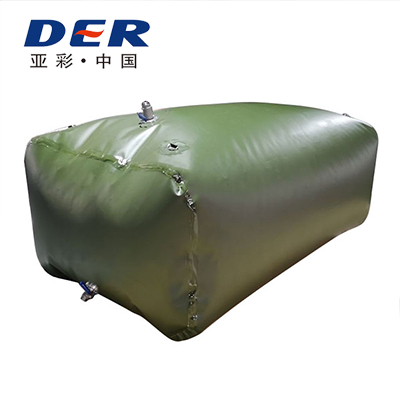
Built for Fuel Bladder Manufacturers, Not Only Material Traders
DERFLEX works across TPU coated fabric, PVC coated fabric, tarpaulin, technical membranes and industrial coated textiles. This allows our team to compare different material directions instead of forcing every buyer into one standard product.
- Specification engineering: material recommendation based on tank size, liquid, welding method, storage time and operating conditions.
- Custom production: base fabric, coating side, total weight, width, color, finish, hardness direction and packaging can be developed for OEM projects.
- Factory supply discipline: roll-to-roll control, visual inspection, export packing and repeatable order management support long-term production.
- Global buyer support: DERFLEX serves distributors, OEM tank makers, project contractors and industrial buyers in international markets.
Request a Fuel Bladder Material Recommendation
Send your fuel type, tank capacity, target storage time, welding method, working temperature, roll width, color, expected order quantity and destination port. DERFLEX will help you prepare a practical fabric direction for sample testing and quotation.
Explore Related DERFLEX Pages
These pages help buyers compare fuel bladder material, TPU fabric directions, finished flexible tank products and alternative coated fabric options.
Fuel Bladder Material FAQs
Questions commonly asked by tank factories, fuel bladder manufacturers, distributors and industrial project buyers.
What is the best material for a fuel bladder?
There is no single best material for every fuel bladder. TPU coated fabric is often evaluated for premium flexible tanks because it can offer flexibility, weldability, abrasion resistance and cold performance. PVC coated fabric can be considered for cost-sensitive or industrial applications after fuel-contact review. Final selection should be based on the actual fuel, tank size, welding method and service environment.
Can fuel bladder material store diesel or gasoline?
Fuel bladder material can be developed for diesel, gasoline, aviation fuel, kerosene, lubricating oil and related liquids, but the actual coating formulation must be verified with the exact liquid and additives. DERFLEX recommends sample immersion, seam testing and finished tank review before commercial use.
Should I choose TPU or PVC fuel bladder fabric?
TPU is usually considered when flexibility, foldability, premium surface, low-temperature behavior and weldable seam performance are important. PVC may be selected when the project needs a heavy-duty and cost-effective material direction. DERFLEX can help compare both options according to budget, storage time and tank design.
What thickness is suitable for fuel bladder material?
Thickness depends on tank capacity, fuel type, reinforcement design, folding requirement and welding equipment. A thicker material can improve mechanical protection but may reduce flexibility and increase packing volume. Buyers should test both flat fabric and welded seam performance before deciding.
Can DERFLEX provide custom roll width and color?
Yes. DERFLEX can support custom roll width, color, surface finish, base fabric, TPU or PVC coating side, total weight, roll length, packaging and OEM labels depending on MOQ and technical feasibility.
What information should I send for a quotation?
Please send fuel type, expected storage time, tank capacity, shape, welding process, target GSM or thickness, roll width, color, order quantity, packing requirement and destination port. If you already have a sample or technical drawing, include it for faster material matching.
Does DERFLEX sell finished fuel bladders or only material?
DERFLEX focuses on coated fabric materials and can also support inquiries related to flexible fuel storage bladder products depending on project requirements. Buyers can request roll goods, material samples or finished product discussion through the quotation page.
Recommended URL: https://www.derflex.com/fuel-bladder-material.html