
01
Master sample
The signed and dated tarp, fabric swatch, welded panel or packed unit that shows the approved color, surface, hand feel and construction.



Keep a second, fifth or seasonal bulk tarp order aligned with the product your market approved. DERFLEX helps buyers connect the physical reference to measurable material, fabrication, inspection and packing requirements—so “same as last time” becomes a controlled production instruction.
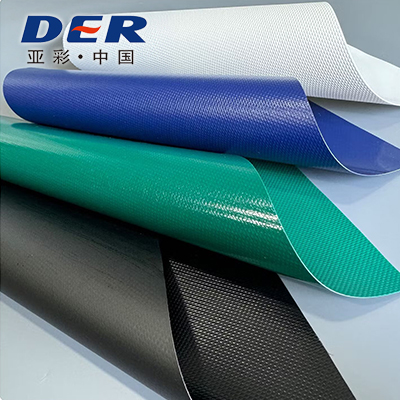
One reference, four control layers
A single “perfect” tarp can confirm appearance and workmanship, but it cannot describe every acceptable production variation. Reliable golden sample control for repeat tarp orders links the sample to data, boundary examples and a documented order history.
The signed and dated tarp, fabric swatch, welded panel or packed unit that shows the approved color, surface, hand feel and construction.
Material code, base fabric, coating route, nominal GSM, width, finished dimensions, components, tolerances and agreed test methods.
Written workmanship criteria and, where useful, approved limit samples that show the border between acceptable variation and a defect.
A traceable record of approved changes, production lots, inspection results, corrective actions and the current valid sample version.
Tarp-specific control matrix
The critical-to-quality list changes by application. A truck side curtain, industrial machine cover, construction tarp and retail packaged cover do not need the same acceptance priorities.
| Control area | What the physical sample shows | What the controlled document must state | Repeat-order verification |
|---|---|---|---|
| Material identity | Surface texture, flexibility, opacity, hand feel and visible scrim character. | Material or formula code, PVC coating/lamination route, polyester base fabric construction, nominal weight, thickness and width. | Confirm approved material code before production; measure agreed items from the new material lot. |
| Color & finish | Approved hue, gloss or matte appearance, embossing and surface treatment. | Color reference, comparison condition, acceptable instrumental or visual tolerance, finish code and any print requirement. | Compare new roll/first-off material under the agreed condition; record any approved deviation. |
| Mechanical performance | General strength direction and handling behavior, but not a full performance range. | Required tensile, tear, coating adhesion, weld strength, waterproofing or other application-relevant test criteria and methods. | Review supplier test results or requested third-party testing at the agreed sampling stage. |
| Finished dimensions | Overall proportion, edge construction and position of features. | Whether dimensions are cut size or finished size, tolerance, seam allowance, hem width, shrinkage consideration and measurement condition. | Measure first-off pieces and sampled finished tarps against the controlled drawing. |
| Seams & reinforcement | Weld appearance, seam direction, webbing, patches, corners, rope hems and stitch pattern where used. | Welding or sewing route, overlap width, reinforcement material, webbing position and workmanship acceptance points. | Check start-up settings, first-off construction and critical stress areas during fabrication. |
| Grommets & hardware | Hardware type, visible finish and installation orientation. | Material, diameter, spacing, edge distance, quantity, D-ring/strap specification and pull-test direction if required. | Measure layout and inspect attachment quality on sampled units; separate unapproved substitutions. |
| Branding & packing | Logo appearance, folded presentation, label position and packed-unit look. | Artwork revision, print location, barcode data, fold method, piece count, bag/carton/pallet format and shipping marks. | Approve current artwork and packing first-off; verify labels and quantities before release. |
The points above are a planning framework, not fixed product values. Final targets, tolerances, sampling and test methods should be agreed for the application and recorded in the approved order documents.
Repeat-order release route
Waiting until the finished shipment to compare against a golden sample is late. A repeat tarp order is more controllable when the reference is used at several release gates and differences are handled before they multiply across the batch.
Confirm the golden sample ID, drawing revision, material code, artwork, packing instruction and previous approved deviations. Do not rely on an email phrase such as “same quality.”
Review whether base fabric, coating inputs, color preparation, production route, subcontracted finishing, hardware or packing supply differs from the controlling order.
Compare the first roll, panel or finished tarp with the approved reference and check priority measurements before production volume grows.
Monitor coating appearance, roll transitions, cutting, finished size, welding or sewing, hems, reinforcement, grommet spacing, printing and packing first-offs as applicable.
Inspect sampled goods against the approved criteria, confirm labels and packing, record nonconformities and retain the production information needed for the next reorder.
Change-control triggers
A reorder may keep the same commercial SKU while changing something that affects performance, appearance or fabrication. These events should be reviewed before the old golden sample is reused.
Different yarn denier or density, coating route, formulation direction, finish, nominal GSM, thickness, width or component source.
A new color batch, gloss level, embossing, lacquer, print artwork, logo position or surface treatment can require visual and process re-approval.
Modified finished size, weld overlap, sewing method, hem, webbing, corner patch, grommet, D-ring, strap or rope construction.
A different production line, tool, welding setup, finishing partner or workflow may affect the output even when the drawing is unchanged.
New destination-market documentation, flame-retardant direction, UV expectation, cold-weather use, chemical exposure or test requirement.
Long storage, light, heat, folding or contamination can change a physical sample. Replace it through controlled approval rather than silently switching.
Fast procurement decision
A repeat-order control plan should distinguish a true repeat from a modified product. This protects lead-time planning without allowing small undocumented changes to accumulate into quality fade.
Built for B2B reorders
The framework is most useful when a tarp is part of an ongoing product line, fleet replacement plan, fabrication program or project schedule—not a one-time retail purchase.
DERFLEX works with PVC coated polyester materials, tarpaulin rolls and finished custom covers. For repeat B2B supply, the practical focus is to carry the approved requirement into material preparation, fabrication details, inspection and export packing.
Related DERFLEX resources
Use these pages to define the tarp type, material construction and manufacturing route that your approved reference needs to control.
Buyer questions
Practical answers for buyers converting an approved sample into a controlled reorder instruction.
A tarp golden sample is the mutually approved physical reference for the intended material, color, surface, construction, finishing and packing. It should carry an item code, revision, approval date and signatures, and it should be used together with a written specification and inspection checklist.
No. A physical sample is useful for appearance, hand feel and construction comparison, but it does not define every measurable tolerance. The approved technical specification should state the test method, target or acceptable range for critical items such as weight, thickness, width, tensile or tear direction, coating adhesion, weld quality and finished dimensions.
Keeping matched, identified references on both sides reduces the risk of sample mix-ups and gives the buyer, factory and any independent inspector a common comparison point. The storage method and replacement date should also be recorded because color, surface and flexibility can change as a sample ages.
Re-approval should be considered when the material structure, coating formulation, color standard, base fabric, production route, dimensions, seam design, reinforcement, hardware, print artwork, packaging or relevant test method changes. The buyer and supplier should agree which changes require a new revision before production.
The factory can compare incoming material and first-off output with the approved reference, check critical points during fabrication, and use the same reference during final release. Measured results and any approved deviations should be attached to the repeat-order record.
Send the previous item code or order reference, current specification or approved sample details, application, material structure, GSM or thickness, width or finished size, color, seams, reinforcement, hardware spacing, logo, labels, packing, quantity, destination and any requested inspection or testing requirements.
Prepare the next production run
Send DERFLEX the previous order information, current sample or specification, required changes, quantity and packing details. The team can review the control points and discuss a suitable route for PVC tarp material, cut panels or finished covers.