A useful RFQ gives engineering and purchasing teams enough information to compare the same product architecture across suppliers.
Application and contaminant: air, smoke, welding fume, oil mist, chemical vapor, dust or other media.
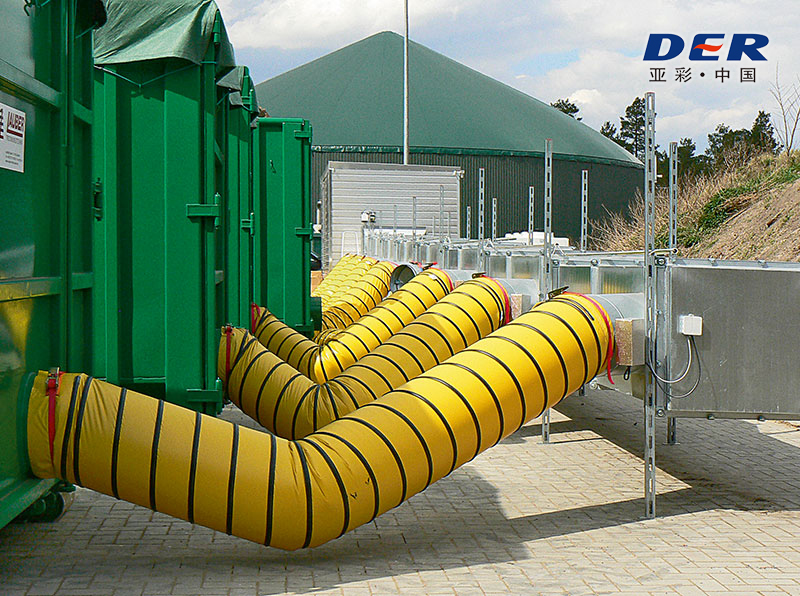
Fan make/model, airflow data and whether the hose is on the suction or discharge side.
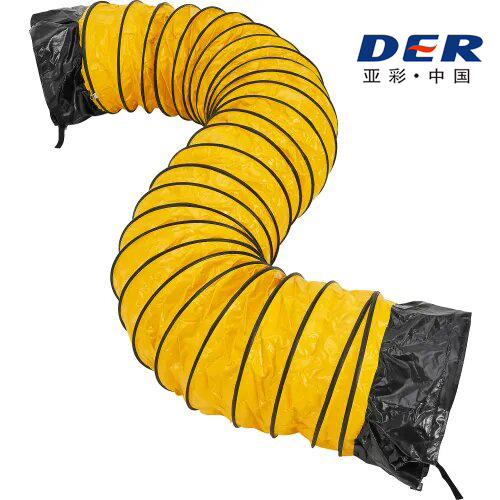
Required internal diameter, total route length and preferred section length.
Continuous temperature, short peak temperature, radiant heat and distance from the heat source.
Approximate number of bends, bend radius, repeated movement or vibration requirements.
Actual fan outlet or machine interface dimensions, preferably with a photo or drawing.
Required cuff, clamp, ring, zipper, flange, belt or adapter connection.
Chemical exposure, moisture, abrasion, sparks and cleaning method.
Named fire, static, environmental or customer-specific test requirement, if applicable.
Quantity, OEM marking, color, packaging, destination and target delivery schedule.