


High Temperature Flexible Duct Manufacturer
Custom flexible ducting for hot air, process fumes and industrial exhaust—specified around the actual temperature profile, airflow direction, heat-source distance, media and movement instead of a single catalog temperature number.
Continuous, peak and radiant exposure reviewed separately.
Silicone-coated fiberglass and project-matched technical textiles.
Helix support, seam design and cuffs matched to airflow duty.
Diameter, length, connection, color, labeling and packing can be reviewed.
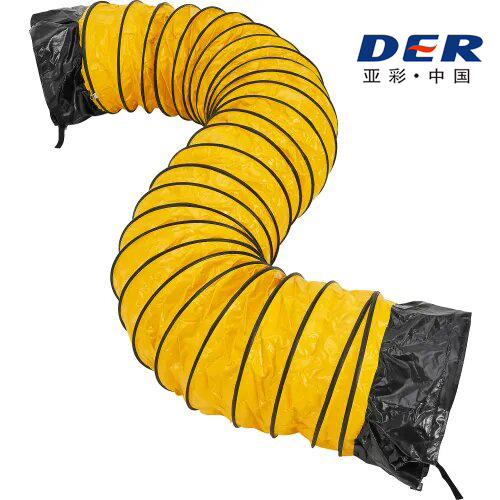
Send the operating conditions before asking for a temperature rating.
Why “Maximum Temperature” Is Not Enough to Specify a Flexible Duct
High-temperature flexible ducting fails for more reasons than overheating. The same measured air temperature can create very different loads when the duct is close to a furnace wall, repeatedly flexed, exposed to condensate, or pulled under negative pressure.
Five thermal loads to separate in the RFQ
- Continuous air temperature: the normal temperature of the moving gas stream during steady operation.
- Short peak temperature: start-up, regeneration, purge or process spikes that may last seconds or minutes.
- Radiant heat: energy received from a nearby engine, oven, furnace or hot pipe even when internal air is cooler.
- Direct flame / spark exposure: a separate hazard that should never be treated as equal to hot-air service.
- Thermal cycling: repeated hot/cold changes that can stress coatings, seams, wire bonding and end connections.
Mechanical conditions are part of the temperature decision
A heat-resistant fabric does not automatically create a reliable high temperature flexible duct. The finished assembly also depends on the wire helix, pitch, seam or bonding method, end cuff, clamp zone, bend radius and how often the duct moves.
For exhaust and suction, the hose must remain open under negative pressure. For equipment that vibrates or moves, repeated flexing may become the life-limiting factor before the material reaches its thermal limit.
DERFLEX selection logic: define heat + media + pressure + movement first; then select the composite wall and assembly details.
Choose the Material System by the Real Heat Zone
The ranges below are procurement directions, not blanket ratings for every finished duct. Final allowable temperature must be confirmed for the exact material, reinforcement, seam system and exposure cycle.
Coated polymer ducting
Useful for warm-air transfer, temporary ventilation and many general industrial duties when the actual service temperature remains within the selected polymer grade. Standard PVC ventilation duct should not be assumed suitable near intense heat sources.
Silicone-coated fiberglass
A practical material direction for elevated-temperature air and flexible connector applications. The fiberglass provides heat-resistant reinforcement while silicone adds a flexible protective surface. Exact continuous and peak limits depend on the selected grade.
Special engineering review
Continuous service above the confirmed silicone-composite range may require another construction such as metal, ceramic textile, PTFE/aramid combinations or a hybrid assembly. Media chemistry, abrasion, pressure and movement must be reviewed before material selection.
A High-Temperature Duct Is a Composite Assembly
The duct wall, helix and connection zones work together. DERFLEX can review the coated textile and finished-product converting as one specification.
Heat-resistant outer / inner wall
Silicone-coated fiberglass is a common flexible direction where elevated temperature, handling and surface protection need to be balanced.
Fiberglass reinforcement
Provides dimensional stability and a heat-resistant textile backbone. Weave, thickness and coating loading influence drape and durability.
Helical support
Galvanized or selected steel wire can maintain the airway under suction, support bends and control collapse. Wire gauge and pitch are project variables.
Seam / bonded construction
The joining method must tolerate heat and flexing without becoming the weak point. Construction is selected according to the chosen textile and operating duty.
End cuffs & connection zones
Clamp-ready cuffs, adapters or custom ends should be designed around fan outlets, exhaust ports and repeated installation loads.
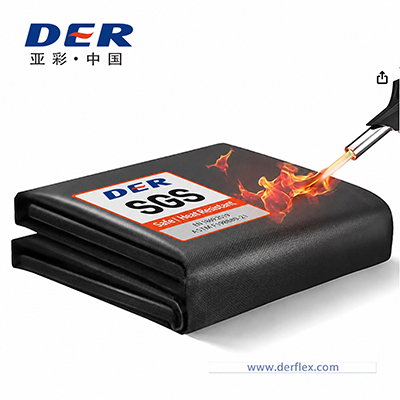
Reference High Temperature Flexible Duct Specification Fields
Use this table to prepare a comparable RFQ. It is intentionally built around engineering variables instead of presenting one universal stock model.
| Parameter | Typical Project Direction | Why It Matters |
|---|---|---|
| Product type | High temperature flexible duct / hot air duct / industrial exhaust duct | Defines the application family and expected service environment. |
| Wall material | Silicone-coated fiberglass or other project-matched technical textile | Controls thermal, chemical, abrasion and flex characteristics. |
| Continuous temperature | State actual normal operating temperature | Primary basis for choosing the composite grade. |
| Peak temperature | State peak value and duration | Short spikes can require a different safety margin than continuous heat. |
| Nominal diameter | Custom by airflow and equipment interface | Affects velocity, pressure loss, bend behavior and connection fit. |
| Section length | Custom by route, handling and replacement plan | Long sections reduce joints; shorter sections can simplify service and replacement. |
| Reinforcement | Helical wire / ring support / project structure | Needed for suction, shape retention and routing through bends. |
| Airflow mode | Positive pressure / negative pressure / exhaust | Determines collapse resistance and structural support. |
| Connection | Clamp cuff, drawstring, sleeve, flange adapter or custom | Connection leakage and mechanical stress can control field performance. |
| Movement duty | Static, occasional repositioning or repeated flexing | Frequent motion changes fatigue and wire/seam requirements. |
| Media | Hot air, smoke, process fumes, exhaust gas, oil mist or specified vapor | Chemical compatibility must be reviewed separately from temperature. |
| Documentation | Data sheet, agreed inspection items and requested test method | Creates a repeatable basis for approval and future orders. |
Match the Duct Structure to How It Actually Moves Air
Two ducts made from the same heat-resistant fabric can need different reinforcement because the pressure direction and installation behavior are different.
For blowing or positive-pressure transfer, the duct wall is supported by internal air pressure. Reinforcement is still useful around bends, equipment interfaces or higher mechanical loads.
Negative pressure can collapse an unsupported flexible tube. Continuous wire or ring reinforcement may be required to keep the passage open.
Short flexible sections can decouple equipment movement from rigid ducting, but the selected fabric and joining method must tolerate cyclic motion and heat together.
Temporary exhaust and maintenance setups may prioritize compressibility, fast connection and repeated repositioning in addition to temperature resistance.
Where High Temperature Flexible Ducting Is Commonly Specified
Application names are only a starting point. The actual gas temperature, chemistry, particulate load, pressure and heat-source geometry must still be confirmed.
Ovens & Dryers
Flexible hot-air transfer and exhaust connections around industrial ovens, drying equipment, curing lines and heat-processing machinery.
Generators & Engine Test Areas
Temporary or equipment-connected exhaust/fume routing where heat, vibration and installation flexibility occur together.
Foundries & Welding Extraction
Local extraction of hot fumes and process air near welding stations, furnaces and metalworking zones, subject to spark and particulate review.
High-Heat Air Transfer
Flexible sections for industrial ventilation systems that must route elevated-temperature air around fixed equipment or constrained spaces.
Portable Exhaust Setups
Short-term ventilation and exhaust routing during shutdowns, repair work, confined-space maintenance or process cleaning.
Machine-Built Duct Assemblies
Custom duct lengths, cuffs, colors and labeling for equipment manufacturers requiring repeatable flexible exhaust or hot-air components.
From Application Data to a Repeatable Production Specification
A B2B duct program becomes easier to reorder when the product is controlled by documented material, dimensions, reinforcement and connection details.
Operating Review
Temperature, media, airflow, pressure, movement, diameter and route are clarified before material selection.
Material Direction
Coated textile grade, coating side, thickness and reinforcement direction are matched to the duty.
Assembly Design
Helix pitch, seam construction, cuffs, adapters and clamp zones are defined for the finished duct.
Inspection Plan
Dimensions, appearance, reinforcement, connection details and agreed tests are recorded before bulk release.
Repeat Supply
Approved specifications, labeling and packing details can be retained to support OEM and replacement orders.
How to Compare High Temperature Flexible Duct Manufacturers
A technically useful quotation should let your engineering and purchasing teams see what is being offered—not hide the critical choices behind a broad “high-temp” label.
DERFLEX: coated-material knowledge + finished duct fabrication
DERFLEX already manufactures flexible ventilation duct assemblies and supplies silicone-coated fiberglass materials. That combination supports a specification discussion that starts with the thermal composite and continues through the finished duct geometry.
- 20+ years coated-fabric manufacturing experience
- 60,000㎡ integrated production area
- 450+ employees and 25+ senior engineers
- Customers in 120+ countries and regions
- OEM material and finished-product programs
Continue the Duct & Material Selection
These six internal pages are closely related to high-temperature flexible duct projects and help separate material, pressure and finished-product decisions.
High Temperature Flexible Duct Manufacturer FAQ
What information should I send to a high temperature flexible duct manufacturer?
Send the continuous and peak temperature, peak duration, heat-source distance, whether there is radiant heat or direct flame/spark exposure, the gas or fume composition, airflow and pressure direction, diameter, length, bends, movement frequency, connection style and any required test standard. This is more useful than sending only diameter and “high temperature.”
What material is commonly used for heat-resistant flexible ducting?
Silicone-coated fiberglass is a common material direction for elevated-temperature flexible air and fume handling because fiberglass provides heat-resistant reinforcement and silicone provides a flexible protective surface. Other temperature zones or chemical conditions may require PTFE, aramid, ceramic textile, metal or hybrid constructions.
Can DERFLEX make flexible ducting for suction or negative pressure?
DERFLEX manufactures wire-reinforced flexible ventilation duct formats for suction and exhaust duties. For a high-temperature version, reinforcement, wall material, seam construction and the required collapse resistance should be reviewed together with the fan and operating temperature.
Can I specify a 300°C or 400°C high temperature flexible duct?
You can send that requirement, but it should not be accepted as a generic catalog claim. Selected silicone-coated fiberglass grades are commonly used around the mid-200°C continuous range, while some competing duct systems use different constructions for higher temperatures. For 300–400°C continuous duty, DERFLEX should first review the exact heat profile, gas composition, pressure, movement and alternative material system before confirming feasibility.
Is high temperature flexible ducting automatically flameproof?
No. Heat resistance, flame-retardant behavior and direct-flame resistance are different properties. The required fire or flame test must be specified for the exact market and application, and the relevant report should apply to the selected material or finished construction.
Can DERFLEX customize diameter, length and end connections?
Yes, DERFLEX’s flexible duct programs are project-configured. Diameter, section length, wire reinforcement, cuffs, clamp-ready ends, suspension details, color, identification marks and packing can be reviewed according to the equipment interface and order plan.
Need a high-temperature duct that matches the real operating conditions?
Send continuous/peak temperature, media, airflow direction, diameter, length, connection and movement details. DERFLEX can review a practical material and construction direction for sampling and quotation.