Tarp Repair Tape
Best for small punctures, short tears and emergency field repairs when speed matters.
Fast
Usually temporary



Repairing a tarp starts with one decision: identify the material before choosing tape, glue, heat, stitching or a replacement panel.
This guide explains how to patch PVC and vinyl tarps, repair PE and canvas covers, deal with holes near grommets and hems, restore waterproofing, and decide when a damaged tarp is no longer worth repairing.
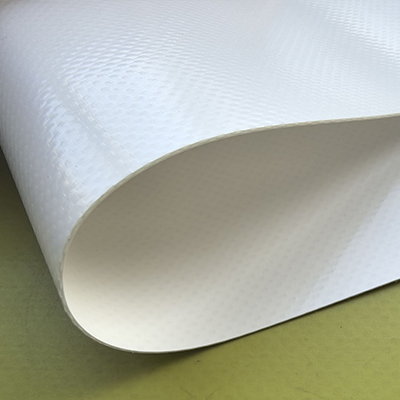
Material matters: PVC-coated polyester is usually repaired differently from PE woven tarp, canvas or mesh. Match the patch and bonding method to the original cover whenever possible.
For a small hole or tear, clean and dry the tarp, trim loose material, cut a rounded patch that extends beyond the damage, then bond it using a repair method compatible with the tarp material. Vinyl and PVC tarps can often be repaired with a matching PVC patch plus suitable vinyl adhesive or hot-air welding. PE tarps commonly use material-compatible repair tape or PE patch systems. Canvas can often be stitched and then sealed. Damage at hems, grommets or heavily tensioned zones may need a reinforced panel or full replacement rather than a simple surface patch.
The same patching method does not work equally well on every tarp. Surface chemistry, coating, woven structure and flexibility all affect adhesion and heat-welding behavior.
| Tarp Material | Typical Repair Options | Good For | Watch For |
|---|---|---|---|
| PVC / Vinyl Tarp | Matching PVC patch + vinyl/PVC adhesive; hot-air welding; repair tape for temporary use | Truck tarps, industrial covers, outdoor storage, equipment covers | Coating compatibility, surface cleanliness, cure time, overheating during welding |
| PE Tarp | PE-compatible repair tape, self-adhesive patch, stitched reinforcement in some constructions | Lightweight covers, temporary weather protection, general-purpose tarps | Some adhesives bond poorly to polyethylene; test before committing to a large repair |
| Canvas Tarp | Heavy-duty stitching, sewn patch, weather-resistant sealant or seam treatment | Breathable covers, equipment protection, traditional fabric tarps | Needle holes may leak unless sealed; wet or mildewed canvas should be dried before repair |
| Mesh Tarp | Mesh patch, sewing, edge webbing replacement, compatible tape for limited repairs | Dump truck covers, privacy screens, shade and debris control | Do not unintentionally block airflow with oversized solid patches |
| Unknown / Composite | Identify coating first; test adhesive or heat on a small non-critical area | Specialty coated fabrics and custom covers | Wrong solvent or excess heat can damage coatings, printing or finish |
Use the fastest method that is strong enough for the real load. A temporary field repair and a repeated-use truck tarp repair are not the same job.
Best for small punctures, short tears and emergency field repairs when speed matters.
A practical choice for many PVC or vinyl tarp holes and tears. Rounded patches reduce edge lifting.
Useful for compatible PVC-coated tarps when a workshop has controlled equipment and an experienced operator.
Common for canvas and some textile-based covers. The seam may need sealing to reduce water entry.
Helpful for larger holes and high-stress areas where a patch on only one face may peel or distort.
Often more sensible when the tear crosses a hem, reinforcement band, weld seam or grommet zone.
This sequence is designed for small-to-medium holes and tears in PVC or vinyl-coated tarps. Always follow the adhesive or equipment manufacturer's safety instructions.
Check the tear length, puncture shape, fabric aging, nearby seams, webbing, grommets and areas that are already thinning. Repairing one hole will not solve a wider material failure.
Remove mud, oil, dust and moisture using a cleaning method compatible with the coating. Adhesives and repair tape need a clean, dry surface to reduce edge lifting.
Lay the tarp on a stable work surface without tension. Trim loose fibers or damaged coating carefully, but do not enlarge the tear unnecessarily.
Use material compatible with the original tarp. Extend the patch beyond the damage on all sides. Rounded corners are less likely to catch and peel than sharp square corners.
For adhesive repair, follow the specified coating, tack and cure procedure. For hot-air welding, test temperature, airflow, speed and pressure on scrap material before touching the finished cover.
Apply even pressure so trapped air and wrinkles move toward the patch edge. Pay extra attention to the perimeter, where peeling often begins.
Do not immediately pull the tarp tight. Allow the repair system to reach the recommended cure state, then inspect the patch edge and test for water entry before returning it to demanding service.
The real cost is not the patch alone. Consider downtime, repeated failure, waterproofing, load security and how much useful life remains in the base material.
Usually a good repair candidate if the surrounding material is still flexible and strong.
RepairOften suitable for a matching patch, adhesive or controlled welding.
RepairNeeds structural reinforcement, panel work or professional fabrication rather than a simple surface patch.
EvaluateA patch may only move the failure to the next weak area. Replacement is usually the more reliable path.
ReplaceEdge damage needs a different mindset because the repair must spread tie-down force into healthy material instead of concentrating load at one new hole.
Do not install a new grommet through the same weakened hole without rebuilding the area first. Add a larger reinforcement patch or webbing layer, then position the replacement grommet in sound material according to the cover design.
A surface patch alone may not restore the original load path. Reinforce beyond the damaged hem and evaluate whether the webbing, seam or entire edge section should be replaced.
Corners often experience multidirectional tension. Use a larger rounded reinforcement zone and avoid creating sharp stress transitions at the patch edge.
This often points to an underlying specification or installation issue: insufficient reinforcement, excessive grommet spacing, sharp contact points, abrasion, incorrect tension or material that is too light for the application.
A repair that looks flat is not automatically waterproof or mechanically sound.
Look for lifted patch edges, dry adhesive spots, wrinkles, trapped debris or places where the patch did not fully contact the tarp.
Confirm the tear is not still propagating underneath the patch and that the opposite side has no sharp fibers or exposed reinforcement.
Before road, roof or high-wind use, test the repaired area under light tension and a controlled water check. Avoid full loading until the bonding system is adequately cured.
Most failed patches are not caused by the idea of patching itself. They come from mismatched material, weak surface preparation or ignoring the forces around the tear.
An adhesive that works on PVC may not bond well to PE or a specialty coating.
Dust, oil and moisture reduce contact and create pathways for lifting and leaks.
Sharp corners are easier to catch during folding and handling. Rounded corners reduce snag points.
A patch should spread stress into sound material, not sit right on the damaged boundary.
Grommet, hem and corner repairs need reinforcement logic, not just a cosmetic cover over the tear.
Early pulling can move the patch, open its perimeter or create bubbles before full bond strength develops.
If the tarp is brittle, cracked, heavily UV-aged or delaminating, replacement may be more economical than repeated patching.
These images are hosted on DERFLEX and can support Google Images visibility when paired with descriptive alt text, captions and relevant surrounding copy.
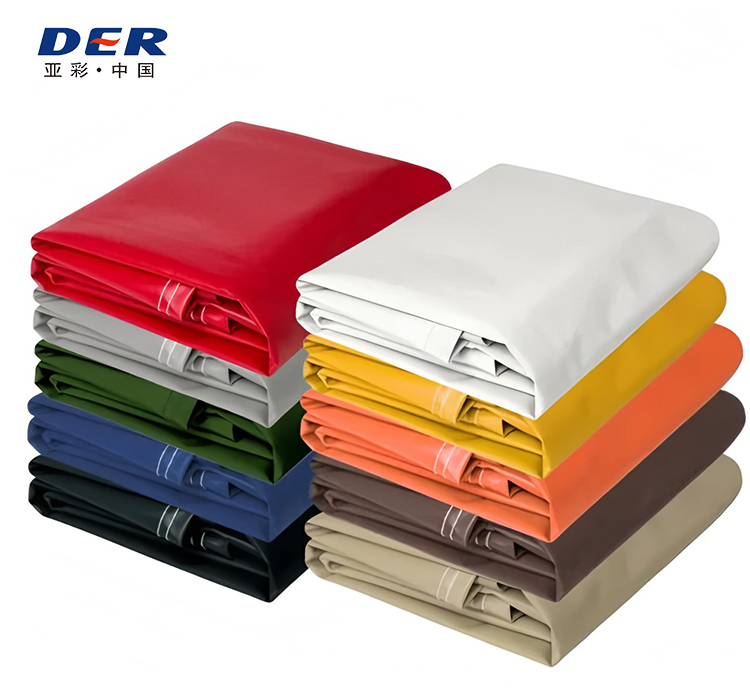
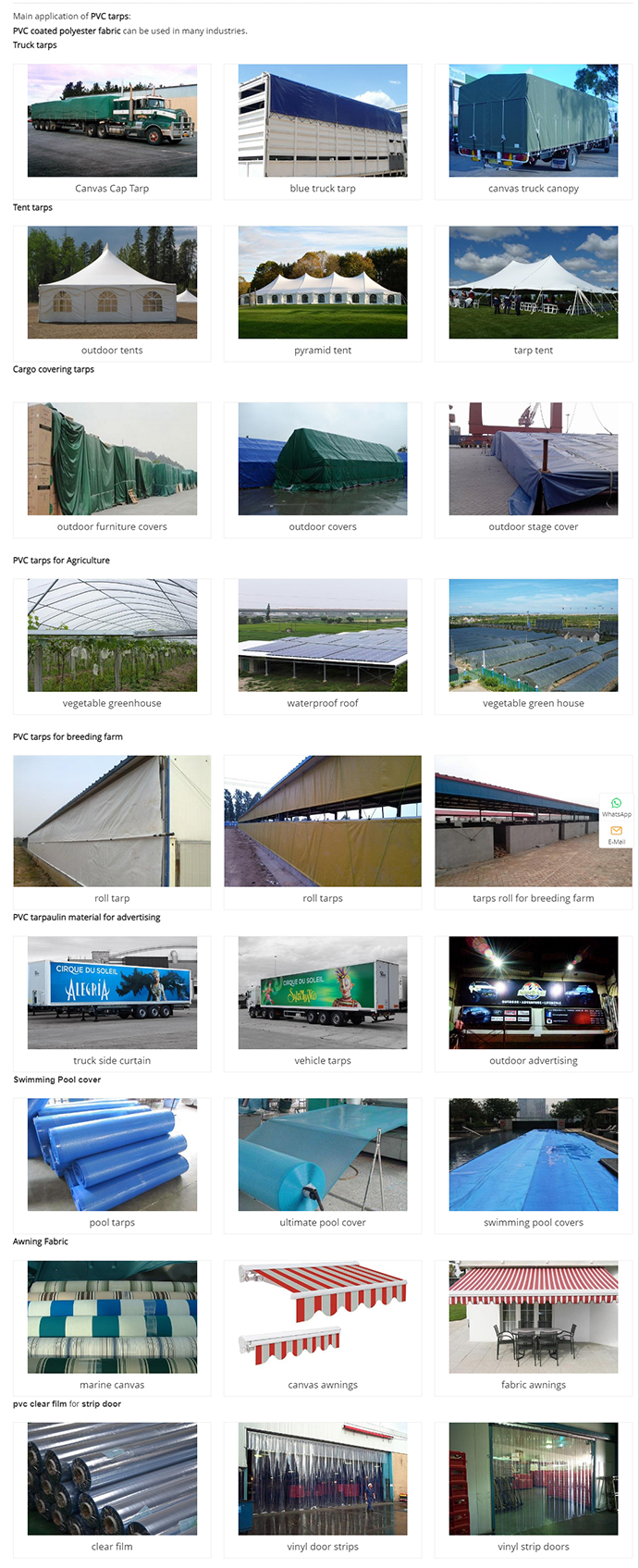
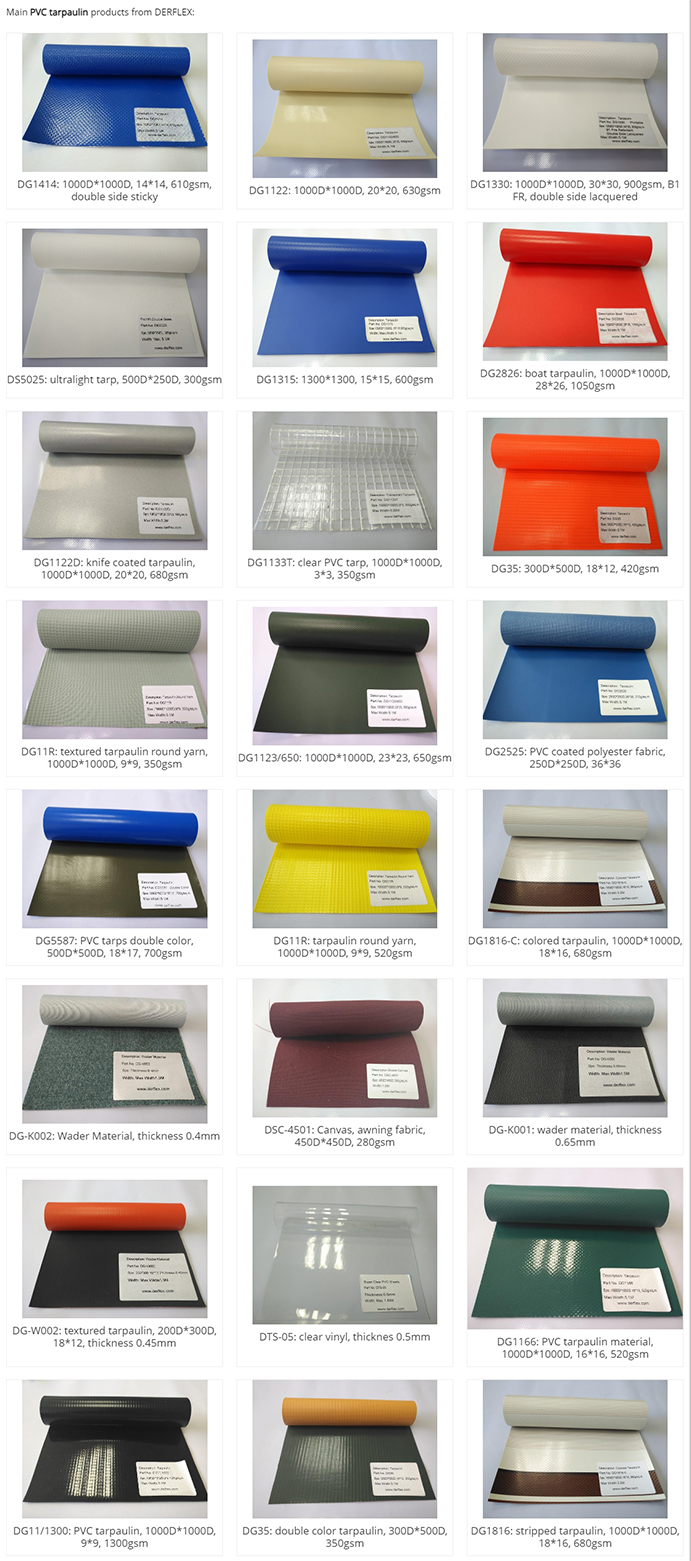
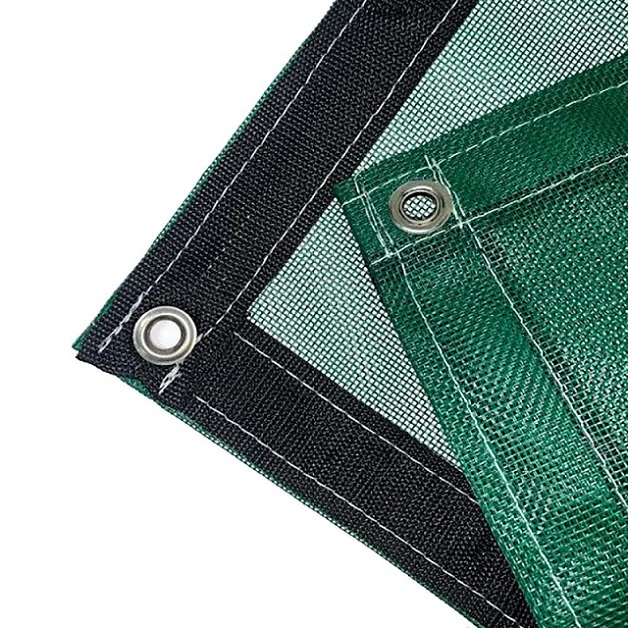

When the same tarp type is repaired repeatedly, standardizing patch material can reduce mismatched repairs and make field maintenance more predictable.
Match coating family, approximate weight, flexibility and finish to the tarp programs you service most often.
For recurring grommet, corner or strap failures, review reinforcement geometry instead of repeatedly patching the same weak point.
Frequent repair can indicate a material grade, UV package, edge structure or abrasion requirement that should be changed on the next production run.
These verified DERFLEX pages help buyers move from repair diagnosis to material selection, custom fabrication and replacement supply.
Send DERFLEX the tarp application, material type, finished size, approximate GSM or thickness, failure location, reinforcement details, color, quantity and destination. The team can review whether roll goods, cut repair panels or a custom replacement tarp is the more practical direction.
For a small puncture or short tear, clean and dry the surface and apply a material-compatible repair tape or patch. The correct method depends on whether the tarp is PVC/vinyl, PE, can, vas or mesh.
A long-lasting vinyl tarp repair usually uses a matching vinyl/PVC patch with compatible adhesive or controlled hot-air welding. Surface preparation, patch overlap, rounded corners and proper curing are important.
Duct tape can work as an emergency temporary repair, but repeated wind, folding, abrasion and moisture can reduce its service life. A material-specific repair system is usually better for demanding use.
Canvas and some textile covers can be sewn. PVC or waterproof tarps may require sealing around needle holes, and some coated materials are better repaired by patching or welding rather than sewing alone.
The patch should extend well beyond the damaged area into healthy material. The required overlap depends on tear size, material strength, tension and the repair system. Rounded corners are generally preferable to sharp square corners.
Reinforce the weakened zone first, then reinstall or relocate the grommet into sound material. A larger patch, webbing or edge rebuild may be needed because the area carries concentrated tie-down load.
DERFLEX can discuss PVC-coated fabric rolls, cut panels and custom finished tarps according to application, size, weight, color, surface finish, reinforcement and order requirement.