Controlled Odor Direction
Material can be developed around a project-specific sensory target, sample conditioning method and sealed-sample comparison rather than an undefined marketing statement.



 Low-odor formulation · custom coated textile supply
DERFLEX supplies odorless PVC tarpaulin and low-odor PVC coated polyester fabric for buyers who need controlled smell, waterproof performance, weldability and repeatable bulk specifications—not an unsupported “zero odor” label.
The material can be developed as roll goods, cut panels or fabricated covers. Odor expectation, restricted-substance targets, thickness, color, surface finish and processing method are confirmed around the actual end use and sample approval procedure.
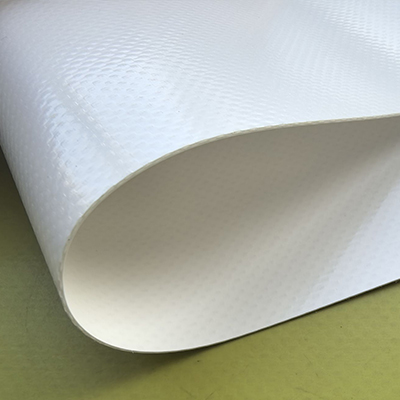
In B2B sourcing, “odorless” is usually a commercial description for a PVC tarpaulin designed to have no obvious unpleasant smell after agreed production conditioning and sample evaluation. It is not a universal certification, and it should not be interpreted as the complete absence of volatile substances under every temperature, storage condition or test method.
A newly produced flexible PVC roll can retain temporary process-related odor, especially when packed warm, stored in a sealed area or exposed to high temperatures. A reliable odorless PVC tarpaulin supplier therefore needs to discuss formulation, curing, ventilation, packing and the buyer’s acceptance procedure together.
“No obvious offensive odor when a conditioned sample is opened and assessed under the agreed room-temperature method.” The exact conditioning time, sealed-sample size and evaluation process should be written into the approved specification.
Glossy, matte, semi-matte, lacquered or embossed surfaces can be selected for cleanability, appearance, printability and handling.
Resin, plasticizer, stabilizer, pigment and functional additives are balanced against odor expectations, flexibility, welding behavior and target restrictions.
Yarn denier, weave and density provide tensile strength, tear support and dimensional stability for covers, curtains, bags and structures.
Double-sided coating supports waterproofing, abrasion protection, weldability and repeatable conversion into finished products.
The coating formula must still work as a technical textile. Smell alone is not a sufficient quality indicator.
Material can be developed around a project-specific sensory target, sample conditioning method and sealed-sample comparison rather than an undefined marketing statement.
The PVC layer creates a continuous water barrier. Finished-cover waterproofing also depends on seam welding, penetration points, installation slope and edge design.
Reinforced polyester fabric helps the tarpaulin tolerate pulling, repeated folding, tie-down loads and fabrication into reusable commercial products.
Suitable grades can be matched to hot-air, high-frequency or hot-wedge welding after equipment parameters and seam strength are confirmed.
UV resistance, anti-mildew, cold resistance, abrasion resistance and flame-retardant directions can be discussed according to the real use environment.
Approved color, hand feel, thickness, odor expectation, roll dimensions and packaging details can be recorded for wholesale and OEM replenishment.
Product development can cover coating, roll production, conversion behavior and finished-use performance.
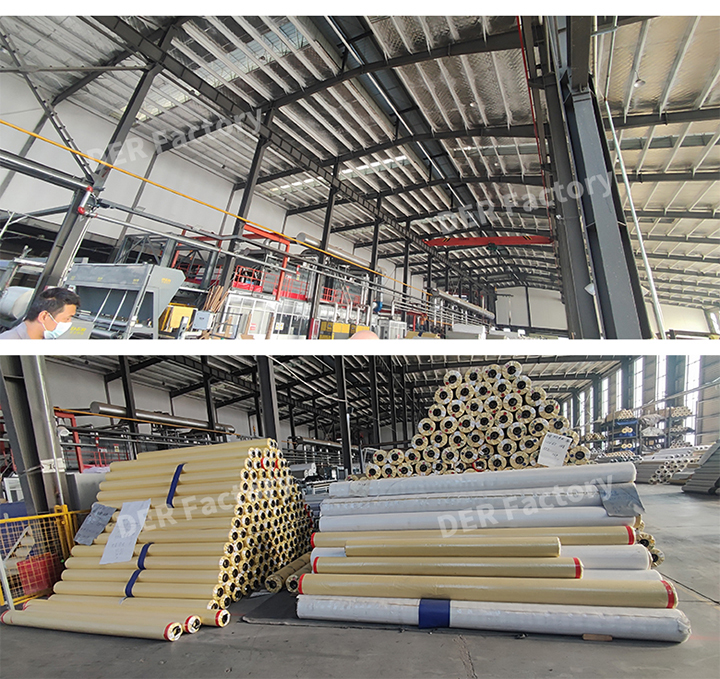
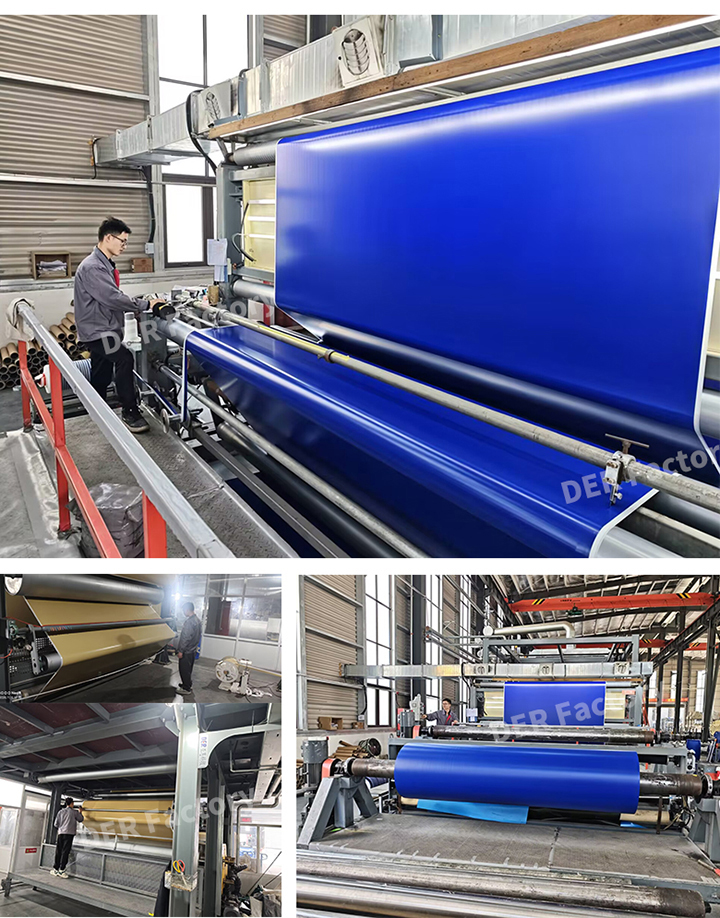
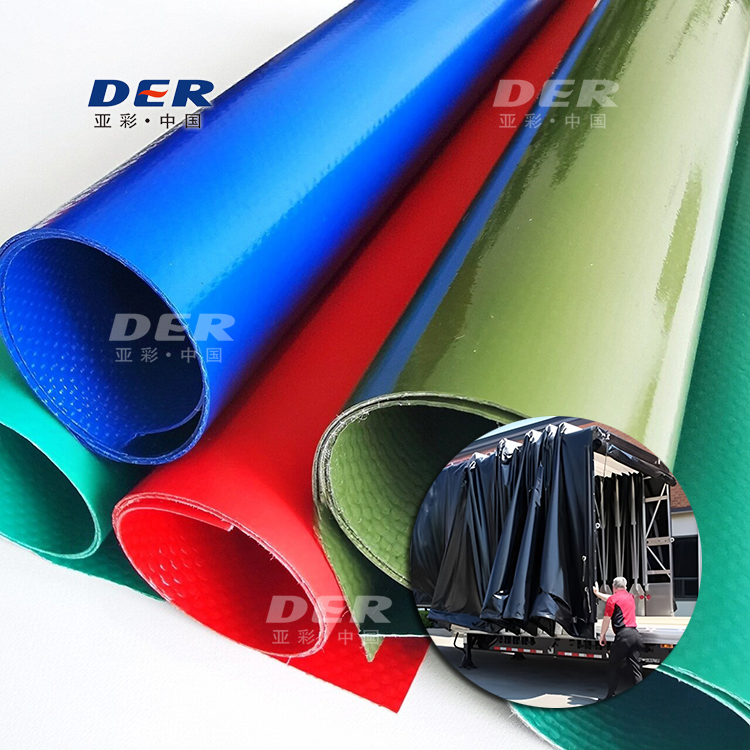
These values are sourcing directions. Final data must be confirmed by application review, sample approval and the signed production specification.
| Product Direction | Odorless PVC tarpaulin, low-odor PVC coated polyester fabric, custom odor-controlled tarpaulin roll, cut panel or fabricated cover. |
|---|---|
| Material Structure | High-tenacity woven polyester base cloth with one-side or two-side PVC coating; knife-coated or laminated route according to performance, flexibility and budget. |
| Typical Weight | Approximately 280–1200 gsm; frequently discussed low-odor project grades are around 400–900 gsm. |
| Typical Thickness | Approximately 0.25–1.20 mm. Thicker structures can be reviewed for liners, cushions, partitions and heavy-duty fabrication. |
| Width | Commonly 1.02–3.20 m. Selected structures may be discussed up to approximately 5.10 m depending on production route and order conditions. |
| Base Fabric | 300D, 420D, 500D, 600D, 840D, 1000D, 1100D, 1300D or project-specific yarn and weave. |
| Surface Finish | Glossy, matte, semi-matte, embossed, lacquered, printable or easy-clean direction. |
| Color | Standard colors or project-specific color matching; physical sample, Pantone or RAL reference can be discussed. |
| Temperature Direction | Typical outdoor grades may be discussed around -30°C to +70°C. Actual performance depends on formula, thickness, test method and exposure duration. |
| Odor Acceptance | Buyer-defined sensory target after agreed conditioning, sample sealing and room-temperature evaluation. Laboratory VOC or substance testing is separate and must be specified where required. |
| Functional Options | UV resistance, anti-mildew, anti-static, cold resistance, abrasion resistance, flame-retardant, anti-wicking, easy-clean or printable directions where technically applicable. |
| Restricted-Substance Options | Project-specific screening for selected phthalates, heavy metals, PAHs, organotin compounds, azo substances or a buyer-controlled restricted substance list. |
| Processing | Hot-air welding, high-frequency welding, hot-wedge welding, sewing, cutting, reinforced hems, webbing, eyelets, D-rings, rope edges, windows and custom conversion. |
| Supply Format | Roll goods, cut panels, welded sheets, finished covers, curtains, bags, liners or private-label packaging. |
The phrase “PVC odorless PVC tarpaulin” is often used in sourcing searches. In practice, buyers should replace that phrase with measurable odor, physical-performance and documentation requirements before ordering.
A controlled workflow reduces the risk of approving one sample and receiving a different production result.
Indoor or outdoor, contact scenario, climate, cleaning method and expected service conditions.
Conditioning time, sealed sample, evaluation temperature, panel method and acceptance wording.
Confirm color, hand feel, thickness, welding behavior, odor and required laboratory screening.
Roll production, cutting, welding, hems, hardware, labels, inner wrapping and export packing.
Inspection, retained sample, document review, packing confirmation and shipment coordination.
Application suitability still depends on the required performance, contact route and destination-market rules.
Partitions, equipment zones, warehouse curtains and temporary enclosures where workers may be close to the material.
Wall panels, roofs, canopies and shelters where low odor may improve the opening and installation experience.
Selected airtight products requiring weldability, color consistency and an odor expectation defined before sampling.
Equipment, packaged goods, furniture, machinery and reusable covers used in enclosed or semi-enclosed locations.
Welded storage bags, emergency kits and dry-storage products, subject to the required contact and consumer-product tests.
Custom color, print, surface feel, low-odor target, labels and private packaging for brand-controlled product programs.
Low odor is one requirement. The correct coated textile must also fit the product’s strength, contact and processing needs.
An odor statement, a general company certificate and a restricted-substance report answer different questions. They should not be presented as interchangeable proof.
Six related pages provide deeper information on general PVC tarpaulin, restricted-substance direction, wholesale supply, fabrication and heavy-duty structures.
Clear answers for importers, fabricators, distributors and OEM product developers.
It is a PVC coated polyester tarpaulin developed to meet an agreed low-odor or no-obvious-offensive-odor expectation after specified conditioning and evaluation. “Odorless” is a commercial description rather than a universal certification, so the acceptance method should be written into the product specification.
No responsible supplier should promise zero detectable odor under every storage, temperature and test condition. Fresh flexible PVC can have temporary process-related smell, particularly after warm or sealed storage. Formulation, curing, ventilation and packaging are used to reduce and control it.
Agree on sample area or weight, conditioning time, sealed-container duration, opening, temperature, assessment distance, number of evaluators and pass/fail wording. The approved sample and written method should remain part of the bulk-order reference.
No. Odor perception does not establish chemical compliance or contact safety. Food, drinking water, medical, children’s and skin-contact applications require the applicable regulation, exposure condition and supporting test evidence.
DERFLEX can discuss wholesale roll supply and OEM programs with custom GSM, width, color, finish, base fabric, low-odor direction, roll length, labels, inner wrapping and export packaging. MOQ and lead time depend on the approved specification.
Send the end use, target market, odor acceptance method, required tests, GSM or thickness, width, color, finish, physical-performance needs, welding or sewing method, supply format, quantity, packaging and destination. This allows a more relevant material recommendation.
Send DERFLEX your application, target market, odor acceptance expectation, physical specification, fabrication method and estimated quantity for a project-based recommendation.