


 PVC tarp material sourcing guide
PVC Coated Fabric for Tarps: Roll Material vs Finished Tarp
For tarp factories, distributors, importers and OEM brands, the first purchasing decision is often not only “which PVC tarp fabric should I buy?” but also “should I order PVC coated fabric rolls, cut panels or finished tarps?”
DERFLEX supplies waterproof PVC coated polyester fabric for tarps and supports roll material, conversion-friendly panels and project-based finished tarp directions. This page helps buyers choose the practical supply format before confirming GSM, width, coating finish, UV requirement, welding method and packing.
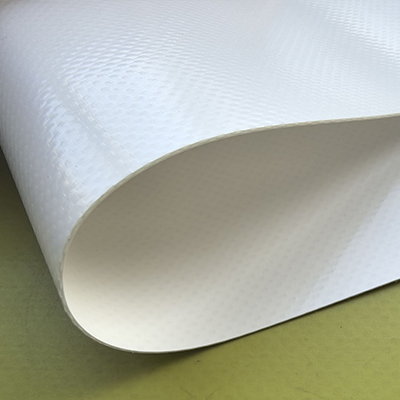
Roll material and finished tarps solve different purchasing problems.
A roll is a flexible production input. A finished tarp is a ready-to-use product. The right answer depends on your workshop capability, target market, order quantity, labor cost, logistics plan and how much control you need over final fabrication.
- Choose rolls when you have cutting, welding or sewing capability.
- Choose finished tarps when you need consistent finished details and faster market launch.
- Choose a hybrid supply model when the same project needs rolls, panels and fabricated covers.
Do not compare only color, thickness or roll price.
PVC coated fabric for tarps is a reinforced composite material. The polyester base fabric carries tension and tear load; the PVC coating provides waterproofing, surface durability, weldability and weather protection.
When the material is sold as a roll, the buyer must evaluate roll flatness, width tolerance, coating adhesion, fabric strength, welding behavior and consistency during conversion. When it is sold as a finished tarp, the buyer must evaluate seam strength, hem reinforcement, eyelet spacing, corner patch design, packaging and repeatable workmanship.
DERFLEX helps B2B buyers discuss the material system and the final use together, so the order is not separated into an attractive roll price and an unsuitable finished cover.
Three Practical Ways to Order PVC Tarp Material
A professional tarp program often uses more than one format. DERFLEX can discuss roll supply for converters, cut panels for easier local production, and finished tarp requirements for OEM or project supply.
Which Supply Format Fits Your Business?
The following comparison helps purchasing teams, converters and importers avoid selecting the wrong format at quotation stage.
| Decision point | PVC coated fabric roll material | Finished tarp | Hybrid supply |
|---|---|---|---|
| Best for | Converters, tarp factories, distributors with fabrication capacity and buyers serving many custom sizes. | Importers, project buyers, fleet programs and resellers that need ready-to-use covers. | OEM programs that need both raw material control and finished-product consistency. |
| Buyer control | High control over cutting layout, seam style, local labor and inventory planning. | High control over finished size, accessories, label, packing and installation details. | Balanced control: material consistency plus selected conversion steps. |
| Technical checks | GSM, width, yarn, tensile strength, tear strength, adhesion, weldability and roll flatness. | Finished size, seam strength, hem design, eyelet spacing, webbing, corner reinforcement and packing. | Both material performance and finished detail standards must be confirmed. |
| Logistics | Efficient for bulk shipment and local conversion; roll weight and core/packing should be reviewed. | May require more carton or pallet planning; easier to distribute directly to the end market. | Can reduce waste and simplify warehouse handling for repeat product lines. |
| Risk if wrongly selected | Low roll price may become expensive if welding fails, coating peels or the fabric tears during use. | A finished tarp may look correct but fail if base fabric, seam, or reinforcement is not matched to the job. | Misalignment between roll specs and finished design can create repeat-order inconsistency. |
Your business has conversion capability.
Roll goods are often the right direction when you already cut, weld, sew, print or distribute tarp fabric locally.
- You need different finished sizes from the same PVC tarp fabric roll.
- You want to control local labor, repair work and small-batch customization.
- Your market requires repeated colors, roll lengths and private-label material supply.
- You need material for truck covers, industrial curtains, equipment covers or construction enclosures.
- You can test welding and seam settings before full production.
You need ready-to-use covers.
Finished tarps are practical when the buyer does not want to manage cutting, welding, hardware sourcing and finished-product inspection.
- You need hems, eyelets, webbing, corner patches or custom accessories.
- Your project needs consistent finished details for fleet, site or retail use.
- You need logo printing, carton marks, market labels or private-brand packaging.
- Your local production cost is high or capacity is limited.
- You want one supplier to discuss material and fabrication together.
What to Confirm Before Ordering PVC Coated Fabric for Tarps
A clear specification reduces sample delays, price misunderstanding and performance disputes. Use the following details when requesting a quotation from DERFLEX.
Common Tarp Applications for PVC Coated Polyester Fabric
Different applications place different stress on the same material. DERFLEX can help match fabric structure and supply format to the real working environment.
Truck and trailer tarps
Roll goods or finished covers for flatbeds, trailers, cargo protection, replacement cover programs and fleet branding.
Construction covers
Weather protection, temporary enclosures, scaffolding covers, ground covers and site material storage protection.
Agricultural tarps
Hay covers, grain storage, machinery covers, greenhouse side covers and farm equipment protection.
Industrial equipment covers
Custom covers for machinery, outdoor storage, pallets, containers and project materials exposed to rain and dust.
Shelters and canopies
Waterproof and UV-resistant options for outdoor shelters, temporary structures and shade systems.
OEM tarp product lines
Repeated colors, GSM, labels, packing and specification control for importers and private-label tarp brands.
Why Buyers Work with DERFLEX for PVC Tarp Fabric Programs
DERFLEX focuses on practical B2B material matching, not one-size-fits-all promotion. Buyers can discuss the intended use, converting method and market requirements before confirming the specification.
Material-to-application matching
DERFLEX helps compare material weight, base fabric strength, coating structure and surface treatment based on truck, construction, agriculture or industrial cover use.
Roll, panel and OEM direction
Supply can be discussed as PVC tarp fabric rolls, conversion-friendly panels or finished tarp directions with reinforcement and packing details.
Repeat-order consistency
For distributors and OEM brands, stable color, surface, roll packing, labels and documentation help support long-term product line management.
Related DERFLEX Tarp Material Pages
Use these related pages to compare material types, application directions and sourcing options for your tarp program.
Frequently Asked Questions
Clear answers for buyers comparing PVC tarp fabric roll goods, cut panels and finished tarp supply.
Is PVC coated fabric suitable for tarps?
Yes. PVC coated polyester fabric is widely used for tarps because the polyester base fabric provides strength while the PVC coating supports waterproofing, surface durability and weldable performance. The exact grade should be selected according to use environment and finished tarp design.
Should I buy PVC coated fabric rolls or finished tarps?
Buy rolls if you have local cutting, welding, sewing or resale capability. Buy finished tarps if you need ready-to-use covers with hems, eyelets, webbing, corner reinforcement, logo printing or private-label packing.
What information does DERFLEX need for a quotation?
Please share the application, target GSM, width, color, surface finish, roll length, order quantity, welding method, outdoor exposure, required treatments and whether you need roll goods, panels or finished tarps.
Can PVC coated fabric be welded?
Many PVC coated fabrics can be processed by hot-air welding or high-frequency welding, while some tarp designs may also use sewing. Welding behavior should be tested with the selected material grade and machine settings.
What GSM should I choose for PVC tarp fabric?
There is no single GSM for all tarps. Light covers, truck tarps, construction tarps and industrial covers have different tension, abrasion and exposure requirements. DERFLEX can recommend a practical range after reviewing the use case.
Can DERFLEX support OEM tarp programs?
Yes. DERFLEX can discuss OEM requirements such as custom color, surface finish, logo printing, roll labels, carton marks, specification documentation and repeat-order consistency for distributors and private-label brands.
What is the difference between roll material and cut panels?
Roll material gives the buyer full flexibility for cutting and conversion. Cut panels reduce some local cutting work and can help standardize repeated sizes before final welding, hemming or accessory installation.
How can I reduce risk before bulk order?
Confirm samples, test welding, check tensile and tear direction, review coating adhesion, test color and surface finish, and compare the final tarp design before confirming bulk production.
Request PVC Coated Fabric for Your Tarp Program
Send DERFLEX your application, target material direction, order quantity and supply format. Our team can help compare roll goods, panels and finished tarp options for your market.