Textile-Backed PU Leather
A polyurethane surface is built over knitted, woven, nonwoven or another engineered textile base. This route offers broad control of color, grain, softness, thickness and roll production.



 Custom coated material development
DERFLEX supplies polyurethane-coated leather-look materials for upholstery, bags, automotive interiors, footwear components, decorative surfaces and repeat-order OEM programs. Specify the surface, backing, thickness, hand feel, color and verification plan before bulk production—not after the material reaches your cutting room.
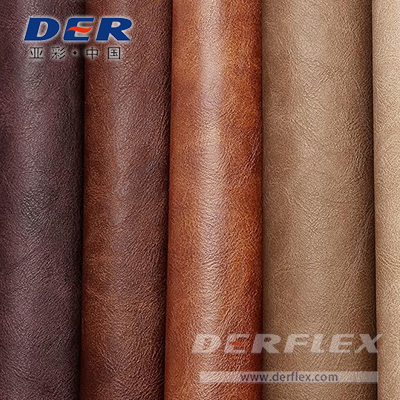
PU coated leather is a leather-look material whose visible surface is formed with a polyurethane coating, film or resin system. The expression is used broadly in international sourcing, so the name alone does not tell a buyer whether the base is textile, microfiber, nonwoven or natural split leather.
This distinction affects labeling, hand feel, flex behavior, weight, processing, market positioning and price. A furniture producer may be looking for a soft textile-backed PU upholstery material. A footwear developer may use the same phrase for PU film laminated over split leather. A bag brand may need a completely synthetic construction with controlled embossing and fold behavior.
This page focuses on custom PU-coated synthetic leather in roll form. A PU-coated split-leather structure can be discussed when the buyer clearly requests an animal-derived substrate. Material composition should always be confirmed in writing before labeling or marketing the finished product.
A polyurethane surface is built over knitted, woven, nonwoven or another engineered textile base. This route offers broad control of color, grain, softness, thickness and roll production.
A microfiber base can be selected when a project needs stronger structure, a more refined hand feel or a premium synthetic-leather direction.
A split-leather substrate receives a PU film or surface layer. It is not a fully synthetic or vegan construction and should be described accordingly.
Foam, backing, adhesive, topcoat and finishing layers may be adjusted for seating, automotive trim, bags, footwear or decorative wrapping.
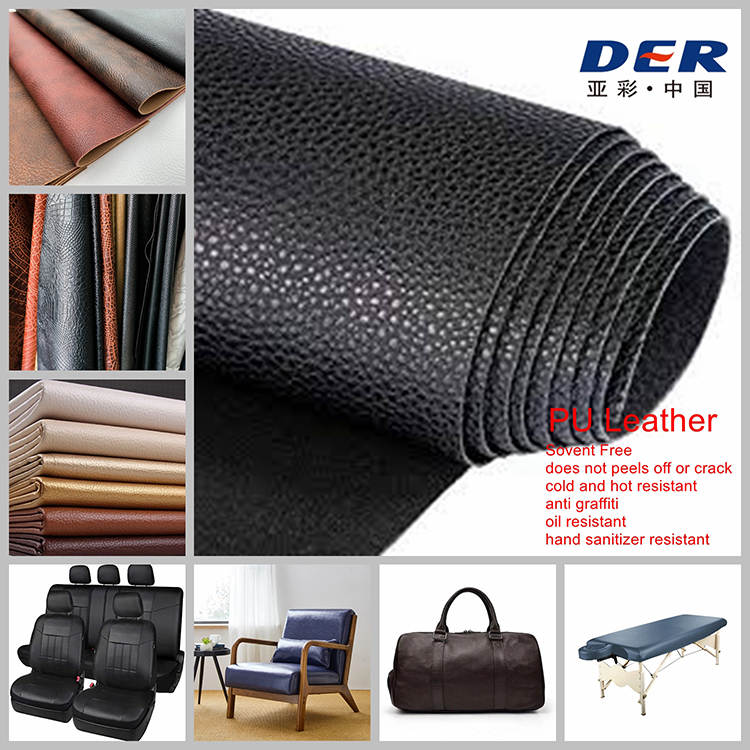
Commercial performance comes from the interaction of layers. DERFLEX develops the construction around the intended product and conversion method.
Controls gloss, touch, stain behavior, colorfastness direction, scratch awareness and cleaning compatibility.
Creates the visible grain, color and leather-like surface. Resin selection influences flexibility, hydrolysis direction and surface retention.
Links the surface to the base and must suit flexing, lamination, sewing and end-use stress.
Knitted, woven, nonwoven, microfiber or split-leather options influence drape, tear behavior, stretch and cutting efficiency.
The following table is a development framework. Final construction, tolerances and test criteria are confirmed after DERFLEX reviews the application, target market, sample and order plan.
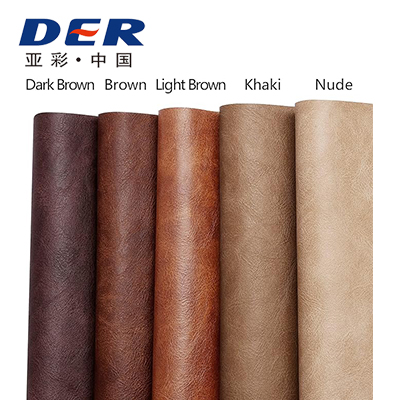
A soft swatch can look convincing while still being unsuitable for a high-contact seat, humid market or tightly folded bag component. Performance should follow the end use.
Important for seating, automotive touchpoints, footwear reinforcement and products exposed to repeated rubbing. Define the method and cycle target.
Humidity, heat and moisture can affect PU systems over time. Resin route, application environment and test expectations should be discussed during development.
Bags, footwear and upholstery require different balance between softness, structural support, fold recovery and coating adhesion.
Cleaning products can affect topcoats. Approve the maintenance protocol using the actual cleaner before specifying easy-care claims.
Automotive, transport and selected outdoor-adjacent applications may need lightfastness, heat aging or cold-crack evaluation.
For repeated OEM programs, agreed master samples, batch records and inspection criteria matter as much as the first sample appearance.
DERFLEX adjusts structure and surface direction according to how the material will be cut, sewn, wrapped, laminated, cleaned and used.
Balance upholstery behavior, cleanability, color consistency, abrasion target and the required hand feel for residential or commercial seating.
Prioritize grain definition, fold behavior, drape, edge finishing, fashion color development and sewing compatibility.
Align surface appearance, backing stability, wrapping behavior, light/heat direction and repeat-order color control.
Discuss flexing, abrasion, thickness, adhesion, water-resistance route and whether the base is textile, microfiber or split leather.
Specify cleaning protocol, stain behavior, surface durability, flame pathway and replacement economics for project use.
Develop a controlled combination of grain, color, backing, logo effect, lamination behavior and export packaging.
A professional quotation should make the product easier to evaluate. It should not hide important construction differences behind one attractive price.
DERFLEX works with distributors, converters, upholstery factories, bag manufacturers, automotive interior suppliers and OEM brands that need more than a stock color card. The project is developed around construction clarity, sample approval and repeat-order control.
Application, target market, structure, appearance, quantity and timing are reviewed.
DERFLEX proposes a PU system, backing, thickness and performance pathway.
Surface reference, hand feel and processing suitability are checked on sample material.
Composition, dimensions, appearance standard, tests and packing are documented.
Roll condition, appearance and agreed project checkpoints are reviewed before shipment.
These six internal pages support buyers who are comparing construction, application and alternative synthetic leather systems.
Compare PVC, PU, silicone and broader leatherette material directions.
Review roll-based leather-look materials for upholstery, bags and OEM projects.
Understand the different constructions sold under the same commercial name.
Material development for seats, panels, armrests and vehicle interior trim.
Compare a practical PVC surface system with softer PU material directions.
Evaluate a premium easy-clean synthetic surface for selected projects.
It depends on the substrate. Textile-backed or microfiber-backed PU leather is synthetic. PU-coated split leather contains natural leather underneath the polyurethane surface. Ask the supplier to state the full composition.
No. A fully synthetic textile-backed construction may be animal-free, but PU-coated split leather is not. Vegan or animal-free wording should be used only after the complete material composition is confirmed.
DERFLEX supports project-based development for color, embossing, gloss, hand feel, thickness, backing, roll dimensions and packaging. Feasibility, MOQ and lead time depend on the selected construction.
The test plan depends on the application. Buyers may consider abrasion, hydrolysis, flexing, coating adhesion, tear/tensile, colorfastness, cold crack, cleaning compatibility and market-specific flame requirements. Always specify the method and pass value.
Yes, when the construction is developed for seating. Upholstery projects should evaluate abrasion, backing stability, seam behavior, cleanability, color consistency and the intended residential or contract-use environment.
Provide the end product, desired composition, sample or surface reference, color, thickness, backing, width, quantity, tests, packaging, destination and delivery schedule. A physical sample often improves matching accuracy.
Share the final application, substrate preference, physical sample, color, grain, thickness, test criteria and estimated order quantity. DERFLEX will review the information and recommend a practical PU coated leather development direction.