Polyester base
Polyester facade mesh should be selected by the required strength and deformation behavior. Yarn size or fabric mass alone cannot describe how a tensioned panel will perform.



Architectural textiles · B2B material supply
DERFLEX supplies PVC coated polyester mesh for building facade screens, decorative textile skins and exterior shading projects. The open structure combines a flexible material surface with partial visibility and air passage. Facade contractors, fabricators, importers and OEM buyers can discuss mesh construction, color, width, finish and packing around a defined project brief.
Specify the material together with its panel layout and supporting system. Review openness, strength in both textile directions, dimensional behavior, fabrication compatibility and the required documentation before selecting a production reference. Send your application, drawings and quantity to request samples and a project quotation.

The material, explained
PVC coated facade mesh is an open, reinforced textile used as a building exterior screening layer. Polyester yarns provide the base structure; the coating and finish influence handling, appearance and outdoor behavior. The openings allow air, light and some water to pass through.
Polyester facade mesh should be selected by the required strength and deformation behavior. Yarn size or fabric mass alone cannot describe how a tensioned panel will perform.
The selected coating system influences protection, color and processing. Confirm any lacquer, printable surface or other finish against the chosen material reference and fabrication method.
Opening geometry influences views, visual screening and air passage. Assess the actual color and mesh sample at the proposed viewing distance.
For a broader material comparison, review DERFLEX architectural fabrics. For roof or sealed membrane requirements, see PVC coated polyester architectural fabric. Open facade mesh serves a different enclosure function.
Application first
| Project objective | Material selection focus | What to verify before ordering |
|---|---|---|
| A decorative second skin | Color, surface appearance, outward view and tensioned-panel behavior | Review a full-size visual mock-up in daytime and at night. |
| Solar screening in front of glazing | Openness, color and measured optical performance | Evaluate glazing, orientation and the complete shading arrangement. |
| An open parking garage elevation | Permeability, screening, strength and fire documentation | Check the actual ventilation concept and installed panel geometry. |
| A long-term branded facade | A compatible printable mesh reference and exposure evidence | Test ink, finishing and the final printed specimen where documentation is required. |
| A modular or replaceable screen | Usable width, repeat color and edge-processing compatibility | Coordinate panel removal, access and replacement material records. |
Exterior roller shading has its own winding and edge requirements. Compare outdoor screen fabrics when the material will move in a roller or zip-screen system.
Specification review
| Specification item | DERFLEX enquiry direction | Buyer decision |
|---|---|---|
| Material family | PVC coated polyester mesh; confirm the proposed reference | State fixed facade, movable shade or temporary screening. |
| Openness / opening geometry | Confirm available construction and measurement basis | Balance appearance, view and the project’s airflow objectives. |
| Mass, thickness & width | Request reference-specific values, tolerances and usable roll width | Coordinate cutting, handling and panel yield. |
| Tensile & elongation | Request warp and weft data with method and specimen size | Submit data to the facade designer for the intended loading. |
| Tear & coating behavior | Agree test evidence and acceptance criteria | Consider cutting, edge processing and handling damage. |
| Color & surface finish | Custom color and surface options subject to reference review | Approve a retained sample and batch-matching criteria. |
| Outdoor exposure | Confirm weathering evidence and exposure assumptions | Identify climate, facade orientation, cleaning and expected use. |
| Fire performance | Confirm the exact required documentation before sampling | Match the report to the material and intended project use. |
| Processing | Verify the proposed cut, seam and edge construction by trial | Do not assume every coated mesh has the same weldability. |
| Commercial supply | Confirm quantity, MOQ, lead time and packing for the approved specification | Request a written project quotation; no universal price applies. |
This table is an enquiry framework, not a certified specification for one grade. Current material data and agreed sample approval take precedence.
Fabrication notes
Panel edges, corners, seams and attachments transfer forces into the supporting system. Supply frame spacing, panel orientation and the proposed edge concept before asking a fabricator to finalize cutting dimensions.
Keder, clamp, reinforced hem or other attachment concepts should be reviewed with the system contractor. Hardware dimensions, spacing and pretension are design decisions for the complete facade, not universal fabric settings.
Run a trial with the selected mesh, surface treatment and joining method. Check seam behavior, edge distortion, coating damage and appearance before using the process across a project.
Confirm warp/weft orientation, usable width, joint positions and visual continuity. A nominal roll width can differ from the material width available for cutting after selvage and processing allowances.
Identify the application, exposure, panel geometry and required performance evidence.
Retain a labelled swatch and test a representative seam or edge with the intended equipment.
Review appearance, tensioning, handling and access with the system contractor.
Agree the material reference, batch identification, visual criteria and roll protection.
Material & inspection references
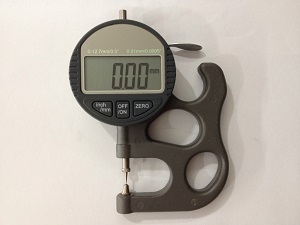
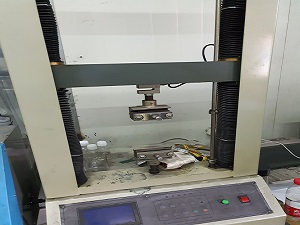
These are existing DERFLEX material and laboratory reference images; they do not certify a specific facade product. The published quality control process describes material, process, laboratory and final-roll checks.
Manufacturing & sourcing
Architectural facade mesh should be specified around the complete panel system. Buyers sourcing PVC mesh fabric for building facade projects should define the permanent-screening duty before comparing a material proposal.
DERFLEX’s published mesh range includes polyester-reinforced PVC materials and custom specification discussions. Bring the structural requirements and conversion plan so the material proposal can be evaluated against the installation.
Use the architectural sunshade mesh range for related solar-screening requirements; keep permanent facade performance and documentation explicit in the enquiry.
Define the material reference, repeat-order criteria, color approval, roll format and labels. Bulk roll supply and OEM packing discussions should follow material confirmation rather than a generic GSM request.
The PVC mesh export range provides the wider supply context. Confirm MOQ, sampling and shipment terms for the selected facade specification.
Procurement checks
Add openness, directional strength, stretch, finish and usable width to the comparison. A heavier mesh is not automatically the appropriate facade material.
A printable material does not automatically have the documentation or dimensional behavior needed for a long-term tensioned facade.
Evaluate ventilation, wind and fire requirements at system level. Material openness is one input.
Confirm the frame and attachment details before setting panel cut sizes, seams and processing allowances.
Quick answers
PVC facade mesh fabric is an open textile made from polyester reinforcement with a PVC coating. It is evaluated for building exterior screens, decorative skins and facade shading where partial visibility and air passage are needed. The selected material, panel fabrication and supporting system must suit the project.
Polyester describes the reinforcing textile; PVC describes its coating. A facade mesh made with a polyester base and PVC coating fits both descriptions. An uncoated polyester mesh, glass-fiber mesh or metal mesh is a different material and should not be treated as an interchangeable substitute.
No. Although the coated yarn surface can resist water, the open mesh allows rain and air to pass through. Facade mesh is a screening layer rather than a sealed weather barrier. Rain exclusion must be handled by the building envelope or a separate suitable membrane.
Start with the required appearance, view, daylight and airflow, then compare actual swatches in the proposed color. Geometric open area alone does not establish solar performance, ventilation compliance or wind loading. Ask the design team to evaluate the installed system.
Flame-retardant material options can be discussed with DERFLEX. Request documentation for the exact material reference, color or finish and intended project use. A generic FR statement does not establish the approval of a complete facade assembly.
DERFLEX’s published mesh range includes custom color, mesh structure and roll-supply options. Confirm the required facade application, achievable material reference, width, quantity and packing before sampling or production. Printing and fabrication compatibility also need sample verification.
Provide the application and project location, facade or panel dimensions, target openness, color, material performance requirements, roll width or conversion plan, quantity, destination and delivery target. Include the required fire documentation and project drawings when available.
Project material enquiry
A useful facade mesh enquiry connects appearance, performance and fabrication. Send the following details so DERFLEX can review the material direction: