Reflect the incoming load
Expose the selected reflective face to the radiant source across the designed air space. Avoid covering that face with an unqualified paint, label or contact layer.



Aluminized heat shield fabric combines a reflective aluminum-facing layer with a supporting textile to reduce radiant heat reaching nearby components. Equipment OEMs, heat-shield fabricators and industrial buyers source this material for flexible barriers, shield liners and converted panels where installation space and service access matter.
Discuss roll-material supply with DERFLEX around your heat source, working distance, exposed face and fixing layout. Aluminum foil laminates and metallized-film constructions need separate qualification. Send your drawing, temperature profile and quantity to define the appropriate material and sample route.
Material sourcing for conversion into your engineered heat-shield assembly.

A radiant heat barrier fabric reduces absorption of incident thermal radiation at its reflective face. The backing supports the facing and gives the converter a workable textile. Performance depends on the laminate, its surface condition and the installed geometry.
Reflective facing and bulk insulation perform different jobs. A complete design may need both when radiation, hot airflow and conduction are present.
Expose the selected reflective face to the radiant source across the designed air space. Avoid covering that face with an unqualified paint, label or contact layer.
Hot brackets, compressed layers and metal fasteners can carry heat through the shield. Reflective appearance does not establish a direct-contact rating.
Moving hot air or exhaust can heat the laminate even when radiation is reflected. Record airflow direction and local hot spots.
This page addresses fabric selection and roll procurement. For fitted multilayer assemblies, see equipment heat protection covers.
For a shield intercepting radiation from a nearby hot source, the designated reflective face generally faces that source. Keep the intended air space open and check how the barrier changes airflow around the protected component.
There is no universal safe spacing. Source size, radiant intensity, dwell time, ventilation and allowable component temperature all matter. Record the minimum clearance during vibration or movement.
Identify the designated reflective face on the drawing. It should be exposed to the radiation being intercepted. Two-sided structures still need their own layer-specific qualification.
Include backing, optional insulation, stand-offs, overlaps and fastener heads in the envelope. Preserve service access and required cooling paths.
“Aluminized” describes a reflective material family. It does not identify the facing thickness, carrier film, adhesive or backing. Those details determine the sample you should evaluate.
A discrete aluminum foil layer is bonded to the supporting fabric. For industrial heat reflective fabric, request the foil thickness, bond system, textile construction and full-laminate exposure limit.
See the broader foil-laminated material range for backing and roll-supply discussions.
A deposited aluminum layer is carried on a polymer film, which can be laminated to a textile. Identify the carrier and all bond layers before comparing its temperature or flex behavior with foil.
The metallized PET material overview covers a separate reflective-film family.
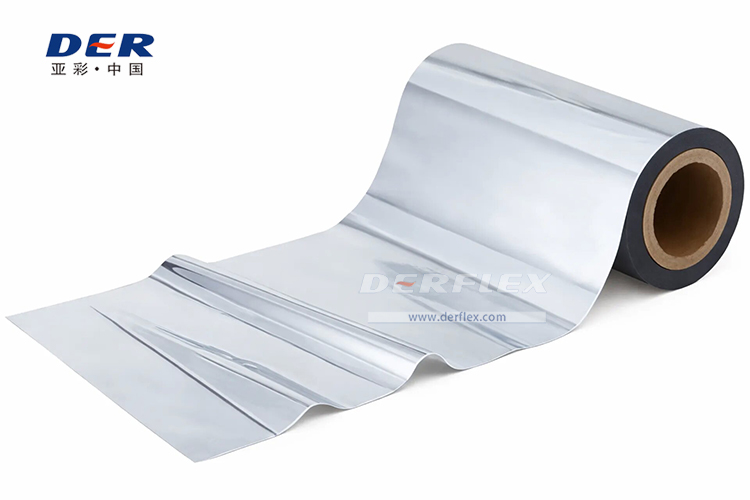
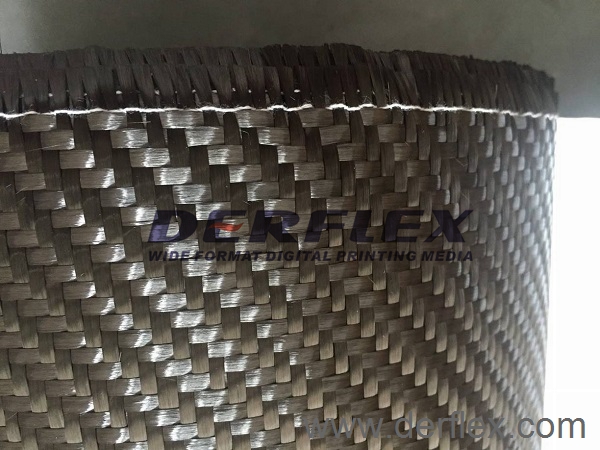
Use this matrix to define the material direction to evaluate. Final suitability requires a specified grade and an installed-system trial.
| Operating condition | Material direction to evaluate | Decision before ordering |
|---|---|---|
| Fixed, non-contact radiant barrier | Foil-faced or qualified metallized textile with a maintained reflective surface. | Source geometry, minimum separation, actual layer temperature, airflow and target component temperature. |
| Tight bends or repeated removal | A construction with suitable drape, bond durability and flex behavior for the required bend radius. | Trial the actual folded or curved pattern. Inspect creases, cracks and delamination after representative cycles. |
| Restricted equipment envelope | A thin reflective layer within a validated stand-off or multilayer design. | Check the full stack thickness, fastener projection, cooling path and all movement tolerances. |
| Vibration, dust or oil contamination | A facing and backing compatible with handling, contamination and the proposed cleaning method. | Evaluate abrasion at mounts and loss of surface condition. Set a practical inspection and replacement criterion. |
| Mixed radiation and hot airflow | Reflective facing plus project-selected backing or insulation, where required. | Measure the laminate temperature under airflow. Validate the temperature of the protected part in the assembly. |
| Hot-surface contact, flame or splash | A separately qualified contact or protective material system. | State the exact exposure. Generic aluminized roll material is insufficient evidence of contact, flame or molten-metal protection. |
DERFLEX discusses customized reflective laminates and OEM roll supply. The following fields define a project specification; numerical limits and available dimensions must be confirmed for the quoted construction.
| Specification field | What to identify | What to confirm with DERFLEX |
|---|---|---|
| Reflective facing | Aluminum foil or metallized carrier film; designated exposed face. | Facing thickness, carrier identity, surface finish and one- or two-sided construction. |
| Textile / bond system | Backing fiber, weave, finish and adhesive or bonding layer. | Complete layer stack and compatibility with the intended exposure and fabrication. |
| Weight / thickness | Finished-laminate mass per area and total thickness. | Units, nominal values, measurement method and agreed tolerances. |
| Operating conditions | Radiant load, continuous and peak fabric-layer temperatures, dwell time. | Grade-specific limits and supporting data for the stated conditions. |
| Reflective performance | The relevant thermal-radiation measure and its test conditions. | Data for the supplied facing. Visual brightness alone is insufficient. |
| Conversion behavior | Cutting, bending, sewing, edge finishing and fixing layout. | Sample trial requirements, bond integrity, fraying and fixing-point strength. |
| Roll dimensions | Usable width, roll length, core size, roll diameter and winding face. | Available format, width tolerance, splice policy and surface-protection packing. |
| Order terms | Sample requirement, trial quantity, bulk volume, destination and required date. | MOQ, sample arrangement, quotation, lead time and export packing for the selected construction. |
If you are also selecting a coated backing or outer layer, review the silicone-coated fiberglass temperature considerations. A different coating's rating cannot be transferred to an aluminized laminate.
Converters turn rolls into heat-shield parts. Your trial pattern should include the real curves, edge treatment and attachment method—not only a flat material swatch.
Define warp and weft direction where relevant. Add seam, fold and edge-binding allowances. Trial the cutting method on the full laminate and inspect fraying, lifted foil and damaged film edges.
Evaluate compatible binding, reinforced hems or a qualified edge treatment. Sewing punctures the facing; seams must meet the project's heat-leak and mechanical requirements. Confirm thread suitability.
Clamps, reinforced fixing points or qualified eyelets should support the backing. Review hole edge distances, vibration and sharp hardware. Do not rely on a thin foil face as the load-bearing layer.
Locate stand-offs and brackets to maintain clearance during operation. Review conductive paths, airflow, overlaps and service access. Do not treat an unspecified adhesive as a temperature-rated mounting system.
For converters working on layered removable products, the insulation-jacket material guide addresses a related but different assembly role.
These are application directions for project evaluation, rather than blanket approvals for every equipment environment.
Evaluate a reflective textile between a radiant source and nearby hoses, wiring, sensors or housings. Define component temperature limits and mounting space before selecting the roll construction.
Specify the layer stack, usable width and cutting layout for repeated production. Include edge finishing, curvature and reinforced mounting zones in the sample assessment.
Freeze the approved material revision, exposure conditions, roll format and acceptance criteria. Compare replacement batches against the specification established during the trial.
A flat swatch helps identify the construction and its handling. An installed prototype shows whether the shield controls the temperature that matters.
Engineering reference: the U.S. Department of Energy explains the reflective air-space principle. Its building-insulation guidance does not qualify an industrial shield or establish an equipment clearance.
Record source condition, separation, radiant exposure or heat flux where known, airflow, ambient temperature and duration. Measure the fabric layer and protected component at relevant locations.
Check operating transients, reduced airflow and the worst intended operating position. Agree the acceptance limit for the protected part before testing.
Review facing damage, cracks, delamination, fraying, seam condition and fixing-point deformation. Include representative flexing or vibration when applicable.
Specify the test method, tested construction and acceptance criteria. Any fire or protective-performance requirement needs its own applicable evidence.
Capture material revision, roll dimensions, tolerances, marking, packing, sample reference and repeat-order inspection criteria.
For OEM, wholesale and bulk-roll enquiries, start with the exposure and the part drawing. DERFLEX can discuss reflective laminate structures, backing options, roll dimensions and packing around that brief.
Use the brief builder to organize your details, then paste the result into the DERFLEX quotation form. Sample availability, MOQ, pricing and lead time are confirmed for the selected construction.
Open DERFLEX quotation formDirect answers for engineers, converters and procurement teams reviewing a radiant heat shield material.
For a barrier intercepting radiation from a nearby source, expose the designated reflective side toward that source across the designed air space. Confirm the orientation of the quoted construction and keep the reflective surface uncovered. Two-sided materials and multilayer systems still require layer-specific review.
The answer depends on the full laminate and exposure conditions. The reflective facing, carrier film, adhesive and textile can have different limits. Ask for grade-specific operating data at the fabric layer. A heat-source temperature or a bare-fiberglass rating does not establish the finished material's service limit.
There is no universal safe distance. Source size, radiant intensity, airflow, exposure time, movement and the protected component's allowable temperature all affect the result. Define the minimum clearance on a drawing and validate the selected material in the intended installation.
No. A foil laminate uses a discrete aluminum foil layer; a metallized-film construction uses a deposited metallic layer on a carrier film. Their bond systems, flex behavior and thermal limits can differ. Specify the complete construction and compare samples under the same operating conditions.
Many textile-backed constructions can be converted, but the method must suit the actual laminate. Trial the cutting process, seam and edge treatment. Reinforce fixing points where required and select suitable thread and hardware. Sewing and eyelets puncture the facing, so evaluate the completed pattern.
Provide the application, heat-source and fabric-layer temperatures, exposure duration, minimum clearance, installation envelope, conversion method, dimensions, quantity and destination. Include drawings and required acceptance documents. DERFLEX confirms the material direction, sample arrangement, MOQ, price and lead time for the requested construction.
Share the heat-source geometry, temperature profile and roll requirement. Start a construction-specific discussion with DERFLEX.