News
Industry News

Aluminum Foil Fiberglass Fabric Manufacturer | DERFLEX

Update:2026/10/8 18:06:18 Views:

Roll materials · Wholesale · OEM sourcing

Aluminum Foil Fiberglass Fabric Manufacturer for Flexible Heat Protection

Source aluminum foil fiberglass fabric for flexible radiant-heat shields, insulation facings and industrial cover conversion. Specify the reflective layer, woven glass backing and bond system together—then evaluate drape, cut-edge stability and handling on the actual sample.

Discuss wholesale roll supply, custom dimensions and OEM packing with DERFLEX. Real aluminum foil and metallized-film constructions are identified separately; final grade availability, performance and production terms are confirmed during quotation.

For fabricators, insulation converters, industrial distributors and OEM purchasing teams.

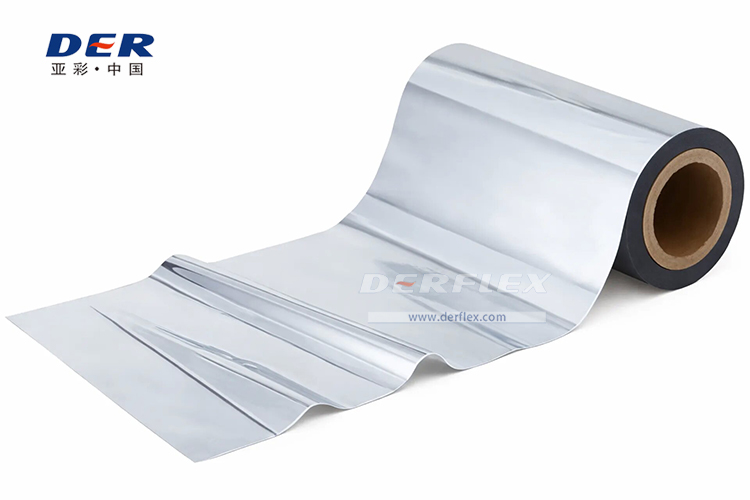
DERFLEX silver reflective foil laminate material with a textile backing
Reflective laminateMaterial reference / 01
Existing DERFLEX reflective-laminate photo. The ordered sample and material declaration confirm whether the backing is fiberglass and whether the reflective face is foil or metallized film.
Identify the layersFoil or film, glass weave, bonding and reverse finish.
Evaluate the handlingDrape, fold behavior, edge fraying and fiber release.
Freeze the specificationApproved sample, roll tolerances, packing and batch records.

Material definition

What is aluminum foil fiberglass fabric?

Aluminum foil fiberglass fabric is a composite textile made by bonding a real aluminum foil layer to woven fiberglass cloth. The reflective face helps manage radiant heat; the glass textile reinforces the laminate and supports flexible fabrication.

The broader term aluminized fiberglass fabric can also describe a glass textile laminated with an aluminum-metallized polymer film. These constructions may look similar, but the film, adhesive, finish and glass weave give them different handling and temperature limits.

For a useful supplier comparison, request a written layer stack rather than accepting “silver fiberglass cloth” as a complete specification. DERFLEX’s wider reflective laminated material range covers other backings and insulation-facing applications; this page focuses on glass-backed materials for industrial heat-protection sourcing.

Construction comes first

Real aluminum foil and metallized film are two different structures.

Both can provide a reflective surface. Specify what is actually bonded to the fiberglass before comparing price, flexibility or thermal performance.

Construction A / Foil laminate

Aluminum foil + fiberglass cloth

01 · Actual aluminum foil sheet
02 · Grade-specific adhesive / bonding layer
03 · Woven fiberglass reinforcement
04 · Optional reverse-side finish, if specified

A distinct metal foil is laminated to the textile. Specify the foil thickness independently from the total composite thickness. Repeated sharp folds can damage the foil even when the backing remains intact.

Construction B / Metallized-film laminate

Aluminized film + fiberglass cloth

01 · Thin deposited aluminum layer
02 · Polymer carrier film, identified by type
03 · Grade-specific adhesive / bonding layer
04 · Woven fiberglass reinforcement

The metal is deposited onto a polymer carrier, such as PET, before lamination to glass cloth. Film chemistry and bonding must be reviewed for the actual material temperature and service cycle.

Illustrative layer diagrams; layer thicknesses are not to scale. A reverse treatment or additional layer changes the construction and must appear in the approved specification.

Procurement comparison: confirm each item on the exact offered grade.
Comparison pointReal foil on fiberglassMetallized film on fiberglass
Reflective layerA separate aluminum foil sheet.Deposited aluminum supported by a polymer film.
What to declareFoil thickness, glass cloth, adhesive and reverse finish.Carrier-film type and thickness, metallization, glass cloth and adhesive.
Flexibility reviewFoil creasing, crack development, bond retention and bend radius.Film fatigue, abrasion, shrinkage, bond retention and bend radius.
Thermal limitUse the full-laminate rating; the adhesive or finish can limit service.Use the full-laminate rating; the polymer film and adhesive can limit service.
Price comparisonCompare foil gauge, glass construction, usable width and conversion yield.Compare film chemistry, metallization, glass construction and conversion yield.

For a broader film-based material program, review DERFLEX aluminized PET film and reflective fabric materials. A packaging or sunshade laminate should not be assumed suitable for an industrial heat shield.

Specification for quotation

Order the construction, not just the color or GSM.

DERFLEX has not assigned a universal stock specification to this page. Use the fields below to request a defined grade with tolerances, sample evidence and commercial terms.

Aluminum foil fiberglass fabric specification checklist for roll buyers.
SpecificationWhat to requestHow to approve it
Base clothFiberglass type, weave and substrate weight.Material declaration and a backing-side sample; avoid substituting polyester or woven plastic.
Reflective constructionReal aluminum foil or metallized polymer film; single or double reflective face if feasible.Identify every layer in writing. Confirm availability with DERFLEX for the required structure.
Foil / film thicknessSeparate reflective-layer gauge in µm from total laminate thickness in mm.Specify the measurement method and agreed tolerance for each relevant value.
Total weightFinished laminate mass in g/m², including backing, bond and finish.Confirm with DERFLEX; compare the same complete construction across quotations.
Bond and reverse finishBond chemistry or performance specification; any anti-fray or protective finish.Review flexibility and bond retention after the agreed thermal and flexing exposure.
Temperature and reflectionContinuous laminate temperature, peak duration and thermal test conditions.Use exact-grade evidence. No universal temperature or reflectivity percentage is claimed here.
Usable width / roll lengthWidth, edge allowance, length, splice policy, core and maximum roll size.Available according to project requirements and confirmed production feasibility.
Handling requirementsDrape, minimum working bend radius, edge stability and fiber-release acceptance criteria.Trial the intended cut, sewn, bound or clamped part using the production sample.
Documentation / packingGrade identification, agreed inspection records, SDS if applicable, roll labels and export packing.Confirm the required documents, test scope and packing details in the quotation.

Thermal selection

Reflecting radiant heat is different from insulating against contact heat.

Heat reflective fiberglass cloth can help reduce radiant heat transfer when its reflective face is oriented toward the source across a suitable air space. The complete shield still needs a thermal design.

Radiant exposure

State the source, distance, orientation, airflow and exposure duration. Surface dust, abrasion and damaged reflective areas can change performance in service.

Actual layer temperature

The furnace, exhaust or equipment temperature is not automatically the temperature reaching the laminate. Measure or evaluate the reflective face and bond-line duty in the intended assembly.

Contact and hot particles

Direct contact, flame and molten splatter require their own assessment. A reflective appearance or bare-glass rating does not establish suitability for these hazards.

Specify the full composite. The adhesive, polymer carrier, reverse finish, seam thread or closure can become the limiting component. Request an exact-grade rating and the intended exposure conditions. The DERFLEX coated-fiberglass temperature guide explains how layer position and service cycle affect selection.

Flexibility & low fiber release

Make soft handling a sample requirement.

Glass weave, yarn construction, foil or film gauge, bond loading and reverse finish all influence flexibility. A heavier laminate may feel stiffer; a shiny face alone says little about drape or durability.

Lamination can cover one face of the glass textile, but cut edges, the reverse side and abrasion zones may still release fibers. Low shedding is an acceptance target to verify, rather than a zero-fiber claim.

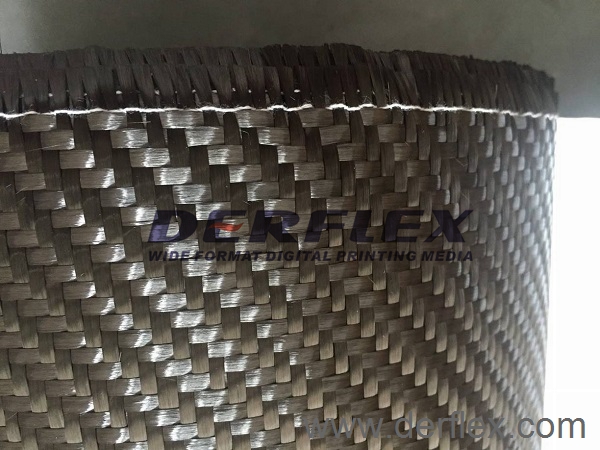
Close-up of DERFLEX woven fiberglass textile reinforcement
DERFLEX woven-fiberglass reference. Weave and edge finishing influence handling; this photo does not demonstrate a tested fiber-release result.

Proposed buyer acceptance sequence

  1. Drape it over the real geometry

    Trial the smallest curve, corner and access flap. Observe bridging, spring-back, wrinkles and whether the reflective face stays in the required position.

  2. Cut and finish the edges

    Use the intended cutter, needle, thread and binding. Compare fraying, loose yarns and fiber release from unfinished and finished edges.

  3. Repeat the handling cycle

    Agree the bend radius, number of cycles, cleaning method and inspection criteria before testing. Inspect for foil cracks, film damage, peeling and released fibers.

  4. Review it after relevant heat aging

    Repeat handling checks after a project-defined thermal exposure. Record conditions and results; this suggested sequence is not a claim of DERFLEX certification or a standardized fiber-emission test.

If frequent removal and reverse-side abrasion dominate the application, compare a silicone-coated fiberglass option or discuss a protective reverse finish. Confirm the temperature and flexibility of the resulting full laminate.

Application selection matrix

Match the roll material to its job in the finished product.

Use these scenarios to start a material discussion. They are selection directions; final suitability depends on the chosen grade and complete assembly.

Use case → evaluation direction → approval priority.
Buyer applicationStructure to evaluateWhat matters most
Flexible radiant shieldDeclared foil/glass or film/glass laminate with an appropriate bond system.Air-space design, radiant load, actual layer temperature, face abrasion and mounting.
Removable thermal coverReflective shell where useful, supported by a separately specified insulation and hot-face system.Drape, access frequency, edge finishing, thread, closures and temperature at each layer.
Pipe or duct insulation facingFoil/glass facing matched to the insulation system and environment.Seam continuity, moisture or vapor requirement, tape compatibility and bond durability.
Frequently folded OEM partCompare thinner foil and suitable film-based samples without assuming either is always more flexible.Working bend radius, flex fatigue, surface integrity and fiber-release criteria.
Hot-work barrierA project-qualified heat-resistant textile or multilayer system after hazard review.Sparks, molten material, orientation and the required finished-product test; reflection alone is insufficient.

For finished-product layer design, review equipment heat-protection covers. If your main product is a reusable valve, flange or pipe jacket, the insulation-jacket fabric guide adds conversion and maintenance considerations.

Fabrication & purchasing details

Small conversion decisions can change service life and delivered cost.

Protect edges and load points

Trial bound or folded edges and local reinforcement around clamps, fasteners and openings. A stronger backing does not prevent a thin reflective face from being damaged by an exposed corner.

Validate the joining method

Cutting and sewing may be practical for suitable grades. Foil and glass do not behave like a weldable PVC tarp: heat sealing depends on an identified compatible layer and a tested process.

Compare usable area

Ask whether a price is per linear meter, square meter or roll. Match usable width, trim allowance, roll length, splice policy and pattern yield before comparing apparent unit prices.

Specify packing around the surface

Review core diameter, winding tension, protective wrapping, edge protection and pallet arrangement. Tight folds, crushing and scratching can damage a reflective laminate before conversion begins.

Manufacturer & OEM supply discussion

Move from a material sample to a repeatable bulk specification.

DERFLEX’s published programs cover reflective laminates and coated fiberglass. Bring these material requirements into one sourcing discussion, with feasibility and evidence confirmed for the specific aluminum/glass construction.

01 / APPLICATION BRIEF

Define the exposure

Identify heat type, layer position, movement, environment and target test requirements. Include a drawing or an existing sample when available.

02 / SAMPLE REVIEW

Compare the exact build

Request a declared construction and enough material for cutting, joining and handling trials. Confirm sample availability, cost and preparation time.

03 / SPECIFICATION FREEZE

Record acceptance criteria

Agree layer identity, dimensions, tolerances, surface condition, bond and handling criteria. Keep an approved reference sample for repeat orders.

04 / BULK QUOTATION

Confirm the supply plan

Request wholesale roll pricing, MOQ, lead time, test documentation and export packing. Discuss slit widths, OEM roll labels and private-label cartons.

Sample-to-bulk controls should include grade and batch identification, usable roll dimensions, reflective-face inspection and the agreed verification records. Extra testing and OEM conversion requirements need to be included in the commercial offer.

Buyer questions

Aluminum foil fiberglass fabric FAQ

Direct answers for roll-material procurement and flexible heat-protection development.

What is aluminum foil fiberglass fabric made of?

It combines a real aluminum foil sheet, a bonding layer and woven fiberglass cloth. A reverse finish or extra layer may be added if specified. Request the complete layer declaration because the broader term aluminized fiberglass can also refer to metallized-film constructions.

Is aluminized fiberglass fabric the same as aluminum foil fiberglass fabric?

Not always. Aluminized fiberglass is a broader description that may use real foil or an aluminum-metallized polymer film. Identify the metal layer, carrier film if present, adhesive and glass backing before comparing grades.

What temperature can heat reflective fiberglass cloth withstand?

There is no universal rating for every laminate. The adhesive, film carrier, finish or converted-product components may limit service before the glass backing does. Request the exact-grade continuous rating, peak duration and test conditions, using the actual temperature reaching the material.

Can aluminum foil fiberglass cloth be soft and flexible?

Suitable constructions can be flexible, but softness depends on glass weave, foil or film gauge, bond loading and finishing. Trial the sample over the intended bend radius and repeat the handling cycle to inspect for cracking, peeling and loss of drape.

Does a reflective laminate stop fiberglass from shedding?

Covering a face can reduce exposed fibers at that surface, but cut edges, the reverse side and worn areas can still release fibers. Specify edge finishing and fiber-release acceptance criteria, then check the converted sample before and after relevant handling and heat aging.

Does the reflective face replace thermal insulation?

No. A reflective face primarily addresses radiant heat under suitable orientation and air-space conditions. Conductive heat, hot air and required heat-loss control may require a separate insulation layer and a complete system design.

Can this material be sewn or heat sealed?

Some grades can be cut and sewn with a suitable needle, thread and edge design. Heat sealing requires a declared compatible layer and an approved process; real foil and fiberglass are not inherently thermoplastic sealing layers. Trial the actual construction before bulk conversion.

How do I request samples, MOQ and an OEM bulk price?

Send the application, foil or film preference, heat exposure, target weight and thickness, roll dimensions, conversion method, sample and bulk quantities, packing and destination. DERFLEX confirms grade feasibility, sample terms, MOQ, price and lead time against that specification.

Samples · Bulk rolls · OEM

Send a specification that can become a useful quotation.

Share what the finished part must do. If the material structure is undecided, describe the exposure and handling requirements so foil and film routes can be reviewed separately.

  • Application and actual material-layer temperature.
  • Target construction, weight, thickness and roll dimensions.
  • Flexibility, edge finish and low fiber-release requirement.
  • Sample quantity, expected bulk demand and required documents.
  • OEM labels, packing, destination and delivery schedule.

Prefer email? Prepare the brief here and send it to info@derflex.com. This page prepares your inquiry locally; the email or DERFLEX quote page is the sending step.

* Required for the prepared brief.

Preparing the brief does not submit a quotation request. Use your email app or copy it into the DERFLEX quote page.

Consulting Services
+86-021-54361792 / 54361798
Email
sales@derflex.com