



PVC Coated Fabric for Tarps: Roll Material vs Finished Tarp
For tarp factories, distributors, importers and OEM buyers, the important question is not only which PVC coated fabric to buy. The smarter question is whether your business should order roll material, cut panels or finished tarps.
DERFLEX supplies PVC coated polyester tarp fabric for buyers who need controlled GSM, width, coating quality, weldability, color consistency and export-ready support. This page explains how to choose the right supply format for truck covers, construction tarps, agricultural covers, equipment protection and private-label tarp programs.
Choose the Format Before You Compare Prices
Two suppliers may quote the same “PVC tarp” keyword but deliver completely different value. A roll supplier sells material consistency. A finished tarp supplier sells fabrication accuracy. A strong manufacturing partner should help you match both.
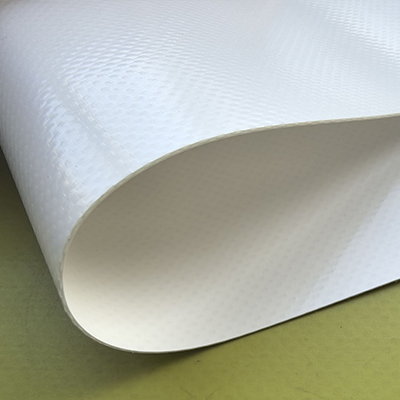
PVC Coated Fabric Rolls
Roll goods are the most flexible option when your company cuts and welds covers locally or supplies fabric to downstream tarp makers.
- Custom GSM, width, color and finish
- Better control for repeated fabrication
- Suitable for warehouses and regional converters
Cut Panels or Semi-Finished Covers
Panels reduce local cutting work while keeping final sewing, welding or hardware installation under your own production schedule.
- Useful for standard cover programs
- Reduced handling waste
- Flexible for local reinforcement and accessories
Finished PVC Tarps
Finished tarps are suitable when buyers need ready-to-sell or ready-to-install products with hems, eyelets, webbing, D-rings, labels and packing.
- Lower local fabrication workload
- Consistent finished sizes and details
- Good for fleet replacement and retail packaging
A practical sourcing framework for PVC tarp buyers
When comparing PVC coated fabric for tarps, cost per square meter is only one part of the decision. Buyers should also evaluate welding behavior, coating adhesion, roll width tolerance, shrinkage, edge reinforcement, hardware quality, packing method and repeat-order consistency.
DERFLEX can discuss the material route and the finished tarp route in one sourcing conversation, helping importers and OEM brands decide where manufacturing should happen.
| Supply Format | Best for | What to Specify |
|---|---|---|
| Roll Material | Tarp factories, converters, distributors with local cutting and welding capability, and OEM brands building a material inventory. | Finished weight, yarn structure, roll width, roll length, color, surface finish, tensile strength, tear strength, coating adhesion, UV and FR options. |
| Cut Panels | Buyers with repeated standard sizes who want to reduce cutting loss but keep final reinforcement and hardware work locally. | Panel size, cutting tolerance, fabric direction, folding method, labeling, bundle quantity and matching color batch control. |
| Semi-Finished Tarps | Fabricators who want welded panels, rough hems or pre-shaped covers before final edge reinforcement and accessories. | Seam layout, overlap width, weld method, edge allowance, corner design and installation direction. |
| Finished Tarps | Distributors, fleets, contractors, equipment owners and brands that need ready-to-use or ready-to-sell products. | Finished size, hem width, eyelet spacing, webbing, D-rings, rope edge, patches, logo printing, packing and carton marks. |
What Makes PVC Coated Fabric Suitable for Tarp Production?
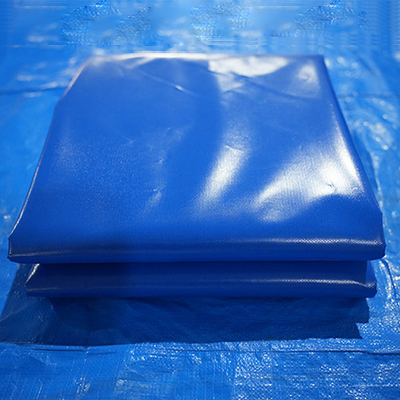
PVC coated fabric for tarps usually combines a polyester base fabric with a PVC coating on both sides. The polyester scrim provides tensile and tear support, while the PVC coating helps deliver waterproof protection, surface durability, weldability and outdoor weather resistance.
For B2B orders, the material should not be selected by color and thickness only. A professional specification should define the yarn, density, coating structure, finished weight, surface finish, UV requirement, temperature requirement and fabrication method.
The Real Conversion Path Behind a Finished Tarp
A finished tarp is not only a piece of fabric cut to size. The details around welding, reinforcement, hardware and packing often decide whether the product is suitable for repeat B2B supply.
Material Selection
Choose GSM, fabric structure, width, color, finish and performance direction based on use.
Panel Planning
Plan cutting layout, weld overlap, shrinkage allowance and batch control before fabrication.
Welding or Sewing
Use hot-air, high-frequency welding or sewing depending on fabric and cover design.
Reinforcement
Add hems, webbing, corner patches, eyelets, D-rings, ropes or straps at stress points.
Packaging
Prepare folding, labels, carton marks, woven bags, pallets or private-label packing.
| Specification Item | Recommended Buyer Check |
|---|---|
| Finished Weight | Match GSM or oz/yd² to duty level, handling weight and expected outdoor use. |
| Base Fabric | Check yarn denier, fabric density and tear direction, not only the total thickness. |
| Coating Quality | Evaluate coating adhesion, surface uniformity, waterproof behavior and fabrication stability. |
| Roll Width | Choose width according to cutting layout, welding work and container loading efficiency. |
| UV / Weathering | Define whether the tarp is for short-term cover, repeated outdoor use or long-term exposure. |
| Weldability | Confirm the material is compatible with the buyer’s hot-air or HF welding equipment. |
| Color Control | For distributor programs, request controlled color shade and repeat-order batch tracking. |
| Packaging | Specify roll core, roll length, plastic film, woven bag, pallet, carton mark and private-label requirements. |
Ask these questions before ordering
- Will the tarp be fabricated locally or supplied as a finished cover?
- What environment will it face: sun, rain, wind, abrasion, folding or chemicals?
- What is more important for your market: price level, lifespan, fabric weight or handling comfort?
- Do you need repeated colors, private-label packaging or long-term specification control?
- Should DERFLEX recommend roll goods, panels or finished tarps for your order model?
Roll Material Is Not Always Cheaper, and Finished Tarps Are Not Always Simpler
Roll material can reduce sourcing cost when the buyer already owns cutting and welding equipment or has a local network of tarp makers. It also gives distributors more freedom to produce multiple sizes from one material inventory.
Finished tarps may be more efficient when labor costs are high, when quality consistency is difficult to control locally, or when the buyer needs ready-to-sell products with specific packaging and accessories. For export projects, the right answer often depends on volume, specification complexity and the buyer’s local production capability.
Different Tarp Uses Need Different PVC Coated Fabric Decisions
A tarp used for a trailer cover is not selected the same way as a warehouse cover, construction site tarp or agriculture cover. DERFLEX helps buyers connect application conditions with practical material and fabrication choices.
Truck and Trailer Tarps
Prioritize tensile strength, tear resistance, welding stability, reinforced edges, repeated folding and secure tie-down details. Roll material is common for trailer builders and tarp fabricators; finished covers are useful for fleets and replacement programs.
Construction and Site Covers
Focus on waterproof performance, abrasion resistance, visibility color, grommet spacing and fast installation. Finished tarps may save project time, while roll goods help local contractors fabricate special sizes.
Agriculture and Storage Covers
Check UV exposure, mildew resistance, flexibility, handling weight and seasonal storage needs. Bulk roll goods can support distributors; finished tarps can support farms and storage projects.
Equipment Protection
For machinery covers, edge design and stress points are important. Semi-finished covers can be a practical choice when final fitting needs to be adjusted locally.
OEM and Private Label
Brands need repeatable colors, product line planning, logo printing, labels, carton marks and documentation. DERFLEX can support both material supply and finished tarp development.
Industrial Curtains and Enclosures
Depending on hanging systems and installation details, buyers may require roll material, welded panels or fully fabricated pieces with hardware and reinforcement.
DERFLEX vs Online Tarp Seller vs Trading Company
Many online stores sell standard sizes. Many traders quote available goods. DERFLEX is more suitable for B2B buyers who need material-level discussion, repeat orders and custom supply formats.
Online Tarp Seller
Good for small purchases and standard finished tarp sizes. Less suitable when buyers need custom roll width, private-label specification control or repeated B2B production planning.
General Trading Company
May help source available goods, but technical control can be limited if the supplier does not manage coating, material matching or finished tarp details directly.
DERFLEX Manufacturing Support
Supports PVC coated fabric rolls, cut panels and finished tarp directions with material discussion, custom GSM, color, surface, performance options, OEM packaging and export communication.
Explore Related PVC Tarp Material Pages
These internal links help buyers move from material selection to application, fabrication and quotation planning.
Questions Buyers Ask Before Ordering PVC Tarp Material
Use these answers to prepare a clearer quotation request and reduce unnecessary sample rounds.
Should I order PVC coated fabric rolls or finished tarps?
Choose rolls if you have local cutting, welding or sewing capability and need flexible production. Choose finished tarps if you need ready-to-use covers with hems, eyelets, webbing, labels and packaging. Some buyers choose cut panels or semi-finished covers as a middle option.
What information should I send DERFLEX for a PVC tarp roll quotation?
Please send the application, target GSM or thickness, roll width, color, surface finish, UV or flame-retardant requirement, expected quantity, packing method and whether the fabric will be welded, sewn or converted into finished covers.
Can DERFLEX support both roll goods and finished PVC tarps?
Yes. DERFLEX can discuss PVC coated fabric roll material, cut panels, semi-finished covers and finished tarp supply depending on the buyer’s production capability, sales model and project requirements.
Is thicker PVC tarp fabric always better?
Not always. Thickness is only one factor. Buyers should also compare base fabric strength, coating adhesion, tear resistance, surface finish, UV requirement, weldability and the reinforcement design of the finished tarp.
Which applications use PVC coated fabric for tarps?
Common uses include truck covers, trailer tarps, construction covers, agricultural storage covers, equipment protection, temporary shelters, industrial curtains, warehouse covers and private-label tarp product lines.
Can DERFLEX provide OEM packaging for tarp programs?
OEM details can be discussed, including roll labels, woven bags, carton marks, product labels, color coordination, logo printing, pallet packing and specification documentation for repeat orders.
Need PVC tarp roll material or finished tarps for your market?
Send DERFLEX your application, target weight, width, color, surface finish, finishing details and estimated quantity. We will help recommend a practical supply format for your truck, construction, agriculture, equipment or OEM tarp program.