



PVC Tarpaulin Abrasion Resistance
Abrasion often damages tarpaulins before tensile breaking strength is reached. Sliding over cargo, dragging during installation, rubbing against frames and repeated folding can gradually remove protective coating. Learn to compare wear tests by machine, abrasive, load and failure endpoint—not by cycle count alone.
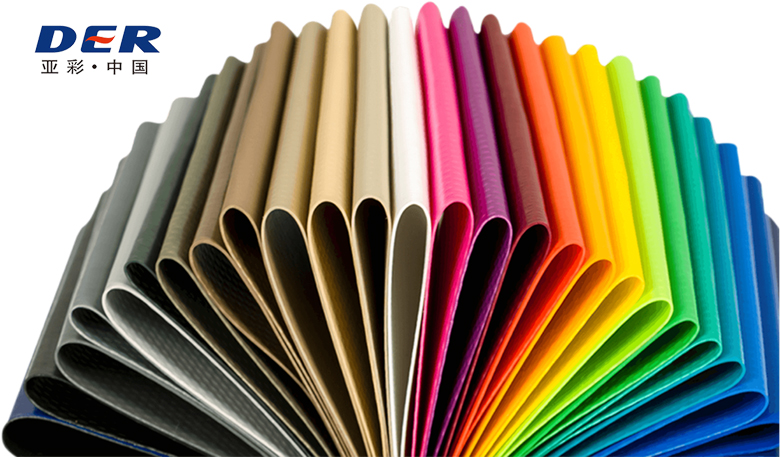
PVC coated-fabric abrasion resistance can be assessed with ISO 5470-1:2016 (Taber abrader) or ISO 5470-2:2021 (Martindale abrader), depending on the specified test program. A number of cycles without abrasive type, load and endpoint is not a complete result. Taber and Martindale values are not directly interchangeable.
Test method, scope and buyer meaning
What the laboratory measures, where the method applies and why the test procedure must accompany every strength or endurance number.
Taber and Martindale methods apply controlled rubbing to coated-fabric surfaces using different motions and contact arrangements. ISO 5470-1 describes Taber assessment; ISO 5470-2 describes Martindale assessment. Each method requires its own abrasion medium, loading conditions and evaluation rules. The chosen endpoint may be visible coating wear, mass change, appearance grading or breakthrough of the textile substrate.
Abrasion resistance should be defined at the coated face expected to see contact. Some fabrics have different topcoat or embossing on the two sides. Ask whether a result describes face A, face B or a converted component.
Cycle count is meaningful only with all the accompanying setup fields and a pass criterion. A material tested to a high number of light-duty cycles may be unsuitable for a lower number of more severe cycles. Do not infer a universal 'cycles to years of use' rule.
Abrasion and tear interact. Repeated scuffing can thin the PVC, expose the polyester scrim and create notches that later propagate as tears. For heavy-contact applications, inspection should include residual coating, local wear patterns and edge protection.
Primary reference methods
| Standard / open reference | Purpose | Procurement interpretation |
|---|---|---|
| ISO 5470-1:2016 | Taber abrasion of coated fabrics | Specify wheels/abradant, load, cycle count and endpoint. |
| ISO 5470-2:2021 | Martindale abrasion of coated fabrics | Define abrasive, loading and inspection intervals. |
| ISO 4674-1:2016 | Tear resistance following wear | Useful for investigating post-abrasion damage paths. |
The links are to official standards catalogs. They identify the published scope; use the licensed full text and contract edition for laboratory execution.
Units, readings and reporting
A test result is a number plus its method, specimen, condition, direction and acceptance rule. Require all of those fields in a supplier comparison.
| Report field | Typical unit / expression | How the buyer reads it |
|---|---|---|
| Abrasion cycles | cycles / rubs under stated method | Not comparable across machines without matched setup. |
| Applied load | N or mass/load unit per method | Affects contact pressure and wear severity. |
| Abrasion medium | Wheel, grit or reference fabric designation | Often determines the dominant wear mechanism. |
| Wear end point | Coating exposure / breakthrough / visual grade | Define precisely when the sample is considered failed. |
| Mass change | mg or g where specified | Interpret with sample preparation and debris removal method. |
Requirements differ by application
Use the failure mode—not the headline GSM—to determine which property deserves the most attention and which assembly details need independent approval.
| End use | What to prioritize | Main risk | Buyer action |
|---|---|---|---|
| Truck cargo covers | Friction at straps, corners and cargo contact | Localized continuous rubbing | Consider wear patches and contact isolation. |
| Reusable industrial tarps | Repeated dragging and folding | Surface scuffing and edge loss | Specify face-side wear and maintenance review. |
| Warehouse curtains | Sliding against structures | High-frequency low-load rubbing | Check finishes and operating hardware together. |
| Outdoor equipment covers | Movement over metal frames | Wind-driven cyclic contact | Use reinforced high-wear zones and inspect edges. |
How GSM, denier and coating affect performance
PVC tarpaulin is a system of coating, polyester reinforcement and surface finish. No single construction number substitutes for the finished-material test.
PVC surface chemistry
Lacquer, formulation, pigmentation and texture can affect friction and the rate at which a surface wears. Test the actual finished face.
Coating thickness
A thicker protective layer can increase sacrificial wear allowance, but coating adhesion and local defects still affect service behavior.
Base fabric
Denier and weave do not directly define the coating's wear rate, yet determine the structure exposed if abrasion reaches the reinforcement.
GSM and processing
A high finished weight may contain additional substrate or PVC; without the layer balance and test method, GSM cannot predict cycle life.
Simplified construction diagram for buyer education. Layer number and composition vary by grade; this is not a cross-section or verified test result.
Common defects and receiving inspection
Inspection should record actual defect locations, confirm the approved reference and distinguish visual observations from standard-test results.
Gloss change or scuff whitening
Record whether the damage is cosmetic or meets the contract's failure endpoint.
Coating thinning
Inspect high-contact locations and compare thickness or appearance with the approved sample as specified.
Polyester scrim showing through
Treat as a meaningful barrier-loss condition where specified; review water and tear consequences.
Delamination near wear area
Distinguish surface abrasion from coating/substrate adhesion loss and request a peel test if needed.
Fastener and frame contact damage
Measure position and geometry; consider protective pads or changed installation rather than a fabric-only solution.
How to qualify the grade before bulk purchase
Link test evidence to the actual roll specification and to the way the material will be converted and used.
Identify contact pattern
Explain whether the tarp rubs across metal, cargo, ground, rollers or itself, and how frequently.
Pick the abrasion route
Select ISO 5470-1 or -2 and specify the exact abrasive, loading and cycle program.
Set the failure criterion
Decide whether the key limit is cosmetic change, coating breakthrough, water barrier loss or residual strength.
Design wear protection
Specify compatible patches, edge guards, attachment geometry and handling instructions where abrasion cannot be eliminated.
DERFLEX documentation, TDS and sample discussion
Ask which grade-specific technical data sheet, representative sample and test evidence may be available for the proposed construction. Availability, report coverage, sample charges, sampling locations, independent-laboratory work and issue dates must be confirmed in the quotation and approval documents. This page does not claim that DERFLEX already holds a particular passing report for every product or lot.
For an efficient technical enquiry, include the following:
- End use, exposure and intended market
- GSM, base yarn and construction if known
- Roll width, color, finish and quantity
- Named test methods and minimum acceptance limits
- Seam, hem, eyelet or conversion drawings
- Required TDS, sample and inspection evidence
Abrasion Resistance — FAQ
Concise answers for procurement teams preparing a test plan, sample approval or comparison of supplier technical data.
How is PVC tarpaulin abrasion resistance measured?
For coated fabrics, ISO 5470-1 uses Taber abrasion and ISO 5470-2 uses Martindale abrasion; both require specific setup and evaluation criteria.
Can Taber cycles be compared with Martindale cycles?
No. The machines, motion, abrasives and contact conditions differ, so the numbers are not directly exchangeable.
Does a higher GSM guarantee better abrasion resistance?
No. Surface finish, coating thickness, adhesion, texture and test conditions all affect wear.
What is the most important abrasion failure sign?
It depends on use. For water-protection or exposed-scrim applications, coating breakthrough may matter more than early cosmetic gloss change.
Can abrasion affect waterproofness?
Yes. Abrasion can remove or damage the continuous PVC barrier and expose the textile substrate, potentially creating water ingress routes.
How can buyers reduce abrasion failures?
Specify the relevant test endpoint, approve representative material, protect contact zones and inspect the completed installation for hard edges and repetitive rubbing.