



PVC Tarpaulin Coating Adhesion
The PVC surface and polyester base fabric must behave as one reliable system in the intended application. Coating adhesion or peel strength testing helps buyers assess bond performance, delamination risk and batch stability—especially when the material will be bent, handled, welded or exposed to weather.
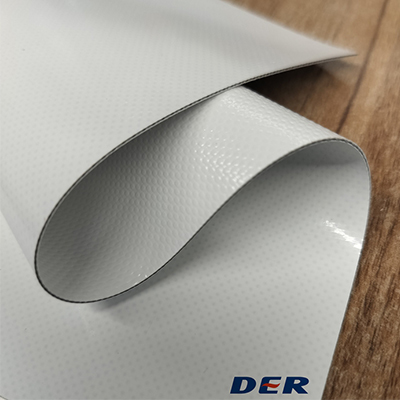
Coating adhesion measures resistance to separating the coating from its textile substrate under a defined peel method. ISO 2411:2024 is the current coated-fabric adhesion reference. A result must include the test route, specimen width, direction, conditioning and failure mode; a high peel number alone does not prove finished-weld strength.
Test method, scope and buyer meaning
What the laboratory measures, where the method applies and why the test procedure must accompany every strength or endurance number.
In a coating adhesion test, the lab prepares a specified peel interface and records the force required to separate layers under controlled conditions. ISO 2411:2024 covers adhesion determination for rubber- or plastics-coated fabrics. ASTM D751 includes an adhesion-of-coating procedure as part of its coated-fabric method suite. Choice of method, specimen preparation and temperature can alter interpretation.
Reports may show peel force as N per defined specimen width, sometimes represented as N/5 cm, or another method-specific unit. Keep the actual width and peel configuration attached to the value; do not compare unlike peel geometries by the printed force alone.
Observe what failed. A clean coating/substrate separation, cohesive tear within PVC or rupture of the backing can indicate different bond behavior. A single maximum force without failure description loses useful engineering context.
Peel adhesion and seam weld strength are adjacent but distinct properties. Two PVC-coated surfaces may weld well even though one layer-to-scrim peel result is weak—or vice versa. Representative welded coupons should be assessed separately where conversion is critical.
Primary reference methods
| Standard / open reference | Purpose | Procurement interpretation |
|---|---|---|
| ISO 2411:2024 | Coating adhesion determination | State peel route, direction, width and conditioning. |
| ASTM D751 | Adhesion of coating to fabrics | Confirm specific procedure and edition. |
| ISO 1419:2019 | Accelerated ageing of coated fabrics | Use only with a defined post-ageing property check. |
The links are to official standards catalogs. They identify the published scope; use the licensed full text and contract edition for laboratory execution.
Units, readings and reporting
A test result is a number plus its method, specimen, condition, direction and acceptance rule. Require all of those fields in a supplier comparison.
| Report field | Typical unit / expression | How the buyer reads it |
|---|---|---|
| Peel force | N per defined width; sometimes N/5 cm | Record test width and method-specific calculation. |
| Peel direction | Warp / weft or MD / CD if specified | Check whether both directions are needed. |
| Failure mode | Adhesive, cohesive or backing failure | Interpret where the system actually separated. |
| Test condition | °C, exposure time and conditioning | Identify initial, wet, heated or aged condition. |
| Weld strength | Separate seam/peel method and unit | Do not treat coating peel as a weld approval. |
Requirements differ by application
Use the failure mode—not the headline GSM—to determine which property deserves the most attention and which assembly details need independent approval.
| End use | What to prioritize | Main risk | Buyer action |
|---|---|---|---|
| Truck curtains | Bond stability during folding and tension | Repeated flexing and localized creases | Review initial and appropriate conditioned adhesion. |
| Welded tanks and containment covers | Coating bond plus real weld coupons | Peel at seam interfaces | Separately approve film-to-film weld construction. |
| Outdoor architectural textiles | Adhesion after selected weathering | Ageing combined with cyclic movement | Specify retained bond performance under a test protocol. |
| Printable or coated industrial fabrics | Surface/laminate stability | Finishing, cleaning and handling | Check print/finish compatibility independently. |
How GSM, denier and coating affect performance
PVC tarpaulin is a system of coating, polyester reinforcement and surface finish. No single construction number substitutes for the finished-material test.
Base-fabric preparation
Surface cleanliness, yarn finish and substrate processing affect interaction between the textile and PVC system. The relevant pre-treatment must be controlled in production.
Coating or lamination route
Process temperatures, layer formation and bond chemistry influence adhesion. A 'coated' or 'laminated' marketing name does not quantify bond performance.
GSM and layer balance
More PVC raises mass but cannot compensate automatically for poor bonding. Ask how coating mass and adhesion are verified for the selected grade.
Flexibility and environment
Plasticizer package, surface lacquer, ageing, cleaning fluids and cold bending can change how interfaces behave. Define the conditions actually relevant to use.
Simplified construction diagram for buyer education. Layer number and composition vary by grade; this is not a cross-section or verified test result.

Common defects and receiving inspection
Inspection should record actual defect locations, confirm the approved reference and distinguish visual observations from standard-test results.
Edge delamination
Inspect the boundary between textile and PVC at cut edges; document whether separation grows during bending.
Blisters or bubbles
Map position and size; separate trapped-process defects from service-induced damage.
Peeling near welds
Check weld heat exposure and whether the failure is in the coating bond or between joined sheet surfaces.
Adhesion drift between batches
Require matched specimen preparation and test conditions before assessing numerical shifts.
How to qualify the grade before bulk purchase
Link test evidence to the actual roll specification and to the way the material will be converted and used.
Identify the interface
State whether the concern is PVC-to-scrim adhesion, film-to-film weld peel or a bonded accessory; each needs a different acceptance test.
Record test conditions
Specify ISO 2411 or the applicable procedure, width, orientation, environment and initial/aged states.
Approve conversion trials
Where welding is involved, approve coupons produced by the actual equipment and material grade.
Trace any failure
Keep specimen photos, failure mode, roll ID and test curve with the purchase and claim record.
DERFLEX documentation, TDS and sample discussion
Ask which grade-specific technical data sheet, representative sample and test evidence may be available for the proposed construction. Availability, report coverage, sample charges, sampling locations, independent-laboratory work and issue dates must be confirmed in the quotation and approval documents. This page does not claim that DERFLEX already holds a particular passing report for every product or lot.
For an efficient technical enquiry, include the following:
- End use, exposure and intended market
- GSM, base yarn and construction if known
- Roll width, color, finish and quantity
- Named test methods and minimum acceptance limits
- Seam, hem, eyelet or conversion drawings
- Required TDS, sample and inspection evidence
Coating Adhesion — FAQ
Concise answers for procurement teams preparing a test plan, sample approval or comparison of supplier technical data.
What does PVC coating adhesion mean?
It is the resistance of the PVC layer to separation from the textile substrate under a defined laboratory peel method.
What standard is used for coating adhesion?
ISO 2411:2024 covers coated-fabric adhesion measurement; ASTM D751 also contains coating-adhesion procedures.
Is adhesion the same as weld strength?
No. Substrate adhesion concerns the coating-to-fabric bond; weld strength concerns the joining of finished sheets and must be evaluated separately.
Why does a coating peel after repeated folding?
Potential factors include substrate treatment, coating formulation, bond quality, tight folds and ageing. Root cause needs sample and process evidence.
Does adding more PVC guarantee stronger adhesion?
No. Bond quality is not determined solely by coating mass or total GSM.
Should I request aged adhesion?
If the finished application involves outdoor exposure, heat, moisture or repeated cold folding, a defined conditioned or aged test may be relevant.