



PVC Tarpaulin Cold Crack Test
A tarp that rolls smoothly at room temperature may stiffen or crack during winter handling. Low-temperature bend testing evaluates a coated fabric's resistance to cracking during a specified cold exposure and bend. The pass/fail temperature must be read with the actual method and conditioning—not as a blanket minimum service temperature.
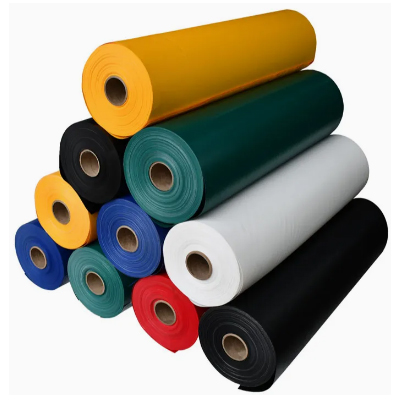
ISO 4675:2017 is a low-temperature bend test for rubber- or plastics-coated fabrics. It assesses whether a defined specimen cracks after exposure and bending at a specified temperature. A pass at one test condition does not certify all outdoor use, repeated flex cycles, welded corners or long-term fatigue at that temperature.
Test method, scope and buyer meaning
What the laboratory measures, where the method applies and why the test procedure must accompany every strength or endurance number.
In the ISO 4675 approach, test specimens are conditioned at a chosen low temperature and bent in a prescribed way to assess cracking. The published standard states a material-thickness application range and guidance for thicker materials. Temperature, exposure period, specimen geometry and inspection criterion must accompany the pass/fail outcome. Different cold-flex protocols should not be treated as interchangeable.
Cold crack and low-temperature operating capability are related but not identical. Actual field conditions add repeated folding, load, impact, weld geometry, material ageing and changes in plasticizer behavior. A single bend at a lab-set temperature cannot predict a product's complete service envelope.
When reading a TDS, distinguish the test temperature from an operating range, storage limit or installation recommendation. Ask how each was established. A headline such as '-30°C resistant' is insufficient without its test route and the tested product construction.
Cold bending often exposes weaknesses near sharp folds and local coating defects. If the final tarp will be folded frequently or tightened while cold, evaluate a representative converted sample and not only a virgin flat strip.
Primary reference methods
| Standard / open reference | Purpose | Procurement interpretation |
|---|---|---|
| ISO 4675:2017 | Low-temperature bend test for coated fabrics | Specify conditioning, bend and crack inspection. |
| ISO 2411:2024 | Coating adhesion | Use where cold flex leads to layer separation. |
| ISO 1421:2016 | Mechanical strength reference | Consider conditioned values only when specified. |
The links are to official standards catalogs. They identify the published scope; use the licensed full text and contract edition for laboratory execution.
Units, readings and reporting
A test result is a number plus its method, specimen, condition, direction and acceptance rule. Require all of those fields in a supplier comparison.
| Report field | Typical unit / expression | How the buyer reads it |
|---|---|---|
| Test temperature | °C or °F | State actual selected temperature, not inferred climate class. |
| Exposure duration | minutes or hours per method | Include preconditioning before bending. |
| Bend geometry | Mandrel / method-specific configuration | Thicker fabric may need different treatment. |
| Result | pass/fail; crack observation | Record visibility, location and severity as specified. |
| Material thickness | mm | Check scope of test equipment and relevant method applicability. |
Requirements differ by application
Use the failure mode—not the headline GSM—to determine which property deserves the most attention and which assembly details need independent approval.
| End use | What to prioritize | Main risk | Buyer action |
|---|---|---|---|
| Winter truck curtains | Flex and folding at low temperatures | Creases during opening and tensioning | Include cold-bend requirement and fastening details. |
| Cold-region equipment covers | Handling without crack initiation | Repeated removal and storage | Define installation and service handling limits. |
| Refrigerated or chilled partitions | Bend plus cleanability and repeated cycles | Constant low temperature with use | Evaluate operational flex profile, not one-time pass. |
| Seasonal outdoor shelters | Coating integrity after storage | Cold installation and packed folds | Specify minimum installation temperature separately. |
How GSM, denier and coating affect performance
PVC tarpaulin is a system of coating, polyester reinforcement and surface finish. No single construction number substitutes for the finished-material test.
PVC formulation
Plasticizer selection, stabilizers and coating recipe strongly influence stiffness and crack response. The lab sample must represent the production formula.
Fabric construction
Yarn type and weave constrain how closely the coated fabric can bend. Denier and density matter in combination with coating flexibility.
GSM / thickness
Thicker materials can form sharper outer-fiber strain during a tight fold. A mass figure alone does not determine low-temperature suitability.
Age and exposure
Heat history, UV and migration can change flexibility over time. Initial cold crack results may not represent material after service ageing.
Simplified construction diagram for buyer education. Layer number and composition vary by grade; this is not a cross-section or verified test result.
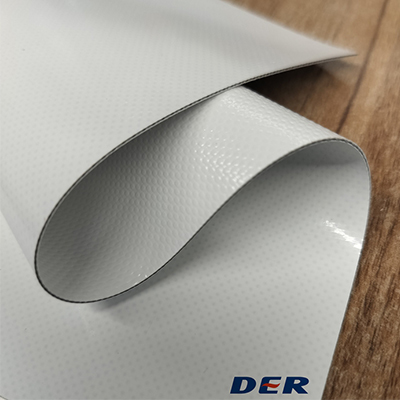
Common defects and receiving inspection
Inspection should record actual defect locations, confirm the approved reference and distinguish visual observations from standard-test results.
Fine lines at the fold
Inspect under consistent light after conditioning; distinguish surface whitening from actual cracking when the method requires.
Coating separation at bends
Record delamination and seek a specific adhesion test if the interface is affected.
Cracking around weld ends
Assess the welded part separately; different thickness and heat history may change behavior.
Permanent kinks or brittle handling
Review fold radius, storage temperature and operational frequency, not simply the lab pass threshold.
How to qualify the grade before bulk purchase
Link test evidence to the actual roll specification and to the way the material will be converted and used.
Describe cold duty
State minimum expected storage, installation and operation temperatures and how often the tarp is bent.
Set a specific test
Name ISO 4675, required temperature, thickness scope and pass/fail criterion.
Approve realistic specimens
Where bends cross seams, folds or hardware, qualify the relevant converted construction.
Confirm evidence and instructions
Match the report to grade and color; document handling and installation limitations in the purchase agreement.
DERFLEX documentation, TDS and sample discussion
Ask which grade-specific technical data sheet, representative sample and test evidence may be available for the proposed construction. Availability, report coverage, sample charges, sampling locations, independent-laboratory work and issue dates must be confirmed in the quotation and approval documents. This page does not claim that DERFLEX already holds a particular passing report for every product or lot.
For an efficient technical enquiry, include the following:
- End use, exposure and intended market
- GSM, base yarn and construction if known
- Roll width, color, finish and quantity
- Named test methods and minimum acceptance limits
- Seam, hem, eyelet or conversion drawings
- Required TDS, sample and inspection evidence
Cold Crack Test — FAQ
Concise answers for procurement teams preparing a test plan, sample approval or comparison of supplier technical data.
What is a PVC tarpaulin cold crack test?
It evaluates whether a coated-fabric specimen cracks after prescribed low-temperature exposure and bending.
Which ISO standard covers low-temperature bending?
ISO 4675:2017 addresses low-temperature bend testing for rubber- or plastics-coated fabrics.
Does passing at -30°C mean the tarp can always operate at -30°C?
No. Field service includes cycles, loads, seams, ageing and handling conditions not necessarily covered by one laboratory bend.
Does higher GSM make a tarp more cold-resistant?
No. PVC formulation, layer thickness, scrim structure and bending conditions determine performance together.
Is cold crack the same as cold tensile strength?
No. Cold crack checks bending-induced surface or coating failure; tensile testing measures breaking force in a pull test.
Should seams and eyelets be tested in cold conditions?
When they are critical to cold operation, representative assemblies deserve their own validation because added thickness and stress concentration can alter failure.