



PU Leather Fabric Supplier
Looking for a PU leather fabric supplier for repeat manufacturing orders? DERFLEX supplies polyurethane-based synthetic leather rolls for upholstery workshops, bag producers, interior converters, distributors and OEM brands. A useful quote starts with more than a color swatch: define the end use, backing, thickness, usable width, roll length, grain, finish and expected order volume. Then confirm the approved sample, agreed test methods, roll labeling and packing before bulk supply. This page helps purchasing teams compare PU leather roll supplier offers on the same basis, avoid width-related costing errors and prepare a clear technical brief. Material rolls are the core supply scope; finished bags, furniture and footwear are outside the default offer. Exact grade availability, quantities, documentation and delivery terms are confirmed for each project.
Specify the roll. Approve the sample. Repeat the result.
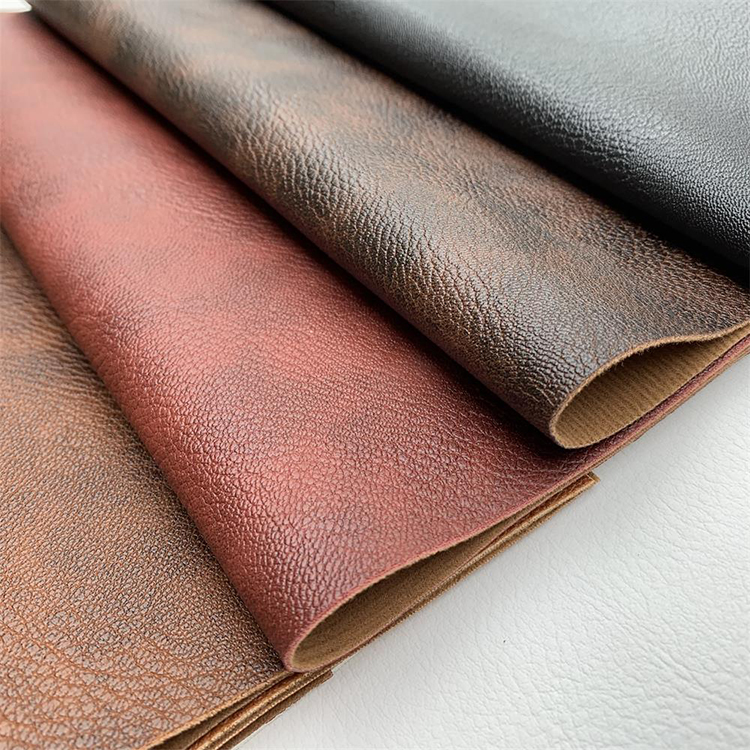
A supplier decision begins with a roll specification.
The right PU leather fabric is the grade that can be approved, converted and reordered—not merely the sample that looks best under showroom lighting.
PU leather is a family of coated materials: polyurethane-based surface systems are paired with a fabric, nonwoven, microfiber or other specified backing. Thickness, softness, stretch and grain can vary substantially by construction. Read DERFLEX's PU leather material overview when defining the layer system.
For a repeat-order buyer, ask what the supplier will put on the order confirmation: product reference, approved sample, tolerance agreement, usable width, linear meters per roll, packing method and a practical route for claims or color-lot differences. DERFLEX's PU leather roll material guide explains the roll as a production input.
What to put on a PU leather fabric RFQ
This table is a buyer's checklist, not a fixed DERFLEX SKU or a promise that every option is stocked. Confirm grade-specific figures and tolerances on the approved TDS and purchase order.
| RFQ variable | What to specify | Why it changes purchasing |
|---|---|---|
| Surface system | PU-based finish; matte, satin, smooth or embossed target | Changes appearance, hand feel, cleaning and process response |
| Backing construction | Woven, knitted, nonwoven or microfiber direction; supplied sample | Affects drape, stretch, stitch retention and lamination fit |
| Thickness, mm | Required range and approved measurement method | Controls fold bulk, sewing, wrapping and material body |
| Usable width, m | Minimum cuttable width; distinguish from nominal edge-to-edge width | Sets nesting yield and comparable cost per m² |
| Roll length, linear m | Length per roll, tolerance, splices and short-roll handling | Changes inventory, cutting continuity and order planning |
| Color & grain | Physical master sample; shade limit, face direction, embossing reference | Supports appearance across parts, lots and repeat collections |
| Application testing | Relevant abrasion, rub, flex, hydrolysis or cleaning test with method | Prevents unsupported durability and compliance assumptions |
| Packaging & labels | Core, wrapping, label fields, lot/roll identification and pallet approach | Protects receipt, warehousing, traceability and handling |
| Commercial terms | Quantity, destination, requested Incoterm, timing and documentation | Enables meaningful quote comparison and shipment planning |
Important: no universal MOQ, lead time, flame-retardant claim or hydrolysis value is assumed for every PU leather fabric grade.
Linear meters vs. square meters
When PU leather rolls are priced by the running meter, effective area depends on usable width, not the marketing width. Keep the conversion basis on your quote.
Illustration only: 2,000 linear m × 1.38 m usable width = 2,760 m² before cutting waste. The 1.38 m figure is an example, not a confirmed DERFLEX supply specification.
Ask for two width numbers
- Nominal width including margins, if supplied.
- Guaranteed usable cutting width by agreed method.
- Whether measured width includes edges, protective margins or stretch.
- Allowance for defects, splices and rejected segments.
For long production runs, a small width difference multiplied across hundreds of rolls can change purchasing economics.
Three practical routes for bulk buyers
Choose the sourcing route before asking for a unit price. The sampling and approval effort differs for established colors, sample matching and application-specific OEM work.
Standard-look roll selection
Start from available grain and color references. Confirm backing, width, quantity and repeat-order conditions for distributors or familiar upholstery styles.
Explore broader PU leather supply →Customer swatch matching
Send a physical reference and define which attributes matter most: shade, gloss, grain scale, softness, edge profile and approval lighting.
See sample approval steps →Application-led development
Specify the cut-and-sew, wrapping, embossing or bonding process, then agree relevant performance checks before production planning.
See footwear material requirements →Look beyond the color card.
Real material images from DERFLEX's site illustrate visible grain, backing and color differences. Photographs establish appearance references, not test results or inventory guarantees.
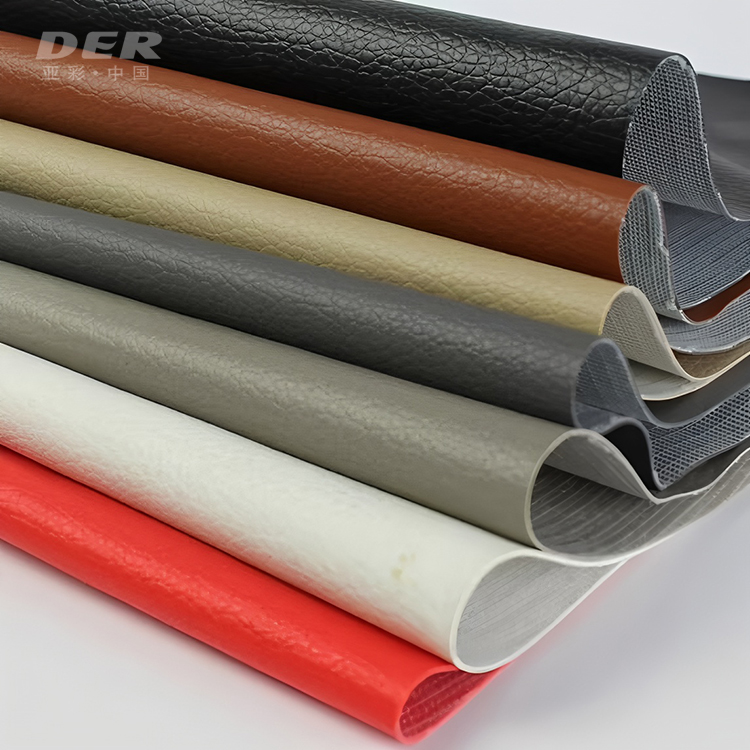
Surface + backing
Inspect the reverse side and folding behavior—not only the finished grain.
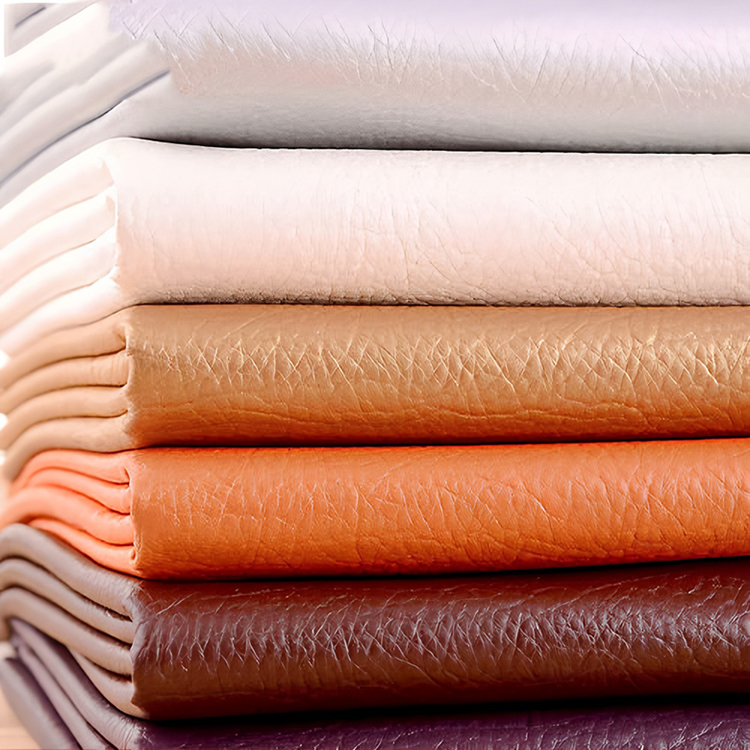
Color family references
Approve colors against physical standards before specifying a repeat collection.
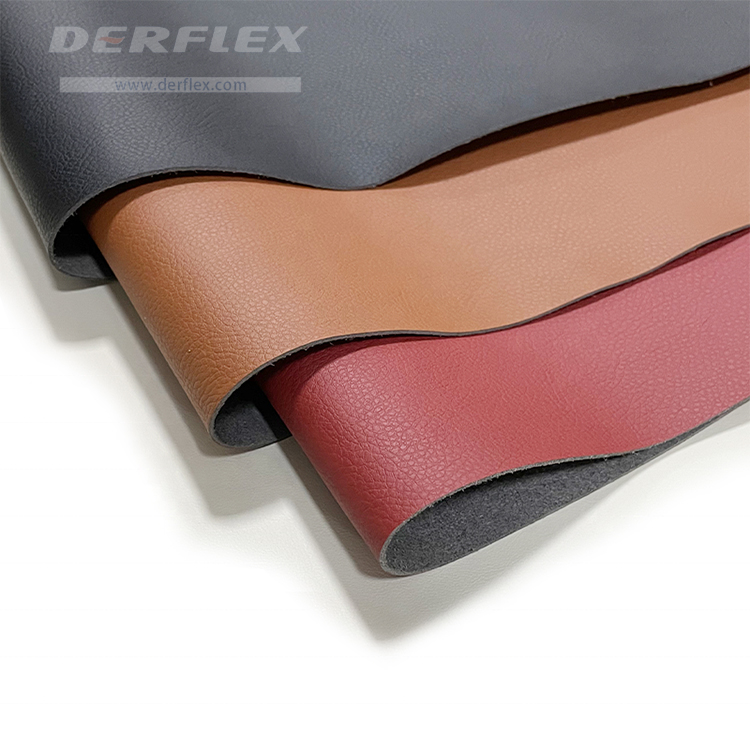
Flexible interior material
Consider wrapping, needle response, bend radius and material recovery for interior conversion.
Make the sample-to-bulk handoff auditable.
A sample is useful only when its identity and acceptance criteria follow the order. Agree on the process in writing before a shade or finish becomes the master reference.
- 01. Define the finished product.
Share the use case, converting process, market, expected service conditions and any restricted-substance or test requirement.
- 02. Select the construction.
Review PU surface system, backing, grain, thickness direction, usable width and roll packing. Request a grade-specific TDS where available.
- 03. Approve a physical reference.
Check shade under agreed lighting, hand feel, grain, folding and sample production behavior. Record the approved sample identifier.
- 04. Define receiving inspection.
Agree what to check on arrival: roll count, labels, usable width, cuttable length, visible defects, lot identity and specified performance documentation.
- 05. Preserve the reorder record.
Keep references for shade, backing, embossing and agreed tolerances. Reconfirm changes to process, formulation or requirements before replenishment.
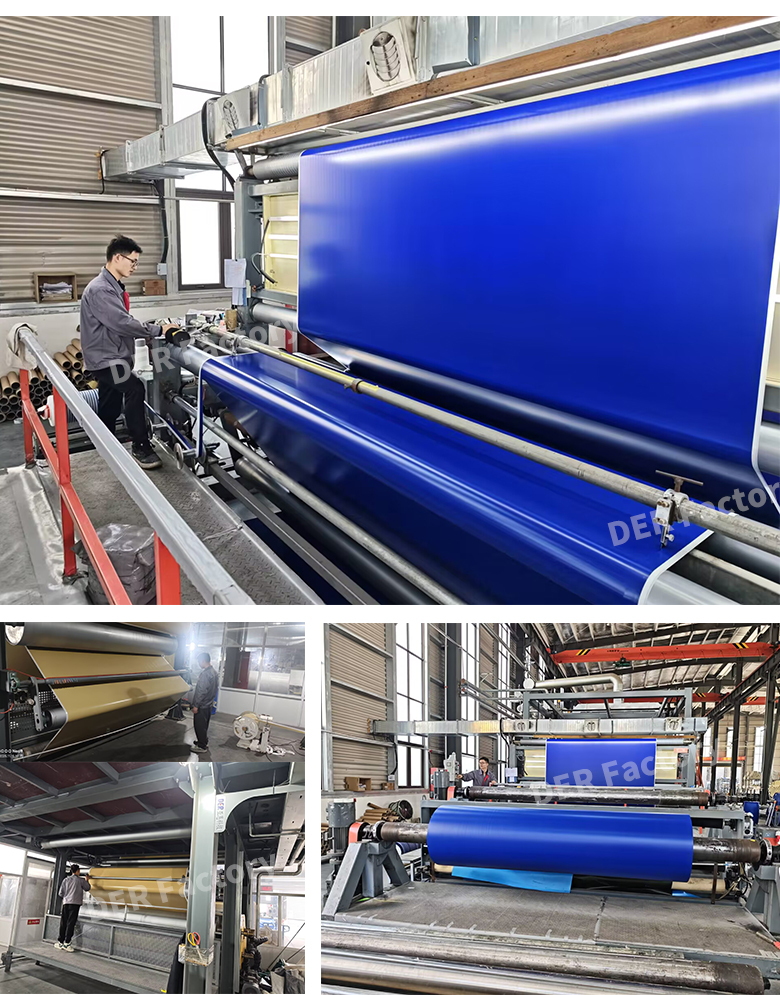
What a quality request should name
Specify method, conditioning and acceptance criteria for the relevant tests. Depending on use, the brief may include abrasion, dry/wet color rubbing, hydrolysis resistance, flexing, coating adhesion and cleaning compatibility.
What counts as a pass?
A result must refer to the approved grade, test method and report. “Tested PU leather” alone does not identify what passed.
What to ask at shipment
Request agreement on countable units, color/lot identification, packing list content, label fields, protective wrapping, export carton or pallet needs, and handling limits. These details matter as much as the material price when receiving repeated shipments.
DERFLEX's PU leather export guide provides related international order considerations.
Specify by the product your factory will make.
The same visual grain can conceal very different backing, processing and test needs. Use the product to decide what must be validated.
Furniture, sofas & office seating
Focus on upholstery hand feel, drape, seam strength, surface wear and color continuity. See office chair PU leather for a more specific seating brief.
Handbags & structured accessories
Focus on grain alignment, edge finishing, fold bulk and how the material holds shape after stitching. Explore faux leather for handbags.
Automotive interior trim
Consider backing stability, repeated handling, wrapability, cleaning and project-specific appearance tests. Material suitability must be confirmed for actual interior environments.
Footwear components
Prioritize flexing, lasting, bonding and surface response at moving zones. The shoe upper material guide addresses those constraints.
Comparing another flexible industrial material? DERFLEX also manufactures PVC tarpaulin for waterproof protective covers and other industrial applications. It is a different material family and is not a substitute specification for PU upholstery leather.
Seven details that make an order quotable
You can begin with an application photo or sample if you do not know every material term yet. Confirm the final numeric parameters together before approving the purchase order.
- End use and converting process (sewing, wrapping, lamination, cutting)
- Surface reference: physical sample, grain, color and hand feel
- Preferred backing and thickness or target performance
- Usable width and desired linear meters per roll
- Total forecast quantity and standard vs. custom color mix
- Required grade-specific TDS, test methods and labeling
- Destination, packing preference, requested trade term and timing
PU leather roll sourcing FAQs
Short answers to common purchasing questions. Expand any question for the full detail.
Can I order PU leather fabric by the roll instead of finished products?
Yes. This sourcing program concerns PU synthetic-leather fabric rolls for converters, manufacturers, importers and OEM buyers. Finished furniture, shoes or bags are not included by default. Confirm usable width, roll length, packaging and order quantity in the quotation.
What width and length are available for PU leather rolls?
Usable width and roll length depend on the selected construction and order plan. Ask DERFLEX to confirm usable rather than nominal width, length tolerance, roll core, maximum roll diameter and packing before your purchase order.
Can DERFLEX match a color, grain or backing sample?
DERFLEX discusses color matching, grain, touch, backing and thickness against the buyer's reference. Approval of a physical sample and the final written specification is needed before committing to bulk visual or functional acceptance criteria.
What quality records or TDS should I request?
Request the grade-specific technical data sheet, agreed test methods and available test records, plus color, thickness, usable width and appearance acceptance criteria. Do not assume every PU leather construction carries the same test result or certification.
What is the MOQ for custom PU leather fabric rolls?
MOQ is not a single verified figure across all PU leather grades. It depends on factors including standard versus custom color, embossing, backing, coating construction and the intended roll program. Send your estimated quantity and specification to confirm the applicable minimum.
How should I compare PU leather quotations by linear meter and square meter?
Use the confirmed usable width: square meters equal linear meters multiplied by usable width in meters. Compare quotes on the same construction, test scope, width, packing, trade terms and usable-yield basis; do not assume nominal width is the cuttable width.
New to polyurethane leather? Read what PU leather is before selecting a sourcing specification.
Make your next roll purchase easier to approve.
Start with the material sample and cutting plan. DERFLEX can discuss a matching PU leather fabric roll program, confirm the quote inputs and align documentation with the proposed grade.