News
Industry News

Stadium Tarps & Field Covers | Custom Stadium Protection | DERFLEX

Update:2026/8/28 19:14:38 Views:
DERFLEX / Sports Facility Protection / Stadium Tarps
Custom Stadium Protection Covers

Stadium Tarps Engineered for Field, Turf, Seating & Event Protection

DERFLEX supplies custom stadium tarps and coated-fabric cover solutions for venue operators, sports contractors, distributors and OEM programs that need the cover to match the protected zone, crew, weather plan and deployment method.

Direct answer: stadium tarps are large protective covers used on playing fields, sidelines, seating sections, tracks, equipment zones and other stadium areas. The correct design depends on what must be protected, whether the surface needs waterproofing or traffic protection, wind exposure, panel size, handling weight, reinforcement, anchoring and storage.
Stadium Field Covers Custom Size & Panels PVC / PE Material Direction Reinforced Edges OEM / Bulk Supply
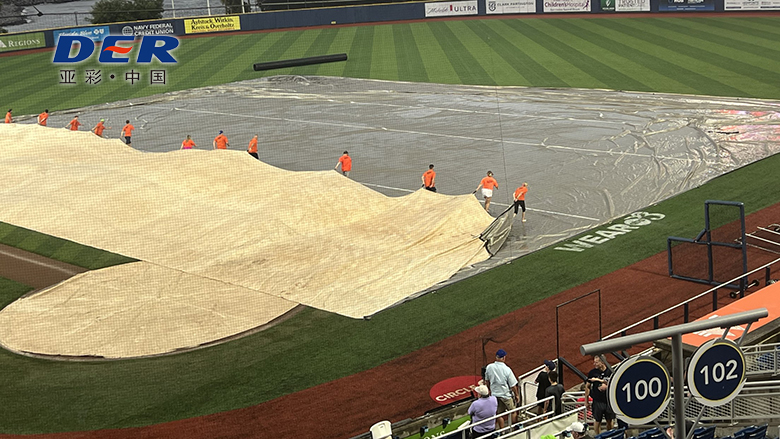
stadium tarp being deployed by a ground crew over a professional sports field
Large stadium covers must be planned around field coverage, crew handling, seam layout, edge loads, wind control and storage—not fabric weight alone.

Stadium Tarps: Quick Answer for Buyers

A stadium tarp should be specified by protected zone and operating method before material is selected. A rain cover for natural turf has different needs from a seat-section cover, sideline protector or event floor system. For frequently reused weather covers, PVC-coated polyester offers strong waterproofing, weldability and reinforcement options; reinforced PE can reduce weight for large covers where fast crew deployment is a priority.

Do not treat a general waterproof tarp as a walkable turf-protection floor unless the finished system is specifically engineered for foot traffic and the venue surface.

Start WithProtected zone and exact finished coverage
Then CheckSurface, rain, UV, wind and traffic exposure
Design AroundCrew size, panel mass, rolling/folding and storage
Finish WithSeams, hems, handles, webbing, grommets and branding
Search Intent & Product Scope

What Are Stadium Tarps?

Stadium tarps are custom flexible covers used to protect stadium surfaces, infrastructure or restricted areas from rain, sunlight, dirt, wear or temporary event exposure. The term can include full-field rain covers, football or soccer field tarps, baseball infield covers, sideline and track protectors, seat-section covers and fitted equipment covers.

The important distinction is function. A field rain tarp is designed mainly to manage weather exposure. A stadium turf protector is designed around traffic or event loads. A seat tarp may prioritize fit, wind permeability and branding. Those are different engineering problems and should not be collapsed into one generic specification.

DERFLEX positions this page as the stadium-level application and procurement guide. For the broader product family, see sports tarps for field and event applications.

Featured-Snippet Definition

A stadium tarp is a custom protective cover for a playing field, turf, seating, track, sideline or equipment area. Buyers choose the tarp according to the protected surface, weather or traffic exposure, required waterproofing, crew handling, wind control, panel layout, reinforcement and storage method.

Application Decision Matrix

Which Stadium Tarp Do You Need?

The word “stadium” describes the venue, not one standard tarp. Select the cover by protected zone and operating purpose.

Protected Zone / Task Likely Cover Direction Primary Design Priorities Questions to Confirm Before Quotation
Natural grass field before heavy rain Full-field or sectional waterproof field cover Fast deployment, water shedding, practical finished mass, seam reliability, ventilation/cover duration plan Field footprint, slope, drainage, crew size, expected cover time, storage/roller method
Football or soccer pitch used frequently Custom reusable stadium field tarp Repeated folding/rolling, UV, abrasion, reinforced load paths, panel connection method Natural vs synthetic turf, frequency, panel preference, wind exposure, anchors, branding
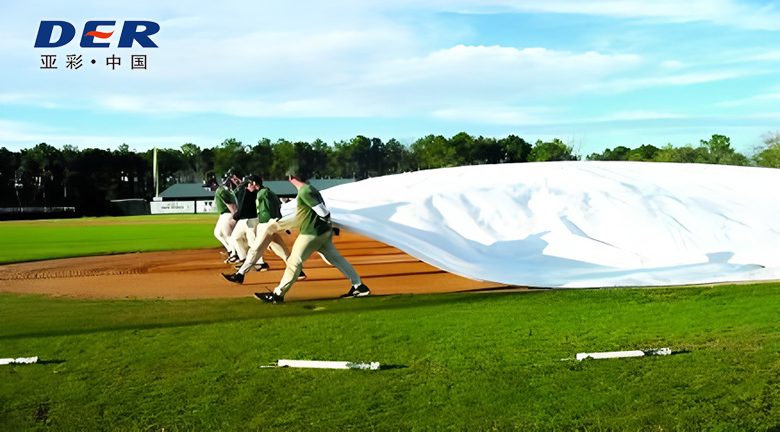
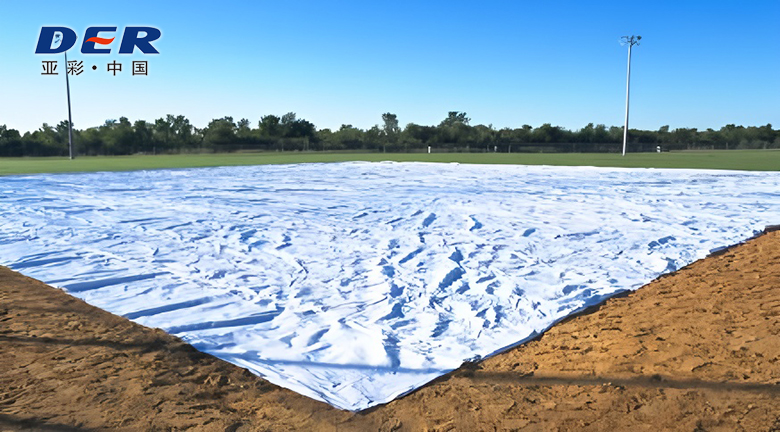
Baseball / softball infield and spot zones Infield rain tarp plus mound / plate spot covers Rapid crew handling, overlap, edge reinforcement, handles, weighted or anchored perimeter Diamond size, full infield vs skin, mound/plate dimensions, deployment time target
Unused stadium seating sections Solid PVC or mesh seat-section cover, project dependent Section fit, wind pressure, permeability, reinforced borders, hardware layout, printing Seat-section geometry, attachment points, wind, desired opacity, logo/graphic requirement
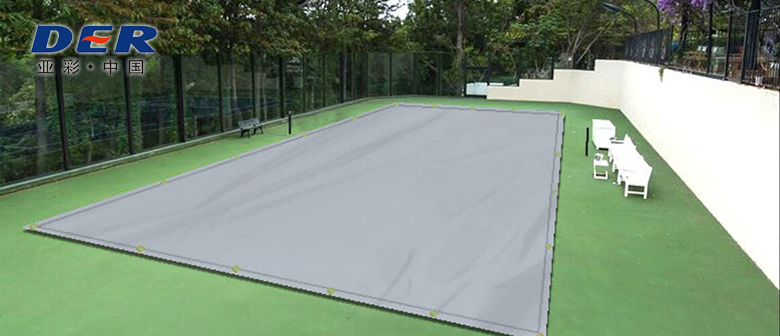
Sideline, track or high-traffic zone Purpose-built surface protector Abrasion, slip behavior, surface compatibility, traffic intensity, edge transitions Pedestrian/equipment load, shoe type, track/turf system, duration, indoor/outdoor exposure
Concert, graduation or conversion event Engineered temporary turf protection system Load distribution, event traffic, slip/trip management, surface heat and moisture, installation plan Event layout, crowd/load type, chairs/stages, duration, turf type, venue engineering requirements
Benches, carts, scoring or maintenance equipment Fitted or semi-fitted PVC cover Shape, access, fastening, UV, rain, abrasion and repeat handling Equipment dimensions, openings, fastening points, storage, color and marking needs

A standard rain tarp should not be assumed suitable for heavy pedestrian, staging or vehicle traffic. Event turf-protection systems need project-specific load and surface review.

Material Selection

PVC vs PE vs Mesh for Stadium Tarps

Material choice is a balance between waterproofing, reuse, finished cover mass, fabrication method, wind behavior and the way staff will deploy the cover.

1

PVC-Coated Polyester

Often chosen for heavy-duty stadium tarps, reusable field covers, fitted covers and OEM programs that need strong waterproofing, heat-weldable seams, abrasion resistance and reinforced hardware zones. The tradeoff is higher finished weight on very large covers.

2

Reinforced PE

Useful where a large waterproof cover must remain comparatively lightweight for fast crew deployment, especially for rain response. Material grade, UV exposure, expected service cycle and reinforcement should still be matched to the venue.

3

PVC / Polyester Mesh

More suitable for selected seat-section, fence, screening or wind-permeable cover applications than for waterproof field rain protection. Mesh can reduce wind pressure, but openness and weather protection must match the actual purpose.

Buyer shortcut: if the first question is only “How many ounces or GSM?”, the specification is incomplete. First define protected zone, surface, cover size, crew, weather exposure, expected reuse, fastening and storage; then choose fabric weight and structure.
Engineering Notes

Seven Details That Decide Whether a Large Stadium Tarp Works in Practice

A stadium cover succeeds or fails at the interfaces between material, panel geometry, people, water, wind and storage.

01 · Coverage

Measure the Protected Footprint

Use the actual area that must stay protected, including required overlap and edge zones. Playing-line dimensions alone may not equal finished tarp dimensions.

02 · Handling

Calculate Finished Cover Mass

Material weight becomes significant when multiplied across thousands of square feet or square meters. Crew size, section count, rollers and storage must be considered before choosing a heavier grade.

03 · Panels

Design Panel Architecture

One enormous sheet can be difficult to deploy. Sectional layouts may improve handling, but panel joints and overlap/connection details must preserve the intended weather protection.

04 · Water

Plan for Drainage and Pooling

A waterproof membrane does not make standing water disappear. Field slope, low points and the operating procedure for removing accumulated water need to be considered.

05 · Wind

Engineer the Perimeter

Wind acts on the entire exposed surface. Hems, webbing, handles, grommets, D-rings or weighted edges should distribute loads into reinforced zones rather than concentrating stress at isolated points.

06 · Surface

Protect What Is Under the Tarp

Natural turf can be sensitive to heat, moisture and prolonged impermeable coverage. Synthetic turf, tracks and seating have different contact and abrasion requirements.

07 · Storage

Design the Storage Routine

Repeated folding, rolling and wet storage can shorten service life. Define how the cover will be cleaned, dried, folded or rolled and moved before ordering the finished system.

Safety Note

Do Not Deploy Beyond the Venue Plan

Large flexible covers can become dangerous in severe wind. Venue teams should use an operating procedure that defines when to deploy, secure, remove or stop handling the cover.

Custom Manufacturing

Stadium Tarp Construction Options

DERFLEX can discuss material and fabrication around the finished cover rather than forcing every stadium project into one stock configuration.

Finished Size & Shape

Rectangular field covers, sectional layouts, spot covers, seat-section shapes and equipment-specific patterns can be reviewed from drawings or dimensions.

Seams & Panel Joints

Heat-welded seam direction and panel layout can be matched to the material, finished width and deployment plan. Large covers should minimize unnecessary high-stress joint complexity.

Reinforced Perimeter

Folded hems, webbing, corner patches and local reinforcement can distribute pulling loads around the tarp edge and at repeated handling points.

Hardware & Handling

Grommets, D-rings, straps, handles, rope edges, pockets or other project-defined details can be placed according to the fastening and crew workflow.

Color & Branding

Team, venue or distributor colors and logo printing can be discussed where the selected material and print route support the required graphic result.

Surface & Performance

UV resistance, mildew resistance, cold flexibility, lacquered finishes or project-required flame-retardant directions can be reviewed when relevant and verifiable.

Supply Format

Roll goods, cut panels, semi-finished pieces or finished custom tarps can support fabricators, contractors, distributors and OEM brands.

Export Packing

Folded/baled packaging, labels, cartons, pallets or other export packing can be discussed according to finished tarp mass, destination and handling method.

For base-material ranges and fabrication compatibility, review DERFLEX PVC tarpaulin material options. For non-standard geometry and private-label programs, see custom tarp manufacturing.

Image SEO Package

DERFLEX Stadium Tarp & Sports Field Image Package

Real DERFLEX website images are used with descriptive alt text and captions. The hero image is loaded immediately; below-fold images use lazy loading.

Natural Turf vs Synthetic Turf

Match the Cover Plan to the Playing Surface

A stadium tarp does not interact with every field the same way. The surface below the cover affects deployment, duration, cleaning and removal.

Natural Grass

Prioritize Weather Timing, Heat and Moisture Management

Impermeable covers can protect against rain but can also change the turf microclimate. Stadium operators should define how long the grass can remain covered, how pooled water will be removed and how ventilation or uncovering fits the turf-management plan.

Synthetic Turf

Prioritize Surface Contact and Contamination Control

A cover can protect synthetic turf from rain-related contamination, debris or event setup, but the underside, seams, edges and handling method should avoid unnecessary abrasion, trapped debris or damage to infill and markings.

For a broader sports-surface overview, DERFLEX also maintains a dedicated page on athletic field covers for stadium and multi-sport venues.

Procurement Information Gain

What Affects Stadium Tarp Price?

There is no meaningful “stadium tarp price” without the finished dimensions and construction. Total cost is driven by the complete system, not the material name alone.

1. Total Finished Area

Large field covers consume substantial material and may require multiple welded panels. Finished area also affects packing and freight.

2. Material Structure

PE, PVC-coated polyester, mesh and specialty protection systems have different raw-material, coating and performance requirements.

3. Reinforcement Map

Webbing, corner patches, rope edges, hardware zones, handles and high-wear patches increase fabrication work but may be essential for repeated use.

4. Panel & Seam Complexity

Custom shapes, sectional layouts and numerous seams require more converting time than simple rectangular covers.

5. Printing & Branding

Large logos, repeated sponsor graphics or color-matched programs affect print preparation and production route.

6. Packing & Destination

Finished cover mass, bale/carton/pallet requirements and shipping destination influence landed cost and how the product should be packed.

Common Procurement Mistakes

Seven Stadium Tarp Mistakes to Avoid

Choosing by GSM Alone

Weight does not tell you whether the cover will be practical for the crew, adequately reinforced or suitable for the surface.

Ignoring Finished Weight

A seemingly small material-weight increase becomes large when multiplied across a full pitch or field.

Using a Rain Tarp as Event Flooring

Waterproofing does not equal traffic or load-bearing performance. Use a surface-protection system designed for the actual event load.

Under-Measuring the Coverage

Playing dimensions may omit runoff areas, infield edges, overlap, anchoring space or the geometry of actual seat sections.

Reinforcing Hardware but Not the Load Path

A strong grommet can still tear out if the surrounding hem, webbing and fabric are not designed to spread tension.

No Water or Wind Procedure

A good membrane cannot compensate for uncontrolled pooling, severe-wind handling or unsuitable anchoring.

No Storage Plan

Large covers need a defined drying, folding or rolling method and enough storage space to avoid repeated damage.

Buyer Checklist

Send These Details for a Faster Stadium Tarp Quote

  • Protected zone: full field, infield, sideline, seats, track or equipment
  • Natural grass, synthetic turf, track, seating or other surface type
  • Finished length, width, shape and required overlap
  • Drawing, field plan or photos when geometry is irregular
  • Main purpose: rain, UV, dirt, storage, branding, traffic or event conversion
  • Expected deployment frequency and average cover duration
  • Local wind, rain, UV and temperature conditions
  • Preferred PE, PVC/vinyl, mesh or open material direction
  • Target material weight if already specified by the project
  • Panel layout or maximum practical section size
  • Seam, hem, webbing and reinforcement requirements
  • Grommets, D-rings, handles, straps, rope edges or weighted perimeter
  • Crew size, roller/folding method and storage space
  • Color, printing, venue branding or private-label requirement
  • Quantity and repeat-order expectations
  • Destination and any required project tests or documentation
Stadium Operations

Build the Tarp Around the Crew, Not Only the Field

A stadium cover is an operational tool. The people who deploy it, the time available before a storm, the number of staff on shift, the roller or storage equipment and the safest removal procedure all affect the correct construction.

For football and soccer-specific coverage, review the DERFLEX football field tarp specification guide. For baseball infield rain response and spot covers, see baseball field tarps and infield covers.

A Better Stadium Tarp Specification Answers Five Questions

  1. What exactly is being protected?
  2. What weather, wind or traffic stress will the cover face?
  3. How will the staff deploy, secure, remove and store it?
  4. Where will tension, abrasion and water loads concentrate?
  5. Which details must remain repeatable across future replacement orders?
Related Questions / PAA

Questions Buyers Ask About Stadium Tarps

Short answer-first responses are included for users, Featured Snippet opportunities and AI search systems.

What are stadium tarps used for?

Stadium tarps are used to protect playing fields, infields, sidelines, tracks, seating sections, equipment and other venue areas from rain, UV, dirt, wear or temporary event exposure. The design changes according to the protected zone and whether the priority is waterproofing, wind permeability, surface protection or branding.

What is the best material for a stadium tarp?

There is no single best material. PVC-coated polyester is a strong choice for reusable waterproof covers that need welded seams and reinforcement. Reinforced PE can reduce handling weight for very large rain covers. Mesh is useful where airflow and reduced wind pressure matter more than waterproofing. Traffic protection requires a purpose-built surface system.

Are stadium tarps completely waterproof?

Solid PVC-coated and reinforced PE materials can provide waterproof coverage, but finished performance also depends on seams, penetrations, panel connections, edge details and how water is drained. Mesh stadium covers are intentionally not fully waterproof.

How do you measure a stadium tarp?

Measure the actual protected footprint rather than only official playing dimensions. Include the required overlap, runoff or perimeter zone, panel connections, fixing area and any irregular geometry. For seat sections or fitted covers, provide drawings or measured attachment-point locations.

Can a stadium tarp be made in sections?

Yes. Sectional construction can make very large covers easier to deploy, transport and store. The panel size, connection method, seam direction and overlap must still match the weather-protection goal and the number of people handling the cover.

How should a stadium tarp be secured in wind?

Wind-control design should spread load across reinforced hems, webbing and properly placed attachment zones rather than relying on isolated grommets. The fixing method must match the venue and surface, and stadium teams should have an operating procedure that defines wind limits for safe deployment and removal.

Can stadium tarps be printed with team or sponsor logos?

Yes, many PVC and selected PE or mesh cover constructions can support custom colors, logos or markings. The print method should be confirmed from the fabric surface, graphic size, outdoor exposure, folding frequency and desired appeara, nce.

What is the difference between a stadium field tarp and a turf protector?

A stadium field tarp is primarily a weather or moisture cover. A turf protector is designed around traffic, event loads, abrasion and surface protection. A generic rain tarp should not be substituted for a load-bearing or walkable event floor without project-specific engineering.

How much does a custom stadium tarp cost?

Custom stadium tarp cost depends on finished area, material, weight, number of panels, seam work, reinforcement, hardware, printing, packing and destination. A useful quote requires dimensions and operating requirements; price per square meter alone does not describe the complete finished cover.

Turn Your Stadium Coverage Plan into a Buildable Tarp Specification

Send DERFLEX the protected zone, surface type, finished dimensions, material direction, deployment frequency, crew/roller method, reinforcement and hardware layout, branding, quantity and destination. The team can review a practical material and fabrication direction for sampling or B2B production.

Consulting Services
+86-021-54361792 / 54361798
Email
sales@derflex.com