Material Control
Define polyester base cloth, denier, yarn density, coating structure, finished weight, thickness direction, color and surface treatment.



 Industrial Fabric & Tarp Manufacturing
Turn an application, drawing or reference sample into a repeatable tarp specification for production and future reordering.
DERFLEX supports professional buyers who need more than a stock-size cover. The factory workflow connects PVC coated fabric selection, reinforcement design, conversion details, inspection requirements and export packaging in one sourcing program.
A finished tarp may look simple, yet its field performance is influenced by many linked choices: yarn denier, fabric density, coating weight, PVC formulation, surface finish, seam method, hem construction, hardware position and packaging method.
For distributors, industrial users, fleet operators and cover fabricators, the value of a direct tarp factory is the ability to convert these choices into a documented specification rather than relying only on broad labels such as “heavy duty” or “waterproof.”
DERFLEX focuses on factory-supported PVC tarp programs for transport, construction, agriculture, outdoor storage, industrial equipment and OEM distribution. Material options and finished construction are discussed according to the intended environment and order requirements.
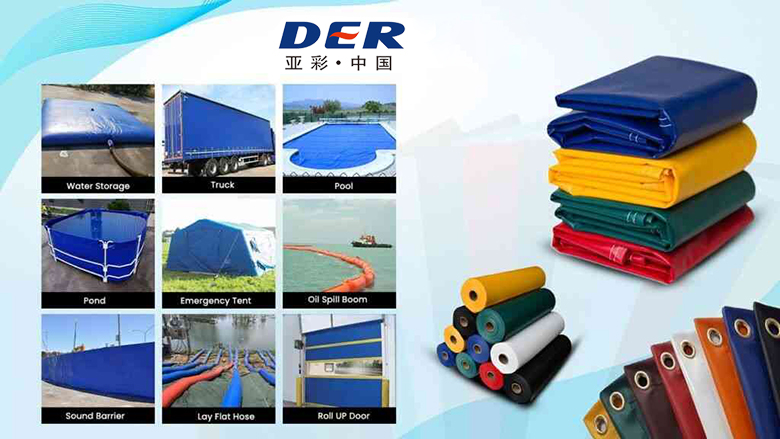
A reliable sourcing decision begins by identifying which variables must remain stable from the approved sample through bulk production and future replacement orders.
Define polyester base cloth, denier, yarn density, coating structure, finished weight, thickness direction, color and surface treatment.
Plan welds or stitched seams, hem layers, webbing, corner patches, rope edges, pockets, D-rings and grommet spacing around actual stress points.
Agree on inspection items, tolerances, sampling, appearance criteria, measurement methods and any third-party test requirements before bulk release.
Retain the approved specification, color reference, construction drawing, label details and packing method so later orders can follow the same basis.
Not every buyer needs a fully fabricated cover. DERFLEX can discuss several supply formats according to local conversion capability, order size and delivery economics.
For tarp converters, wholesalers and fabricators that perform cutting, welding or sewing locally.
For buyers who want to reduce local labor while retaining final assembly or hardware installation.
For distributors, fleets, contractors and industrial users requiring ready-to-deploy covers.
The table below is a specification starting point. Final values should be confirmed against the application, sample, order quantity, processing route and test requirement.
| Specification Item | Typical Discussion Range | Why It Matters | Buyer Confirmation |
|---|---|---|---|
| Core Material | PVC coated polyester; PVC laminated fabric; mesh structures; other materials by project | Controls waterproof direction, strength, weldability, flexibility, airflow and handling. | Use environment, expected exposure and conversion method. |
| Base Fabric | Approximately 500D–2000D polyester directions | Influences tensile strength, tear resistance, dimensional stability and load response. | Load type, tie-down tension, abrasion points and service frequency. |
| Finished Weight | Approximately 300–1200gsm for common PVC tarp directions | Affects durability, drape, folding, handling weight and material cost. | Required service level—not simply the highest available GSM. |
| Width | Common roll widths up to approximately 3.2m; project-specific widths subject to product line | Wider material may reduce seams and improve conversion efficiency on large covers. | Finished dimensions, panel layout and shipping format. |
| Surface | Glossy, matte, semi-matte, embossed, lacquered or other project-specific finishes | Changes appearance, cleanability, friction, print behavior and surface aging direction. | Application, visual target, cleaning method and branding needs. |
| Functional Direction | UV stabilization, flame-retardant direction, cold flexibility, anti-mildew, anti-static or oil-resistant options | Targets environmental and operational risks that standard material may not address. | Required standard, test method, target value and document format. |
| Finished Construction | Hot-air or HF welding, stitched hems, webbing, corner patches, grommets, D-rings, rope hems and pockets | The reinforcement layout often determines failure resistance under wind and repeated handling. | Drawing, reference sample, attachment points and expected tension path. |
| OEM Presentation | Custom color, logo printing, labels, cartons, bags, palletization and container planning | Supports distributor programs, replacement cycles and regional market positioning. | Artwork, color reference, label data, packing quantity and shipping mark. |
Specification values are indicative manufacturing directions rather than a universal product promise. Availability and final tolerances depend on the confirmed product structure and purchase order.
The product name is only the starting point. Each family requires its own balance of waterproofing, strength, ventilation, flexibility, fastening and serviceability.
Flatbed, trailer, lumber, steel, coil, dump truck and cargo covers designed around road exposure, tie-downs and repeated handling.
Custom-shaped protection for machines, process equipment, outdoor assets, maintenance work and temporary industrial separation.
Weather covers, scaffold sheeting, temporary roofing, ground protection and material covers for changin, g worksite conditions.
Hay, grain, equipment, fertilizer and seasonal storage covers where moisture, mildew, UV exposure and handling matter.
Ventilated structures for waste hauling, landscape loads, shade, screening and applications that cannot use a fully solid sheet.
Repeatable specifications, colors, labels, packing and supply formats for importers, distributors, brands and regional fabricators.
Better factory discussions begin with the failure mode the buyer wants to reduce. The material and construction can then be matched to that risk.
Material waterproof direction alone does not guarantee a finished assembly. Seams, openings, shape and drainage must also be considered.
Specification levers: coating, weld method, overlap, edge design.Repeated movement can fatigue hems, hardware and fabric around attachment points even when the sheet itself appears strong.
Specification levers: fit, tie-down spacing, webbing and reinforced zones.Cargo corners, rough floors and dragging can create localized wear that is not solved by increasing overall thickness alone.
Specification levers: wear patches, edge guards, surface finish and handling plan.Color, formulation, exposure angle and climate affect outdoor aging. Service-life expectations should be stated as a project target.
Specification levers: UV stabilization, color, coating and maintenance.Low temperature can change flexibility and make a material harder to fold or deploy in northern markets and winter routes.
Specification levers: cold-flex direction, coating formula and sample testing.Flame-retardant, anti-static, chemical or hygiene requirements should be linked to an agreed test method and document.
Specification levers: target standard, report scope and batch agreement.The goal is not only to make one acceptable sample. It is to establish a production basis that purchasing, production and inspection teams can follow.
Confirm application, climate, loading, exposure, handling and target order format.
Identify water, wind, abrasion, temperature, compliance and failure priorities.
Select fabric, weight, coating, finish and functional direction.
Define panels, seams, hems, webbing, patches, hardware and attachment layout.
Review size, fit, appearance, construction and agreed validation items.
Produce against the approved specification with process and final checks.
Retain references for color, construction, labeling, packing and future orders.
The inspection plan should be discussed before bulk production so both parties know which characteristics are critical and how they will be checked.
Both models are useful. The right choice depends on whether the purchase is a quick replacement or a controlled B2B supply program.
A clear request helps the factory propose a practical structure and makes quotations easier to compare on the same basis.
This illustrative scenario shows the logic of a factory discussion. It is not a claim about a specific completed customer project.
The cover must be repeatedly installed and removed, remain outdoors, carry the distributor’s label and be reordered in several standard sizes.
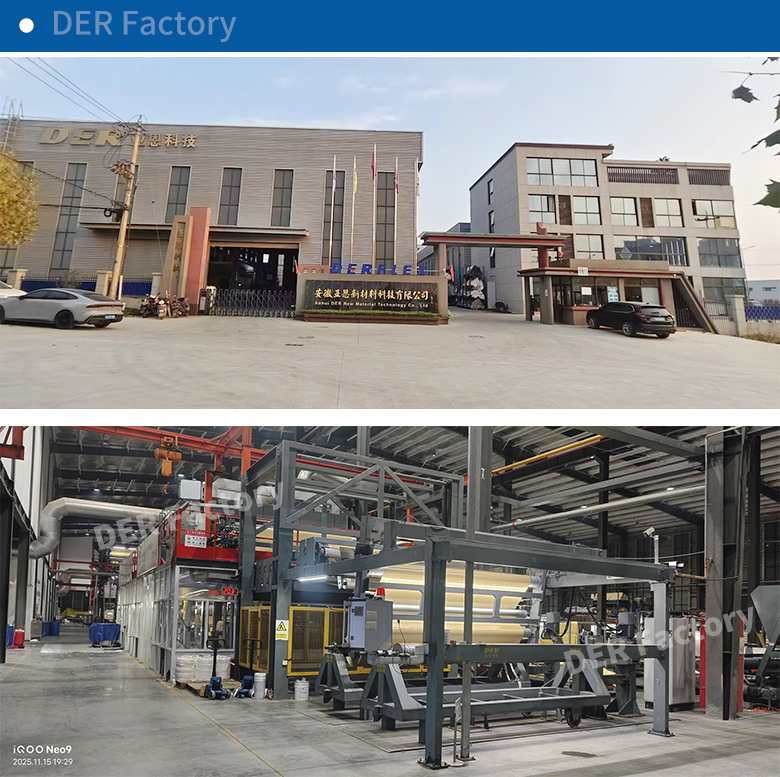
Actual DERFLEX website imagery is used below to give buyers a visible reference for the production environment and coated-fabric workflow.
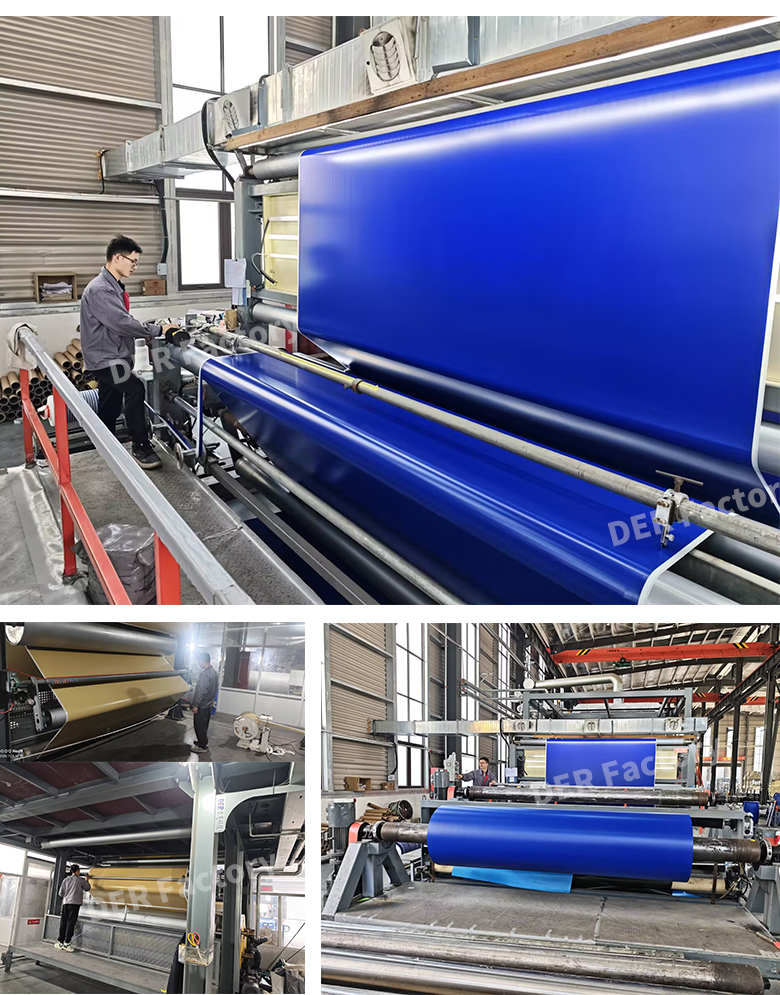
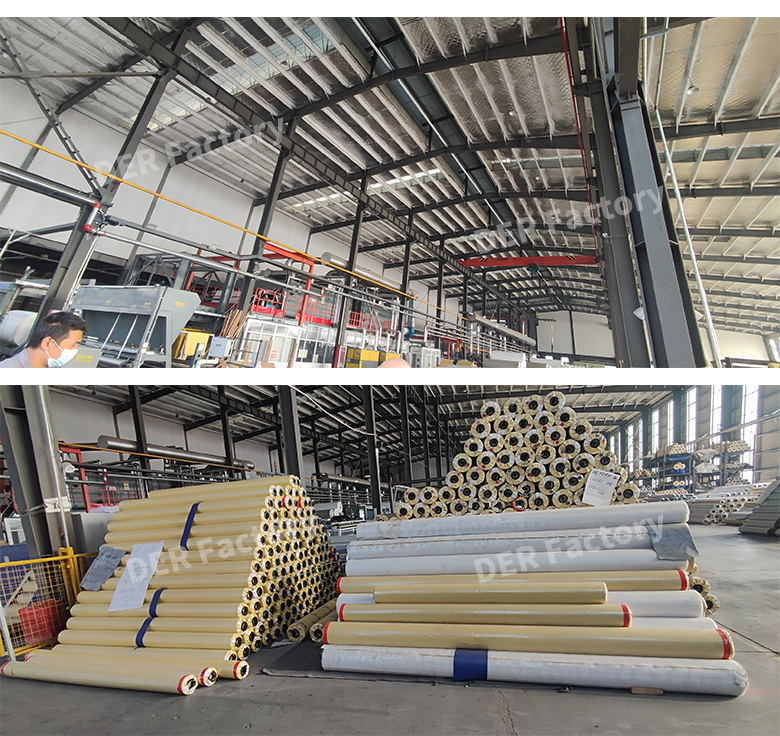

These six related pages connect factory capability with product material, application and purchasing intent.
Direct answers for importers, distributors, converters, industrial users and custom-cover buyers.
A supplier may provide stock products from available sources. A tarp factory is involved in manufacturing decisions such as material structure, coating, conversion, reinforcement, inspection and repeat-order control. Some companies perform both roles, so buyers should verify which stages are directly controlled.
DERFLEX can discuss PVC coated tarp fabric rolls, cut or welded panels, semi-finished components and finished custom tarps. The appropriate supply model depends on the buyer’s local conversion capability, order quantity, dimensions and packing plan.
PVC coated polyester is commonly selected for heavy-duty waterproof tarp applications because it combines a reinforced textile base with a weldable protective coating. The correct denier, weight, surface and formulation should still be matched to the application.
No single material statement can guarantee the performance of every finished cover. Water resistance also depends on seams, openings, shape, drainage, attachment, installation and use conditions. These details should be reviewed during the design stage.
Provide the application, finished dimensions or drawing, climate and use conditions, preferred material or reference sample, reinforcement and hardware details, performance requirements, order quantity, packing and destination.
Custom color, printing, labels and packaging can be discussed for OEM and distributor programs. Feasibility, minimum quantity, color tolerance, artwork format and packing details should be confirmed during quotation and sample approval.
Share your cover use, dimensions, material target, reinforcement plan, quantity and destination. DERFLEX will review the requirement and discuss a suitable production route for sampling and quotation.