Light / Temporary
Dust protection, painting, short-term storage and low-abrasion jobs where portability matters.



Use mil thickness as a first filter, then verify material family, GSM or ounce weight, base fabric, UV exposure, abrasion, seams and edge reinforcement. A thicker tarp is not automatically the stronger or longer-lasting tarp.
These ranges are practical starting points, not universal grades. A 12 mil PE tarp, a 12 mil reinforced PVC tarp and a 12 mil clear vinyl sheet do not have the same construction or working performance.
Dust protection, painting, short-term storage and low-abrasion jobs where portability matters.
Seasonal equipment, garden storage, camping, temporary shelter and moderate weather exposure.
Construction, machinery covers, transport protection and repeated outdoor handling.
Truck and trailer covers, abrasive environments, large custom covers and long-term industrial programs.
The chart below is built around use conditions rather than retail labels. Final selection should account for tarp material, finished size, wind, handling frequency, surface contact, tie-down design and service-life expectations.
| Mil Range | Approx. mm | Duty Direction | Typical Uses | What to Check Before Buying |
|---|---|---|---|---|
| 3–6 mil | 0.08–0.15 mm | Very light / temporary | Dust sheet, painting cover, short indoor protection, emergency disposable use. | Short service window, low wind, no sharp edges, limited UV exposure. |
| 6–8 mil | 0.15–0.20 mm | Light duty | General temporary covers, camping, light landscaping, seasonal household storage. | Weave, reinforced corners, grommet strength and weather duration. |
| 9–12 mil | 0.23–0.30 mm | Medium / general outdoor | Equipment covers, seasonal outdoor storage, temporary roofing, moderate construction protection. | UV treatment, tear resistance, roof slope, water pooling risk and fastening method. |
| 14–16 mil | 0.36–0.41 mm | Heavy duty | Construction materials, machinery, repeated weather protection, commercial outdoor storage. | Base fabric strength, abrasion zones, reinforced hems and seam method. |
| 18–22 mil | 0.46–0.56 mm | Heavy industrial direction | Vinyl tarps, transport covers, truck/trailer applications, repeat-use equipment protection. | GSM/oz, denier, coating adhesion, cold flexibility, weld quality and edge hardware. |
| 22+ mil | 0.56 mm+ | Special heavy / long-term | High-abrasion industrial covers, large OEM tarp systems, severe outdoor duty, special transparent or reinforced products. | Handling weight, foldability, fabrication equipment, attachment loads and total lifecycle cost. |
These ranges are application-oriented guidance rather than a universal industry standard. Material systems differ significantly, so a buyer should compare like-for-like construction.
One mil is one-thousandth of an inch. In metric units, 1 mil equals 0.0254 mm.
| Mil | Inches | Millimeters | Quick Reference |
|---|---|---|---|
| 5 mil | 0.005 in | 0.127 mm | Light temporary range |
| 8 mil | 0.008 in | 0.203 mm | Light-duty outdoor reference |
| 10 mil | 0.010 in | 0.254 mm | General outdoor reference |
| 12 mil | 0.012 in | 0.305 mm | Medium / entry heavy-duty reference |
| 14 mil | 0.014 in | 0.356 mm | Commercial heavy-duty starting point |
| 16 mil | 0.016 in | 0.406 mm | Heavy-duty reference |
| 20 mil | 0.020 in | 0.508 mm | Common heavy vinyl / industrial reference |
| 30 mil | 0.030 in | 0.762 mm | Special heavy / clear vinyl reference |
| 40 mil | 0.040 in | 1.016 mm | Very thick specialty sheet reference |
Enter a mil value to convert it to millimeters and inches.
Formula: mm = mil × 0.0254.
Thickness is most useful when comparing similar materials. For cross-material buying, combine mil with the specification language that actually controls performance.
Read: mil + weave/mesh + denier + weight. Poly tarps can be economical and light, but the woven core and reinforcement matter as much as surface thickness.
Read: mil or mm + GSM/oz + denier + coating. Reinforced PVC coated polyester is common for repeat-use industrial and transport covers.
Read: actual film mil first, then formulation, clarity, flexibility and reinforcement if present. Clear products can be thick without using the same scrim as an opaque truck tarp.
Read: oz/yd2 + weave + treatment. Mil can be listed, but fabric weight, fiber construction, breathability and water-resistant treatment are usually more useful.
Read: GSM + yarn + openness/shade factor. Thickness alone is a poor selector because airflow and open-area design are intentional performance features.
This is the step generic thickness charts usually miss. Real tarp life is often controlled by the stress mechanism, not by the mil number printed on the label.
Prioritize base fabric strength, reinforced hems, corner patches, webbing, grommet spacing and balanced tension. Extra thickness cannot compensate for a weak attachment line.
Look for abrasion-resistant coating, stronger scrim and local wear patches. Trucks, steel, lumber and machinery create concentrated contact points.
Use a stronger woven reinforcement, heavier coated structure and sacrificial protection at known sharp edges. Do not rely on film thickness alone.
Confirm UV-stabilized material and surface treatment for the intended climate. A thicker tarp with poor UV stability can still age quickly outdoors.
Balance thickness with flexibility and cold performance. Very thick material can become harder to fold, roll and handle if the formulation is not matched to use.
Use waterproof material, suitable seams and proper slope/support. Thickness does not solve ponding; standing water increases load and can stretch the cover or stress fasteners.
Use these ranges to shortlist materials, then confirm the complete specification with the supplier or fabricator.
| Application | Starting Mil Direction | Why | Important Checks Beyond Mil |
|---|---|---|---|
| Painting / dust cover | 3–6 mil | Low stress and short duration favor easy handling. | Surface protection, slip risk, tear risk around corners. |
| Camping / seasonal cover | 6–10 mil | Portable protection without excessive weight. | Packability, UV, grommets, water shedding. |
| Outdoor equipment storage | 10–16 mil | More repeated exposure and handling. | UV package, ventilation/condensation, edge reinforcement. |
| Temporary roof / storm cover | 10–16 mil | Needs weather resistance with manageable installation weight. | Anchoring, roof slope, wind uplift, puncture protection; follow local safety requirements. |
| Construction materials | 12–20 mil | Higher abrasion, sharp edges and repeated moving. | Tear strength, reinforced corners, tie-down spacing. |
| Truck / trailer tarp | 18–22+ mil PVC/vinyl direction | Road wind, cargo friction, frequent folding and repeated fastening are demanding. | GSM/oz, denier, coating adhesion, welded seams, webbing, D-rings/grommets. |
| Industrial long-term cover | 20+ mil or engineered coated textile | Replacement cost and exposure justify a more robust structure. | Material chemistry, UV, abrasion, installation loads, inspection access and maintenance. |
For transport and industrial uses, these are starting directions rather than universal minimum requirements. Finished size, material family, load stress and attachment design can change the appropriate specification.
A complete RFQ helps a manufacturer recommend the right grade and avoids paying for thickness that does not solve the actual failure risk.
Truck, construction, roof, equipment, agriculture, warehouse, marine or general outdoor cover.
Indoor/outdoor, climate, UV duration, wind, rain, snow, chemicals, abrasion and temperature range.
One-time, seasonal, weekly handling, daily folding or continuous installed use.
Preferred PVC, PE, canvas, clear vinyl or mesh; target mil/mm and GSM/oz if known.
Finished size, hems, webbing, grommet spacing, D-rings, straps, ropes, corner patches and seam layout.
Quantity, colors, printing, private label, packing, destination and any required test or compliance documentation.
Mil only measures thickness. Strength also depends on the woven core, yarn, coating adhesion, weave density and reinforcement.
A 20 mil clear vinyl sheet and a 20 mil reinforced vinyl tarp may have very different tear behavior and handling.
Excess thickness adds weight, cost and handling effort. The better specification addresses the actual failure mode.
A strong tarp can still fail at grommets, hems or unsupported spans if the finished-cover design is not matched to tension and wind.
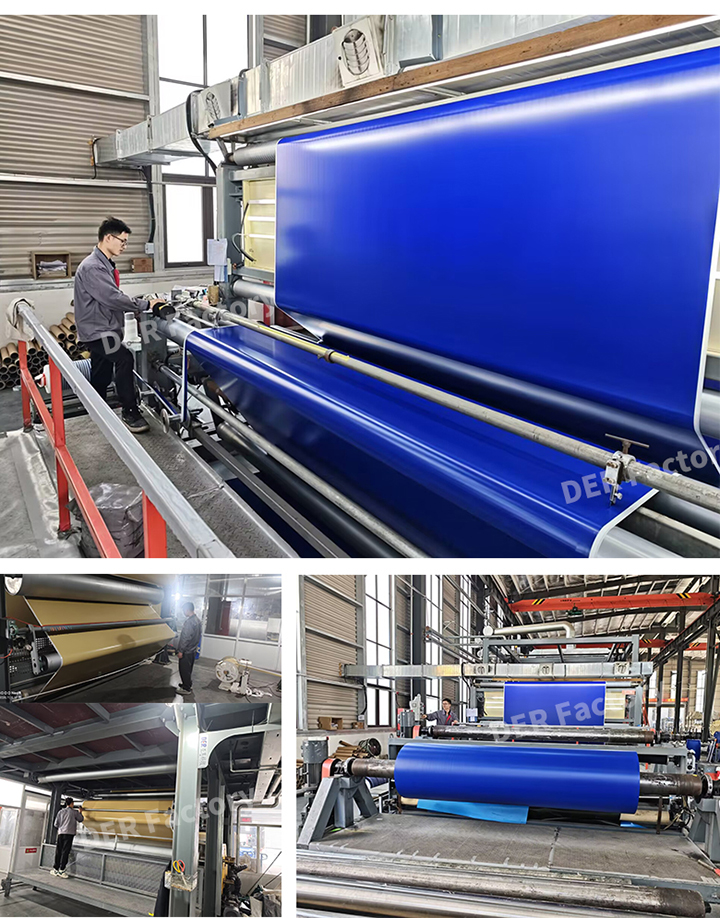
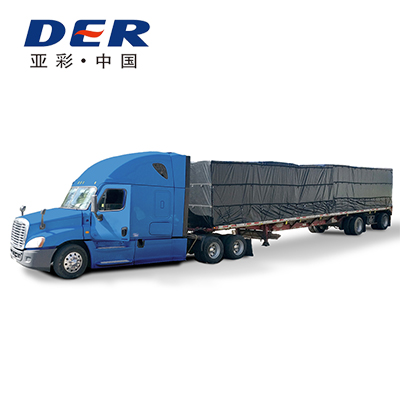
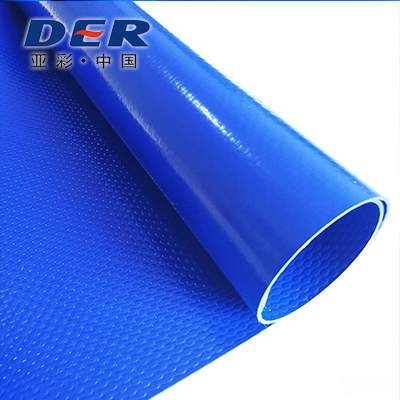
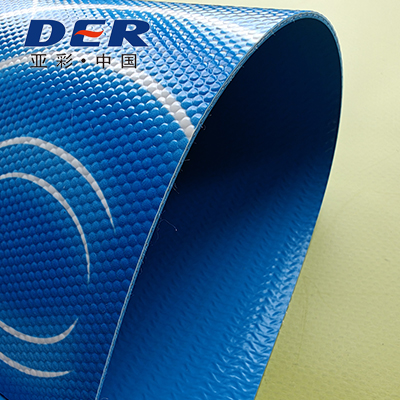
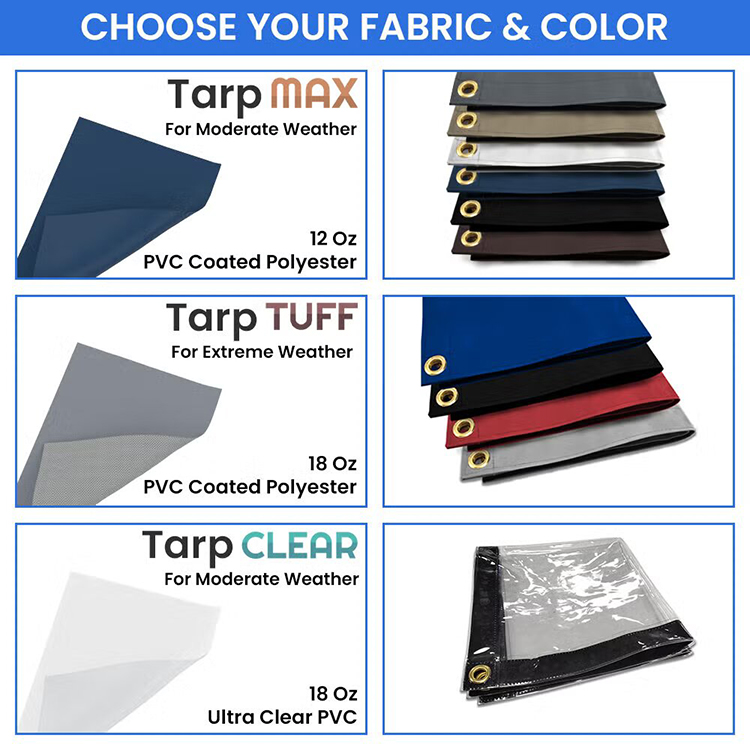
These DERFLEX product and application visuals support image-search relevance and help buyers connect thickness with the actual use environment.
Short, direct answers for buyers comparing tarp thickness before selecting material or requesting a quote.
Mil is a unit of thickness equal to one-thousandth of an inch. A 10 mil tarp is about 0.010 inch or 0.254 mm thick. Mil describes thickness, not total strength.
10 mil can be suitable for general or seasonal outdoor protection when wind, abrasion and repeated tie-down stress are moderate. For construction, transport or long-term exposure, buyers often move to stronger 14–20 mil or engineered PVC coated structures.
12 mil is often marketed around medium-to-heavy duty in polyethylene tarp lines, but labels vary by seller and material. For industrial procurement, confirm fabric weight, denier, weave, UV treatment, hems and hardware before relying on the “heavy duty” name.
20 mil is a strong starting point for many heavy vinyl and industrial tarp applications. It can be useful for repeated outdoor use, transport covers and equipment protection, but the right choice still depends on GSM, base fabric, coating, flexibility and finished construction.
A 10–16 mil range is a common starting direction for temporary roof and storm-cover use, but anchoring, wind uplift, puncture risk, roof slope and local safety requirements are critical. A thicker tarp does not compensate for unsafe installation.
Heavy vinyl/PVC truck and trailer covers are often discussed in the 18–22+ mil direction, but professional buyers normally specify GSM or oz weight, denier, coating, seam welding, webbing and hardware together with thickness.
No. Mil measures physical thickness, while GSM measures mass per square meter. They describe different properties and cannot be converted with one universal formula.
No. The thickest tarp may add cost and handling weight without solving the main failure risk. The better choice matches thickness, material structure, reinforcement and fastening to the application.
Send DERFLEX the application, finished dimensions, material preference, target mil/mm or GSM/oz, weather exposure, handling frequency, reinforcement layout, hardware spacing, quantity and destination. The team can review a practical PVC tarp material or finished-cover direction for sampling and quotation.