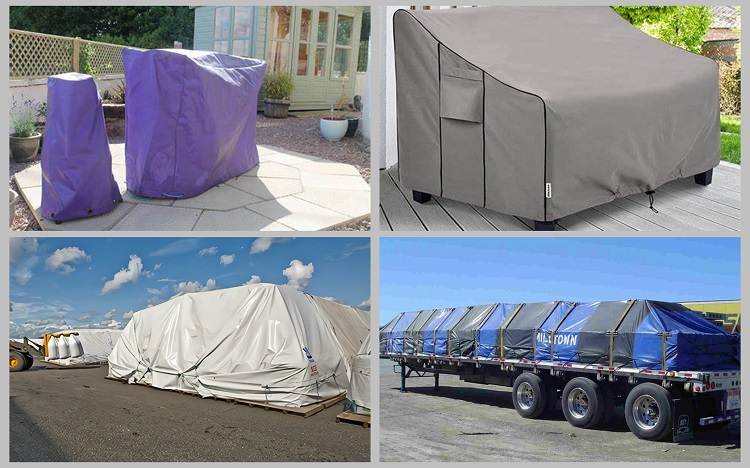
Define the application
State what is being covered, whether the tarp is stationary or moving, installation method, expected service cycle and main failure risks.
Name the base material
Confirm woven PE, PP, polyester, canvas or another substrate. Do not compare weave counts across materials without the rest of the construction data.
Confirm count and unit
Specify warp × weft and confirm whether the supplier reports threads per inch, strands per inch, construction per 10 cm or another method.
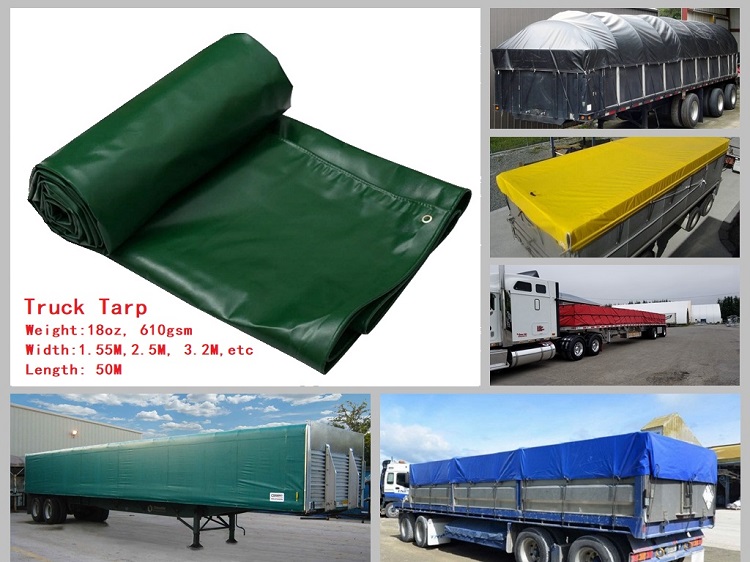
Add denier and finished weight
Request yarn denier in both directions and finished GSM or oz/yd². These values help expose differences hidden behind the same weave count.
Set coating requirements
Include PE lamination or PVC coating, surface finish, color, blackout, UV stabilization, flame-retardant option and temperature conditions as needed.
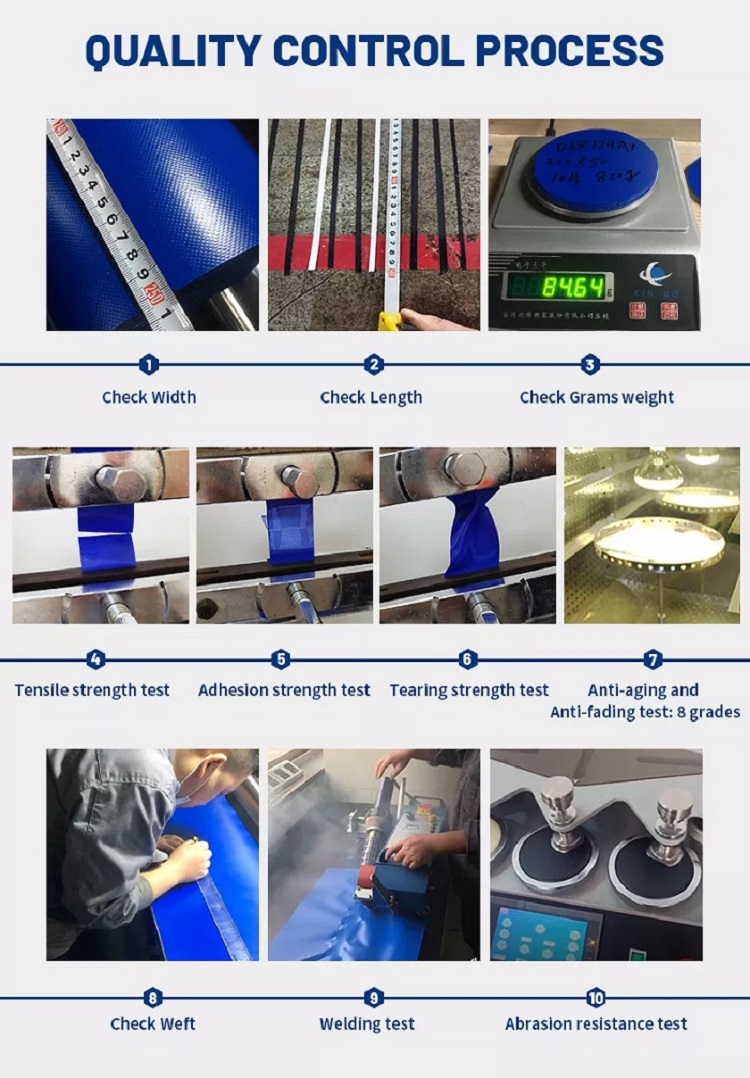
Request test values
List the required tensile strength, tear strength, coating adhesion, abrasion or hydrostatic performance and the preferred test method.
Detail fabrication
Provide finished dimensions, seam type, webbing, rope hems, eyelet material and spacing, reinforced corners, D-rings and printing requirements.
Approve a production sample
Review color, hand feel, weight, construction, weldability and finished dimensions before bulk production. Final acceptance criteria should be written.