Master Sample
The identified tarp, swatch, welded panel or packed unit showing approved color, surface, hand feel, construction and finished appearance.



Turn one approved tarp into a controlled production reference for the second, fifth and seasonal reorder—not a vague instruction to make it “the same as last time.”
This guide connects the physical golden sample with material identity, measurable specifications, first-off approval, change control, inspection evidence, packing and revision history for PVC tarpaulin rolls and finished tarp programs.
A tarpaulin golden sample is useful only when the factory can measure what it represents. For repeat bulk orders, the approved physical sample should be tied to a controlled specification, drawing, tolerances, test methods, workmanship boundaries, packing instructions and revision history. Use that same package at PO review, pre-production, first-off inspection, in-process checks and final shipment release.
A signed tarp can show the intended appearance and workmanship. It cannot, by itself, define the full production window. Reliable repeat-order control connects the sample to measurable and traceable information.
The identified tarp, swatch, welded panel or packed unit showing approved color, surface, hand feel, construction and finished appearance.
Material code, base fabric, coating route, nominal GSM or thickness, dimensions, components, test requirements and agreed tolerances.
Written workmanship criteria and, where useful, limit samples or defect examples that define what remains acceptable and what requires action.
Approved changes, first-off records, inspection results, deviation approvals, production lot information and the current valid sample version.
“Same as the previous order” is not a complete repeat-order specification. The previous shipment may contain normal production variation, and a stored sample can age. Name the exact sample and document revision that controls the new PO.
These references solve different problems. Treating every sample as the same object is a common reason bulk production drifts from what purchasing thought it approved.
| Reference | Main Purpose | Best Used When | What It Can Control | What It Cannot Prove Alone |
|---|---|---|---|---|
| Development / Sales Sample | Show a concept or available material direction. | Early sourcing and comparison. | General appearance, color direction, feel. | Production-line repeatability or final bulk conformity. |
| Pre-Production (PP) Sample | Confirm production-intent construction before bulk release. | New custom tarp, new material, new hardware or new packing program. | Dimensions, seams, hems, reinforcement, branding, labels and packing direction. | That every later production lot remains unchanged. |
| Golden / Master Sample | Serve as the controlled physical benchmark for production and repeat orders. | After buyer approval and revision release. | Approved visual, tactile and construction reference when linked to written criteria. | Hidden performance properties without measurements or test evidence. |
| First-Off / First-Piece Sample | Verify that the current production setup reproduces the approved reference. | At the start of a production run or after a significant setup change. | Line setup, dimensions, seam appearance, hardware position, print and packing first-off. | Long-run stability without in-process checks. |
| Limit / Boundary Sample | Show the border between acceptable variation and a defect. | Color, surface, print or workmanship issues that are difficult to define with words alone. | Visual acceptance boundary. | Mechanical, dimensional or functional compliance by itself. |
| Shipment Retain Sample | Preserve evidence from the actual shipped lot. | After final inspection or shipment release. | Lot-specific appearance and construction reference for future review. | The approved standard if it contains an unnoticed production deviation. |
For a new OEM tarp program, approve the production-intent sample first. Then identify which approved piece becomes the master reference and which first-off records must be repeated on every bulk order.
A small swatch can be enough to screen color, gloss and surface feel. It is not enough to approve a new welded corner, reinforced hem, grommet layout, printed logo or fitted cover. Match the sample format to the decision you need to make.
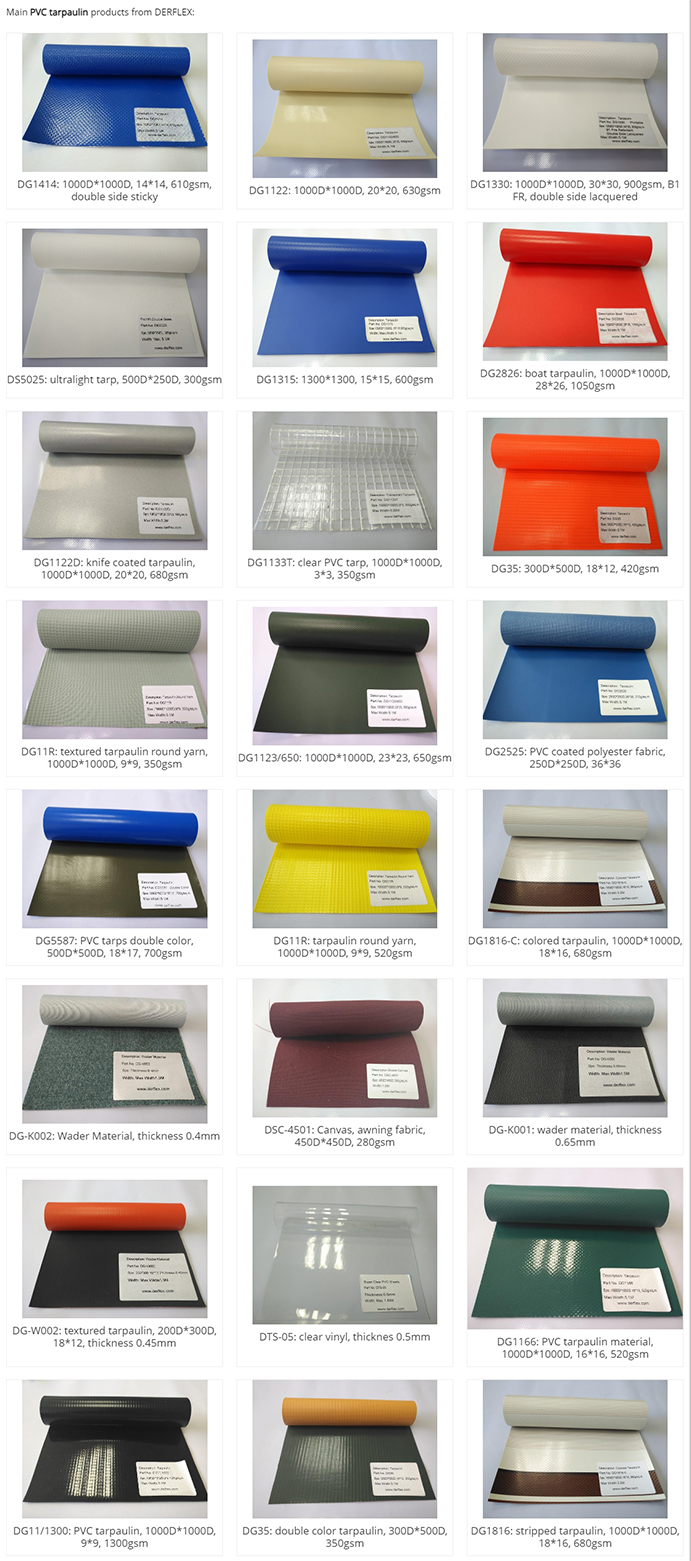
For PVC tarpaulin programs, the physical reference should be connected to the material construction and downstream fabrication. That connection is especially important when an approved roll material will later be cut, welded, sewn, reinforced or fitted with hardware.
Start with the current PVC tarpaulin material direction, then freeze only the characteristics that are relevant to the actual application and order.
The critical-to-quality list changes by application. A truck side curtain, industrial cover, construction tarp and retail packaged tarp do not need identical acceptance priorities.
| Control Area | What the Physical Sample Shows | What the Controlled Document Should State | Repeat-Order Verification |
|---|---|---|---|
| Material identity | Texture, flexibility, opacity, hand feel and visible scrim character. | Material/article code, PVC coating or lamination route, base fabric construction, nominal GSM/thickness and width where required. | Confirm the approved material code and verify agreed measurements from the current material lot. |
| Color & finish | Hue, gloss/matte appearance, embossing and surface treatment. | Named color reference, visible side, comparison condition, finish code and any project-specific visual or instrumental tolerance. | Compare first-off material using the agreed condition; record approved deviations instead of silently accepting them. |
| Mechanical performance | General handling and strength direction, not a complete performance range. | Relevant tensile, tear, coating adhesion, weld, waterproofing or other application-specific requirements plus test methods. | Review order-linked test results or requested external testing at the agreed stage. |
| Finished dimensions | Overall proportion and location of major features. | Finished-size definition, tolerance, seam allowance, hem width and measurement condition. | Measure first-off and sampled finished tarps against the current drawing. |
| Seams & reinforcement | Weld/sew appearance, overlap direction, webbing, patches and corners. | Fabrication route, overlap/hem dimensions, reinforcement material, position and workmanship criteria. | Check setup and critical stress areas during fabrication, not only at final packing. |
| Grommets & hardware | Hardware type, visible finish and installed orientation. | Material, size, spacing, edge distance, quantity, D-ring/strap details and any project-specific pull requirement. | Measure layout and inspect attachment quality on sampled units; prohibit unapproved substitutions. |
| Branding | Logo appearance, location and visible print quality. | Artwork revision, size, position, print method, orientation and color reference. | Approve current artwork and first-off print before the full lot continues. |
| Packing & labels | Folded presentation, label position and packed-unit appearance. | Fold method, piece count, bag/carton/bundle format, label/barcode data and shipping marks. | Verify packing first-off and final quantity/marking before release. |
If the bulk material is allowed to vary within a range, write that range. The physical sample should be the reference point—not the only description of the acceptance window.
Commercial item codes often remain stable while the manufacturing inputs behind them can change. A repeat-order program should define which changes require review before the old approval is reused.
A published quality control system helps manage production evidence, but the buyer still needs an order-specific definition of what must remain unchanged and who can authorize a deviation.
Waiting until final inspection to compare against a golden sample is late. A stronger process uses the same approved reference at multiple release gates.
Retrieve the current sample ID, item code, drawing, material specification, artwork and packing revision.
State whether material, source, process, color, hardware or packing has changed since the controlling order.
Confirm the current specification, test plan, production traveler and approval authority before bulk starts.
Compare the first roll, panel or finished tarp with the golden sample and critical measurements.
Monitor the details most likely to drift: finish, dimensions, seams, reinforcement, hardware, print and pack first-offs.
Inspect sampled goods against the same current criteria and record nonconformities or approved deviations.
Keep shipment, lot, inspection and revision records needed to control the next reorder.
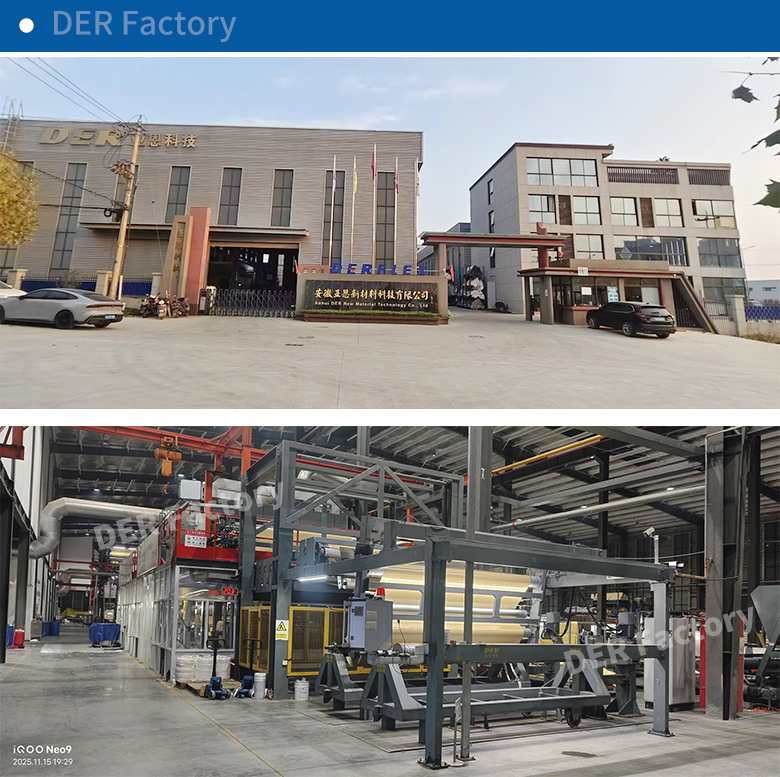
A strong inspection cannot repair a weak purchase specification. Define the material, dimensions, fabrication, acceptance rules and approval reference before production starts. The tarpaulin technical specification guide can be used to build that controlled order file.
Not every operational adjustment needs a new commercial SKU, but changes that can affect the approved result should be reviewed before production relies on the old golden sample.
Changes that directly alter the approved construction, appearance or critical function.
Changes that may or may not affect the controlled result depending on the tarp program.
Administrative updates that do not change the product can normally be controlled through revision records.
Final change authority should be defined by the buyer and supplier in the approved order documents. This matrix is a practical procurement framework, not a contractual or regulatory rule.
A buyer can approve a technically strong sample and still receive a drifting bulk order if the production team works from a different drawing, old color reference, verbal instruction or generic ma, terial code.
Understanding the tarpaulin manufacturing process also helps buyers decide where each control point belongs—from material creation to finishing and final inspection.
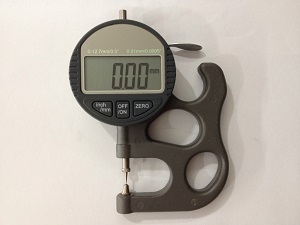
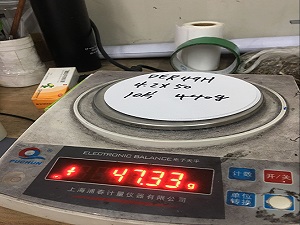
Photos are valuable records, but repeat-order control should preserve measurable evidence for characteristics that cannot be judged reliably on a screen.
Most repeat-order disputes are not caused by the idea of a golden sample. They come from weak identification, incomplete specifications or uncontrolled changes around the sample.
| Failure Scenario | What Went Wrong | Better Control |
|---|---|---|
| “Same color as last time” | No named physical reference, viewing condition or accepted boundary. | Use sample ID + color reference + surface finish + agreed comparison method. |
| Same GSM, different feel | GSM alone did not freeze base fabric, coating distribution, finish or formula direction. | Control construction and relevant performance, not one headline number. |
| Material passed, finished tarp failed | Roll material was approved but seam, reinforcement or hardware design was not. | Approve a fabrication coupon or representative finished detail. |
| Old sample used after product change | Material or process changed without a revision trigger. | Create written re-approval triggers and a current-valid revision list. |
| Buyer and factory hold different versions | Sample identity and revision were not synchronized. | Label controlled counterparts with the same ID, revision and approval date. |
| Final inspection discovers everything | First-off and in-process gates were skipped. | Release early control points before defects multiply across the lot. |
| Shipment sample becomes the new standard by accident | A retained production unit replaced the approved master without formal review. | Keep master approval and shipment evidence as separate record types. |
For custom fitted covers, the approved physical reference should also be supported by the drawing and finished-size logic used for the made-to-measure tarpaulin program.
Use this structure as the front sheet for the physical reference. Replace each “To be recorded” field with the approved order-specific value or document reference.
Physical sample + written specification + inspection basis + revision history
Do not assume a physical sample remains stable forever. Light, heat, folding, contamination and storage can change color, surface and flexibility. Record how the reference is stored and define how an aged or damaged master will be replaced through controlled re-approval.
The repeat PO should identify the controlling reference, not merely mention a previous shipment. The wording below is a practical example that purchasing teams can adapt to their own contract and quality system.
Reference: Produce against Golden Sample GS-TARP-____ Rev __,
approved on ____ / ____ / ____.

Linked documents: Material Specification Rev __ · Drawing Rev __ ·
Artwork Rev __ · Packing Instruction Rev __ · Inspection Plan Rev __.

Change control: Do not substitute material construction, coating route,
color/finish, critical dimensions, seam/reinforcement design, hardware, artwork,
packing configuration or other defined critical-to-quality characteristics without
written approval under the agreed revision process.

Production release: First-off approval and final shipment release shall
use the same current reference package and agreed acceptance criteria.
This wording is a procurement-control example, not legal advice. Align final contract hierarchy, warranty, liability and acceptance terms with your own commercial agreement.
A golden sample works best when approval authority is explicit. Production, purchasing, quality and the end customer may care about different features.
| Role | Typical Responsibility | Evidence to Retain |
|---|---|---|
| Buyer / Procurement | Commercial item identity, order quantity, revision release, destination, packaging and approved deviation authority. | PO, approval record, deviation authorization, reorder history. |
| Buyer Quality / Engineering | Critical-to-quality characteristics, test methods, tolerance logic, defect classification and approval boundaries. | Specification, drawing, test plan, inspection criteria, signed sample record. |
| Manufacturer Technical Team | Translate the approved reference into material, process, fabrication and inspection instructions. | Product code, production traveler, controlled work instruction, first-off record. |
| Manufacturer Quality | Verify incoming, in-process and final conditions against the current order and record any nonconformance. | Batch/lot identity, inspection data, test results, nonconformance and release record. |
| Third-Party Inspector | When used, inspect the defined lot against the same current documents and references provided to buyer and factory. | Inspection report, sample selection, raw measurements, photos and release recommendation. |
Before a strategic repeat-order program, buyers can also use a tarpaulin factory audit checklist to verify that sample control, change control, testing and traceability are actually used in production.
These DERFLEX pages cover the adjacent controls that a golden sample cannot replace by itself.
For B2B tarpaulin programs, the useful objective is not to keep one perfect sample in a cabinet. It is to make the accepted construction reproducible across future production runs.
Connect the approved sample to a defined PVC tarpaulin construction, color, finish, width and project-relevant performance direction.
For finished tarps, align seams, hems, reinforcement, grommets, D-rings, straps, printing, labels and packing with the current drawing.
Use first-off and in-process checks where they can prevent a repeated defect from spreading across the full batch.
Preserve the sample ID, document revision, lot evidence and approved changes so the next order starts from the right reference.
Direct answers for procurement managers, importers, distributors, OEM brands, tarp fabricators and quality teams.
A tarpaulin golden sample is an identified and approved physical reference used together with a controlled specification, drawing, tolerances and inspection rules to define what future bulk production should match. The physical sample is most useful for appearance, surface, hand feel and workmanship; measurable requirements should remain in the written control package.
No. The physical sample should be linked to measurable material, dimension, fabrication, performance, packaging and revision requirements. A tarp can look correct while differing in base fabric, coating distribution, tensile or tear behavior, seam strength, hardware or other characteristics that are not visible.
Re-approval should be considered when a change can affect the approved result: material construction, coating or formulation, color/finish, base fabric, production route, finished dimensions, seam design, reinforcement, hardware, artwork, packaging or relevant test requirements. The buyer and supplier should define exact change triggers in writing.
Photos are useful for documenting appearance and details, but they do not fully replace a physical reference for texture, gloss, flexibility, opacity, construction, surface defects and workmanship. Use high-quality photos as supporting evidence and preserve the current labeled physical reference when it matters to acceptance.
There is no universal number. Many programs benefit from controlled counterparts held by the buyer and manufacturer, and sometimes an inspector or approved local team. What matters is that each retained piece has the same ID and revision, is protected from uncontrolled replacement, and is stored in a way that limits damage or aging.
Record the buyer item code, supplier article, sample ID, revision, approval date, material construction, nominal GSM/thickness, color and finish reference, dimensions, seams and reinforcement, hardware, artwork, packing, test requirements, approval authority and the changes that require review before production continues.
Review the current reference at PO and pre-production stages, compare first-off output before full continuation, check the characteristics most likely to drift during fabrication, and use the same sample-and-document package during final release. If a deviation is accepted, record it against the correct revision.
Send the previous item or order reference, current approved specification or golden sample ID, application, material construction, GSM/thickness, width or finished dimensions, color/finish, seam and reinforcement details, hardware, artwork, labels, packing, quantity, destination and any required inspection, test or documentation conditions.
Send DERFLEX your current approved sample or sample ID, material and finished-tarp specification, drawing revision, color/finish, fabrication details, quantity, destination and required inspection or testing conditions. The goal is a repeat-order package the production and quality teams can actually follow.
Procurement guidance only. Final specifications, tolerances, sampling plans, test methods, compliance requirements, acceptance rules and contractual terms should be confirmed for the specific product, application and sales agreement.