


UV Resistant Tarps Guide: How to Choose for Sun, Weather and Long Outdoor Use
UV resistance is not a single coating label. A reliable outdoor tarp must balance material structure, sunlight exposure, waterproofing, temperature, wind movement, abrasion, reinforcement and the way the cover is installed and reused. This guide helps professional buyers compare UV resistant PVC tarps, UV-treated poly tarps, canvas, mesh and other outdoor cover directions before specifying a product.
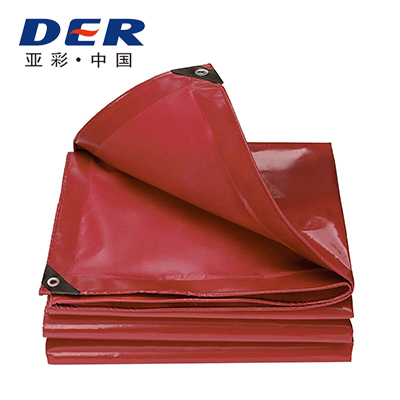
What Is the Best UV Resistant Tarp for Outdoor Use?
For heavy-duty, repeated outdoor use, a PVC coated polyester tarp is often the strongest all-around direction because it can combine UV stabilization, waterproofing, tensile and tear strength, abrasion resistance, weldability and custom reinforcement. UV-treated polyethylene tarps can be better for lighter, temporary or price-sensitive coverage, while UV-stabilized mesh is preferable when airflow and shade are more important than full rain protection.
- Choose by sun exposure + mechanical stress + waterproofing need, not by color or thickness alone.
- Ask how UV performance is evaluated and whether the supplier can discuss post-exposure surface, color and strength retention.
- For finished tarps, inspect the entire system: material, seams, hems, corners, grommets, tie-down spacing and installation geometry.
What Makes a Tarp UV Resistant?
A UV resistant tarp is made with a polymer, coating, pigment package or surface treatment intended to slow damage caused by ultraviolet radiation. Sunlight can gradually change the chemistry and physical behavior of plastics and coatings, which can lead to fading, chalking, loss of flexibility, cracking and reduced strength.
In a heavy-duty vinyl tarp, the polyester base fabric carries mechanical load while the PVC coating provides the weather barrier and surface protection. Outdoor performance depends on how these components work together. A stronger sheet can still fail early if the coating is poorly stabilized, while a well-formulated surface can still fail at a weak eyelet or unreinforced corner.
How Sunlight and Outdoor Use Actually Damage Tarps
UV aging is only one part of outdoor failure. The highest-value specification work comes from identifying the first likely failure mode, then selecting material and fabrication around it.
PVC vs Poly vs Canvas vs Mesh for UV-Exposed Tarp Applications
There is no universal best tarp material. The correct choice depends on whether the project prioritizes long-term waterproofing, low weight, breathability, airflow, shade, repeated handling or economical replacement.
| Material Direction | UV / Weather Direction | Water Protection | Best For | Important Buyer Note |
|---|---|---|---|---|
| PVC Coated Polyester / Vinyl Tarp | Can be formulated for demanding, repeated outdoor exposure. | Strong waterproof direction when seams and details are properly fabricated. | Trucks, equipment, construction, industrial storage, agriculture, OEM tarp programs. | Best when strength, welding, reinforcement and repeat specifications matter. |
| UV-Treated PE / Poly Tarp | Useful from short-term through seasonal use depending on grade and UV treatment. | Good rain barrier when intact. | Temporary covers, light storage, seasonal farm protection, emergency use. | Confirm UV grade rather than assuming every blue or silver poly tarp is equivalent. |
| Canvas | Can perform well when breathable textile behavior is needed. | Usually water-resistant rather than a fully sealed welded barrier. | Breathable equipment covers and applications where condensation control matters. | May not suit projects that require fully sealed waterproof seams. |
| UV-Stabilized Mesh | Good direction for shade and open-air exposure when properly stabilized. | Not waterproof. | Shade, privacy, debris control, agriculture, fencing, dump-body airflow. | Open area reduces wind pressure but also allows rain through. |
| Clear PVC | Requires an outdoor-suitable formulation when long sun exposure is expected. | Waterproof barrier with visibility. | Outdoor enclosures, side curtains, weather screens, selected canopy panels. | Ask about optical stability, cold flexibility, thickness and edge fabrication. |
For a broader material decision, compare poly vs vinyl tarp performance before selecting a finished cover construction.
Choose UV Resistant Tarps by Exposure and Duty Cycle
This decision matrix is more useful than selecting a tarp by one headline number. Final GSM, yarn structure, coating, finish and fabrication should be confirmed against the real application.
| Use Condition | Recommended Direction | Priority Features | Fabrication Focus | Procurement Question |
|---|---|---|---|---|
| Short Seasonal / Temporary Cover | UV-treated PE or lighter-duty PVC depending on reuse target. | Low weight, basic UV stability, rain protection, easy handling. | Simple hems and practical tie-down spacing. | How many weeks or seasons must the cover remain usable? |
| Continuous Outdoor Storage | UV-stabilized PVC coated polyester. | Weather resistance, flexibility retention, waterproofing, abrasion resistance. | Reinforced perimeter, drainage slope, protected contact points. | Is the tarp static for months or opened and closed repeatedly? |
| Truck / Trailer / Frequent Handling | Heavy-duty PVC coated polyester / vinyl tarp. | UV resistance, tear strength, abrasion, weldability, road-weather durability. | Welded seams, webbing, D-rings or grommets, corner reinforcement. | Where are the sharp edges and daily folding zones? |
| Windy Construction / Yard Use | PVC or mesh depending on waterproof requirement. | Tear resistance, reduced flapping, UV stability, visibility. | Load distribution, anchor spacing, reinforced edges and corners. | Can wind pressure be reduced with mesh instead of a fully solid cover? |
| Shade / Privacy / Airflow | UV-stabilized mesh. | Shade factor, airflow, UV stabilization, edge strength. | Webbing, eyelets, tensioning system, panel size. | What shade level and wind permeability does the project need? |
What Color Tarp Is Best for Sun Exposure?
Color affects surface temperature, visibility and appearance, but it is not a complete UV specification. The polymer formulation, pigment system, stabilizers and surface treatment determine whether a tarp is truly suited to prolonged sunlight.
White & Light Colors
Often useful where reducing solar heat gain is important. They can help keep the covered surface cooler, but outdoor durability still depends on formulation.
Silver / Reflective Surfaces
Common for heat-reflective outdoor covers. Reflective appearance can reduce heat load, but buyers should still confirm UV aging and coating quality.
Black & Dark Colors
Some dark pigment systems can provide strong UV screening, but darker surfaces can also absorb more heat. Treat pigment, heat and durability as separate specification points.
How Should Buyers Evaluate UV Resistance?
A credible UV claim should be linked to an exposure method, visible performance criteria and the actual material construction—not only a marketing phrase.
Useful Post-Exposure Checks
Do Not Convert Test Hours Directly into “Years Outdoors”
Accelerated UV or weathering tests are useful for comparing formulations and observing failure trends, but there is no universal hours-to-years conversion that is accurate for every climate. Arizona sun, tropical humidity, coastal salt, high altitude, freezing winters, wind movement and installation stress can produce very different real-life outcomes.
For procurement, ask the supplier what was tested, how performance was judged, and whether the test conditions resemble the target market.
UV Resistant Tarp Image Gallery
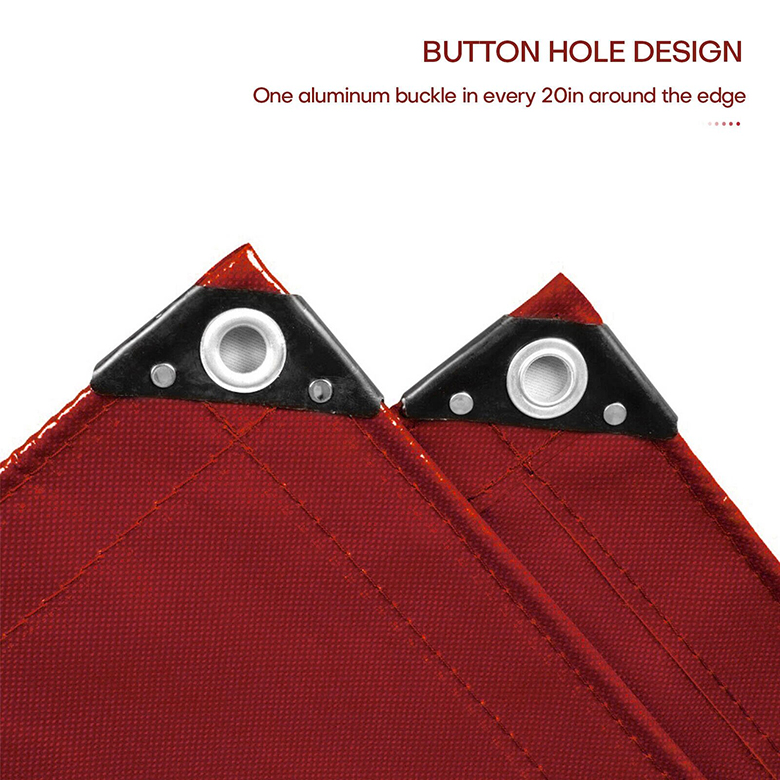
These images are from DERFLEX product pages and show finished tarp structure, truck application, waterproof surface and reinforcement details. Below-the-fold images use lazy loading for page performance.
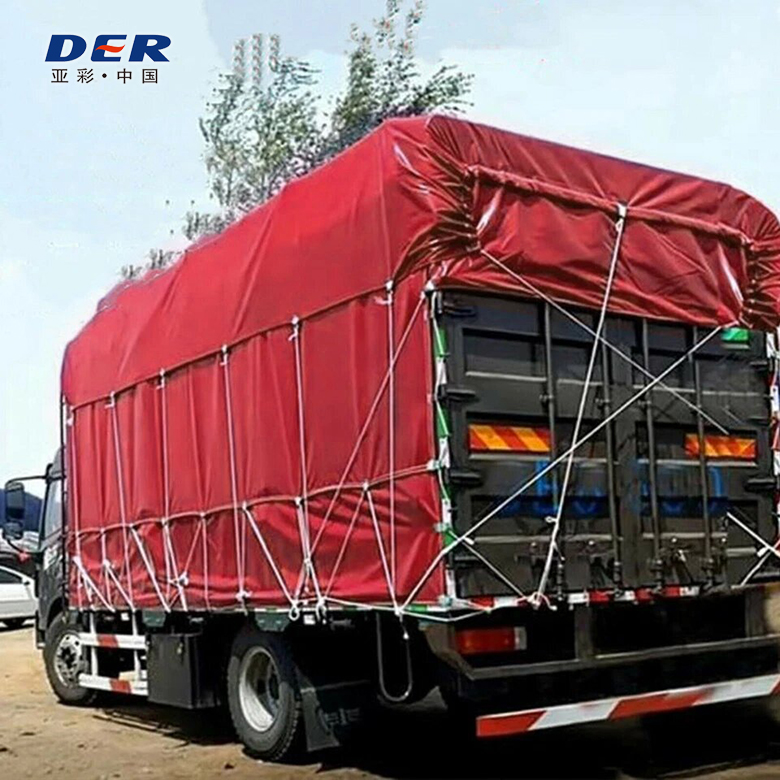
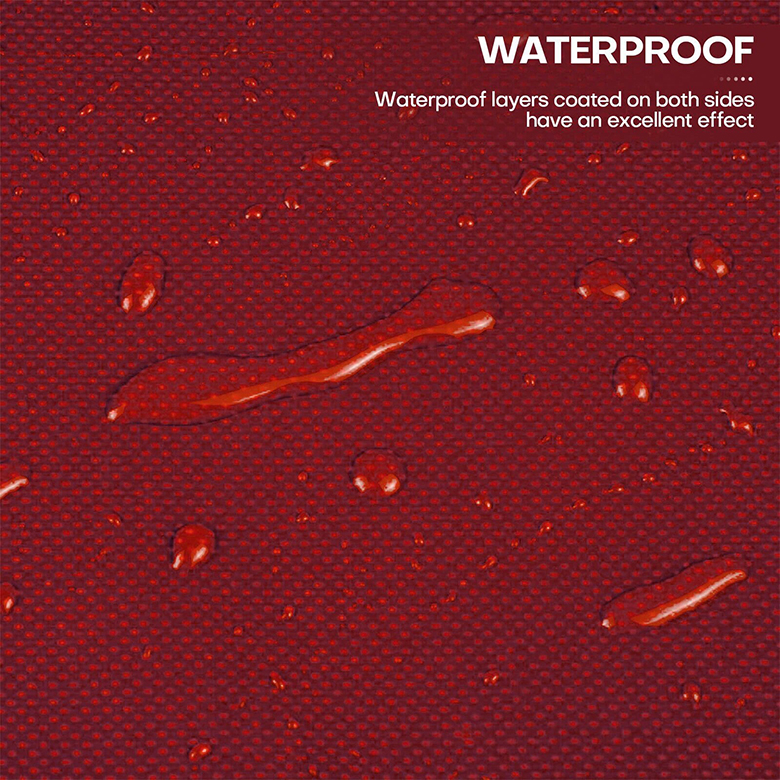
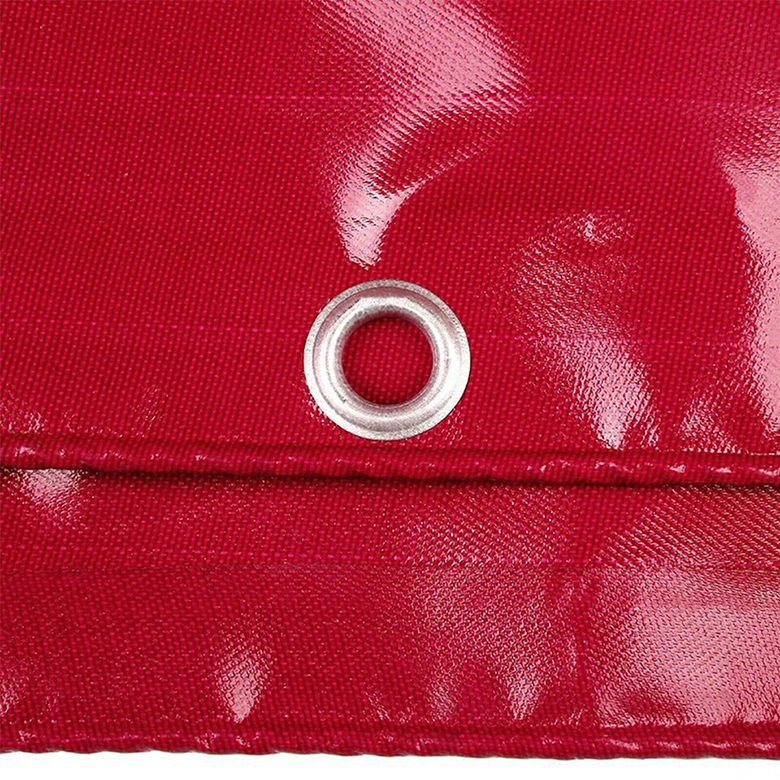
Fabrication Can Matter as Much as the UV Formulation
A tarp does not live in a laboratory. It is welded, folded, dragged, tensioned, tied, exposed to edges and sometimes installed with poor drainage. These details can shorten service life even when the material itself is UV stabilized.
Control Wind Flap
Loose fabric repeatedly snapping in the wind can create fatigue and abrasion. Use appropriate tension, spacing and panel geometry without over-stressing the edge.
Protect Sharp Contact Points
Use padding, corner protectors or extra reinforcement where the tarp touches metal, timber, masonry or cargo edges.
Design Drainage
A waterproof tarp still needs slope. Avoid large flat spans where rain can pond and create concentrated load.
Match Seam Method
PVC coated polyester can support welded construction; seam width and overlap should match the material and final load path.
Reinforce Fixing Zones
Hems, webbing, corner patches, D-rings and eyelets should distribute tension rather than concentrate it into a small punched hole.
Plan Handling Weight
The heaviest tarp is not always the best operational choice. Daily manual folding and installation can require a balance between strength and manageable weight.
How Long Do UV Resistant Tarps Last?
There is no honest universal service-life number for every UV resistant tarp. Real life is controlled by UV intensity, climate, material formulation, mechanical stress, installation and maintenance. The better procurement question is: what failure mode must this tarp survive for the target duty cycle?
Factors That Shorten Tarp Life
- Continuous high-UV exposure and high surface temperature.
- Wind flap, loose installation and repeated abrasion.
- Sharp edges or concentrated load around grommets.
- Standing water and unsupported large spans.
- Frequent folding on the same crease line.
- Dirty, wet storage that encourages mildew or surface contamination.
Ways to Extend Outdoor Service
- Choose a true outdoor formulation rather than a generic waterproof sheet.
- Use reinforced hems and correctly spaced fixing points.
- Reduce flapping and protect high-abrasion contact zones.
- Keep drainage paths open and avoid water pooling.
- Inspect small cuts, worn eyelets and seam damage before they grow.
- Clean, dry and store the tarp away from unnecessary heat or chemicals when not in use.
See the dedicated DERFLEX guide on how to make a tarp last longer outdoors for maintenance, fastening and wear-reduction guidance.
Where UV Resistant Tarps Deliver the Most Value
UV resistance becomes especially valuable where the cover is exposed continuously, reused frequently, protects higher-value assets or forms part of a repeat B2B product program.
| Application | Why UV Resistance Matters | Recommended Material Direction | Extra Specification Points |
|---|---|---|---|
| Truck & Trailer Covers | Sun, wind, road movement, folding and abrasion occur together. | Heavy-duty PVC coated polyester. | Welded seams, abrasion zones, reinforced perimeter, fastening layout. |
| Industrial Outdoor Storage | Long continuous exposure raises replacement and inventory risk. | UV-stabilized waterproof PVC tarp. | Drainage, corner padding, static vs repeated removal, custom finished size. |
| Agriculture & Hay | Seasonal sun and weather exposure can make low-grade covers brittle. | UV-stabilized PE or PVC according to reuse and duty level. | Handling weight, anti-mildew direction, anchoring, seasonal storage method. |
| Construction | Open-site wind and sharp building materials create combined UV and mechanical stress. | PVC solid tarp or mesh depending on rain and airflow needs. | Site visibility, wind pressure, FR requirement if applicable, reinforced fixing zones. |
| Machinery & Equipment | Long cover cycles protect high-value assets; failure can expose metal and controls. | UV-resistant PVC with abrasion protection. | Custom shape, condensation/venting, soft contact layer, access flaps or straps. |
| OEM / Private Label Tarps | Repeat market quality and claims consistency are part of brand value. | Controlled material specification matched to target retail or industrial grade. | Color control, packaging, labeling, test expectations and repeat-order specification records. |
For long-term static inventory, also review UV-resistant tarpaulin for outdoor storage.
Six Mistakes That Make a “UV Resistant” Tarp Fail Early
Buying by Color
Silver, black, white or blue does not define UV grade. Ask about material formulation and intended outdoor exposure.
Buying by GSM Alone
Weight can improve mechanical strength but cannot replace UV stabilization, good coating or correct reinforcement.
Ignoring the Edge
The strongest sheet still fails if tie-down load is concentrated into weak hems, eyelets or corners.
Assuming Waterproof = Outdoor Grade
Waterproofing says little about long-term sunlight aging. Specify both properties separately.
Believing Universal Lifespan Claims
Outdoor life changes by region, wind, temperature, abrasion and duty cycle. Ask for comparable evidence and fit-for-use guidance.
Skipping Installation Design
Ponding, loose flapping and sharp contact points can destroy a good tarp faster than UV exposure alone.
What to Send a UV Resistant Tarp Manufacturer Before Quotation
A useful RFQ describes the operating environment, not only the finished size. The more clearly the application is defined, the easier it is to match the coating, base fabric, reinforcement and processing route.
From UV Resistant Tarp Material to Finished Custom Covers
DERFLEX supports B2B buyers who need more than a standard stock sheet. The project can start from PVC coated polyester roll goods, then move into custom color, surface finish, welded panels, reinforced edges, eyelets, webbing and OEM packaging according to the final market.
Material Specification
Match base fabric, coating structure, UV direction, surface finish and handling requirements to the real application.
Fabrication Support
Finished covers can be planned around seams, welded hems, webbing, eyelets, reinforced corners, D-rings and custom dimensions.
B2B Repeat Supply
Suitable for importers, distributors, fabricators, contractors and OEM brands that need repeatable specification and packaging.
If the project is specifically a heavy-duty PVC cover, review heavy duty PVC tarps. For rain-first applications, compare waterproof tarps.
Related DERFLEX Guides and Tarp Materials
Six relevant internal resources connect UV durability, waterproofing, material choice and outdoor tarp engineering without duplicating this guide's search intent.
Common Questions About UV Resistant Tarps
Direct answers written for buyers, procurement teams, distributors, contractors and outdoor-cover product managers.
What makes a tarp UV resistant?
A UV resistant tarp uses a material formulation, coating system, pigments or stabilizers intended to slow sunlight-related fading, embrittlement, cracking and performance loss. Finished construction also matters because UV exposure often combines with wind, heat, folding and edge stress.
Are waterproof tarps automatically UV resistant?
No. Waterproofing and UV resistance are different properties. A tarp can block rain while still aging quickly in direct sun if its polymer formulation, pigments or surface treatment are not intended for prolonged outdoor exposure.
Which tarp material is best for long-term sun exposure?
For demanding repeated outdoor use, PVC coated polyester is often preferred because it combines waterproofing, strength, weldability and customizable UV stabilization. UV-treated PE can be practical for lighter or temporary applications, while mesh is better when shade and airflow are the main goals.
Does a thicker tarp always have better UV resistance?
No. Thickness and GSM influence mechanical durability, but UV resistance depends strongly on the polymer formulation, stabilizers, pigments and surface system. A heavy tarp with weak UV stabilization can still become brittle or crack prematurely.
What color tarp is best for sunlight?
There is no universal best color. White and silver can reduce heat absorption, while darker pigment systems behave differently in UV exposure. Specify the formulation, heat requirement and UV durability instead of choosing by color name alone.
How long do UV resistant tarps last outdoors?
There is no single lifespan for every tarp. UV intensity, temperature, wind movement, abrasion, tension, water pooling, folding frequency, installation and material formulation all change real service life. Compare the intended duty cycle and likely failure mode rather than relying on a universal years claim.
How can I tell if a tarp is really UV treated?
Ask for a clear material specification and how UV or weathering performance is evaluated. Useful evidence may include accelerated exposure results, surface observations, color change, tensile or tear retention, coating adhesion and application-specific sample testing.
What is the best tarp for year-round outdoor storage?
For long-term outdoor storage that needs waterproofing and repeated durability, UV-stabilized PVC coated polyester is often a strong direction. The finished design should also include drainage, reinforced edges, protected contact points and secure fastening to reduce wind and abrasion damage.
Tell DERFLEX How the Tarp Will Actually Be Used
Send the application, climate, target dimensions, handling frequency, material direction, color, reinforcement, quantity and destination. DERFLEX can help you move from a generic “UV resistant tarp” request to a practical material and fabrication specification.
- Roll goods, cut panels or finished custom tarps
- PVC coated polyester, outdoor UV formulations and surface options
- Welded seams, hems, grommets, webbing, corner reinforcement and OEM packaging