



Poly vs Vinyl Tarp: Which Material Should You Choose?
For buyers comparing poly vs vinyl tarp options, the right answer depends on service life, weather exposure, handling, abrasion, fastening method and replacement cost. Poly tarps are practical for lightweight and temporary covering. Vinyl tarps, especially PVC coated polyester tarps, are more suitable when the cover must work in demanding outdoor, transportation and industrial environments.
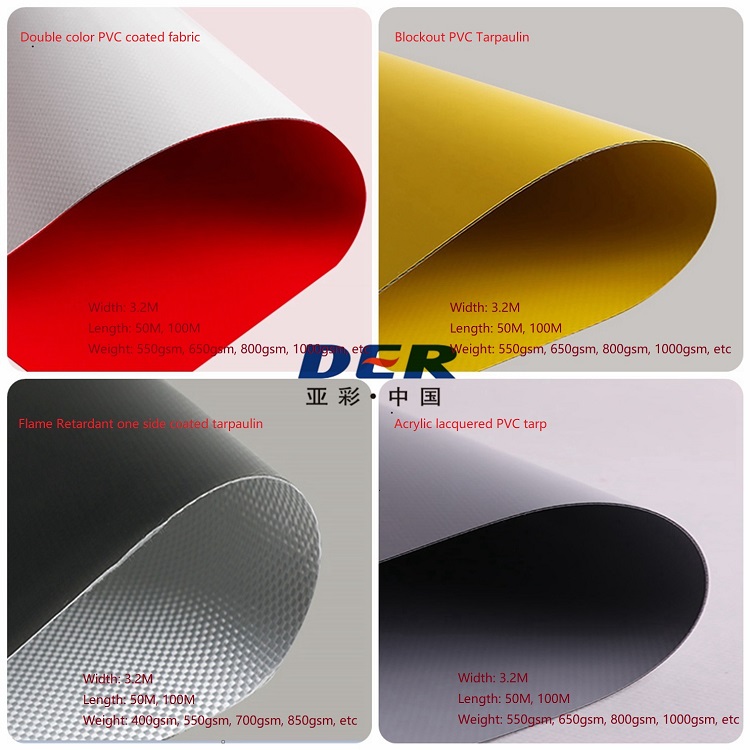
PVC coated polyester tarp fabric for heavy duty covers
DERFLEX supplies PVC vinyl tarp material for truck covers, outdoor storage, industrial covers, construction sites, agriculture, tents and OEM tarp programs.
Choose by duty level, not by material name alone.
A low-cost tarp can be suitable for short-term covering. A heavy-duty tarp should be specified by fabric structure, coating quality, seam method, edge reinforcement and working environment.
Choose poly tarp when the job is temporary.
Polyethylene tarps are widely used because they are economical and easy to move. They fit many short-term covers where the tarp is not expected to face continuous abrasion, heavy wind whip or repeated industrial fastening.
- Short-term construction or maintenance cover
- Light equipment or garden storage protection
- Camping, picnic, ground sheet or temporary shade use
- Budget-sensitive projects with acceptable replacement cycles
- Applications where low weight matters more than long service life
Choose vinyl tarp when the cover must last longer.
Vinyl tarps are normally based on a polyester scrim coated with PVC. This structure gives the tarp better dimensional stability, tensile strength, tear resistance and weldability for many demanding applications.
- Truck tarps, trailer covers and cargo protection
- Industrial machinery covers and outdoor storage
- Construction covers exposed to wind, dust and repeated movement
- Agriculture tarps, canopy covers and long-term outdoor shelters
- OEM tarp programs requiring color, logo, GSM and packing control
Poly tarps vs vinyl tarps for real purchasing decisions
The table below helps distributors, contractors, fabricators and OEM buyers choose a material direction before confirming specifications.
| Factor | Poly tarp | Vinyl tarp / PVC coated polyester tarp | Buyer recommendation |
|---|---|---|---|
| Material structure | Usually woven polyethylene with PE laminate or coating. | Polyester base fabric coated or laminated with PVC on one or both sides. | For heavy duty projects, ask for base fabric, coating method and adhesion data. |
| Strength | Good for light and medium temporary use, but lower grades may tear sooner. | Better suited for abrasion, repeated folding, fastening and wind movement. | Select vinyl when the tarp will contact cargo, frames, equipment edges or rough surfaces. |
| Water protection | Waterproof or water-resistant depending on grade and seam design. | Excellent waterproof performance when the material and welded seams are properly specified. | For industrial waterproof covers, review seam welding, edge reinforcement and coating finish. |
| UV and weather | Can include UV treatment, but long exposure may reduce service life depending on grade. | Can be specified with UV-resistant coating, lacquer, anti-mildew and outdoor formulations. | For long outdoor use, vinyl tarp material normally gives stronger long-term value. |
| Weight and handling | Lighter and easier to install, remove and store. | Heavier and stronger; may require better fastening or handling process. | Choose poly when portability is more important; choose vinyl when durability matters more. |
| Fabrication | Commonly used as ready-made temporary sheets. | Suitable for cutting, heat welding, sewing, grommets, webbing and OEM fabrication. | Tarp factories and OEM buyers often prefer PVC coated fabric rolls for conversion control. |
| Total cost | Lower upfront cost, but replacement can be more frequent in harsh conditions. | Higher initial cost, but longer service potential in demanding applications. | Compare cost per month of use, not only unit price. |
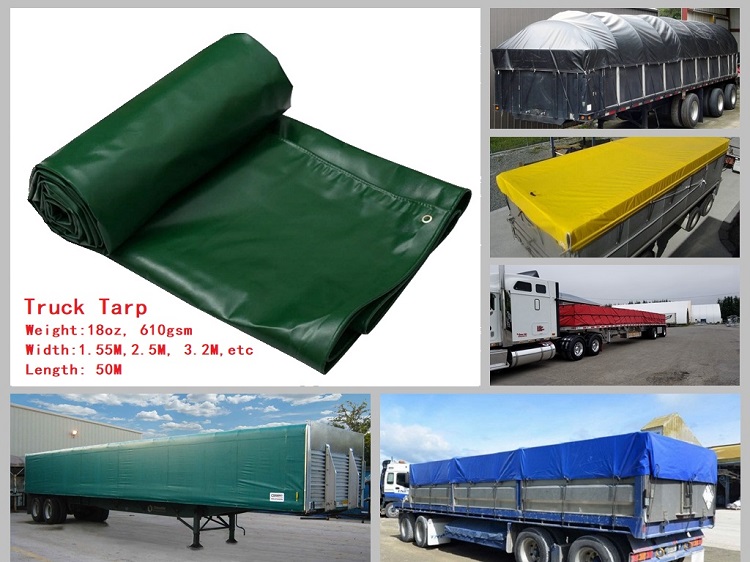
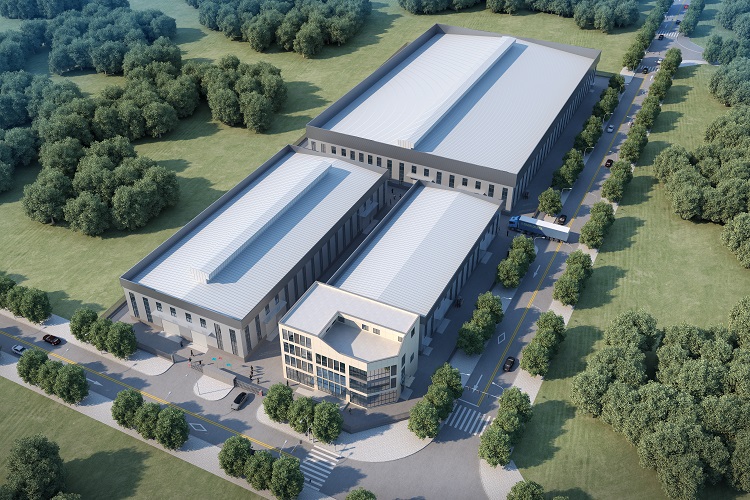
DERFLEX vinyl tarp material and application display
The page includes visual product proof for PVC coated fabric rolls, truck tarp use and factory-oriented supply capability.
Where vinyl tarps usually make more sense than poly tarps
For applications that involve movement, repeated fastening, outdoor exposure or cargo value, PVC vinyl tarps often provide a stronger balance between performance and service cost.
Truck and trailer covers
Flatbed tarps, trailer tarps, cargo covers and side curtains require tear resistance, weldability and stable outdoor performance.
Construction covers
Scaffold covers, temporary roof covers, job-site storage and debris protection need durable fabric and reliable fastening.
Agriculture protection
Farm equipment, hay, feed, greenhouse areas and outdoor storage may need UV resistance, waterproofing and easy cleaning.
Industrial machinery
Equipment covers often face oil, dust, abrasion, sharp edges and repeated installation, making stronger coated fabric useful.
Tents and shelters
Longer-use canopies, shelters and storage structures benefit from PVC coated fabric, welded seams and reinforced edges.
Waste and recycling
Waste transport covers, roll-off covers and recycling yard protection require toughness and resistance to frequent handling.
Marine and outdoor storage
Boats, outdoor containers and yard materials need moisture protection and stronger weather resistance.
OEM tarp programs
Brands and distributors can specify color, GSM, roll length, logos, labels and repeat quality requirements.
DERFLEX PVC vinyl tarp material support
DERFLEX focuses on industrial coated fabrics and tarpaulin materials. For buyers comparing polyethylene tarp and PVC vinyl tarp options, DERFLEX can help confirm whether a roll material, cut panel or finished tarp direction is more practical.
Available specifications are confirmed according to application, order quantity and technical requirements.
| Common material direction | PVC coated polyester tarpaulin fabric for heavy duty covers and industrial tarps. |
| Typical buyer types | Tarp factories, distributors, importers, truck cover manufacturers, contractors and OEM brands. |
| Possible finish | Matte, glossy, anti-scratch, lacquered, UV-resistant or flame-retardant options after confirmation. |
| Fabrication support | Cutting, welding, sewing, hems, grommets, reinforced edges and branded packing can be discussed by project. |
| Selection data | GSM, yarn, coating, tensile strength, tear strength, adhesion, temperature resistance and roll packing. |
| Quotation path | Share application, size, quantity, target market, expected life and required certificates for a suitable recommendation. |
How to choose between poly tarp and vinyl tarp before ordering
A professional tarp purchase should start from working conditions and service expectations, then move to price.
Define the exposure
Confirm whether the tarp faces sunlight, rain, wind, dust, snow, chemicals, oil, abrasion or repeated folding.
Set the service cycle
Temporary, seasonal and long-term covers require different materials. Long service cycles often justify a stronger vinyl tarp specification.
Check handling method
Consider how often the tarp will be moved, tied, welded, folded, cleaned or installed on a frame or vehicle.
Review reinforcement
Edges, grommets, webbing, hems, D-rings and welded seams strongly affect real-world performance.
Compare total cost
Look at replacement frequency, downtime, cargo risk and customer complaints, not only initial unit price.
Confirm supplier capability
For B2B supply, choose a manufacturer that can support repeat specifications, QC, packing and stable delivery.
Continue your tarp material selection
These internal resources help buyers compare material structure, application needs and supply formats before sending an inquiry.
Need help choosing between poly and vinyl tarp?
Send your application, target size, expected service time, quantity, color, fastening method and market requirements. DERFLEX will recommend a practical PVC vinyl tarp material or OEM tarp solution for your project.
Poly vs vinyl tarp questions buyers often ask
Use these answers to narrow your tarp material direction before requesting samples or quotation.
What is the main difference between poly and vinyl tarps?
Poly tarps are usually woven polyethylene sheets selected for lightweight and temporary covering. Vinyl tarps are commonly PVC coated polyester fabrics designed for heavier duty protection, repeated use and longer outdoor exposure.
Are vinyl tarps waterproof?
Vinyl tarp materials are widely used for waterproof industrial covers. Final waterproof performance also depends on seam welding, edge construction, grommet position and installation method.
Are poly tarps good for construction?
Poly tarps can work for short-term construction cover or debris protection. For repeated job-site use, wind exposure, roof cover, scaffold cover or machinery protection, a heavier PVC vinyl tarp may be more suitable.
Why are vinyl tarps more expensive?
Vinyl tarps often use stronger base fabric, thicker PVC coating, better abrasion resistance and more robust fabrication. The initial price is usually higher, but replacement frequency may be lower in demanding applications.
Can DERFLEX make finished tarps or only roll material?
DERFLEX can discuss roll material, conversion-friendly panels and OEM finished tarp directions according to the project requirement, quantity and fabrication details.
What information should I send for a quotation?
Send application, dimensions, GSM target, color, quantity, expected outdoor service, UV or flame-retardant needs, edge reinforcement, grommet spacing, logo requirement and packing method.