



How to Make a Tarp Last Longer Outdoors
Outdoor tarp life is decided by more than thickness. UV exposure, wind stress, trapped moisture, abrasion, tie-down design and coating quality all affect how long a tarp stays useful.
This DERFLEX guide explains practical tarp care methods for outdoor use and shows when a standard tarp should be upgraded to UV-resistant PVC coated polyester tarpaulin for trucks, construction sites, agriculture storage, equipment covers and OEM tarp programs.
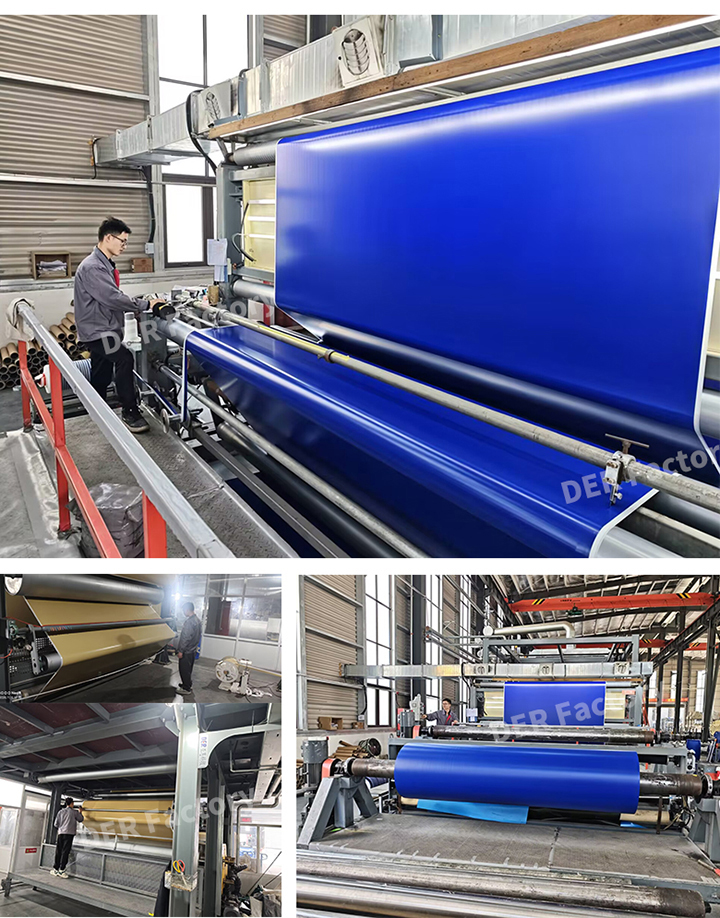
Longer Outdoor Tarp Life Starts with Care, Installation and Material Choice
A tarp lasts longer outdoors when it is kept clean, dried before storage, protected from sharp friction, tied down with balanced tension and repaired before small damage spreads. For repeated industrial exposure, the material should also match the job.
Control surface damage
Dirt, sand, salt and debris can work like abrasives. Regular cleaning helps protect the coating and makes inspection easier.
Reduce stress points
Many tarp failures start at corners, grommets and edges. Reinforced hems, webbing and even tie-down spacing help reduce tearing.
Choose outdoor-grade fabric
For long outdoor use, PVC coated polyester with UV, mildew and weather-resistant options is often more suitable than temporary covers.
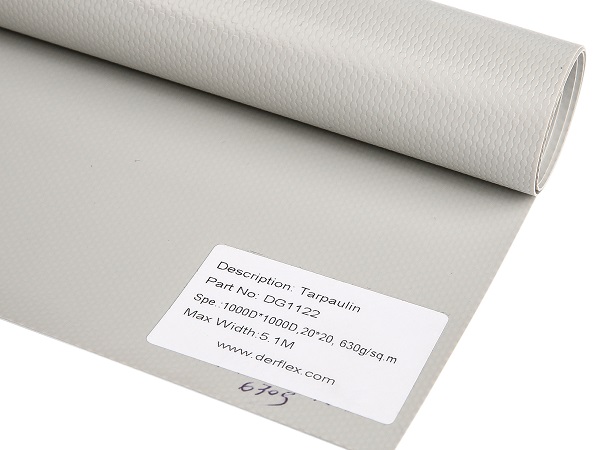
Outdoor Weather Is Only One Part of the Problem
Rain and sunlight matter, but early tarp failure is often caused by repeated handling, poor tie-down layout, sharp contact surfaces, wet storage and using a light-duty material in a heavy-duty environment.
- UV exposure can make low-grade materials brittle or faded over time.
- Wind can overload grommets when the tarp is loose or tied unevenly.
- Sharp edges on cargo, machinery or roof frames can cut the surface.
- Moisture trapped in folds can encourage mildew and coating breakdown.
- Dragging the tarp across rough ground can damage the coating quickly.
Six Factors That Shorten Tarp Lifespan Outdoors
Understanding these stress factors helps buyers choose the right material and helps users improve everyday tarp maintenance.
Continuous UV and heat exposure can affect color, flexibility and coating surface condition.
A loose tarp can flap repeatedly, increasing stress around seams, grommets and corners.
Contact with metal edges, concrete, timber or moving cargo can wear through coatings.
Pooled water adds weight and can stretch the tarp, especially when installation angle is poor.
Oil, fuel, salt, fertilizer or sharp debris may damage the surface if left uncleaned.
Folding a damp tarp can cause odor, mildew and coating issues during storage.
A temporary PE cover may not suit repeated industrial handling or permanent outdoor exposure.
Unreinforced hems or poorly placed grommets often fail before the main fabric does.
10 Practical Ways to Make a Tarp Last Longer Outdoors
These steps are written for distributors, fleet users, construction teams, agriculture buyers, equipment owners and OEM tarp brands that need repeatable tarp performance.
Select the right tarp before installation
Match the material to rain, sun, wind, abrasion and handling frequency. For repeated outdoor work, consider PVC coated polyester instead of a temporary cover.
Clean with mild soap and a soft brush
Remove dust, mud, salt and debris without harsh solvents. Rinse residue fully because leftover detergent can attract dirt.
Let the tarp dry completely
Before storage, dry the tarp on both sides and check seams, hems and reinforced corners where moisture may remain.
Roll when possible
Rolling reduces hard crease lines. If folding is necessary, avoid tight folds and do not place heavy objects on the same fold line for long periods.
Avoid direct contact with sharp edges
Use padding where the tarp touches steel frames, cargo corners, timber, machinery edges or rough roof structures.
Balance tie-down tension
Do not pull one corner much harder than the others. Even tension helps reduce ripping around grommets and seams.
Prevent water pooling
Install the tarp with slope or support so rainwater can run off. Standing water increases weight and can stretch the cover.
Inspect high-stress areas often
Check corners, grommets, webbing, straps, seams and welding lines before small damage spreads across the tarp.
Repair small damage early
Patch small cuts on a clean, dry surface. For PVC tarps, use compatible vinyl/PVC repair materials or heat-welding when suitable.
Store away from heat and contaminants
Keep stored tarps in a dry, ventilated area, away from direct sunlight, oil, solvents, rodents and sharp tools.
Which Tarp Material Usually Lasts Longer Outdoors?
No material fits every application. The right choice depends on exposure time, waterproof requirement, breathability, budget, handling frequency and whether the tarp needs welding or custom reinforcement.
| Tarp Type | Outdoor Strength | Good Fit | Limitations to Consider | DERFLEX View |
|---|---|---|---|---|
| PE / Poly Tarp | Useful for temporary covering | Short-term rain protection, light storage and temporary site use | May not suit repeated abrasion, long sun exposure or demanding tie-down stress | Practical for economy use, but not always the right choice for B2B long-term covers |
| Canvas Tarp | Breathable and traditional | Dry storage, breathable covers and some agricultural applications | Not usually selected when full waterproofing and welded seams are required | Useful where breathability matters more than waterproof welding |
| PVC / Vinyl Coated Polyester Tarp | Strong option for repeated outdoor use | Truck covers, construction tarps, agriculture storage, equipment covers, industrial tarps and OEM programs | Heavier than temporary PE tarps; specification should be matched to handling and installation | Recommended when buyers need waterproof performance, UV resistance, weldability and custom finishing |
| Mesh Tarp | Allows airflow | Shade, dust control, debris cover and applications that need ventilation | Not designed for full waterproof coverage | Useful as a shade or airflow cover, not a replacement for waterproof PVC tarp |
Longer Tarp Life Can Be Engineered Before the Tarp Is Made
Care matters, but for industrial buyers, the material structure and finishing design often decide whether the tarp performs well in real outdoor use.
Material engineering
DERFLEX supports PVC coated polyester tarpaulin material selection by weight, base fabric, coating, surface finish, UV requirement, flame-retardant option, cold resistance and application environment.
- Custom GSM and roll width options
- Glossy, matte, lacquered or printable surface
- UV, mildew, cold-resistant and flame-retardant options
- Roll goods, semi-finished panels or finished tarps
Reinforcement and OEM design
For finished outdoor tarps, edge design can be as important as the main fabric. DERFLEX can support reinforcement logic for high-stress field conditions.
- Welded hems and reinforced edges
- Grommet spacing and corner patch design
- Webbing, straps, rope pockets and D-rings
- Logo printing, private label and export packing
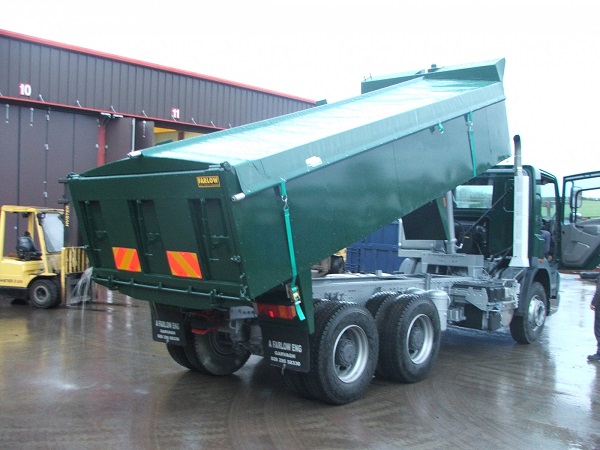
Recommended Outdoor Tarp Specification Logic
The following guide helps buyers discuss a practical tarp specification before requesting a quotation. Final selection should be based on real application details.
| Use Scenario | Common Buyer Focus | Possible DERFLEX Direction |
|---|---|---|
| Temporary site protection | Easy handling, waterproof coverage, cost control | Medium-weight PVC coated fabric, standard colors, simple hems and eyelets |
| Truck and trailer tarps | Tear strength, tie-down resistance, weather exposure, frequent folding | Heavy-duty PVC coated polyester, reinforced hems, webbing, grommet layout and logo options |
| Construction and agriculture covers | Rain, UV, dirt, abrasion, long outdoor exposure | UV-resistant PVC tarpaulin with stronger coating, suitable color and reinforced installation points |
| Equipment and machinery covers | Custom size, clean fit, edge protection, outdoor storage | Custom fabricated PVC tarp with tailored dimensions, straps, corner reinforcement and soft backing options when needed |
| OEM tarp brands and distributors | Stable repeat supply, private label, packaging, market-ready specifications | Roll material or finished tarp programs with custom color, label, carton, quality documentation and export coordination |
Outdoor Applications Where Tarp Lifespan Matters
DERFLEX serves buyers who need more than a disposable cover. The goal is a tarp structure that fits the exposure, installation method and commercial use cycle.
Truck and logistics covers
Flatbed tarps, trailer covers, cargo protection and fleet-use programs where waterproofing and tie-down strength are important.
Construction site tarps
Temporary roofing, scaffold covers, material protection and jobsite weather shielding with reinforced edges and custom sizes.
Agriculture and storage
Hay covers, grain protection, farm equipment covers and outdoor storage where rain and UV exposure must be considered.
Industrial equipment covers
Custom covers for machinery, generators, pallets, outdoor assets and manufacturing equipment exposed to dust and weather.
Warehouse and yard protection
Tarpaulin panels for pallet covering, flexible partitioning, temporary containment and loading-yard weather protection.
OEM and private label tarps
Custom tarp programs for importers, distributors and brands that need repeatable material, packaging and branding support.
What to Prepare Before Ordering Outdoor Tarps
- Application: truck cover, equipment cover, construction cover, agriculture storage or OEM product line.
- Size: finished dimensions, roll width, tolerance, hem width and installation direction.
- Outdoor exposure: sun, wind, rain, cold, chemicals, abrasion and expected service cycle.
- Reinforcement: grommets, webbing, straps, rope pocket, corner patches and tie-down spacing.
- Branding: color, printed logo, label, carton design and export packaging requirement.
- Order details: quantity, destination port, packing method and target delivery schedule.
Why Work with a Manufacturer for Long-Term Supply?
Generic retail tarps are convenient for simple one-time uses. For repeat outdoor projects, buyers often need control over material, coating, reinforcement, size tolerance, packaging and documentation. DERFLEX supports specification development for bulk orders, distributor programs and custom industrial applications.
- Material recommendation before production
- Custom roll goods, panels or finished tarps
- OEM colors, logos and private-label packaging
- Factory communication for repeatable export orders
Explore Materials and Tarp Programs
These pages support deeper comparison before selecting an outdoor tarp specification.
Questions About Making Outdoor Tarps Last Longer
Buyer-focused answers for outdoor tarp care, PVC tarp material selection and custom supply.
How do you make a tarp last longer outdoors?
Use a tarp matched to the job, keep it clean, avoid sharp contact points, install it with balanced tension, prevent water pooling, dry it fully before storage and repair small damage early.
Does a thicker tarp always last longer?
Not always. Thickness helps, but coating quality, base fabric strength, UV resistance, seam design, reinforcement and correct installation can be equally important.
What is the practical outdoor tarp material for industrial use?
For many industrial outdoor applications, PVC coated polyester is practical because it can be waterproof, UV-resistant, weldable, tear-resistant and customizable.
Should I wash a tarp before storing it?
Yes. Remove dirt and residue using mild soap and water, rinse thoroughly and let the tarp dry completely on both sides before storage.
Why do grommets tear out of tarps?
Grommets may fail when tension is uneven, spacing is too wide, the tarp flaps in wind, the edge is not reinforced or the tie-down method does not match the load.
Can small tarp holes be repaired?
Small holes or cuts can often be patched if the surface is clean and dry. For PVC tarps, use compatible PVC/vinyl repair materials or heat-welding when appropriate.
Can DERFLEX produce tarps with custom reinforcement?
Yes. DERFLEX can support reinforced hems, webbing, corner patches, grommet layouts, rope pockets, D-rings, straps, logo printing and private-label packaging.
How do I request a quotation from DERFLEX?
Send your application, size, material requirement, quantity, color, reinforcement design, packaging needs and destination. DERFLEX can recommend a practical specification for your outdoor tarp project.
Need Outdoor Tarps Built for Longer Service Life?
Tell DERFLEX your application, exposure conditions, size, target quantity and reinforcement needs. Our team can help you choose PVC tarpaulin roll material, semi-finished panels or finished custom tarps for long-term outdoor use.