


What Is a Tarpaulin? Meaning, Uses and Material Guide
A tarpaulin is a strong, flexible protective sheet used to cover, shelter, divide or protect goods, equipment and work areas from rain, dust, sunlight, abrasion and handling damage.
For industrial buyers, the important question is not only “what does tarpaulin mean?” The better question is: which tarpaulin material, weight, coating, finishing and fabrication method will work reliably in your real application?
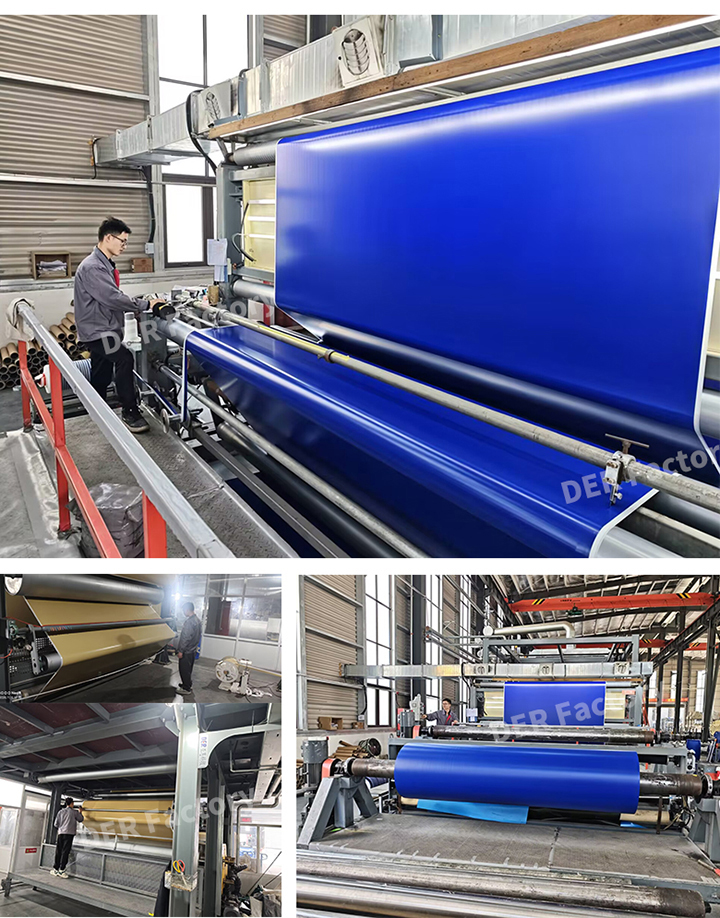
DERFLEX Tarpaulin Direction
DERFLEX supports PVC coated polyester tarpaulin material, tarpaulin rolls, cut panels and custom finished covers for B2B buyers, distributors, fabricators and OEM programs.
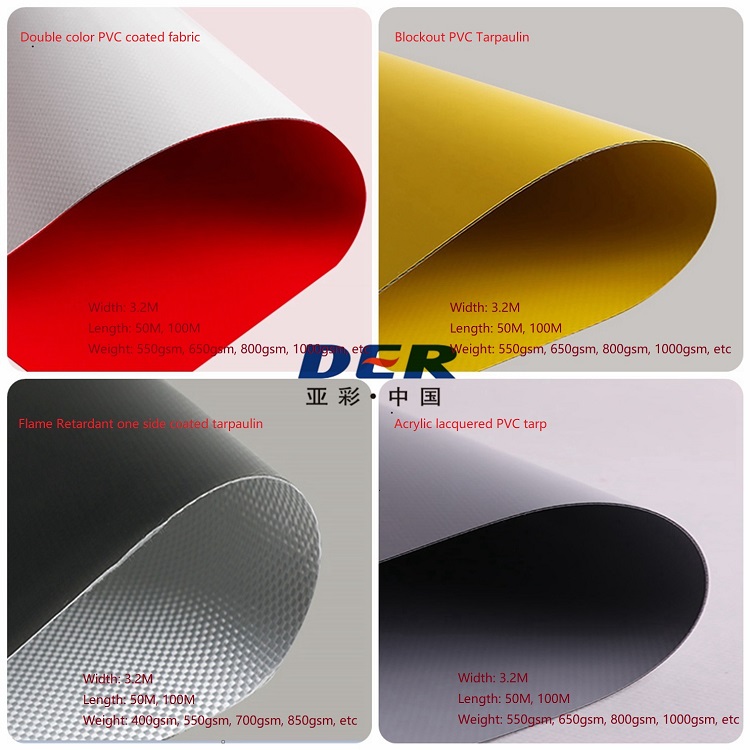
Tarpaulin Meaning: More Than a Plastic Cover
The word tarpaulin, often shortened to tarp, usually refers to a large sheet made from waterproof or water-resistant material. It may be made from PVC coated polyester, polyethylene, canvas, mesh or other coated textile structures.
In consumer use, tarpaulin may simply mean a cover for a garden, roof, camping area or household storage. In B2B purchasing, the meaning is more technical. A tarpaulin becomes a protective system that must be strong enough for the load, flexible enough for installation, stable enough for weather exposure and suitable for welding, sewing, eyelets, webbing or custom finishing.
What Is a Tarpaulin Made Of?
Most tarpaulins look simple from the outside, but performance comes from the full structure: base fabric, coating or lamination, surface treatment and finished fabrication.
Base Fabric
The base fabric gives the tarpaulin its tensile strength, tear resistance and dimensional stability. Common choices include polyester scrim, woven polyethylene, canvas or specialty reinforcement.
Coating or Lamination
PVC coating, PE lamination, PU coating or other surface structures provide waterproofing, abrasion resistance, color, weldability and outdoor performance.
Finished Design
Hems, welded seams, eyelets, D-rings, rope-in-hem, corner patches, webbing, straps and printing turn a roll material into a usable finished cover.
PVC, PE, Canvas and Mesh Tarpaulin Materials
Each tarpaulin material has a different balance of strength, handling, cost, service environment and fabrication method.
| Material Type | Typical Structure | Where It Works Well | Buyer Notes |
|---|---|---|---|
| PVC coated polyester tarpaulin | Polyester base fabric coated or laminated with PVC on one or both sides. | Truck covers, industrial tarps, construction covers, equipment protection, tents, warehouse curtains and OEM heavy duty programs. | Often selected when buyers need stronger waterproofing, weldability, abrasion resistance and custom finishing. |
| PE tarpaulin | Woven polyethylene fabric with laminated plastic layers. | Temporary covers, household use, light storage, short-term protection and price-sensitive projects. | Lightweight and easy to handle. Confirm UV exposure, thickness and expected replacement cycle before bulk purchase. |
| Canvas tarpaulin | Cotton or blended canvas, sometimes treated for water resistance. | Breathable covers, painting protection, agriculture, equipment shade and applications where airflow matters. | Canvas may absorb moisture if untreated. It is not always the right direction for sealed waterproof protection. |
| Mesh tarpaulin | Open-weave or coated mesh fabric allowing controlled airflow and partial visibility. | Shade, wind reduction, dump truck covers, landscaping, fencing, nursery use and privacy screens. | Useful when wind pressure needs to be reduced. Not designed as a fully waterproof barrier. |
| Special coated technical fabrics | PVC, TPU or other engineered coatings with application-specific formulation. | Inflatables, air structures, liquid bladders, oil containment, medical cushions and custom industrial systems. | Specification should be confirmed by welding method, air tightness, chemical exposure and project testing. |
When to Choose PVC Tarpaulin
Choose PVC coated polyester tarpaulin when the cover needs stronger tear resistance, stable waterproofing, repeated outdoor use, heat welding or high-frequency welding, custom reinforcement and professional appearance.
When to Choose PE Tarpaulin
Choose PE tarpaulin for temporary, lightweight or cost-sensitive coverage where the stress level is moderate and the replacement cycle is acceptable.
When to Choose Canvas or Mesh
Choose canvas when breathability and natural fabric behavior matter. Choose mesh when shade, airflow, visibility or wind reduction is more important than sealed waterproof protection.
What Are Tarpaulins Used For?
Tarpaulins are used wherever flexible protection is needed. The correct specification depends on exposure time, weather, handling method, size, fastening and safety requirements.
Transport & Logistics
Truck tarps, flatbed covers, trailer covers, dump truck roll tarps and side curtain fabrics protect cargo from rain, dust, sunlight and road spray during transport.
Construction & Jobsite Protection
Tarpaulins cover building materials, scaffolding, temporary roofing, ground areas and machinery where waterproofing, tear strength and reinforced fastening are important.
Agriculture & Outdoor Storage
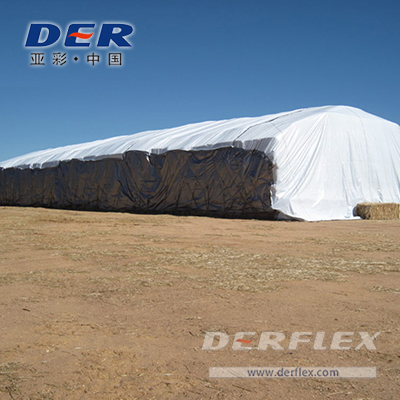
Farm tarps, hay covers, feed storage covers and equipment protection tarps need weather resistance, UV direction and practical handling for seasonal use.
Industrial Covers
Factories and warehouses use tarpaulins for equipment covers, machinery protection, temporary partitions, loading areas, dust control and custom protective covers.
Marine, Canopy & Outdoor Shelter
Boat covers, canopy replacement covers, awnings, temporary shelters and camping covers require waterproofing, flexibility, color stability and seam design.
OEM and Private-Label Programs
Distributors and brands use tarpaulin roll goods or finished tarps with custom colors, logo printing, packaging, labels, folded sizes and repeatable bulk supply.
How to Choose Tarpaulin Specifications
Professional tarpaulin buying should start from use environment, not only color or price. The checklist below helps reduce wrong material selection.
Material Weight / GSM
Light materials are easier to handle. Heavier PVC coated polyester is usually selected for transport, industrial covers and repeated outdoor use.
Base Fabric Strength
Confirm denier, yarn density, tensile strength and tear strength when the tarp will be pulled, tied down or exposed to wind load.
Waterproofing and Seam Method
Material waterproofing is only one part. Welded seams, hem construction and edge reinforcement also affect finished cover performance.
UV and Weather Direction
Outdoor tarpaulins should be reviewed for sunlight exposure, temperature range, mildew direction, aging resistance and cleaning requirements.
Fabrication Method
Check whether the tarpaulin will be sewn, hot-air welded, high-frequency welded, heat sealed, printed, folded or cut in local production.
Hardware Layout
Eyelet spacing, D-rings, webbing, straps, reinforced corners and rope-in-hem should match the installation method and tension points.
Tarpaulin Support from Material Roll to Finished Cover
DERFLEX focuses on coated fabric solutions for industrial and commercial buyers who need practical material selection, customization and export-ready supply.
Material Engineering
DERFLEX can discuss PVC coated polyester, laminated structures, surface texture, coating direction, UV, FR, anti-mildew and other project-oriented directions after requirements are confirmed.
Fabrication Awareness
Tarpaulin material can be reviewed according to later processing, such as hot-air welding, high-frequency welding, sewing, eyelet punching, printing or panel cutting.
OEM Customization
Custom color, width, GSM, roll length, surface finish, embossing, logo printing, hem design, reinforcement and private-label packaging can be discussed for repeat programs.
How B2B Buyers Can Specify a Tarpaulin Project
Clear information helps the supplier recommend a practical structure instead of guessing from a general product name.
Define Use
Truck cover, construction cover, hay tarp, equipment cover, canopy, roll material, OEM product or another application.
Confirm Conditions
Outdoor exposure, wind, rain, abrasion, temperature, cleaning, folding frequency and expected service direction.
Select Structure
Choose PVC, PE, canvas, mesh or technical coated fabric based on strength, waterproofing, breathability and fabrication method.
Finalize Details
Size, roll width, GSM, color, finish, seam method, grommet spacing, printing, packing, quantity and delivery plan.
Explore Tarpaulin Materials, Covers and Roll Supply
These related pages help buyers move from general understanding to specific tarpaulin material or application selection.
 Custom Tarpaulin Supply
Need Help Choosing a Tarpaulin Material?
Send your application, size, target GSM, color, quantity, finishing method, reinforcement requirement, packaging plan and destination market. DERFLEX can help review the specification direction for tarpaulin roll supply, cut panels or finished custom covers.
Useful details for quotation
- Application and working environment
- Finished size or roll width and length
- Material type, target GSM and color
- Welding, sewing, eyelet or webbing needs
- Logo printing, label and packing plan
- Order quantity and destination port
Tarpaulin Meaning, Uses and Material FAQ
Common questions from buyers comparing tarpaulin, tarp, PVC tarp, PE tarp and custom industrial covers.
What is a tarpaulin?
A tarpaulin is a large flexible sheet used to protect, cover, shelter or divide objects and work areas. It is commonly made from waterproof or water-resistant materials such as PVC coated polyester, polyethylene, canvas or mesh fabric.
Is tarpaulin the same as tarp?
Yes. In most markets, tarp is the shortened form of tarpaulin. Industrial buyers usually use both terms when discussing waterproof covers, truck tarps, tarpaulin rolls, tarpaulin sheets or custom finished covers.
Which tarpaulin material is suitable for heavy duty use?
PVC coated polyester tarpaulin is often selected for heavy duty use because it offers a practical balance of waterproofing, tensile strength, tear resistance, abrasion resistance and weldable fabrication. The final choice should match the application and environment.
Is every tarpaulin waterproof?
No. Some tarpaulins are waterproof, some are water-resistant, and some are designed for airflow or shade instead of sealed protection. Material type, coating, seams and finished fabrication all affect waterproof performance.
What GSM tarpaulin should I choose?
Lightweight tarpaulins are easier to handle for temporary use. Heavier structures are usually used for truck covers, industrial covers and repeated outdoor use. Buyers should confirm size, tension, wind exposure, handling frequency and expected service direction before selecting GSM.
Can tarpaulin be custom made?
Yes. Tarpaulin can be supplied as roll material, cut panels or finished custom covers. Common options include custom size, color, thickness, GSM, surface finish, reinforced edges, grommets, D-rings, webbing, logo printing and private-label packaging.
What information should I send for a tarpaulin quote?
Send the application, size, quantity, target material, GSM, color, finishing method, edge reinforcement, eyelet spacing, printing, packaging and destination market. Photos or drawings are helpful when replacing an existing tarp.
Build Your Tarpaulin Specification with DERFLEX
From basic meaning to material selection, the right tarpaulin decision depends on application details. DERFLEX can support B2B buyers with PVC coated polyester fabric, tarpaulin rolls, custom finished covers and OEM packaging directions.