Drag and slide zones
Common on truck decks, warehouse floors and construction materials. Focus on coating durability, suitable surface finish and sufficient total structure.




For covers that are dragged, folded, tensioned, loaded and handled repeatedly—not merely exposed to rain.
DERFLEX supplies PVC coated polyester roll goods, cut panels and finished abrasion resistant tarps for transportation, construction, mining, machinery protection, industrial storage and OEM programs. Material weight, scrim, coating route, edge reinforcement and hardware are matched to the points where wear actually begins.
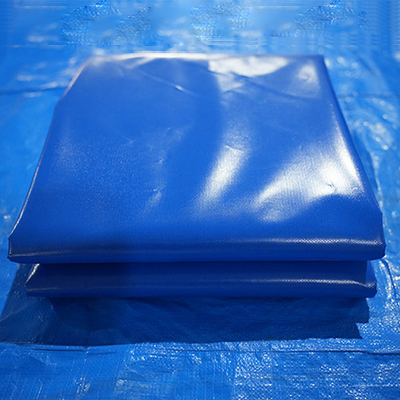
An abrasion resistant tarp is designed to slow surface wear caused by rubbing, sliding, repeated folding and contact with rough materials. In industrial use, the first visible scuff is rarely the only concern. Coating loss can expose the textile base, weaken waterproof performance and create a starting point for tears.
That is why a useful specification considers the complete system: polyester scrim, PVC coating weight, surface finish, seam method, hem reinforcement, tie-down layout and the geometry of the covered load. A heavy tarp with weak edges can fail earlier than a correctly reinforced, application-matched cover.
Identifying the dominant wear mechanism helps prevent over-specifying the whole tarp while under-protecting the critical areas.
Common on truck decks, warehouse floors and construction materials. Focus on coating durability, suitable surface finish and sufficient total structure.
Steel corners, timber edges and machinery profiles create localized pressure. Corner pads, sacrificial layers or added panels may be more effective than weight alone.
Daily opening and closing repeatedly bends the same areas. Flexibility, coating adhesion and low-temperature handling should be reviewed together.
Wind load and tie-down force concentrate at edges. Webbing, hem width, grommet spacing and D-ring backing influence finished-cover durability.
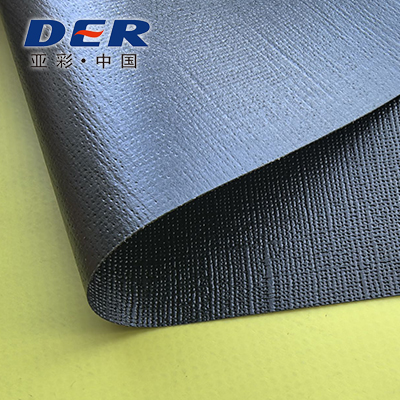
DERFLEX can adjust the material and fabrication route around the buyer’s handling pattern, finished size and downstream process.
PVC coating contributes waterproofing, cleanability, weldability and surface protection. Coating weight and finish should reflect contact severity rather than appearance alone.
Yarn denier, density and weave influence tensile stability and tear behavior. The base cloth carries mechanical load after the surface is stressed.
Webbing, corner patches, wear strips, doubled hems and sacrificial panels can protect high-contact or high-tension areas without making every section equally heavy.
Hot-air or high-frequency welding, sewing, grommets, ropes and D-rings must transfer force into the tarp body without creating an early tear point.
The ranges below are sourcing directions, not a universal performance guarantee. Final values depend on construction, test method, production feasibility and confirmed sample.
| Product direction | Abrasion resistant tarps, heavy duty PVC tarps, wear-resistant tarpaulin rolls, custom industrial covers and reinforced vinyl tarp assemblies. |
|---|---|
| Material structure | High-strength polyester base fabric with PVC coating or laminated PVC structure selected for the required balance of durability, flexibility and budget. |
| Common weight direction | Approximately 550–1200 gsm+ for many heavy-duty and industrial programs; lighter or heavier constructions can be discussed according to use and order requirements. |
| Base fabric options | 840D, 1000D, 1100D, 1300D and customized yarn or density structures, subject to target tensile, tear and handling performance. |
| Thickness direction | Common project discussion from approximately 0.50 mm to 1.20 mm+; thickness alone should not be used as the only durability criterion. |
| Surface options | Glossy, matte, semi-matte, embossed or lacquered directions; final finish should be checked for welding, cleaning, printability and contact behavior. |
| Optional treatments | UV, cold-resistance, anti-mildew, flame-retardant and other project-specific directions can be reviewed. Chemical or oil exposure must be disclosed for compatibility assessment. |
| Finished fabrication | Welded seams, sewn details, reinforced hems, webbing, grommets, D-rings, ropes, pockets, corner pads, wear strips and custom cut patterns. |
| Supply format | Roll goods, cut panels, welded sheets, semi-finished components or finished tarps with OEM label and export packaging support. |
The same “heavy duty” label can describe very different working conditions. This matrix helps buyers organize the specification conversation.
Each tarp material has a practical role. The right choice depends on reuse, weather exposure, breathability, fabrication and the severity of surface contact.
A lightweight and economical choice for general protection, short-term use and easier manual handling.
A common direction when buyers need waterproofing, weldability, tear support and stronger surface durability in one material system.
Useful where airflow and reduced condensation are more important than a fully sealed waterproof barrier.
For OEM, distribution and project orders, DERFLEX can coordinate material, fabrication and packing around a confirmed requirement.
Define contact surfaces, movement cycles, load edges, exposure and required service pattern.
Review scrim, coating route, weight, finish, reinforcement and fabrication compatibility.
Check appearance, handling, welding, hardware layout and agreed test requirements before bulk production.
Coordinate roll goods or finished fabrication, in-process checks, dimensions and packing marks.
Record the approved specification for repeat orders, SKU planning, OEM labels and shipment coordination.
A clear request reduces back-and-forth and helps distinguish material requirements from finished-cover requirements.
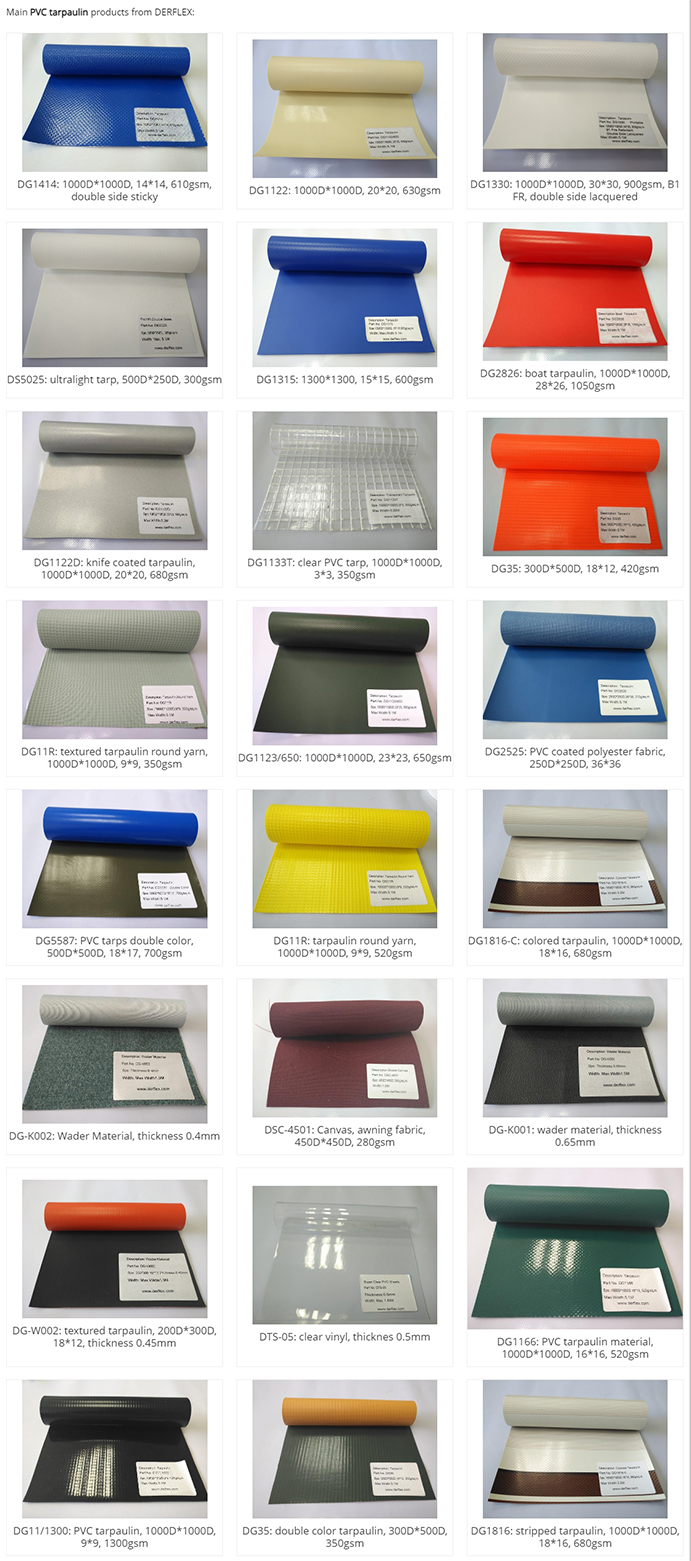
Six related pages connect abrasion resistance with PVC construction, heavy-duty grades, truck applications and coated-fabric sourcing.
Waterproof PVC coated polyester material for custom rolls, panels and finished covers.
Finished cover directionIndustrial vinyl tarp solutions for weather protection and repeated outdoor use.
Higher structure rangeHeavier tarpaulin directions for demanding projects and reinforced protection systems.
TransportationPVC truck tarp materials and custom cargo-cover options for transport fleets and fabricators.
Coated tarp categoryCoated tarp construction for stronger tear, edge and outdoor performance requirements.
Factory sourcingCustom coated-fabric roll supply for industrial converters, OEM brands and project buyers.
Technical answers should be confirmed against the final specification, sample and intended use.
Abrasion resistance comes from the combined structure: durable PVC surface, suitable coating weight, reinforced polyester scrim, good coating adhesion and correctly designed wear zones. Finished-cover details such as hems, patches and hardware also affect how the tarp performs during repeated use.
No. Thickness can contribute to durability, but it does not describe yarn strength, weave density, coating adhesion, surface finish or reinforcement. A useful comparison should review the complete construction and the intended contact conditions.
PVC coated polyester is commonly selected because it combines waterproofing, weldability, mechanical support and customizable surface construction. The correct GSM, scrim and coating route depend on the application.
Abrasion resistance concerns gradual surface wear from rubbing or sliding. Tear resistance concerns the material’s ability to resist a rip that starts from a cut, puncture or concentrated stress point. Industrial tarps often need both properties.
Yes. Depending on design and production feasibility, a finished tarp can use wear strips, doubled layers, corner pads, webbing, reinforced hems or additional backing around hardware. Local reinforcement can be more efficient than increasing the weight of the entire tarp.
The PVC coated or laminated surface is designed to provide waterproof protection. The water performance of a finished tarp also depends on seam construction, welding, holes, hardware and installation.
Project-specific flame-retardant, cold-resistance, UV and anti-mildew directions can be reviewed. The target market, test standard, application and required documentation should be stated before sampling.
DERFLEX can discuss roll goods for converters, cut or welded panels, semi-finished components and finished custom tarps with reinforcement, hardware, labels and export packing.
Reduce avoidable dragging, pad sharp edges, distribute tie-down force, clean with mild soap and water, dry before long storage and repair small damage before it expands under tension. Maintenance requirements should follow the confirmed material and use environment.
Send the application, finished size, quantity, handling frequency, contact surface, expected weather exposure, target weight or thickness, color, reinforcement, hardware, packing and destination. DERFLEX can then review a suitable supply direction.
Send DERFLEX your application, contact surfaces, handling cycle, finished dimensions, reinforcement plan and order quantity for an application-based material review.
Product ranges and optional properties are subject to application review, sample confirmation, production feasibility and agreed test methods. Images are DERFLEX website materials and are shown for product reference.