Inner vs Outer Membrane
Inner layers prioritize gas barrier, chemical compatibility, flexibility and seam reliability. Outer layers prioritize UV exposure, weathering, tensile performance and surface durability.



Biogas membrane price cannot be compared accurately from one number alone. The cost changes with membrane role, coating system, fabric weight, gas-permeability requirement, H?S and condensate exposure, UV protection, flame-retardant or anti-static requirements, roll width, fabrication scope and order quantity. DERFLEX supplies project-specific PVC coated, PVC/PVDF surface-coated and selected TPU membrane directions for biogas holders, digester covers and flexible gas storage systems.
Public supplier listings reviewed in August 2026 show examples around US$0.75–5.00/m2 for some 1250–1600 gsm PVC biogas membrane products. That is only a market reference, not a DERFLEX quotation and not a specification-equivalent benchmark. A gas-tight inner membrane, a PVDF weather-exposed outer membrane, and a fully fabricated gas-holder panel can have very different costs even when the quoted area is identical.
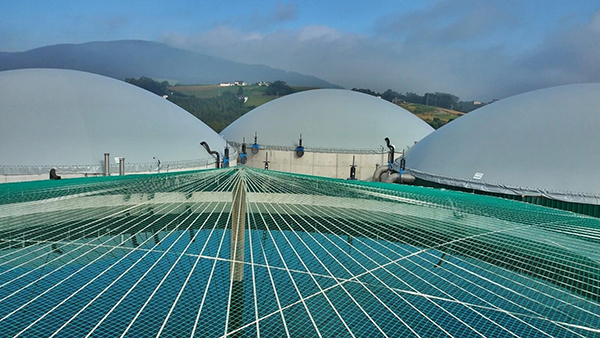
Price searches are unusually confusing because the same phrase is used for different products. Some search results refer to HDPE geomembrane used to line a digester or lagoon. Others refer to hollow-fiber membranes used to separate CO? from methane during biogas upgrading. DERFLEX focuses here on reinforced flexible membrane fabric used for gas holders, gas storage domes and digester covers.
If you need the broader material overview first, review the DERFLEX biogas membrane material page. Buyers sourcing double-membrane storage systems can also review the dedicated biogas holder membrane guide before comparing price.
A price is only comparable when the membrane role, base fabric, coating, performance requirement, test method, roll width and supply scope are comparable.
The quotation should be built from the membrane's working conditions, not from a generic weight category.
Inner layers prioritize gas barrier, chemical compatibility, flexibility and seam reliability. Outer layers prioritize UV exposure, weathering, tensile performance and surface durability.
PVC is a common cost-effective coated textile direction. PVDF surface options add weathering and cleanability value for exposed membranes. TPU may be considered for selected chemical or flexibility requirements.
Higher GSM can increase material usage, but two fabrics with the same GSM can still differ in yarn strength, weave, coating balance and final performance.
“Gas-tight” should be converted into a defined gas, test method, unit and acceptance value. Tighter barrier requirements can require different formulations and quality control.
Biogas chemistry affects coating selection. Hydrogen sulfide, moisture, ammonia and condensate should be considered before the supplier freezes a material grade.
Outdoor outer membranes may need upgraded UV stabilization, lacquer or PVDF surface direction, especially where long-term appearance and weather resistance matter.
Flame-retardant, anti-static, anti-mildew, anti-wicking or market-specific requirements can change formulation, testing and production cost.
Usable width affects seam count, cutting layout, welding time and material utilization. A lower price per square meter can become less attractive if fabrication generates more seams or waste.
Roll material, cut panels and fully welded membrane sections are different supply scopes. Welding, reinforcement, fittings, packing and inspection must be separated in quote comparison.
Order volume, roll configuration, export packing, Incoterm, destination and shipment method affect landed cost even when the ex-factory membrane price stays unchanged.
Use relative positioning to shortlist a material direction before asking for the final commercial quote.
See the dedicated inner membrane for biogas holder page for layer-specific selection logic.
Review DERFLEX outer membrane material when the exposed shell is the main requirement.
For this option, compare the dedicated PVDF biogas membrane direction.
The purchase price of the roll is only one part of the installed membrane cost.
The formula is intentionally simple. The actual weight of each item depends on holder geometry, seam layout, roll width, membrane layer, installation method and the buyer's quality requirements. A wide roll that reduces seams, for example, may improve fabrication efficiency even when the raw $/m2 is not the lowest.
| Quotation item | Quote A | Quote B | What to verify |
|---|---|---|---|
| Membrane role | “Biogas membrane” | Inner gas-contact membrane | Do both suppliers understand the same layer duty? |
| Coating | PVC | PVC with defined gas-barrier / surface direction | Is the coating selected for gas chemistry and fabrication? |
| Gas permeability | “Gas-tight” | Test method and acceptance value specified | Undefined claims are difficult to compare. |
| Welding | Not stated | Approved welding method / sample trial | Seam behavior can affect production efficiency and field risk. |
| Width | Standard roll | Width matched to panel layout | Fewer seams can change total fabrication cost. |
| Supply scope | Roll goods only | Roll goods + inspection / packaging requirement | Confirm exactly what the quoted price includes. |
The fastest way to receive a useful quotation is to send the project conditions that actually drive material selection. If some data are not available yet, DERFLEX can still discuss a material direction, but the final grade should be confirmed after the engineering requirements are clear.
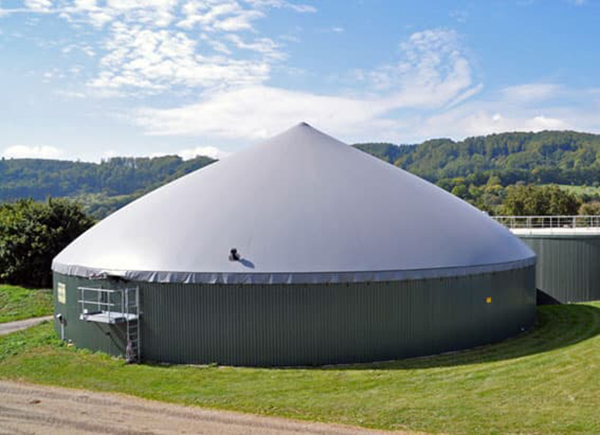
A lower unit price is not a saving if the specification, fabrication scope or test requirement is incomplete.
GSM shows mass per area, not gas permeability, tensile performance, coating quality, chemical resistance or seam behavior. Use it as one specification item, not the entire specification.
HDPE geomembrane for pond or digester lining is a different product class from reinforced PVC/PVDF coated textile used for flexible gas holders.
Inner and outer membranes do different jobs. One universal grade can over-specify one layer while under-specifying another.
Panel layout and seam count affect labor, reliability and material utilization. Ask the fabricator how roll width changes the finished cost.
Public listings can be useful for orientation, but they may exclude the exact coating, test package, width, custom color, fabrication, export packing or freight required by your project.
Incoterm, packaging, shipment mode, destination charges and project timing can change the economic result after the material leaves the factory.
Instead of quoting one generic sheet, the material direction is matched to the job each membrane layer has to perform.
These six verified DERFLEX pages cover the material choices that most directly affect gas holder membrane price.
Practical answers for EPC teams, gas-holder manufacturers, membrane fabricators and procurement managers.
There is no universal price because “biogas membrane” covers different materials and supply scopes. Public supplier listings reviewed in August 2026 show examples around US$0.75–5.00/m2 for some 1250–1600 gsm PVC biogas membrane products, but that range is not a DERFLEX offer and cannot replace a specification-based quotation. Gas permeability, coating, membrane layer, PVDF surface, testing, fabrication and quantity can materially change the price.
The suppliers may be quoting different membrane roles, base fabrics, coating systems, gas-permeability requirements, surface treatments, widths, test packages or fabrication scopes. Ask both suppliers to quote against the same written specification before comparing $/m2.
A PVDF surface direction usually introduces additional material and process requirements, so the commercial comparison should consider both initial cost and the value of improved outdoor surface durability, weather resistance and cleanability. Final pricing depends on the exact construction and project volume.
Not necessarily. The inner layer is selected around gas barrier, chemical exposure, flexibility and seam reliability, while the outer layer is selected around UV, weathering, mechanical strength and surface durability. Different requirements can lead to different membrane constructions and prices.
Only if the quotation explicitly says so. Roll goods, cut panels, welded membrane sections and complete gas-holder systems are different scopes. Confirm whether cutting, welding, reinforcement, fittings, inspection, packaging and freight are included.
No. HDPE liner is generally used for containment and lining applications, while reinforced coated gas-holder membrane is a technical textile that must combine gas barrier behavior, tensile reinforcement, flexing and weldability. The products should not be compared only by square-meter price.
Send the system type, membrane role, dimensions, gas storage volume, pressure range, gas composition and H?S level if known, climate, wind and snow conditions, required gas permeability or other tests, welding method, roll width, color, quantity, destination and any drawings or existing material specification.
DERFLEX can discuss roll goods and custom membrane material directions according to project requirements. Custom options can include base fabric, GSM, coating direction, color, roll width, surface treatment, welding compatibility, packaging and repeat-supply specifications.
Send DERFLEX the membrane layer, system type, dimensions, gas conditions, pressure range, performance requirements, welding method, quantity and delivery destination. The quotation can then be matched to the actual material scope rather than a generic $/m2 number.
Market-price references on this page are provided only for procurement orientation and were reviewed in August 2026. They are not DERFLEX list prices, offers or guaranteed future market ranges. Final product suitability, compliance requirements and technical values must be confirmed against the approved project specification.