


 Technical materials / buying guides
How to Choose a Commercial Tent Manufacturer
Choosing a commercial tent manufacturer begins with knowing whether the order is for coated fabric rolls, welded panels, replacement covers or a complete engineered tent system. Those products demand different drawings, tests and acceptance checks. This buyer guide helps importers, rental companies, tent brands and project procurement teams compare suppliers fairly: identify the real manufacturing scope, request a revision-controlled bill of materials, inspect fabric and processing traceability, approve representative samples and define contract responsibilities. DERFLEX’s material and customization resources can support a specification-led discussion, while structure engineering, installation and project permits require separately assigned accountability.
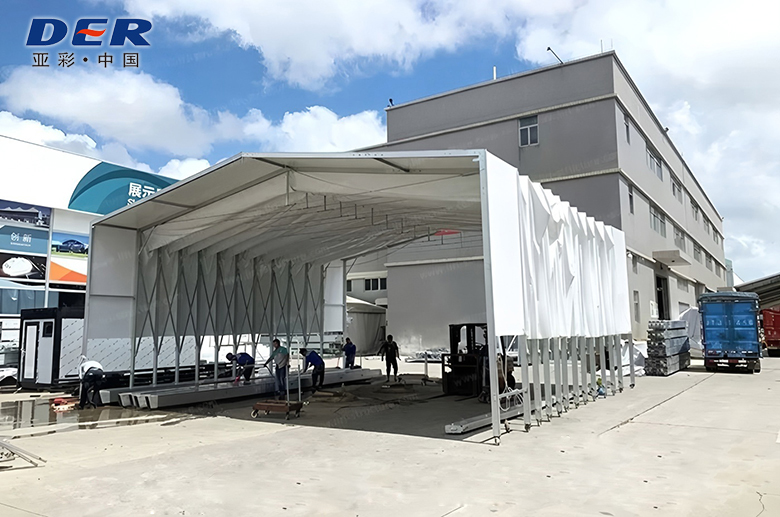
Define the supplier type before assessing capability.
A supplier of coated textile rolls and a manufacturer of engineered frame-and-cover systems can both be valuable, but the evidence and responsibilities are different.
| Buying level | What must be quoted | Acceptance evidence |
|---|---|---|
| Coated fabric rolls | Material construction, width, length, color, finish, performance requirements | Approved swatch, lot identity, TDS and relevant tests |
| Cut and joined textile panels | Pattern, seams, edge reinforcement, tolerances, unit labels | Controlled drawings, sample assembly and seam checks |
| Replacement roof / Keder panels | Rail fit, beading, panel dimensions, attachments | Existing reference panel, trial fit and edge sample |
| Full tent system | Fabric plus frame, anchorage, accessories and documentation | Engineering drawings, load basis, full BOM and designated approvals |
| Installed hospitality package | System plus room layers, utilities, flooring, fitting and site work | Responsibility matrix, project plans and site approvals |
DERFLEX publishes a PVC tent fabric supply guide and a separate tent fabricator procurement resource; request written scope confirmation for every fabricated or full-system component.
A photograph is not a technical specification.
For comparable bids, supply one controlled package and require each bidder to return exceptions.
Drawings with revision
Plan, section, size, bay, eave and ridge, openings, membrane panel geometry, structural connections and engineering basis where relevant.
Material schedule
PVC-coated fabric grade, base textile, color, coatings, clear films, linings, reinforcement, Keder bead and fastener interfaces.
Bill of materials
Every frame member, bracket, anchor, fabric panel, curtain, zipper, fitting, packing unit and optional accessory.
Responsibility matrix
Names who performs design, calculation, manufacturing, laboratory testing, installation, inspection, permits and warranty service.
Use the commercial tent quotation checklist to normalize price comparisons rather than comparing prices for unequal packages.
Audit the process and the order trail.
The following is a buyer-owned evaluation framework. It does not represent a claim about DERFLEX machinery, patents, factory output or certifications.
| Checkpoint | Ask the supplier to show | Concern to investigate |
|---|---|---|
| Business identity and site | Registered entity, actual production address, outsourced stages | Trading entity presented as sole manufacturer without explanation |
| Incoming fabric and components | Supplier grade, incoming QC, roll / batch trace | Material can be substituted without approval |
| Cutting and welding | Equipment/process suitability and sample seam qualification | Only cosmetic checks, no documented seam acceptance |
| Hardware and Keder fit | Physical rail/bead sample and dimension check | Bead size asserted by nominal diameter only |
| Change control | Signed drawing/BOM revisions and discrepancy process | Silent substitutions after sample approval |
| Fire and material reports | Complete relevant reports tied to the offered construction | Unrelated product code or cropped pass image |
| Final inspection and packing | Dimensional checks, labels, quantities and damage prevention | Cartons cannot be matched to the installation plan |
| After-sales route | Spare part ID, defects process, repair / replacement scope | No responsible party for fit issues or shipment claims |
For technically demanding membrane interfaces, consult the Keder replacement panel checks and tent fabric test report review.
Approve the same configuration that will be produced.
A production sample is a decision document. It should capture construction, critical measurements, labels and the approved process—not just the appearance.
Gate 1 · Specification
Record scope, environmental design basis, material identity and authority requirements. Reject ambiguities before tooling.
Gate 2 · Representative sample
Measure fit and seam/edge details; use production-representative material, process and hardware. Record any approved deviations.
Gate 3 · Pilot or first article
Review dimensions, assembly sequence, packaging, spare parts and installation interfaces; retain an accepted reference.
Gate 4 · Shipment control
Agree inspection evidence, traceable units, packaging, exception sign-off and responsibility for site issues.
When commissioning a full structure, the responsible engineer must validate loads, foundations and local compliance. A successful fabric sample or showroom model is not structural certification.
Use a simple evidence-based sourcing score.
Give each criterion 0 for absent, 1 for partial or unverified, and 2 for complete evidence. Do not allow a high total to override critical safety or supply-scope gaps.
| Decision area | Evidence threshold for 2 points |
|---|---|
| Supply responsibility | A signed scope table names each supplied/excluded item |
| Product definition | Controlled model drawing and itemized BOM |
| Materials and traceability | Approved construction, lot records and change procedure |
| Process and sample | Representative sample and agreed acceptance procedure |
| Fire / engineering evidence | Applicable reports and named professional/authority approval route |
| Delivery and support | Packing plan, lead-time basis, spare parts and defects process |
The 0–12 score is an internal buyer worksheet, not an independent supplier rating. Stop procurement if a critical compliance obligation, engineering owner or material identity is unresolved.
For custom cover manufacturing requirements, see how to customize a PVC tent tarpaulin; for complete tent context, visit the commercial tent sourcing hub.
Material and application references
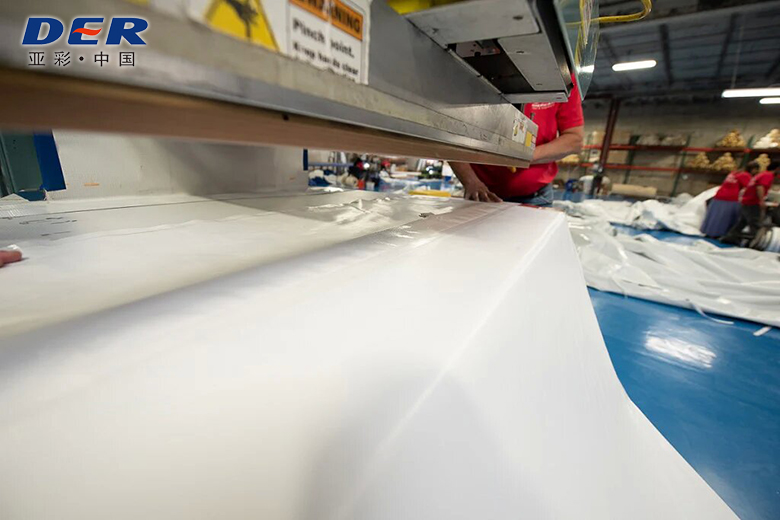
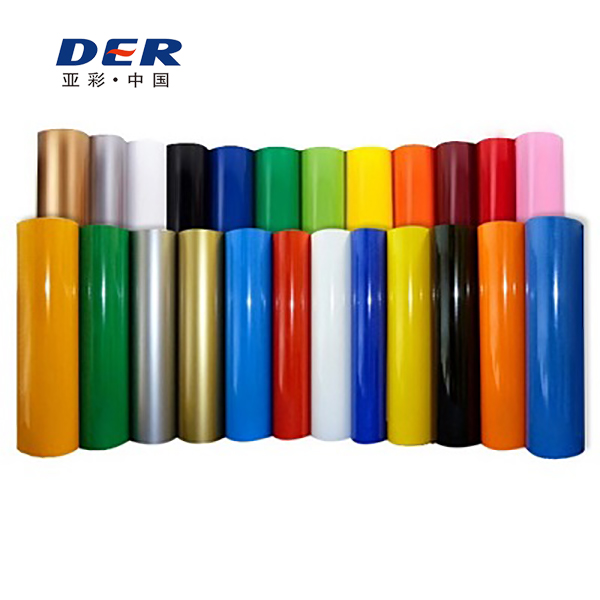
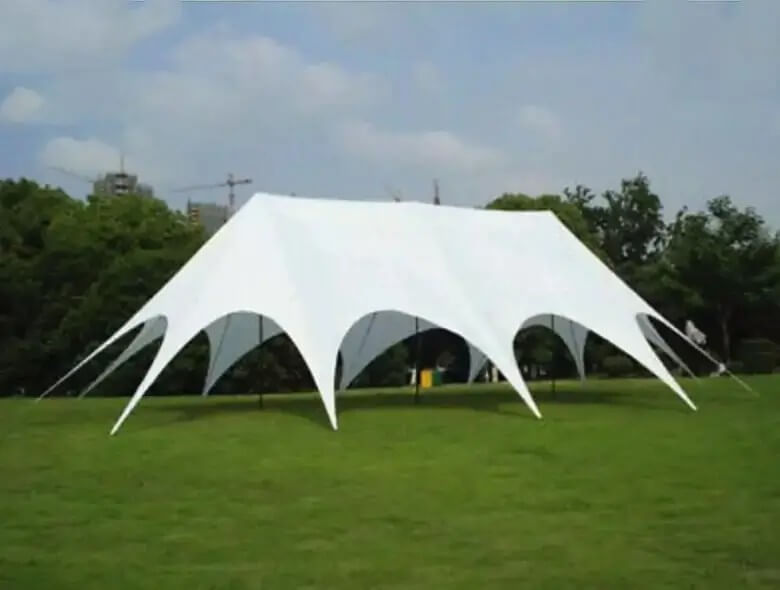
These images are real assets currently used on DERFLEX pages. Concept imagery is explicitly identified; imagery cannot prove model availability, engineering performance or an approved project.
Frequently asked questions
Practical answers to the questions that often hold up a purchase or maintenance decision.
How do I verify whether a supplier makes complete tents or only tent fabric?
Ask for a written manufacturing and supply scope. Separate coated fabric rolls, cutting and welding, fabricated covers, Keder sections, frames, anchors, accessories and full installation. Verify actual production locations and outsourced operations with supporting evidence.
What documents should I request during a commercial tent supplier audit?
Request legal entity and site details, relevant product drawings, a bill of materials, material specifications, traceability records, applicable lab reports, process/inspection plan, a representative sample and shipment acceptance criteria.
Does ISO 9001 certification prove a particular tent is compliant?
No. A quality-management certificate concerns a stated management-system scope; it does not certify the structure, fabric fire performance, wind resistance or installation. Check genuine certification and each product or system requirement separately.
How do buyers evaluate OEM tent samples before bulk production?
Approve a drawing revision, bill of materials, material swatches and critical dimensions; inspect representative seam, edge, hardware and packing details; agree on test methods and measurable acceptance criteria before authorizing production.
What is the risk of accepting a tent fabric fire certificate alone?
The report may apply only to the tested textile construction. Frames, attachments, liners, windows, installation and local fire or building rules have other approval routes. Match the report to the supplied material and clarify the authority responsible for the complete system.
Which questions should be answered before placing an OEM commercial tent order?
Confirm what is supplied, who engineers and approves the system, revision-controlled drawings and BOM, sample approval, report applicability, change control, inspection access, packaging, spare parts, installation responsibility, delivery terms and post-sale defect handling.