


 Industrial coated textiles / OEM roll supply
PVC Fabric for Custom Tent & Shelter Fabricators
PVC-coated polyester roll goods for factories that convert fabric into roof panels, sidewalls, replacement covers and industrial shelter skins. Plan roll width around your cutting map; validate welded overlaps, reinforced stress zones, finish and packing on a representative panel. Any claimed fire classification must come from test evidence for the actual selected grade—not from a general material family description.
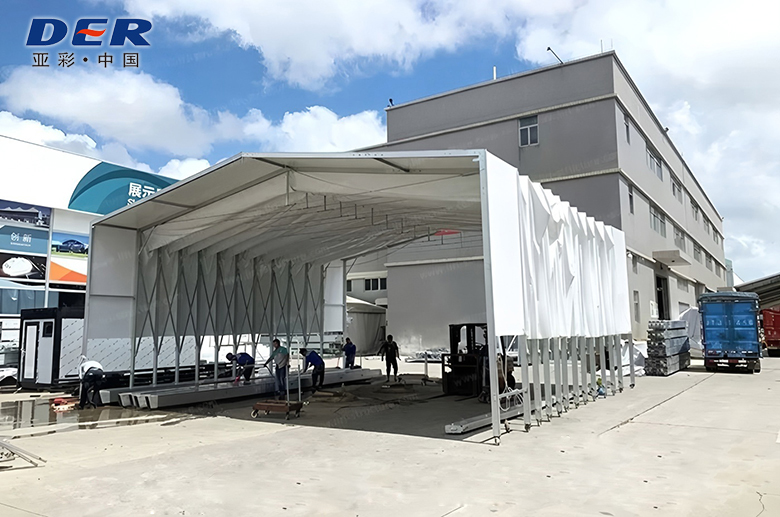
What should a tent or shelter factory require from its fabric roll supplier?
A shelter fabricator purchases a material that must survive conversion into a particular roof and sidewall geometry. Polyester-reinforced PVC fabric is commonly considered because it provides a coated weather barrier and can support industrial panel joining. The decisive requirements are the project loads, panel orientation, coating performance, welding and abrasion at corners, attachment interfaces and how the finished cover is handled.
Start with the cover drawing, not a generic “tent tarpaulin” catalog. A wide roll can reduce longitudinal seams but change handling and cost; a heavier grade can offer useful reinforcement while increasing folded volume and stress on equipment. Select the base textile, coating and surface direction with the panel layout and material conversion route in mind.
DERFLEX can discuss coated fabric material rolls and the boundaries of any requested fabricated items. Steel or aluminium frames, anchorage, wind/snow engineering, local fire approvals and installation are not inherent claims of a fabric order.
Plan material and reinforcement by finished-panel location
A shelter is not uniformly stressed. The roof membrane, door opening, eave corner and sliding attachment have different failure modes; consider appropriate reinforcement rather than over-specifying the entire roll.
| Cover component | What matters during conversion | Acceptance on finished sample |
|---|---|---|
| Main roof panel | Panel span, coated surface, seam direction, water runoff and roll-width utilization | Check full overlap welds, appearance, water management and expected movement. |
| Sidewall and door panel | Handling, folding, zip or hook interface, local attachment stress | Trial closure seams, repeated folding and reinforcement at entry points. |
| Eave, corner and tension zone | Tear propagation, webbing/patch compatibility, stress concentration | Test corner assemblies with correct reinforcement and load path. |
| Rail-guided or sliding cover | Keder profile, friction, abrasion and repeated travel | Check complete edge and track mating on prototype segments. |
| Printed or translucent panel | Color stability, light transmission, print surface and heat effects | Approve a real sample under intended lighting and joining conditions. |
A fabric roll specification that converts cleanly
Record these six groups of values on an agreed grade sheet. Any numeric specification and flame-test result must be tied to the proposed material code and report, not inferred from a different DERFLEX product.
Base fabric structure
Document yarn, weave, warp/weft tensile and tear properties, mass and coating build; use consistent stated test methods and units.
Roll format and yield
Compare usable width to cut-panel nesting, directional grain, planned seam allowance, edge trim and available lifting or cutting equipment.
Welding and repair
Set overlap geometry, joining equipment, sample conditioning and peel or seam acceptance. Record a practical field-repair approach separately.
Stress-zone packages
Define patches, webbing, Keder, rope edges or attachments as separately specified fabricated details, not assumed parts of bare rolls.
Outdoor and appearance
Consider weather exposure, surface cleaning, dirt pickup, translucency or blackout and color matching to the roof and sidewall program.
Fire documentation
Identify the destination requirement and standard version; check the applicable tested grade, specimen, test method and limits. Fabric data do not certify the structure.
Factory release sequence from roll to packed cover
Build a real-size or representative panel mock-up with the same equipment, joint construction and reinforcement. This exposes conversion risks long before the shelter reaches an installation site.
01 · Approve cutting and orientation
Map panels to net roll width and machine constraints; label face direction and grain. Review yield loss before choosing the final roll format.
02 · Weld overlap and transition seams
Trial long seams, corners and multi-layer intersections. Inspect weld uniformity, coating damage and performance after cooling or flexing.
03 · Reinforce stress concentrators
Add patch and webbing prototypes at corners, eaves, grommet lines and Keder ends. Test the combined assembly, not only plain cloth.
04 · Review the required documentation
Confirm relevant outdoor and flame-test evidence for the named grade; align labeling and destination market requirements with the responsible project team.
05 · Fold, pack and inspect
Run a practical packing sequence, check crease sensitivity, fold size, cleanliness, panel coding and abrasion from hardware during transport.
06 · Control repeat factory lots
Retain a standard swatch, signed cutting/seam drawing and seam test strip. Track lot, grade revision and packing contents for future replacements.
Separate coated fabric rolls, fabricated covers and structural tent systems
When the buyer is a tent or shelter fabricator, the default purchasing task is the raw material. Your team retains responsibility for cutting patterns, seam design, hardware choices, reinforcement placement, cover marking and finished quality control. Ask for roll properties, traceable product identity, packing and the documents that support those tasks.
A separately agreed fabricated-cover order could involve panels, welded sections, fitted windows or selected attachment details. Such a program needs drawings and its own approval procedure. No product photograph establishes whether a frame, installation, onsite engineering review or certification is included.
For event tents, warehouses, temporary shelters and sliding structures, wind loads, snow loads, anchorage and local building or fire rules are determined by the installed system. The textile supplier’s fire result applies only to its specified tested construction and test conditions, not automatically to a whole tent.
Actual DERFLEX material and application references
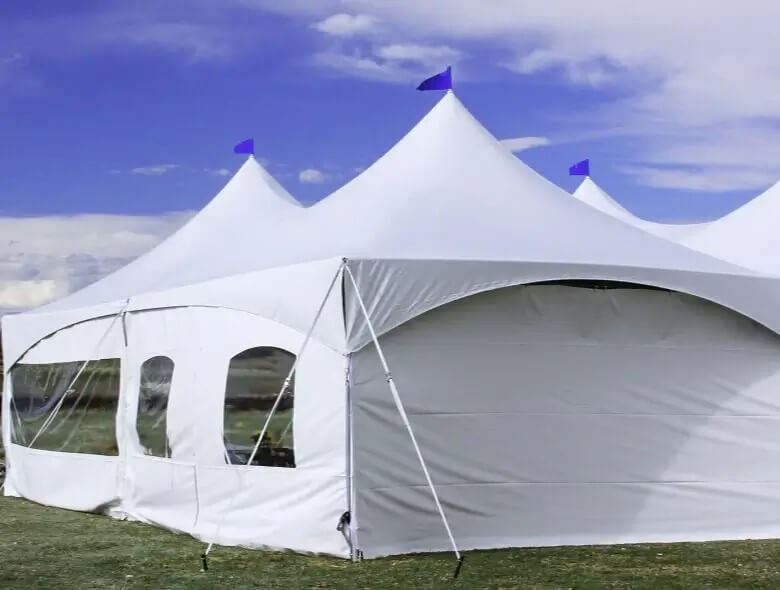
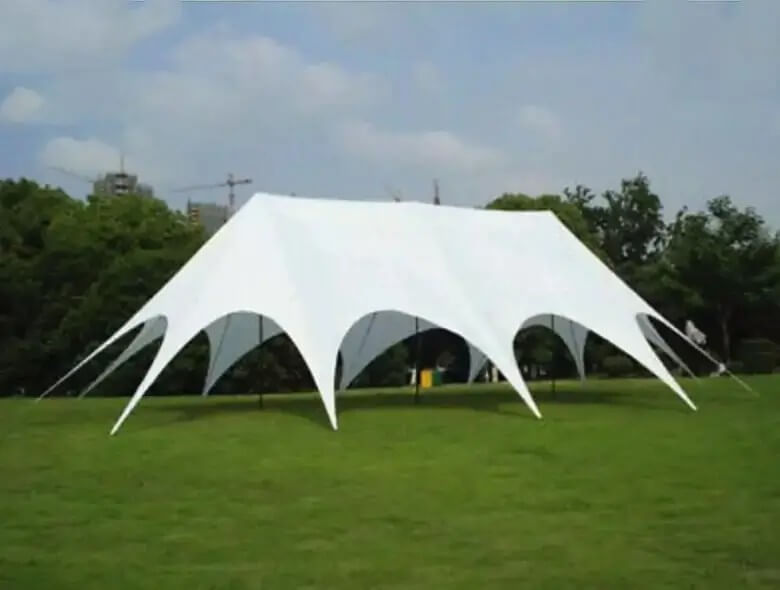
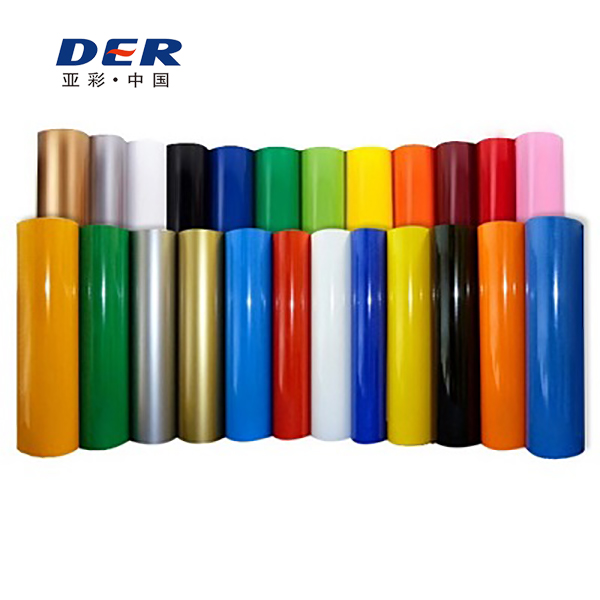
The photographs below are sourced from existing DERFLEX pages. They illustrate materials or related applications; they do not establish a certified grade or finished-project performance for this purchase.
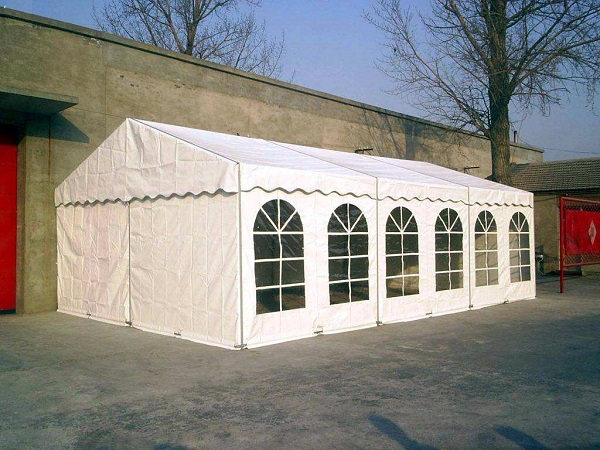
OEM tent and shelter material RFQ: the useful details
A drawing and one representative finished panel are ideal, but basic dimensions and a reference photo are enough to begin discussing the material route.
Send with your inquiry
- Shelter type, roof geometry and intended climate
- Span, eave height, panel dimensions and roof pitch
- Cutting map, net roll width and fabric direction
- Target textile construction, mass, color and opacity
- Welding equipment, overlaps and reinforcement zones
- Window, door, Keder or edge interface requirements
- Actual required fire-test standard and grade records
- Packing unit, reinspection method and order quantity
How to approve a repeat order
Freeze the agreed material grade and a signed panel construction drawing before production. Keep one real welded and reinforced sample from the approval run.
At each repeat lot, verify identity, width, appearance, relevant material tests and a representative seam strip. Number packed components and inspect for cleanliness, fold damage and correct labels.
Frequently asked questions
Is PVC tent material sold only as complete tents?
No. PVC-coated polyester can be sourced as rolls for the buyer’s own factory conversion. Finished panels, Keder, windows, hardware and frames require separately agreed supply and drawings.
How can manufacturers reduce wasted tent fabric when cutting roof panels?
Compare usable roll width against true panel geometry and fabric grain. Include overlap widths, edge trims, directionality, machine limits and any required reinforcement cutouts in a cutting map.
Can every PVC tent fabric be welded with the same settings?
No. Coating composition, thickness, surface treatment, equipment and layer stack affect welding. Make representative seams and qualify their performance before setting production parameters.
How are tent corners and eave stress zones reinforced?
Fabricators may specify welded or sewn patches, webbing, multi-layer hems and tailored attachment details. Their geometry, material compatibility and load behavior need sample and assembly checks.
Does a flame-retardant fabric report certify an entire tent shelter?
No. A fabric test applies only to the described material and test conditions. Whole-structure classification, installation compliance and local fire requirements require their own applicable assessment.
What documents should accompany repeat fabric roll orders?
Use an approved fabric specification, actual grade/test records, retained master sample, roll labels, drawing revision, packaging plan and agreed batch inspection procedure.
Start with the pattern and the material grade.
Send your cutting layout, joining method and required documentation. Discuss fabric rolls, sample seams, reinforced details and practical repeat-order checks.
DERFLEX / PVC-coated technical textiles. Selection and test evidence apply to the specific approved grade, not to every PVC-coated fabric or finished assembly.