



Hospitality Seating Synthetic Leather
An elevated seating interior needs material that looks considered on opening day and remains practical under guest use. DERFLEX supports synthetic leather roll-material selection for hotel lounges, restaurant banquettes, café chairs and hospitality projects. Compare PU, vinyl and other coated upholstery directions against each location’s traffic, housekeeping routine, furniture shape, color master and replenishment plan before specifying bulk supply.
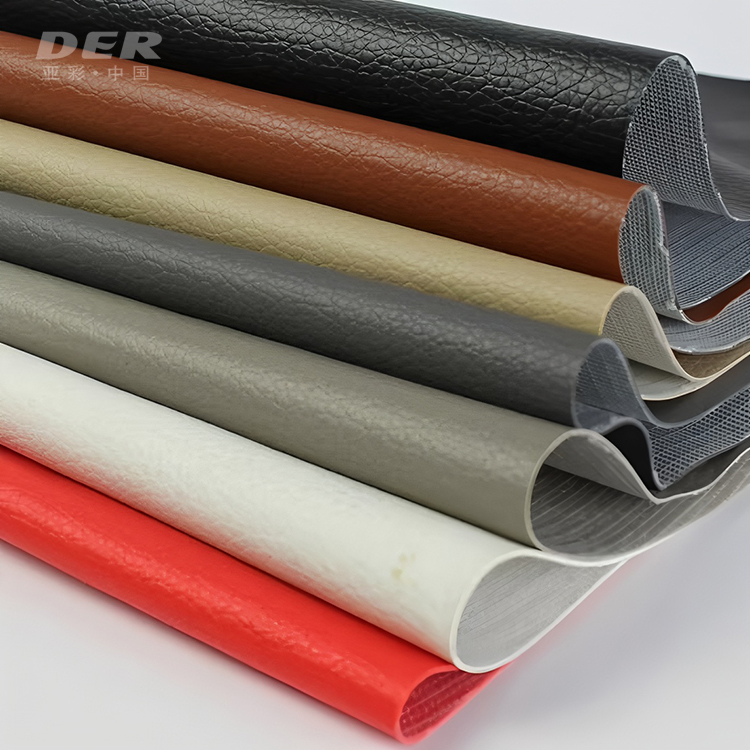
A material program for spaces guests actually use
Hospitality seat coverings are selected not just for look and feel, but for care routines and repeat orders.
Hospitality seating synthetic leather is a family of leather-look coated upholstery materials used on hotel sofas, restaurant banquettes, café chairs, lobby seating and bar stools. A project can consider PU, PVC-based vinyl, microfiber-backed constructions or other specified surface systems. The correct material depends on the guest experience and the operator’s maintenance reality, not a generic “hotel grade” label.
For FF&E buyers and furniture producers, a good supply brief connects design intent—color, grain, sheen and softness—with traffic intensity, housekeeping chemistry, upholstered curves, fire requirements and future replacement consistency. DERFLEX discusses these material variables for custom roll supply, subject to project sampling and grade-specific verification.
One color palette can cover an entire hotel; one material construction does not always fit every location. Separate the heavy-use dining booth from the occasional-use guest-room chair, then maintain a coordinated approved visual standard across both.
Appearance that scales
Define master shade, grain direction, sheen, drape and acceptable batch variation.
Maintenance that is realistic
Match surfaces to housekeeping products, spill types and cleaning frequency.
Replenishment that stays coordinated
Plan approved references, lot identification and replacement-panel inventory.
One property. Five very different seating demands.
A restaurant banquette and a guest-suite accent chair should not be treated as identical upholstery problems.
| Hospitality zone | Dominant exposure | Recommended specification discussion | Sample sign-off |
|---|---|---|---|
| Lobby sofas & reception | Continuous visibility, luggage scuffs, mixed users | Consistent texture, colorfastness, edge abrasion, cleanable finish | Finish appearance after wear; color matching under lobby lighting |
| Restaurant booths & banquettes | Food oils, spills, wipes, seat-edge contact | Cleaner-specific compatibility, surface grain, tight-seam construction | Spill/cleaner panel plus sample seam around curved booth edge |
| Bars & café stools | Frequent turn-over, denim rub, dark beverages | Rub transfer, abrasion, stain response, topcoat finish | Repeated cleaning and dry/wet crocking checks |
| Guest-room occasional chairs | Lower wear but high tactile expectations | Soft hand, visual refinement, cushion fit, backing flexibility | In-room appearance and upholstered trial |
| Conference & event seating | Stacking, transport, repeated occupancy | Tear/seam behavior, scuff resistance, consistent replacement colors | Handling and representative flex/seam trial |
The matrix is an application-screening guide. Specific performance and suitability require actual grade data and a project-approved sample.
For a dedicated hotel furniture overview, see DERFLEX PU leather for hotel furniture. This page focuses on multi-zone hospitality seating specifications and operational maintenance rather than general hotel upholstery.
PU, vinyl or another synthetic surface?
Choose by a documented balance of touch, cleanability, backing and the furniture production process.
“Synthetic leather” describes a broad buying category. The finish and backing need to be specified individually; none of the options below is automatically compliant with a hotel tender simply because it bears a material name.
| Material route | Why a team considers it | What to check carefully | Good discussion starting point |
|---|---|---|---|
| PU synthetic leather | Refined leather-like hand and flexible upholstery feel | Hydrolysis, surface wear, cleaner response and backing stability | Lobby lounges, premium guest seating, selected banquettes |
| PVC / vinyl synthetic leather | Practical wipe-clean direction, varied grain and cost structures | Touch, temperature response, topcoat chemistry, formulation and fire route | Busy dining or operational seating where maintenance is central |
| Microfiber-backed PU | Distinctive drape and backing characteristics | Stretch, stitch retention, thickness, tooling fit and cost | Curved seating and higher-touch upholstery programs |
| Other premium coated surfaces | Specialized hand feel or cleaning profile | Actual substrate chemistry, available test reports and converting process | Signature interiors with additional technical requirements |
Material routes are comparative categories, not a promise that every chemistry or grade is currently stocked. Discuss construction availability with DERFLEX.
Explore the full synthetic leather upholstery range or compare broader faux leather material options when preparing a multi-category sourcing brief.
Specify a cleaning method before bulk approval
Operational compatibility should be documented on a real sample, including repeated wiping and any rinse step.
Approve the cleaner before the surface
Ask the hotel operator or cleaning contractor for the specific cleaner brand, active ingredients, dilution, dwell time, wiping or rinse procedure, and number of cleanings expected per day or week. A finish that tolerates mild detergent is not automatically compatible with alcohol, chlorine bleach, peroxide or quaternary disinfectants.
Evaluate a physical trial panel: apply the real product at the intended concentration and frequency, inspect gloss change, color transfer, swelling, tackiness and seam effect. Include housekeeping staff in the evaluation so the final instructions are executable.
- Clear loose particles without abrasive scrubbing.
- Use only the cleaner and method approved for that grade.
- Test spills and repeat wipes on a sample panel.
- Follow the manufacturer-approved rinse and dry steps.
- Record exclusions, prohibited chemicals and escalation rules.
Do not infer disinfectant compatibility from appearance or another supplier’s product claim.
Wear at edges
Test the seat front and arm contact zones, where rubbing is concentrated.
Humidity exposure
Consider a specified ageing test and supplier-approved storage procedure.
Staining and residue
Check oils, pigments and repeated cleaning, including surface sheen changes.
Keep color and performance coherent across phases
Design standards, batch references and approved samples reduce avoidable mismatch between opening and replacement orders.
Hotel and restaurant contracts often involve phased openings, multiple furniture makers and replenishment months or years after the initial purchase. A visually approved first shipment is not enough if the replacement seat arrives in a different shade or grain.
Create a room-by-room schedule
List area, furniture type, estimated covering area, exposure, proposed material route and required test documents.
Freeze a shared master swatch
Approve shade, grain scale, sheen, thickness direction and backing with designer, converter and owner.
Track roll and lot references
Agree roll labeling, allocation by furniture zone, material acceptance and shade-review process.
Plan replacements
Document cleaning guidance and whether reserve rolls or later matching are needed for ongoing property maintenance.
Projects may require a named standard for the upholstered composite or finished assembly, depending on jurisdiction and end use. For the correct tender route, review DERFLEX fire-retardant synthetic leather guidance and obtain applicable test evidence for the selected construction.
Translate the FF&E schedule into a material RFQ
Share zone conditions, palette, sample, furniture construction and maintenance needs before discussing quantity and delivery.
From design palette to repeatable roll supply
DERFLEX’s role in this discussion is material sourcing and project-specific development for synthetic leather rolls. A specification may cover grain embossing, color matching, surface touch, backing direction and packing, subject to sample confirmation and an agreed quotation. A photograph of a hotel chair is not a claim that finished furniture, installation, foam or on-site upholstery services are included.
Furniture factories can start with the PU upholstery leather selection guide for processing and a wider PU leather roll procurement guide for width, packing and repeat orders.
For mixed property programs, it helps to distinguish owner-specified appearance standards from the furniture factory’s sewing and fitting requirements. Both sign-offs should be recorded before release.
- Property type, room zones and intended seating
- Reference color board, photos and finish samples
- Upholstery method, substrate, backing and thickness
- Cleaner, dilution, dwell time and wiping frequency
- Humidity, abrasion and named fire-test requirements
- Usable roll width, quantities by color and delivery phase
- Replacement plan, packing, destination and timeline
Material development and manufacturing feasibility depend on grade-specific review. Exact MOQ, price, lead time and performance values must be confirmed in the project quotation.
See the real material before you specify it
These are DERFLEX product-material photographs, not a guarantee of a stocked grade or proof of a finished seating installation.
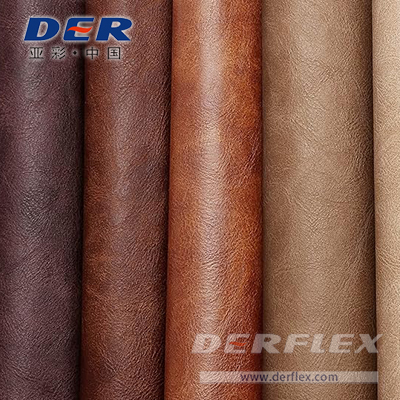
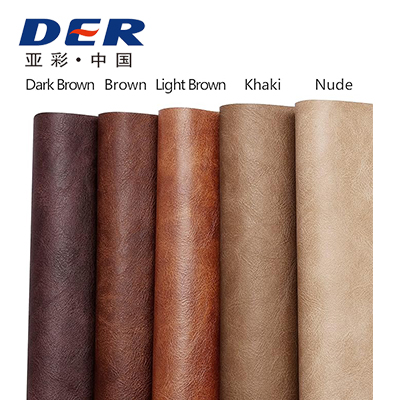
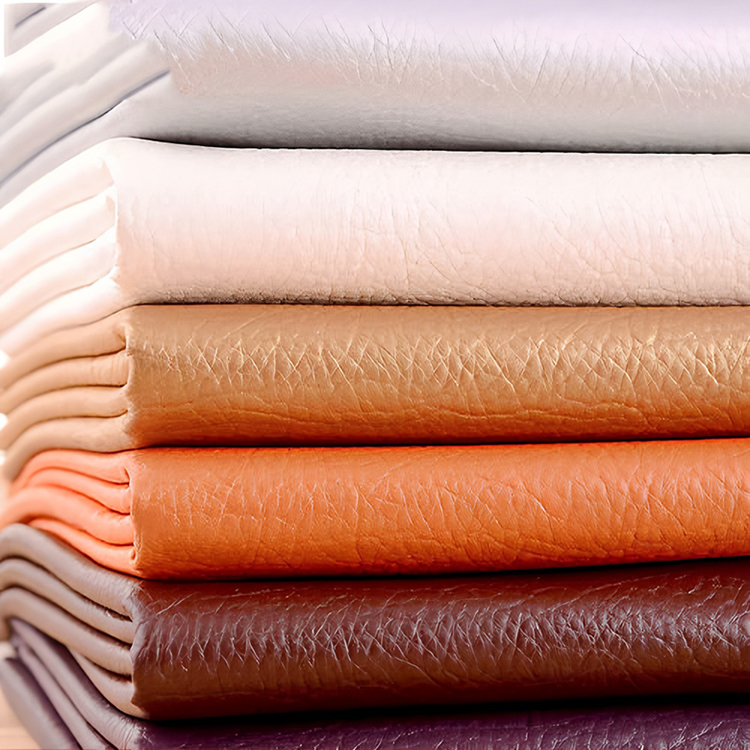
A hospitality material brief worth approving.
Share the property zones, furniture schedule, visual standard, real cleaning routine and quantities. DERFLEX can review suitable synthetic leather roll constructions and a sampling route.
No specific hotel installation, grade certification, blanket cleaner compatibility or universal delivery time is asserted.Frequently Asked Questions
Clear answers for manufacturers, upholstery buyers, interior specifiers and bulk sourcing teams.
What synthetic leather is best for hospitality seating?
There is no universal best grade. PU is often discussed for soft touch and leather-like appearance; vinyl and other coated materials may be considered for different cleaning and cost priorities. Match the chosen construction to the furniture zone, cleaner, wear pattern and tender tests.
Can synthetic leather work for restaurant booths and banquettes?
Yes, a suitable grade can be used for dining seating when stain response, repeated cleaning, upholstery seams, front-edge abrasion and any local fire requirements are evaluated on the representative material and finished upholstery route.
Is hotel seating synthetic leather waterproof?
A coated face may resist a spill, but this does not mean seams, stitched holes, backing, foam or the completed seat are waterproof. Confirm the required liquid-resistance definition and test the intended assembly.
Can housekeeping use alcohol, bleach or peroxide cleaners?
Only if the specific upholstery grade’s approved cleaning instructions permit the named agent, concentration, contact time and rinse procedure. Do not apply another manufacturer's cleaner claim to a DERFLEX sample.
How do hotels prevent color mismatch in replacement seating?
Keep a signed physical master sample, material reference, shade limits, lot records and roll labels; agree whether reserve material or future color matching is required. Verify appearance under relevant project lighting.
What information should an FF&E buyer provide for a quotation?
Send the room/zone schedule, photos or drawings, color and grain reference, upholstery process, cleaning chemicals, named performance requirements, material quantity by color, shipment phases and destination.