


 Flexible composite materials for aerospace-sector support
Composite Materials in the Aerospace Sector
DERFLEX supplies technical coated textile composites for aerospace-related protection, ground support, UAV equipment, inflatable systems, flexible covers and OEM material programs where weight, durability, welding performance and environmental resistance must be balanced.
For aircraft-certified or primary structural components, material qualification must be confirmed according to the buyer’s certification route, test plan and regulatory requirements. DERFLEX focuses on flexible coated fabric solutions and application-specific material development.
Where DERFLEX Materials Fit
- UAV & drone programs: flexible protective covers, soft containers, sealed sleeves and weather-resistant storage.
- Ground support: aircraft maintenance covers, equipment covers, hangar dividers and technical protection sheets.
- Inflatable & airtight systems: welded cushions, bladders, support bags and sealed flexible structures.
- Field operations: deployable shelters, emergency covers and reinforced textile assemblies.
- OEM roll supply: custom coating, color, width, surface finish, packaging and sample testing support.
What Are Composite Materials in the Aerospace Sector?
In aerospace, composite materials are engineered combinations of fibers, films, fabrics, coatings, resins or cores designed to deliver specific performance that a single material cannot provide alone. Carbon fiber, glass fiber, aramid reinforcements, honeycomb cores, prepregs and adhesive systems are widely used in structural aerospace engineering. Flexible coated textile composites are also important in support applications where waterproofing, abrasion resistance, weldable seams, folding behavior and environmental protection matter.
Aerospace Buyers Evaluate Materials Differently
Aerospace-sector procurement is rarely about fabric weight alone. Buyers usually compare a complete material behavior profile: strength-to-weight ratio, dimensional stability, seam reliability, coating adhesion, abrasion resistance, chemical exposure, temperature range, surface cleanability and batch consistency.
DERFLEX helps OEM factories, fabricators and technical product developers select coated fabric structures according to the working environment and final processing method rather than only matching an existing SKU.
Flexible Composite Material Priorities
- Low weight with reliable tensile and tear performance
- Waterproof, airtight or dust-resistant barrier function
- Compatibility with HF welding, hot-air welding and heat sealing
- Surface finish options for cleanability, handling and branding
- Custom base fabric, coating side, color, hardness and roll width
- Sample testing before bulk production for project-specific validation
DERFLEX Technical Coated Fabric & Film Options
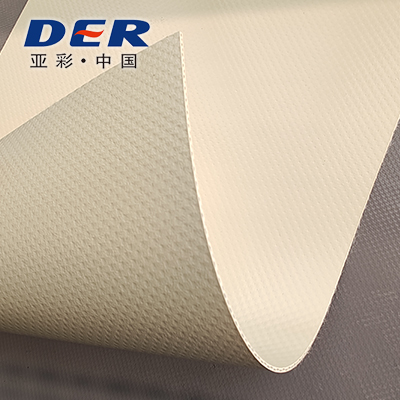
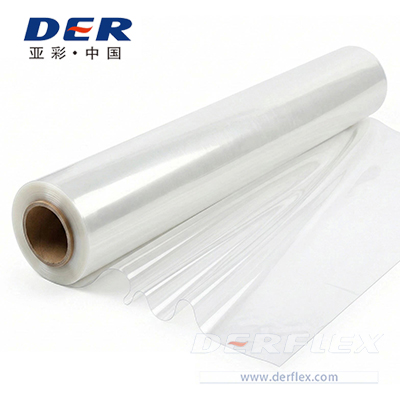
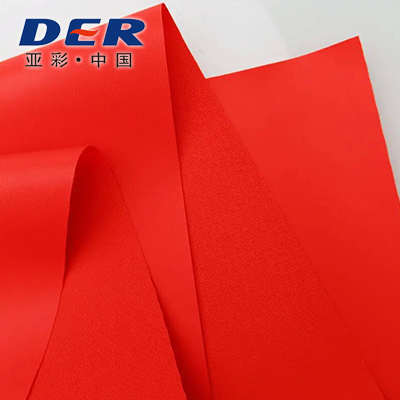
The following material families can support aerospace-adjacent manufacturing programs, especially non-primary structural applications, protection systems, flexible enclosures, inflatable assemblies and custom OEM roll supply.
Aerospace-Sector Applications for Flexible Composite Materials
DERFLEX does not position every coated fabric as an aircraft-certified material. Instead, we help buyers identify where flexible composite textiles can support aerospace supply chains after testing and project confirmation.
Aircraft Ground Protection Covers
Weather-resistant covers for engines, tooling, components, cables, carts and maintenance equipment can use PVC or TPU coated fabric depending on flexibility, cleaning and durability requirements.
UAV & Drone Soft Equipment
Lightweight coated nylon or polyester can be used for drone transport bags, protective sleeves, foldable covers, battery-area protection covers and field repair kits.
Inflatable Support Systems
Double-side TPU coated fabric is suitable for sample development of welded cushions, support bags, lifting aids, airtight partitions and flexible test fixtures.
Maintenance Shelters & Hangar Dividers
Reinforced coated fabrics can support temporary partitions, dust-control curtains, field tents and weather protection systems for maintenance or storage environments.
Cargo, Tooling & Component Protection
Custom coated fabric rolls can be cut, welded or sewn into protective bags, covers and liners for aerospace logistics, spare parts storage and sensitive equipment handling.
OEM Technical Fabric Programs
For buyers developing specialized aerospace-support products, DERFLEX can provide base fabric matching, coating selection, width customization, color options and export-ready roll supply.
How to Define Aerospace-Sector Coated Textile Requirements
A practical material brief should describe the final product, installation environment, processing method and testing expectations. The table below helps buyers organize specifications before requesting samples.
| Selection Item | Typical Options | Why It Matters in Aerospace-Sector Projects |
|---|---|---|
| Base Fabric | Polyester, nylon, selected high-strength woven constructions | Influences tear strength, folding behavior, dimensional stability and total material weight. |
| Coating / Film Layer | TPU, PVC, custom polymer coating, clear TPU film | Determines waterproofing, airtightness, weldability, abrasion resistance, surface feel and cleaning behavior. |
| Coating Side | Single-side coating, double-side coating, laminated multi-layer structure | Double-side coating is often considered when both surfaces require sealing, cleanability or air-holding performance. |
| Weight & Thickness | Lightweight to heavy-duty constructions, customized by application | Aerospace-sector support products often need weight reduction without losing seam integrity or service durability. |
| Processing Method | HF welding, hot-air welding, heat sealing, sewing plus sealing, cutting and lamination | Processing compatibility should be tested before bulk production to confirm seam strength and appearance. |
| Surface Finish | Matte, glossy, embossed, textile texture, smooth cleanable finish | Surface selection affects handling, slip resistance, cleaning, branding and visual requirements. |
| Validation Plan | Tensile, tear, peel strength, weld strength, hydrostatic pressure, air retention, abrasion, low-temperature flexibility | Testing should match the buyer’s intended application, internal quality standard and compliance requirements. |
From Material Concept to Repeatable Roll Supply
High-value aerospace-sector programs need a material supplier that can discuss use conditions, create samples, support testing and maintain production consistency. DERFLEX works with buyers through a clear development path.
Requirement Review
Confirm end use, weight target, flexibility, barrier function, processing method, color, width and packing needs.
Material Matching
Select base textile, coating type, coating side, surface finish and thickness according to performance priorities.
Sample Testing
Evaluate welding, peel strength, tear resistance, abrasion, air retention or waterproofing before production approval.
Bulk Production
Manufacture custom rolls with controlled coating, width, appearance, roll length, labels and export packaging.
Batch Follow-Up
Support repeat orders, specification adjustments and OEM material programs for long-term supply planning.
Why a Technical Fabric Partner Matters
Aerospace-sector projects often require more than a standard material roll. The supplier should understand application conditions, customization, documentation and processing compatibility.
Standard Roll Purchasing
- Material selected mainly by price, color or weight.
- Limited discussion of seam welding or fabrication method.
- Performance data may not match the buyer’s actual use environment.
- Small adjustments can be difficult when the project moves from sample to production.
DERFLEX Application-Based Supply
- Specification starts from end-use environment, processing method and test plan.
- TPU, PVC and laminated structures can be compared before sample confirmation.
- Custom color, finish, width, hardness, coating side and packaging can be discussed.
- Roll supply can support OEM factories, product developers, distributors and technical fabric converters.
How to Source Composite Materials for Aerospace-Sector Support Products
Use the following checklist when requesting a quotation. A clear brief helps reduce sample cycles and improves the chance of receiving a suitable material recommendation.
Information to Prepare
- Final product type: cover, bag, bladder, shelter, liner, sleeve or partition
- Base fabric preference: polyester or nylon, denier, weave and weight range
- Coating target: TPU, PVC, clear film, single-side or double-side coating
- Processing method: HF welding, hot-air welding, heat sealing, sewing or lamination
- Working environment: UV exposure, temperature, moisture, abrasion, chemical contact
- Testing requirements: tensile, tear, peel, weld strength, hydrostatic pressure or air retention
When to Choose TPU or PVC
Choose TPU coated fabric when flexibility, clean welding, airtightness, soft folding and low-temperature behavior are important.
Choose PVC coated fabric when heavy-duty protection, cost control, large covers, strong waterproofing and broad fabrication compatibility are priorities.
Choose TPU laminated fabric or film when a multi-layer structure or barrier layer needs to be evaluated during sample development.
Explore Related Technical Materials
These internal links help buyers compare flexible composite material options for aerospace-related product development and adjacent industrial applications.
Waterproof, airtight and weldable coated textile for flexible technical products.
Film-to-fabric laminated structures for waterproof and flexible composite textile development.
Heavy-duty coated fabrics for industrial covers, shelters, tarpaulins and protective systems.
DERFLEX industrial material capability for protective, environmental and technical use.
Custom PVC, PU and technical coated fabric manufacturing support for global buyers.
View manufacturing capability, production base, equipment and quality control workflow.
Composite Materials in the Aerospace Sector FAQs
Practical answers for buyers comparing technical coated textiles, flexible composite fabrics and aerospace-adjacent material programs.
What are composite materials used for in the aerospace sector?
Composite materials are used in aircraft structures, interiors, tooling, covers, protection systems, UAV equipment, inflatable systems and ground support products. Structural aerospace composites usually require strict certification. Flexible coated textile composites are commonly evaluated for support, protection and fabricated textile applications.
Does DERFLEX supply carbon fiber prepreg for aircraft structures?
DERFLEX focuses on flexible coated fabrics, TPU laminated textiles, PVC coated fabrics, technical films and industrial textile solutions. For primary aircraft structures or carbon fiber prepreg programs, buyers should follow their approved aerospace material qualification process.
Which DERFLEX material is suitable for airtight aerospace-support products?
Double-side TPU coated nylon or polyester is often considered for airtight, inflatable and welded flexible structures. The final selection should be confirmed through seam welding, air retention and application-specific testing.
Can DERFLEX customize aerospace-sector coated fabric specifications?
Yes. DERFLEX can discuss base fabric, coating type, thickness, coating side, surface finish, color, width, roll length, packaging and OEM requirements according to the buyer’s use case and test plan.
What should buyers test before bulk ordering?
Common test points include tensile strength, tear strength, coating adhesion, welding strength, hydrostatic pressure, air retention, abrasion resistance, low-temperature flexibility, UV exposure and surface appearance after processing.
Can PVC coated fabric be used in aerospace-related protection products?
PVC coated fabric can be used for heavy-duty protection covers, storage covers, field shelters, hangar dividers and industrial textile assemblies where the buyer’s application allows it. Flame-retardant and UV-resistant options can be discussed based on project requirements.
How do I request a sample from DERFLEX?
Send the final product application, target weight or thickness, base fabric, coating type, color, width, welding method, expected working environment and test requirements through the Request A Quote page.
Can DERFLEX provide finished aerospace-sector textile products?
DERFLEX mainly supports material roll supply and OEM material development. Depending on the project, roll supply, panels or cooperation with fabricators can be discussed after reviewing product drawings and production requirements.
Need a Flexible Composite Material for an Aerospace-Sector Product?
Share your application, environment, fabrication method and expected testing items. DERFLEX will help evaluate TPU coated fabric, TPU laminated fabric, PVC coated fabric or clear TPU film options for sample development and bulk roll supply.