


 Marine Upholstery Material Program
 Marine PU Leather for Boat Seats, Yacht Cushions & Marine Interiors
DERFLEX develops marine PU leather around the conditions a boat seat actually faces: moisture, humidity, sun exposure, repeated cleaning, body contact, flexing, sewing and long periods of storage.
For boat builders, seat manufacturers, marine upholstery workshops, distributors and OEM brands, the material can be discussed by surface feel, grain, color, backing, thickness, hydrolysis resistance, abrasion, UV direction, mildew resistance and the testing pathway required by the project. Final performance is confirmed on the approved construction rather than assumed from the words “marine grade.”
What Is Marine PU Leather—and Why Is “Marine Grade” Not Enough?
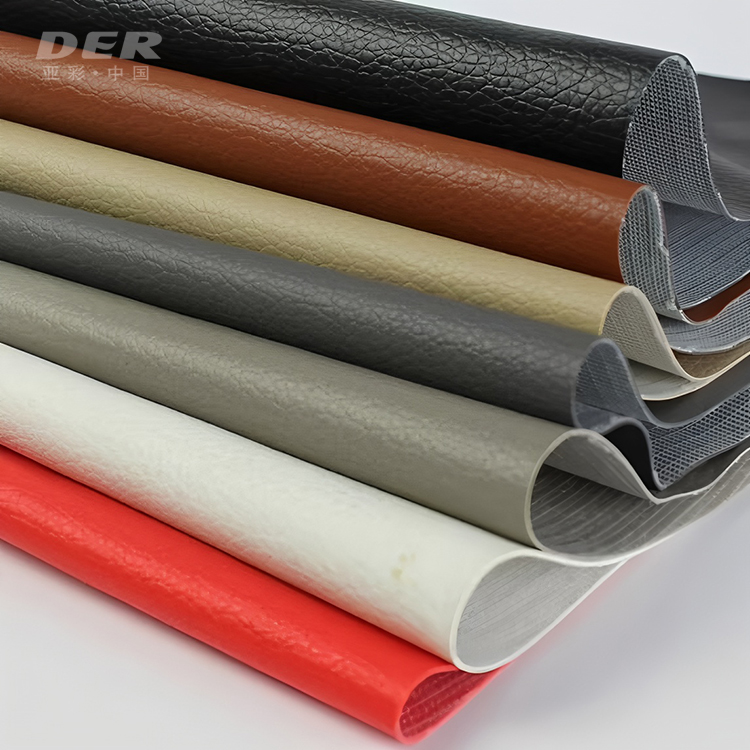
Marine PU leather is a polyurethane-based synthetic leather selected or developed for marine upholstery environments. A typical construction combines a protective top finish, a pigmented or embossed PU surface system, intermediate bonding layers and a textile, nonwoven or microfiber backing.
The term is often used for boat seat PU leather, yacht cushions, helm seats, cabin sofas, wall panels and coordinated marine interior trim. What makes the material suitable is not the keyword on the label; it is the way the complete layer system responds to the actual environment and the finished upholstery process.
A small swatch may look attractive while still being unsuitable for a sun-exposed seat bolster, a humid cabin or a cushion that is repeatedly cleaned. Marine sourcing therefore benefits from a written specification that separates water exposure, hydrolysis ageing, UV/color stability, surface wear, mildew direction, cleaning chemistry and flame requirements.
Start with the seat, not the material name
When requesting a quote, describe the final part: exterior bow cushion, helm seat, covered cockpit seating, cabin sofa, wall panel or another marine component. Each location creates a different balance of touch, softness, weather exposure and durability.
Protective Top Finish
Influences cleanability, surface friction, stain response, gloss retention, scuff visibility and UV/weathering direction.
PU Surface Layer
Creates color, grain, hand feel and the leather-like visual character expected in boat and yacht seating.
Bonding / Functional Layer
Contributes to coating integrity, flexibility and the relationship between the visible surface and the base material.
Backing
Knitted, woven, nonwoven or microfiber structures influence stretch, seam behavior, body and upholstery conformity.
Six Marine Conditions That Should Shape a Boat Seat PU Leather Specification
Marine seating combines environmental exposure with normal upholstery wear. DERFLEX recommends defining the risks individually so the material is not over-specified in one area and under-specified in another.
Splash & Wet Cleaning
The PU face can be developed toward water resistance and wipe-clean use, but seams, needle holes, edges and the finished cushion construction still influence water entry.
Heat + Humidity
Warm, humid conditions can accelerate hydrolysis in some polyurethane systems. The ageing route should be defined when boats operate or remain stored in humid climates.
UV & Color Change
Exterior and semi-exterior seating may need a specific UV/weathering and color-retention target. Interior-grade PU should not automatically be treated as outdoor suitable.
Mildew Risk
Moisture, organic contamination and enclosed storage can create favorable conditions for fungi. If anti-mildew performance matters, define the material and verification method.
Abrasion & Flexing
Seat edges, bolsters, piping zones and entry points receive more friction than decorative panels. Abrasion, flexing and coating adhesion should be reviewed together.
Cleaner Compatibility
Sunscreen, body oils, beverages and cleaning agents can affect top finishes. Approve the actual cleaner list on a representative sample when maintenance is critical.
Marine PU Leather Specification Options for OEM & Bulk Roll Purchasing
The table below is a sourcing framework, not a fixed promise for every DERFLEX grade. Final values, tolerances, test methods and compliance documents are confirmed for the selected construction and destination market.
| Specification Point | Project Discussion Direction | Why It Matters for Marine Seating |
|---|---|---|
| Product Description | Marine PU leather, boat seat PU leather, polyurethane synthetic upholstery leather, yacht seating material. | Keeps the inquiry tied to the final application rather than a generic PU leather grade. |
| Surface & Grain | Nappa-inspired, fine pebble, lychee, smooth, matte, semi-matte, low-gloss, two-tone or custom embossed direction. | Grain and gloss influence perceived quality, scuff visibility, cleanability and coordinated cabin styling. |
| Backing | Knitted, woven, polyester, nonwoven, microfiber or application-specific backing. | Controls stretch, body, seam retention, wrapping behavior and how the material conforms over foam. |
| Thickness / Weight | Selected around seat shape, cushion radius, sewing method, backing and required body; confirm through sample approval. | Too soft or too rigid a construction can create wrinkles, poor seam appearance or difficult upholstery processing. |
| Water Exposure | Define wipe-clean use, occasional splash, repeated marine moisture, rain exposure or another measurable condition. | The exposed face may resist water while seams and the finished cushion remain the more important water-entry path. |
| Hydrolysis | Specify ageing condition, duration and acceptance criteria when hot/humid use or storage is relevant. | Helps reduce the risk of premature tackiness, cracking, powdering, adhesion loss or peeling in humidity-sensitive applications. |
| UV / Weathering | Buyer-specified accelerated weathering or colorfastness route for exterior and semi-exterior seating. | Sunlight can change color, gloss and surface integrity; the target should match exposure intensity and seat location. |
| Abrasion / Flexing | Martindale, rotary abrasion or buyer method; define load, abrasive, cycles and endpoint. Add flexing/adhesion if relevant. | Seat bolsters and entry zones combine rubbing with repeated deformation. |
| Anti-Mildew | Discuss material treatment and a project-specified fungal resistance method when required. | Important for damp environments, enclosed storage and upholstery that may stay moist after use. |
| Fire Performance | Provide the exact marine, vessel, contract-seating or customer standard before sample development. | “FR” is not one universal condition; the tested leather, backing and upholstery composite must match the project requirement. |
| Color & OEM | Reference-sample matching, custom color family, custom grain, roll labels, carton marks and private-label packing. | Supports coordinated yacht/boat interiors and repeat purchase programs across multiple seat SKUs. |
| Supply Format | Sample swatches, development rolls, bulk roll goods, project labels and export-oriented packing. | Lets boat-seat factories and distributors move from development to repeat production with a controlled reference. |
PU Leather Surface, Backing & Color Directions
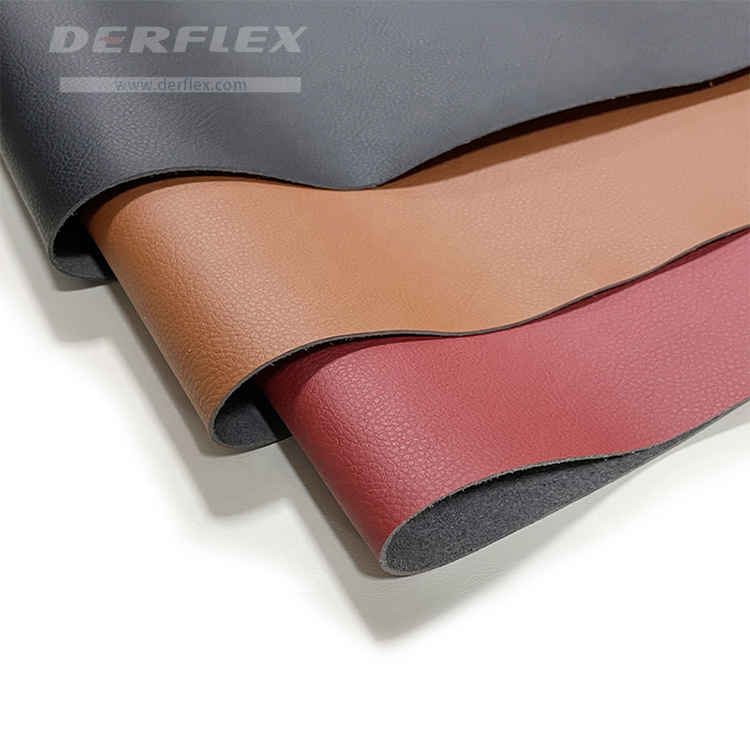
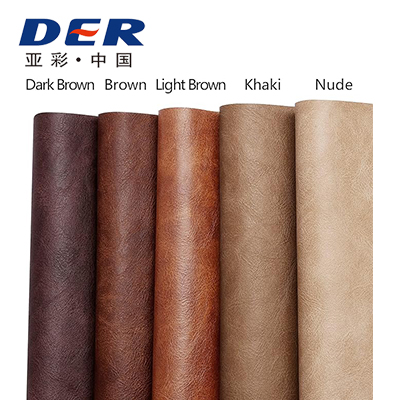
These are DERFLEX synthetic leather visuals used to illustrate representative construction and color directions. The final marine PU leather grade should be approved against the boat-seat application, test requirements and production process.
Marine PU Leather Applications from Helm Seats to Yacht Cabin Upholstery
Different marine zones should not automatically share one specification. The same color can be built on different backing or performance routes when the exposure profile changes.
Helm & Captain Seats
High-contact zones that combine body oils, repeated entry/exit rubbing, seams, cushion compression and possible sun exposure.
Review: abrasion · flex · cleanability · UVExterior Boat Cushions
Open-deck or cockpit cushions may experience splash, rain, intense light, temperature cycling and wet/dry storage.
Review: moisture · UV · mildew · hydrolysisYacht Sunpads & Lounges
Large visual surfaces need controlled color and grain while also managing body contact, sunscreen and outdoor weathering.
Review: color · stain response · UV · abrasionCabin Sofas & Seating
Interior marine seating can prioritize a softer hand and premium appearance while still accounting for humidity and cleaning.
Review: touch · hydrolysis · cleaning · colorWall Panels & Headboards
Lower-contact decorative zones may use a different structure from seat cushions, with focus on wrapping and dimensional stability.
Review: backing · lamination · color · FR if specifiedFerry / Passenger Seating
Commercial passenger environments may add higher traffic, maintenance routines and customer-specific flame or material requirements.
Review: wear · cleaning · fire test route · repeat supplyMarine PU Leather vs Standard PU vs Marine PVC Vinyl
There is no universal material that is best for every boat. The practical choice depends on tactile target, exposure, cleaning routine, manufacturing process, required test pathway and cost structure.
Marine-Focused PU Leather
- Often considered when softer hand feel and refined leather-like appearance matter.
- Can be developed with hydrolysis, abrasion, UV, easy-clean and mildew directions by project.
- Requires careful validation for exterior exposure; not every PU formulation is suited to open-deck use.
- Useful for yacht interiors, helm seats, cushions and branded seating collections where tactile quality is important.
Standard Upholstery PU
- Broad design flexibility for furniture and indoor seating.
- May not include the hydrolysis, UV, mildew or cleaning package needed for marine service.
- Should not be upgraded to “marine grade” by description alone.
- Can be a useful starting point for enclosed, lower-exposure interiors after project review.
Marine PVC / Vinyl
- Often selected where robust water resistance, easy cleaning and commercial durability are priorities.
- Can be attractive for exterior seats, rental fleets and high-volume programs depending on specification.
- Hand feel and surface character differ from many soft PU constructions.
- DERFLEX can compare PVC and PU routes instead of forcing one material into every zone.
From Boat Seat Requirement to Approved Bulk Roll
A structured development process reduces unnecessary sample rounds and helps align the visual target with real upholstery production.
Map the Seat Zone
Identify exterior/interior position, exposure, high-wear areas, foam geometry, seam design and maintenance routine.
Define the Surface
Set grain, color, gloss, hand feel, stretch, thickness direction and the visual relationship to other interior materials.
Match the Structure
Select PU system, backing and construction around sewing, wrapping, quilting, bonding and expected environmental stress.
Sample & Verify
Approve appearance and process behavior, then run the agreed hydrolysis, abrasion, UV, mildew, cleaning or FR route where required.
Lock the Bulk Spec
Document approved sample, color, grain, packing, labeling, tolerances and inspection points for repeat-order control.
A Material Supplier That Can Discuss Surface, Backing, Performance and Production Together
What DERFLEX can coordinate
- Custom color matching
- Embossing / grain direction
- Matte or low-gloss finish
- Knitted / woven / nonwoven backing
- Thickness and body direction
- Hydrolysis test planning
- Abrasion and flex route
- UV / weathering direction
- Anti-mildew direction
- Project flame-test route
- Roll labels and export packing
- Repeat-order sample control
What to send for a more accurate quotation
Send the finished application rather than only the keyword “boat seat PU leather.” A useful material brief includes the vessel type, seat position, whether the part is exterior or interior, reference sample or photo, color/grain target, backing or stretch need, approximate thickness, processing method, required tests, estimated quantity, destination market and packing requirement.
If the current material has failed, include the failure mode: peeling after humid storage, fading, mildew staining, cracking on bolster edges, seam tearing, cleaner damage or another issue. Failure information helps identify which specification route deserves priority.
Send Your Marine Upholstery BriefContinue Comparing PU Leather Performance Before Final Selection
These six internal resources support the same sourcing journey and help buyers compare marine upholstery needs with general PU leather performance routes.
Marine PU Leather FAQ
Is PU leather suitable for boat seats?
PU leather can be suitable for boat seats when the surface, backing and performance package are matched to the seat location and exposure. Interior yacht seating may prioritize softness and appearance, while exterior boat cushions can require stronger attention to UV/weathering, water resistance, mildew, hydrolysis and cleaning. A standard indoor PU should not be assumed suitable for marine use without validation.
Is marine PU leather completely waterproof?
A PU surface can be developed to resist spills, wet cleaning and marine moisture, but “completely waterproof” is usually a finished-product question. Needle holes, seams, piping, zippers, edges, foam, bonding and cushion design can allow water to enter even when the flat face material resists water. Define the exposure condition and validate the final upholstery assembly if watertightness is critical.
What is the difference between marine PU leather and marine vinyl?
Marine PU leather is often considered when buyers want a softer, more refined leather-like touch. Marine vinyl commonly uses a PVC-based surface and is often selected for robust water resistance, cleanability and commercial durability. Neither category is automatically superior. The right choice depends on seat zone, desired hand feel, exposure, cleaning, test requirements, processing and target cost.
How can boat seat PU leather be specified to reduce peeling risk?
Peeling can be influenced by PU chemistry, humidity, heat, backing, coating adhesion, repeated flexing, cleaners, UV and upholstery stress. For marine programs, define the hot/humid environment, agree a hydrolysis ageing route when relevant, review adhesion and flexing, approve the backing for the actual seat geometry and avoid assuming that visual appearance predicts long-term ageing.
Can DERFLEX customize color, grain and backing for yacht seating?
DERFLEX can discuss custom color matching, grain/embossing, gloss, hand feel, backing, thickness direction, roll format, labels and packing for OEM and distributor programs. Custom feasibility depends on construction, quantity, color, embossing, performance requirements and sample approval.
Which tests should I request for marine PU leather?
The test plan should follow the end use. Common discussions may include hydrolysis ageing, abrasion, flexing, coating adhesion, UV/weathering or colorfastness, mildew/fungal resistance, tear/tensile, cleaner compatibility and a named flame test when required. Provide the exact method, conditions and pass value rather than asking only for “marine grade” or “UV resistant.”
What information is needed to quote marine PU leather?
Please provide the boat or vessel type, seat/component, interior or exterior location, reference swatch/photo, desired color and grain, backing/stretch requirement, thickness direction, roll width, processing method, required test methods, estimated quantity, destination market and packing needs. If replacing a failed material, include photos and the observed failure mode.
Build Your Marine PU Leather Around the Boat Seat—Not Around a Generic Label
Send DERFLEX your seat location, color/grain target, backing, processing method, exposure conditions, test requirements and quantity. The team can review a practical marine upholstery material direction and prepare the next sampling step.