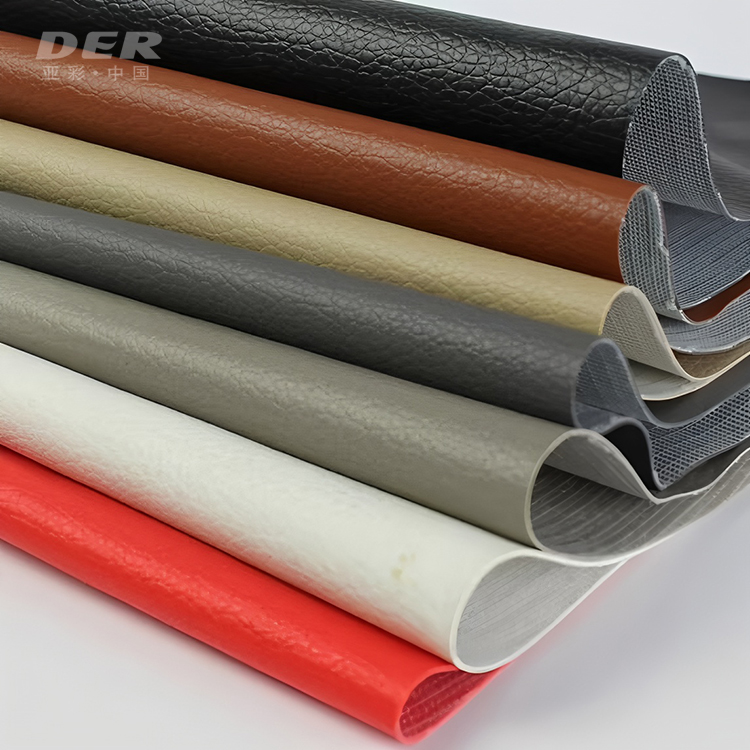
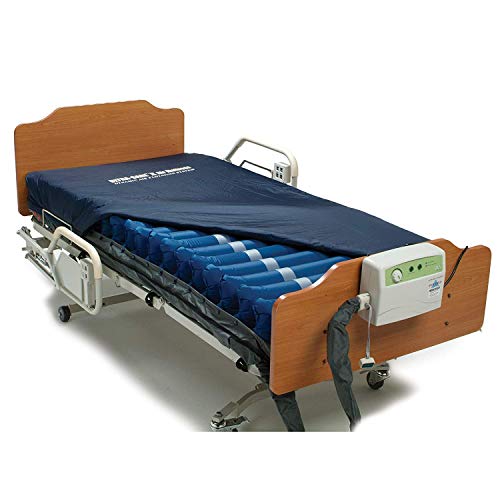
| Material Structure |
Polyurethane surface system on knitted, woven, nonwoven, microfiber or project-specific textile backing. |
Changes softness, dimensional stability, seam behavior, wrapping performance and long-term coating support. |
| Thickness |
Approximately 0.8–1.4 mm is a useful starting range for many medical upholstery projects; DERFLEX broader PU programs may vary by construction. |
Too thin can reduce body; too thick can complicate tight radii, seams or fitted covers. Foam geometry and fabrication method should guide the target. |
| Roll Width |
Common commercial directions include 137 cm, 140 cm and 152 cm; final option depends on the selected program. |
Width affects cutting yield, mattress-cover nesting, seam count and conversion cost. |
| Surface Finish |
Fine grain, smooth, matte, semi-matte, pebbled or custom embossing; low-glare clinical color programs can be developed. |
Texture affects perceived cleanliness, touch, light reflection, appearance of scuffs and compatibility with the finished equipment design. |
| Color Program |
White, light blue, healthcare green, grey, beige, navy and custom color direction subject to project review and sample approval. |
Hospitals and equipment brands often need repeat color consistency across furniture families and replenishment orders. |
| Cleanability |
Easy-clean and disinfectant-resistance direction can be reviewed around the buyer’s actual cleaning chemistry and exposure cycle. |
A “wipe-clean” claim without chemical conditions is not enough for hospital procurement or long-life material selection. |
| Durability Options |
Abrasion, flexing, stain resistance, water resistance, hydrolysis-focused improvement, anti-scratch direction and selected performance testing. |
Different medical products fail in different ways; specifying the failure mode helps avoid paying for irrelevant features. |
| Functional Options |
Antimicrobial treatment, flame-test route, low-odor / low-VOC direction or restricted-substance documentation can be discussed when requested and verified. |
Healthcare tenders often require documentation that connects the exact material to the requested performance or compliance pathway. |
| Conversion Method |
Sewing, wrapping, laminating and quilting can be considered in material selection. Thermal or ultrasonic welding should only be specified after validating the exact construction. |
Not every PU leather construction welds the same way. Process confirmation reduces surprises after bulk material arrives. |
| Commercial Supply |
Sampling, color/grain matching, roll packing, OEM label discussion, approved reference sample and repeat-order coordination. |
Medical furniture programs often require stable replenishment and clear specification control across multiple production batches. |