News
Industry News

Concrete Curing Tarps | Custom Insulated Covers | DERFLEX

Update:2026/7/30 20:53:03 Views:
Concrete Curing Tarps | Custom Insulated Covers | DERFLEX
Coated fabric · custom fabrication · project supply
Built around the curing condition

Concrete Curing Tarps That Match the Temperature, Moisture and Jobsite Plan

A useful curing cover is not selected by color or thickness alone. DERFLEX develops insulated concrete curing tarps, moisture-retaining covers and custom project panels around the placement geometry, climate, protection period, handling method and repeat-order requirement.

Thermal systems Insulated layer constructions for cold-weather placements and temporary enclosures.
Moisture control Sheet and coated-fabric directions for reducing evaporation where the curing plan permits.
Drawing-based panels Custom dimensions, overlaps, reinforced perimeters, handles and joining details.
B2B repeat supply Defined BOM, identification, packing and batch controls for contractors, distributors and OEM buyers.
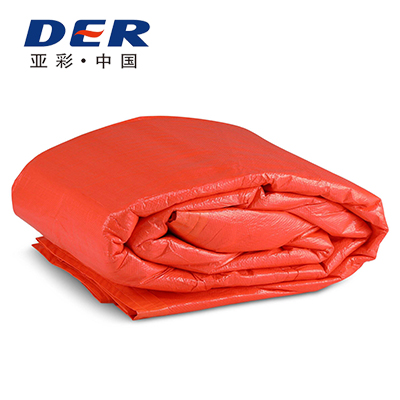
Orange DERFLEX insulated concrete curing tarp folded for construction use
DERFLEX product display Insulated tarp format for cold-weather construction and thermal protection. Final face material, core, color and finishing are confirmed against the approved specification.

One search term, two different curing jobs

Buyers use “concrete curing tarps” for both evaporation control and cold-weather insulation. The first decision is which risk the cover must manage.

Moisture-loss control

Moisture-Retaining Curing Cover

This cover direction helps reduce evaporation from the concrete surface after finishing, subject to the approved curing method. It may use polyethylene sheet, coated textile or a purpose-built composite with suitable joints and perimeter sealing.

  • Useful for slabs, paving and selected precast surfaces
  • Prioritizes low water-vapor transmission and practical overlap
  • White or reflective surfaces may be considered where solar heat gain matters
  • Does not provide meaningful insulation unless a thermal core is added
Cold-weather protection

Insulated Concrete Curing Tarp

This multi-layer system slows heat loss and helps retain the natural heat of hydration. It can be configured for horizontal flatwork, formed walls, precast elements or temporary heated enclosures.

  • Combines weather skins with foam, bubble, felt or composite insulation
  • Requires close contact, controlled overlaps and stable edge placement
  • R-value should be stated with the final construction and test method
  • Passive insulation retains heat; it does not generate heat
!

Specification caution: a standard waterproof construction tarp can block rain and wind, but it should not be represented as an insulated curing blanket without a defined thermal core and supporting performance data. Likewise, an insulated blanket is not automatically an ASTM C171 sheet material. The project specification and curing plan remain controlling.

Material architecture

Specify the cover from the concrete outward

A finished curing blanket behaves as a system. DERFLEX can review each functional layer together with the panel layout, rather than treating the face fabric, insulation and hardware as unrelated components.

Contact Face

Smooth PE, PVC coated textile, reflective facing or a project-specified liner. The surface should be chosen around moisture, marking risk, cleaning and contact conditions.

Thermal or Retention Core

Closed-cell foam, multi-layer foam, bubble insulation, felt or another agreed composite. The core is selected by the target thermal behavior, fold cycle and crew handling limits.

Outer Weather Skin

PVC coated polyester, reinforced PE or reflective-facing material for wind, precipitation, dirt and abrasion exposure. Cold flexibility and UV options can be discussed by climate.

Perimeter & Connections

Folded or welded hems, webbing, grommets, D-rings, straps, handles, hook-and-loop joining flaps, corner reinforcement and identification labels.

Thickness alone does not establish thermal resistance. Compare the complete assembly, compression behavior, seams, moisture condition and cited test method.

Start with the curing risk, then build the tarp

Good procurement questions describe the concrete placement and exposure before asking for a price per blanket.

Risk 01

Early Heat Loss

Review ambient low, wind, member thickness, heat of hydration, enclosure plan and the period during which temperature protection is required.

Risk 02

Surface Drying

Review evaporation exposure, finishing sequence, approved curing method, sheet continuity, overlaps and whether direct contact could affect the finish.

Risk 03

Wind Displacement

Plan ballast, joining flaps, edge attachment and inspection access. Grommets are useful on forms or enclosures but are not a substitute for a slab-safe anchoring plan.

Risk 04

Uneven Protection

Limit gaps, compressed areas and exposed edges. Coordinate panel sizes so crews can maintain continuous coverage without impractical lifting or excessive seams.

Configurable specification

A quotation range that leaves room for engineering

The following directions are not a universal performance claim. Final values depend on the approved sample, bill of materials, project standard and agreed inspection method.

Specification point Configurable direction What the buyer should confirm
Product format Insulated curing tarp, moisture-retaining cover, enclosure panel, formed-wall blanket or custom thermal cover Horizontal, vertical, wrapped, suspended or enclosure use
Face materials PVC coated polyester, reinforced PE, reflective facing or project-matched coated textile Contact surface, weather side, abrasion, cold flex, cleaning and color
Insulation core Closed-cell foam, multi-layer foam, bubble insulation, felt or composite construction Thermal target, compressed thickness, water exposure, fold cycle and test method
Finished weight Approximately 400–1500 gsm for selected insulated systems; lighter or heavier constructions can be reviewed Crew lifting limits, panel size, transport volume and storage method
Thermal value Project-specific; report against the agreed finished assembly and stated test basis when required Do not compare R-values without checking construction and test conditions
Panel dimensions Standard concepts or drawing-based custom sizes, joined panels and modular sets Effective coverage after overlaps, perimeter drape, handling and packing
Edge finish Welded or folded hems, webbing, double-layer perimeter, replaceable attachment strip or corner patches Wind exposure, reuse frequency, connection spacing and repair plan
Hardware Grommets, D-rings, straps, buckles, rope loops, bungee points, handles or hook-and-loop joining flaps Corrosion environment, attachment surface, pull direction and worker access
Optional functions UV stabilization, cold-flex formulation, anti-mildew direction, reflective surface, selected fire-performance route and printing Required standard, documentation, destination market and end-use classification
Supply program Finished blankets, project kits, curtain sections, OEM products, private labels and repeat distributor SKUs Quantity, pack size, labels, carton marks, pallet plan and replenishment schedule

For projects citing ASTM C171, ACI guidance or a local specification, send the relevant acceptance clauses with the inquiry so the required material, test evidence and finished-product scope can be reviewed before sampling.

Plan effective coverage—not nominal tarp area

Panel seams, perimeter drape, penetrations and irregular geometry consume material. A slightly smaller handling module can outperform one oversized blanket if crews can deploy it consistently.

A practical estimating sequence

Calculate the concrete surface first, then add the areas that make the installed system continuous.

Adjusted area ÷ effective panel coverage = panel quantity
  • Add the agreed overlap at every panel joint.
  • Allow for perimeter drape, edge insulation or form wrapping.
  • Map columns, upstands, beam ends and other interruptions.
  • Keep spare coverage for damage, access and weather response.
  • Use finished dimensions, which may differ from nominal cut size.
  1. Placement geometryLength, width, thickness, walls/forms and a marked drawing if available.
  2. Climate windowExpected ambient low/high, wind exposure, precipitation and protection dates.
  3. Curing objectiveMoisture retention, passive insulation, enclosure, or a combined system.
  4. Performance basisTarget R-value, sheet standard, fire route or other project acceptance data.
  5. Installation methodDirect lay, form attachment, overlaps, ballast, straps, joining flaps and access needs.
  6. Handling limitsPreferred panel mass, crew size, lifting method, folding and seasonal storage.
  7. Order formatProject quantity, standard SKUs, annual demand, private label or replacement panels.
  8. DocumentationDrawing approval, sample, inspection record, labeling and packing requirements.
Field deployment

The installation plan is part of tarp performance

The project engineer's curing plan governs. The sequence below is a procurement and coordination checklist, not a substitute for project-specific concrete practice.

  1. Approve the method

    Confirm the required curing period, temperature and moisture controls, inspection method and surface-contact restrictions.

  2. Stage clean covers

    Have dry, undamaged panels, connectors, ballast and repair items at the placement before protection is needed.

  3. Cover continuously

    Place covers as soon as the approved finishing sequence allows. Avoid uncovered strips, open seams and compressed insulation.

  4. Secure and monitor

    Protect edges from wind and inspect after access, precipitation or temperature changes. Record concrete conditions when specified.

  5. Remove gradually

    Follow the curing plan when lifting or removing cold-weather protection so the surface is not exposed to a harmful rapid change.

i

Surface note: some faces, seams, trapped dirt or uneven pressure can mark fresh architectural concrete. Where appearance is critical, agree on the contact layer, cleaning method and a trial area before full deployment.

Concrete curing tarp applications by work sequence

The same product family can serve different construction operations, but panel proportions and finishing details should change with the geometry.

Flatwork

Slabs, Pavements & Bridge Decks

Wide modular blankets can reduce joint count while staying manageable for crews. Priorities include continuous overlap, perimeter wind control and minimal surface disturbance.

Vertical work

Walls, Columns & Formwork

Straps, grommets, D-rings and tailored panel shapes support secure form attachment. Reinforced load paths matter more than generic grommet spacing.

Factory use

Precast & Modular Components

Repeatable cover sets can be labeled by mold, element or station. Smooth contact faces, cleanability and predictable packing support repeated production cycles.

Winter control

Heated Enclosures & Hoarding

Insulated curtains help reduce wind and heat loss around work zones. Panel connections, openings and fire-performance requirements should be coordinated with the enclosure design.

Civil works

Foundations, Beams & Repairs

Irregular shapes often need smaller modules, overlap flaps or drawing-based covers that protect edges and transitions without leaving exposed concrete.

Distribution

Rental, Wholesale & Private Label

Standard SKU families can be developed around regional climate, common sizes, face colors, printed identification, pack quantity and replacement demand.

DERFLEX supply control for custom curing covers

For project and repeat orders, product consistency depends on a controlled construction and inspection record—not only a sample that looks acceptable.

Application Review

Material direction begins with the climate, curing objective, installation geometry, handling cycle and required documentation.

Layer & BOM Control

Face material, insulation core, seam route, edge reinforcement and hardware can be recorded as one approved bill of materials.

Drawing Confirmation

Finished size, joint position, overlap, grommet or strap layout, handles, labels and packing can be confirmed before bulk production.

Fabrication Options

Selected structures can use welded panels, sewn insulated assemblies, reinforced hems and application-matched connection details.

Inspection Planning

Dimensions, appearance, hardware placement, layer confirmation, seam checks and buyer-agreed performance documents can form the inspection scope.

Export & Repeat Orders

Folding method, compression limits, bag or carton identification, pallet plan and repeat SKU references can be aligned for B2B supply.

Have a curing plan, drawing or competitor sample?

Send the reference together with the placement conditions and quantity. DERFLEX can review a practical custom construction and quotation route.

Send Your Requirement
Buyer questions

Concrete curing tarps FAQ

Clear answers for contractors, precast operations, distributors and OEM buyers preparing a quotation or project specification.

Are concrete curing tarps and concrete curing blankets the same product?

The terms often overlap in purchasing searches, but the products are not always identical. A moisture-retaining curing cover limits evaporation, while an insulated curing blanket includes a thermal core to slow heat loss. Some multi-layer systems support both functions when the complete assembly and installation are specified for the project.

What R-value should a concrete curing tarp have?

There is no universal R-value for every placement. Ambient temperature, wind, slab geometry, initial concrete temperature, heat of hydration, protection period and use of enclosures or heaters all affect the requirement. Ask for an R-value tied to the final layer construction and a stated test method; do not infer it from thickness alone.

Should I choose a PVC or reinforced PE outer skin?

PVC coated polyester is useful where repeated handling, cleaning, abrasion resistance, cold-flex formulation and fabricated seams are priorities. Reinforced PE can suit lighter, economical or standard-size blanket programs. The decision should also consider finished panel weight, foldability, storage volume and expected replacement cycle.

How do I calculate the quantity of curing tarps for a slab?

Start with the true surface area, then add material for panel overlaps, perimeter drape, irregular geometry, columns, upstands and contingency. Divide the adjusted coverage by the effective covered area of each finished panel, not by its nominal flat dimensions. A panel layout drawing is useful for large or irregular placements.

Can DERFLEX make custom-size concrete curing covers?

DERFLEX can discuss custom project panels, joined blankets, curtains and fitted covers with application-matched skins, insulation cores, hems, grommets, straps, handles, joining flaps, labels and export packaging. Production details are confirmed against the approved specification or drawing.

Do DERFLEX curing tarps comply with ASTM C171?

ASTM C171 addresses specified sheet materials used to inhibit moisture loss from curing concrete; insulated assemblies involve additional characteristics. If a project cites ASTM C171 or another standard, identify the exact layer or finished product to be evaluated, the test evidence required and the acceptance criteria before ordering. Compliance should be confirmed for the agreed construction, not assumed from the product name.

Build a quotation-ready specification

Tell us what the concrete must be protected from

DERFLEX supports custom concrete curing tarps for contractors, precast operations, distributors, rental suppliers and private-label programs. A useful inquiry starts with the curing objective, climate, dimensions and installation plan.

DERFLEX · Custom coated fabrics, tarpaulins and fabricated cover systems · Specifications subject to project review and approved sample.