News
Industry News

Fumigation Tarps | Gas-Tight Pest Control Covers | DERFLEX

Update:2026/9/3 15:52:00 Views:
Professional Fumigation Cover Programs

Fumigation Tarps — Gas-Tight Pest Control Covers

DERFLEX supplies custom fumigation tarp material and fabricated cover programs for professional pest-control, stored-grain, timber, cargo, container and quarantine applications that require a controlled enclosure rather than a general waterproof sheet.

Gas containment is application-specific. The required fumigant, gas-permeability criterion, seam method, perimeter seal and local regulatory requirements should be defined before the material is approved for service.

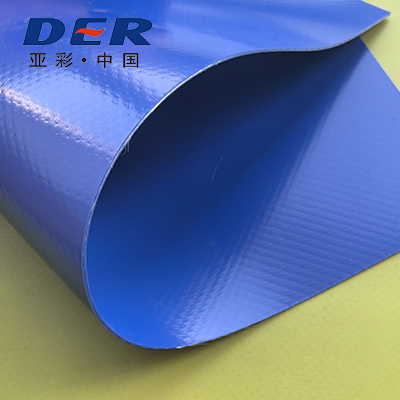
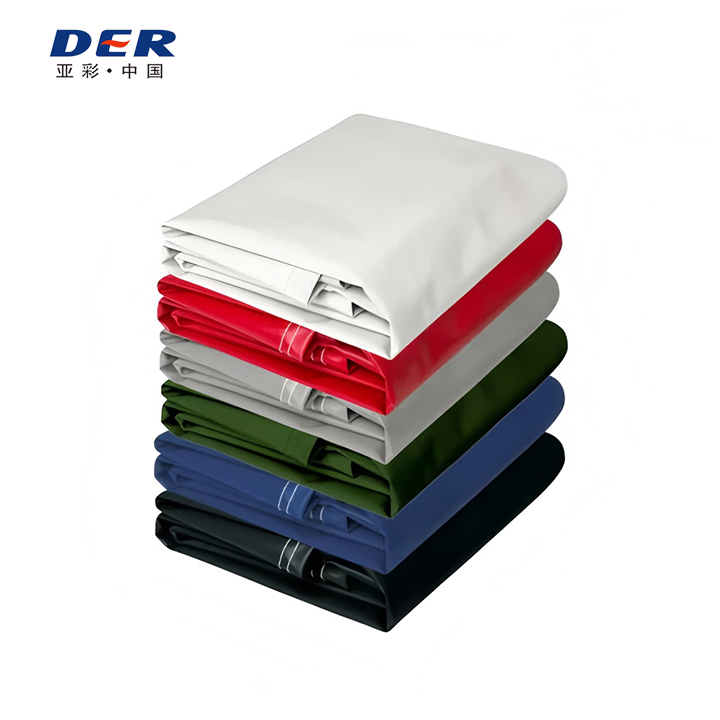
DERFLEX PVC coated tarp material suitable for custom fumigation cover development

Specify the barrier system, not only the tarp weight.

Material structure, gas permeability, welded seams, edge reinforcement, handling weight and the sealing interface all affect a fumigation enclosure.

PVC Coated Fabric Custom Size Welded Seams Reinforced Edges OEM Supply
Quick Answer

What is a fumigation tarp?

A fumigation tarp is a low-permeability flexible cover used to create a sealed enclosure around commodities, cargo, timber, equipment or other treatment zones during professional fumigation. Unlike a normal waterproof tarp, a fumigation cover must be selected around gas retention, seam leakage, handling strength and the sealing method used at the perimeter.

For B2B procurement, the key requirement is not simply “PVC or PE?” It is whether the complete sheet system—material, welded seams, edges, penetrations and installation interface—can meet the permeability and containment criteria defined for the target fumigant and the local fumigation procedure.

Core Requirement

Low Gas Permeability

Waterproof does not automatically mean gas-tight. The purchasing specification should state the target gas or fumigation method and the required permeability or retention criterion.

Fabrication Requirement

Leak-Controlled Seams

Compatible coated fabrics are commonly heat welded or high-frequency welded to reduce seam leakage. Stitched seams create needle holes and should not be assumed suitable for a gas-retention enclosure.

Field Requirement

Practical Handling

Very large fumigation sheets must balance barrier performance with tear resistance, foldability, repairability and crew handling. A heavier tarp is not automatically a better fumigation tarp.

Procurement Specification

Define the Fumigation Tarp as a Containment System

DERFLEX can discuss a dedicated coated-fabric direction around the buyer's application. Final performance values should be confirmed against the fumigant, test method, project requirements and local rules.

Specification Item Recommended Procurement Direction Why It Matters
Product Direction Custom fumigation tarp / gas-barrier fumigation sheet / professional pest-control cover Separates the project from a generic rain tarp or storage tarp.
Material Structure PVC-coated polyester, reinforced PE/PE laminate, or project-specific barrier structure Material family affects gas permeability, strength, weldability, weight and repair method.
Gas Barrier Requirement Buyer to define target fumigant and required permeability / retention criterion Permeability can vary by gas, temperature, material and test method.
Fabric Weight / Thickness Available according to handling, tear strength, reuse and barrier requirements Do not choose GSM alone; sheet mass affects deployment and worker handling.
Seam Construction Heat-welded or HF/RF-welded panel seams where compatible with the selected material Seam leakage can defeat an otherwise suitable gas-barrier fabric.
Perimeter Reinforced skirt / edge configuration matched to the fumigation contractor's sealing system The perimeter interface is a common leakage path and should be specified with the field method.
Reinforcement Localized edge, corner, lifting, fold and abrasion reinforcement by project Repeated handling can damage barrier layers at high-stress zones.
Size & Shape Custom finished dimensions, panel map and overlap based on the treatment enclosure Large sheets need deployment planning, not only length × width.
UV / Outdoor Exposure Outdoor stabilization direction if the tarp is reused or stored in sunlight UV aging can reduce flexibility, coating integrity and service life.
Color / Identification Project-defined color, printed ID, size code, panel code or private label where required Helps fleet control, site identification and repeat-order management.
Testing & Approval Confirm required gas-permeability, seam and material tests before bulk production Gas-tight suitability should be verified rather than inferred from waterproof performance.
Important: DERFLEX does not recommend treating a standard waterproof tarp as a fumigation sheet without project-specific gas-barrier and seam verification.
Selection Matrix

Which Fumigation Tarp Direction Fits the Job?

Use the application first, then balance gas retention, durability, handling and reuse. Final approval belongs to the responsible fumigation professional and project specification.

Application Primary Procurement Risk Material Direction Fabrication Focus
Bagged grain stacks Gas leakage, repeated handling, abrasion on pallets or sacks Light-to-medium reinforced gas-barrier sheet selected for the required fumigant Welded seams, manageable panel size, protected corners and practical perimeter sealing
Bulk grain / bunker treatment Very large area, surface irregularity, wind, edge control Reinforced coated or laminated barrier structure with adequate tear resistance Panel map, perimeter reinforcement, deployment plan and treatment-system interfaces
Timber / logs / export cargo Sharp edges, splinters, irregular geometry, frequent transport handling More abrasion-tolerant reinforced barrier tarp where reuse is expected Wear pads, reinforced edges, repair plan and welded large panels
Containerized goods Confined geometry, doors and interface details Barrier material specified to the professional treatment method Custom shape, controlled seams and interface details reviewed with the fumigation contractor
Equipment / machinery quarantine treatment Protrusions, puncture risk, irregular cover shape Reinforced flexible cover with defined barrier requirement Custom pattern, localized reinforcement and protected contact points
Large structural tenting Large surface area, wind, handling, perimeter containment and regulatory control Dedicated fumigation tent material specified by the licensed operator System-level design; material selection alone is insufficient
Material Comparison

PVC vs Reinforced PE vs Barrier Film for Fumigation Covers

There is no universal “best” fumigation tarp material. The useful question is which construction delivers the required gas barrier while remaining practical for the way the sheet will be handled and reused.

Reusable Heavy-Duty Direction

PVC-Coated Polyester

A reinforced PVC-coated fabric can provide strong tear resistance, weldability, cleanability and repeat-use durability. It is usually heavier than thin film and should be evaluated for the specific fumigant and permeability requirement.

  • Strong textile reinforcement
  • HF/RF or hot-air weldable depending on grade
  • Suitable for custom hems, skirts and reinforcement
  • Good direction for reusable industrial covers
Lighter Sheet Direction

Reinforced PE / PE Laminate

Reinforced polyethylene structures can be lighter and economical, making them useful for large sheets when an appropriate gas-barrier grade is available. Long-term abrasion, seam quality and repairability should be reviewed.

  • Lower handling weight can help deployment
  • Available in reinforced laminated constructions
  • Barrier performance depends on exact grade
  • Edge and seam durability need specification
High-Barrier Direction

Multi-Layer Barrier Film

Specialty multilayer films can provide very low gas permeability at low weight, but thin constructions may require more protection against puncture, abrasion and rough handling.

  • Potential for low permeability and low weight
  • Useful where handling mass is critical
  • Puncture protection can be more important
  • Sealing and joining method must match the film
Engineering & Fabrication Notes

Five Details That Decide Whether a Fumigation Cover Works as Intended

These are the specification gaps frequently missed when a fumigation sheet is purchased as a commodity tarp.

01

Gas Permeability Is Fumigant-Specific

A material that retains one gas adequately may not perform the same with another. Define the target fumigant, test method, temperature and acceptance criterion in the purchasing specification.

02

The Seam Is Part of the Barrier

Large covers are usually assembled from multiple panels. Weld width, overlap, machine settings and coating compatibility affect seam integrity. Trial welding and seam validation are sensible before repeat production.

03

Reinforce High-Contact Zones

Edges, corners, lifting points, folds and contact with pallets, timber or machinery can damage the barrier layer. Local reinforcement can be more effective than increasing the weight of the entire sheet.

04

Large-Format Handling Must Be Planned

Sheet weight affects deployment speed, crew handling, storage volume and fatigue. Panel size, folding direction and identification marks can make a large fumigation tarp easier to manage without compromising the containment design.

05

Perimeter Leakage Can Override Good Fabric

The tarp's perimeter must interface correctly with the fumigation contractor's approved sealing method. Do not treat a strong sheet as a complete fumigation system on its own.

Manufacturing Reference

Use Dedicated Gas-Barrier Materials When Needed

DERFLEX already works with gas-tight coated membrane directions for biogas covers. Fumigation projects should likewise define a dedicated barrier requirement instead of relying only on a general tarp description.

Safety & regulatory note: Fumigants are hazardous and fumigation is regulated in many jurisdictions. This page is a material-procurement guide, not an operating procedure. Selection, deployment, monitoring, aeration and clearance must be handled by properly qualified professionals in accordance with the pesticide label, local regulations and the approved treatment plan.
Applications

Where Fumigation Tarps Are Commonly Specified

The enclosure geometry and handling environment change substantially from one fumigation application to another, so DERFLEX recommends application-based specification rather than one universal tarp grade.

Stored Grain & Bag Stacks

Gas-proof fumigation sheets can be used around bagged or bulk agricultural commodities where a low-permeability enclosure is required. Buyers should distinguish this from ordinary grain storage weather covers.

Timber, Logs & Wood Products

Irregular shapes, rough surfaces and handling damage make puncture resistance and localized reinforcement especially important for reusable timber fumigation tarps.

Containers & Export Cargo

Quarantine or pest-control treatment may involve containerized cargo, machinery or packaged goods. The cover and sealing details should be coordinated with the professional treatment method.

Warehouses & Stockpiles

Large stack enclosures need practical deployment, panel identification and abrasion planning. A heavy-duty tarp construction may contribute handling strength, but gas containment still requires a dedicated barrier specification.

Machinery & Irregular Equipment

Custom patterning can reduce excessive folds around protrusions. For special shapes, use a complete custom tarp specification covering dimensions, seam placement and reinforcement zones.

Structural Pest-Control Tenting

Large building enclosures are specialist fumigation systems. Material, panel layout and all containment details should be defined by the licensed fumigation operator and applicable regulations.

Common Procurement Mistakes

Avoid These Six Fumigation Tarp Buying Errors

Buying a waterproof tarp and assuming it is gas-tight. Water resistance and fumigant permeability are different performance questions.
Specifying GSM without gas or seam criteria. Heavier material can still leak if the barrier layer or seams are wrong.
Ignoring handling weight. A very heavy large-format sheet can be slow and difficult to deploy safely.
Using ordinary sewn seams in a gas-retention zone. Needle holes can create leakage paths.
Leaving perimeter details until after production. The edge configuration should match the fumigation contractor's approved sealing system.
Reusing damaged sheets without defined inspection criteria. Abrasion, punctures and seam damage can compromise containment.
For buyers comparing tarp materials more broadly, see DERFLEX's guide to waterproof vs water-resistant tarps. It helps separate weather protection from the stricter barrier requirements of fumigation covers.
Custom Manufacturing Workflow

From Treatment Requirement to Repeatable Fumigation Tarp Program

1

Define Application

Commodity, structure, dimensions, indoor/outdoor use, handling frequency and target fumigant.

2

Set Barrier Criteria

Required permeability or gas-retention criterion, test method, temperature and seam expectations.

3

Engineer Fabrication

Panel layout, welded seams, edge structure, reinforcement zones, size coding and packing.

4

Approve & Repeat

Confirm sample or first article, then retain the approved construction for repeat B2B orders.

Image Pack

DERFLEX Product & Agricultural Cover Images

Existing DERFLEX web assets are used below. They support material, reinforcement and large-cover context without relying on unrelated stock photography.

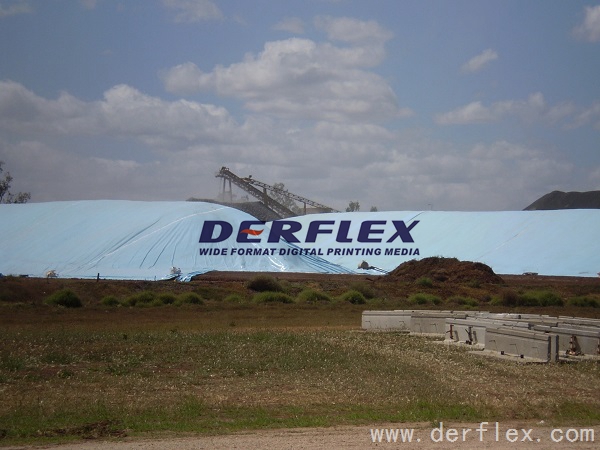
DERFLEX large agricultural tarp cover showing large-format coated fabric application
Large-Format Agricultural Cover ReferenceUseful visual context for grain, stockpile and large enclosure programs where panel handling and perimeter control matter.
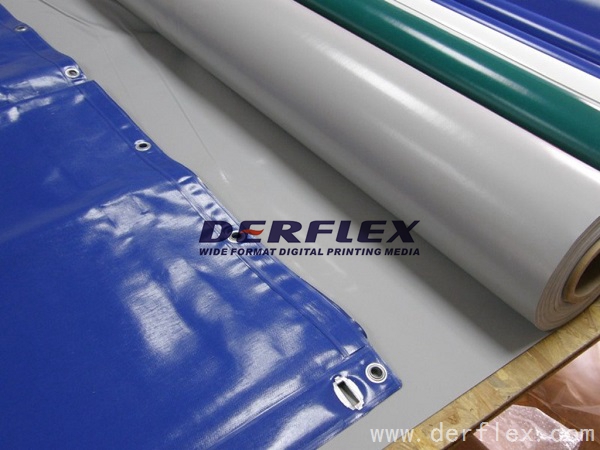
DERFLEX PVC coated fabric rolls and reinforced tarp edge with grommet detail
Coated Fabric & Reinforced EdgeShows PVC coated roll material and finished tarp edge construction relevant to custom fabrication.
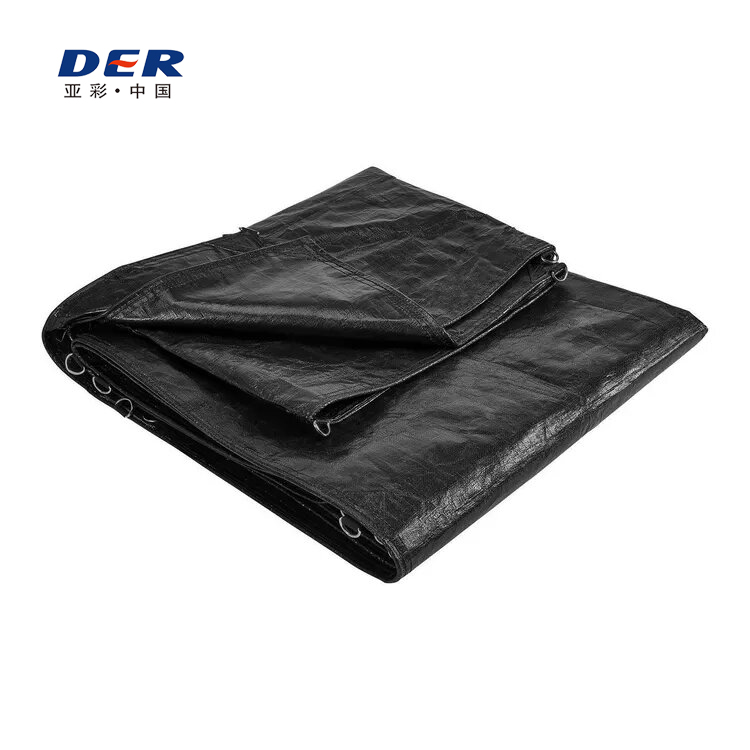
DERFLEX PVC coated tarp fabric roll and reinforced finished tarp detail
Material & Finished Tarp DetailRoll-goods and fabricated-tarp reference for OEM buyers specifying color, surface and reinforcement.
Buyer Checklist

What to Send DERFLEX for a Fumigation Tarp Quotation

A detailed RFQ reduces unnecessary sampling and helps the material team determine whether a dedicated barrier construction is required.

Application: grain stack, timber, cargo, container, machinery, warehouse or other enclosure.
Target fumigant or treatment method and the professional / regulatory specification being followed.
Required gas-permeability or retention criterion, including test method if specified.
Finished dimensions, enclosure geometry, panel drawing or photos with measurements.
Indoor/outdoor use, UV exposure, reuse frequency and expected handling conditions.
Preferred material direction: PVC coated polyester, PE laminate or other barrier structure.
Seam expectations, perimeter edge concept, reinforcement zones and any project-defined interfaces.
Quantity, color, identification marks, OEM labels, packaging and destination.

Need a Custom Gas-Barrier Fumigation Cover?

Send the application, dimensions, required fumigant barrier criterion, seam requirement, quantity and destination. DERFLEX can review the material and fabrication direction for your B2B program.

  • Custom PVC coated fabric and finished-cover discussion
  • Large-format welded panel planning
  • Reinforced edges and high-wear zones
  • OEM color, markings, labels and packaging
Related Questions

Fumigation Tarp FAQ

Are ordinary waterproof tarps suitable for fumigation?

Not automatically. Waterproofing describes resistance to liquid water, while fumigation requires low permeability to the target fumigant plus leak-controlled seams and a suitable perimeter sealing system. A general waterproof tarp should not be treated as a gas-proof fumigation sheet without project-specific verification.

What material is used for fumigation tarps?

Common material families include PVC-coated reinforced fabric, reinforced polyethylene laminates and specialty multilayer barrier films. The correct choice depends on gas-permeability requirements, handling weight, tear resistance, UV exposure, reuse frequency and the joining method.

Why are welded seams important on a fumigation tarpaulin?

Large fumigation covers are often fabricated from multiple panels. Compatible heat-welded or HF/RF-welded seams can reduce leakage paths compared with ordinary stitching, which creates needle holes. The seam process s, till needs to be validated for the selected material.

Can DERFLEX make custom-size fumigation tarps?

DERFLEX can discuss custom finished dimensions, panel layout, coated-fabric structure, welded seams, reinforcement, color, identification and OEM packaging. Final gas-barrier requirements should be defined by the buyer's professional fumigation specification.

Are fumigation tarps reusable?

Many reinforced covers are designed for repeat handling, but reuse should depend on the approved inspection and maintenance procedure. Punctures, abrasion, damaged seams, degraded coating or compromised edges can reduce containment performance.

What is the difference between a fumigation tarp and a grain storage tarp?

A grain storage tarp primarily protects grain from rain, sunlight and contamination. A fumigation tarp must additionally meet a defined gas-retention requirement. A grain cover can be fumigation-ready only when the material, seams, penetrations and sealing details have been specified and verified for that use.

What should a buyer ask a fumigation tarp supplier to confirm?

Ask for the material structure, target gas-permeability criterion, test method, seam construction, finished size, reinforcement zones, outdoor exposure requirements, repair approach, packaging and any documentation required by the fumigation contractor or destination market.

Can a fumigation tarp be used for structural termite fumigation?

Structural fumigation uses specialized tenting systems and is highly regulated. Material selection and the complete enclosure design should be specified by the licensed fumigation operator and applicable regulations; a tarp material page alone is not a substitute for the approved fumigation system.

Technical reference note: International post-harvest guidance from FAO and ACIAR emphasizes that fumigation sheets need high gas tightness, tear resistance, manageable weight, UV/temperature resistance and properly sealed seams. Current project acceptance criteria should always follow the applicable pesticide label, local regulations and the responsible fumigation professional.
Consulting Services
+86-021-54361792 / 54361798
Email
sales@derflex.com