Hex Hammock Tarp
A practical all-round layout with reduced corner material, clean rain runoff and useful side coverage.
- Three-season product lines
- Balanced coverage and packed size
- Simple retail explanation



 Outdoor shelter manufacturing program
Develop a hammock tarp around real shelter geometry, rain direction, wind load, packed size and repeat-order consistency—not around a generic sheet with four corners.
DERFLEX supports hammock tarp supplier, wholesale and private-label programs with material selection, custom dimensions, reinforced tie-outs, seam planning, accessories, branding and export-ready packing. Heavy duty hammock tarp and waterproof hammock tarp directions are developed according to the intended market and approved sample.
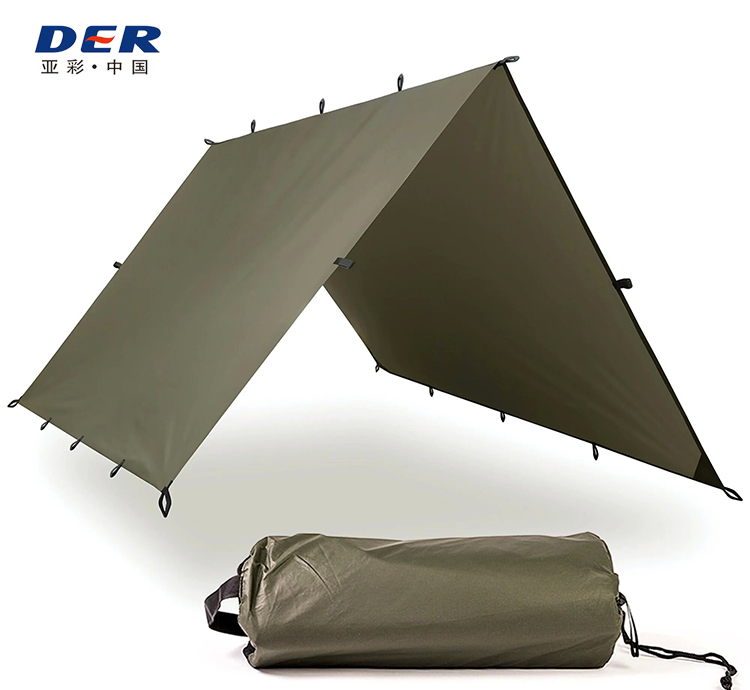
A hammock tarp is suspended over a sleeping system rather than laid over cargo or stretched as a simple flat canopy. Its ridgeline must extend beyond the occupied hammock body, while the side panels must reach low enough to manage wind-driven rain without interfering with suspension lines.
Shape changes performance. A compact asymmetrical tarp reduces material and packed volume. A hex tarp balances coverage and handling. A rectangular or wide tarp creates more living space. A winter-style model with doors closes the exposed ends for colder, windier conditions.
For a hammock tarp manufacturer, the key engineering work is the relationship between ridgeline length, panel width, catenary or straight-cut edges, tie-out position, seam orientation and reinforcement—not the product name alone.
Each geometry should have a clear purpose. One oversized model rarely serves ultralight, family camping, winter and overlanding customers equally well.
A practical all-round layout with reduced corner material, clean rain runoff and useful side coverage.
End panels can be closed or tied back, adding protection from wind-driven rain, cold drafts and light snow.
Creates a larger protected zone and more pitching configurations for cooking, gear storage or ground-shelter use.
Uses less fabric around a diagonal sleeping position and suits carry-conscious programs in fair to moderate weather.
Water protection, weight, tear behaviour, stretch, UV exposure, packability and fabrication method must be considered together.
For backpacking and compact retail programs, buyers usually prioritize low packed volume and manageable weight. Project-specific lightweight coated textile structures can be reviewed against the target weather level, sewing process and durability expectation.
PVC-coated polyester is generally heavier than ultralight hammock fabrics, so it should not be presented as the default choice for long-distance backpacking. Its value is in rugged programs where reinforced edges, cleanable surfaces, weldability and repeated handling matter more than minimum pack weight.
A waterproof fabric alone does not ensure a dry hammock. Edges, seams, pitch angle, drainage and attachment reinforcement all affect field performance.
Coated material, seam treatment, ridgeline layout and adequate overlap are developed together to reduce water entry under the agreed test and use conditions.
Corner, side-panel and door tie-outs are positioned around likely load paths, with reinforcement selected for the expected tension and hardware.
Material behaviour when wet and under tension influences sag, pitch maintenance and the need for tensioners or shock-cord interfaces.
UV-resistant, mildew-resistant, abrasion-oriented and cold-flexible directions can be discussed when relevant to the target market and order.
Fabric thickness, fitting choice, fold pattern and carry-bag dimensions are coordinated so the finished retail pack remains practical.
Approved samples, measurement drawings, reinforcement maps, labels and packing details create a clearer basis for repeat wholesale orders.
Use the table as an inquiry checklist. Final values depend on approved construction, test method, sample and purchase agreement.
| Item | Common Development Options | Buyer Notes |
|---|---|---|
| Product Form | Finished hammock tarp, rain fly, cut panel, shelter component, complete accessory kit or coated fabric roll | Confirm whether DERFLEX supplies the finished retail product or material for local conversion. |
| Shape | Hex, rectangle, square, asymmetrical, diamond, wide-body, winged or integrated-door construction | Shape should match the intended weather coverage and market position. |
| Ridgeline | Custom metric or imperial length; common product discussions often start around 11–13 ft depending on hammock type | Confirm actual occupied hammock length, suspension geometry and desired end overlap. |
| Width & Coverage | Custom panel width, side drop and door overlap | Wider is not always better; pitch height and suspension clearance affect usable side coverage. |
| Material Direction | Project-specific lightweight coated textile, laminated coated structure, PVC-coated polyester or other approved construction | Match material to packed weight, tear behaviour, durability, fabrication and target price. |
| Water Protection | Waterproof coated structure, seam tape, seam seal, welded panel or project-specific waterproofing plan | State the required test method and target rather than relying on an undefined “waterproof” claim. |
| Attachment Points | Ridgeline points, corner loops, perimeter loops, panel pull-outs, door loops, D-rings, grommets or custom hardware | Every point should have an intended pitch function and reinforcement design. |
| Edge & Seam | Stitched hem, webbing edge, welded edge, reinforced patch, catenary cut or straight-cut panel | Construction method must be compatible with the selected material. |
| Color & Finish | Olive, khaki, beige, grey, black, blue, camouflage direction or custom approved color | Color can support outdoor positioning, interior brightness and private-label differentiation. |
| Accessories | Guy lines, tensioners, stakes, clips, repair patch, carry bag, ridgeline hardware and instruction card | Accessory sourcing should be confirmed with the product sample and target pack cost. |
| Branding | Logo print, woven label, care label, size label, barcode, custom bag and carton mark | Artwork, position and color should be approved before production. |
| Supply Mode | OEM, private label, hammock tarp wholesale, bulk carton, distributor pack, cut panels or roll supply | MOQ and lead time depend on material, color, construction, accessories and packing. |
Illustrative sourcing ranges only. Send the use environment, target dimensions, quantity and market position for a project-specific recommendation.
DERFLEX combines outdoor product development with coated-material manufacturing knowledge for repeat B2B programs.
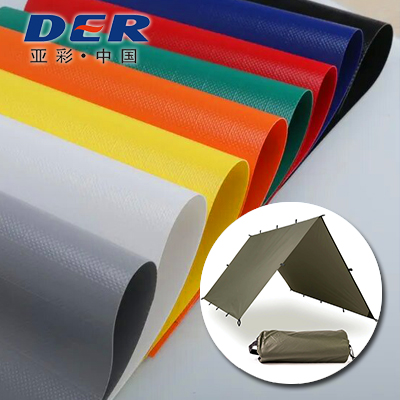
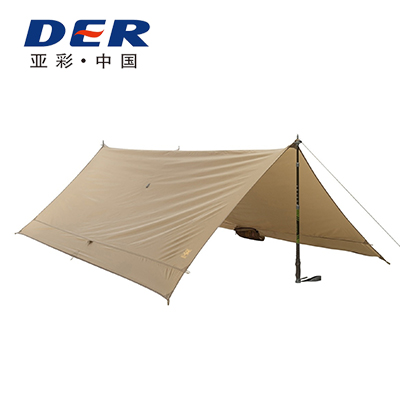
A disciplined development path reduces ambiguity and gives both parties a clearer reference for future orders.
Define hammock type, climate, season, target customer, packed-size expectation, selling position and order quantity.
Review shape, ridgeline, width, material direction, seams, tie-outs, door layout and accessory concept.
Prepare a sample or material swatch for dimensional, construction, color and handling review.
Confirm drawing, BOM direction, reinforcement map, label artwork, bag, instructions and carton details.
Use the approved specification and inspection points as the basis for bulk production and reorder communication.
The same shelter concept can be configured differently for retail, rental, expedition, emergency and vehicle-supported programs.
Private-label collections with coordinated shapes, colorways, carry bags, labels, instructions and accessory packs.
Catalog-ready hammock tarp wholesale ranges organized by coverage level, season, size and target customer.
Rain-fly products designed around gathered-end or bridge hammock dimensions and suspension clearances.
Rugged tarp shelters for vehicle-supported camps where repeated handling and reinforced fixing points matter.
Serviceable shelters with clear setup instructions, replaceable accessories and practical cleaning requirements.
Custom shelter components, bulk packs or material supply developed around documented project requirements.
The right supply model depends on whether the buyer needs one unit or a repeatable commercial product line.
| Procurement Point | Typical Stock Retail Product | DERFLEX Custom Manufacturing Program |
|---|---|---|
| Geometry | Fixed size and shape selected from available inventory | Custom ridgeline, width, doors, pull-outs and reinforcement layout |
| Material | One listed fabric with limited structure choice | Material direction reviewed against use, fabrication, target price and sample |
| Branding | Existing brand, label and bag | Private-label print, woven labels, care labels, bag and carton marks |
| Accessories | Standard included kit | Guy lines, stakes, clips, tensioners and instructions configured by program |
| Repeat Orders | Dependent on retail inventory and model continuity | Approved sample and specification provide a clearer reorder reference |
| Supply Scope | Finished single unit or carton | Finished product, retail pack, cut panel, shelter component or roll material |
Product claims and compliance documents should be tied to the confirmed material, construction, test method and order—not applied universally.
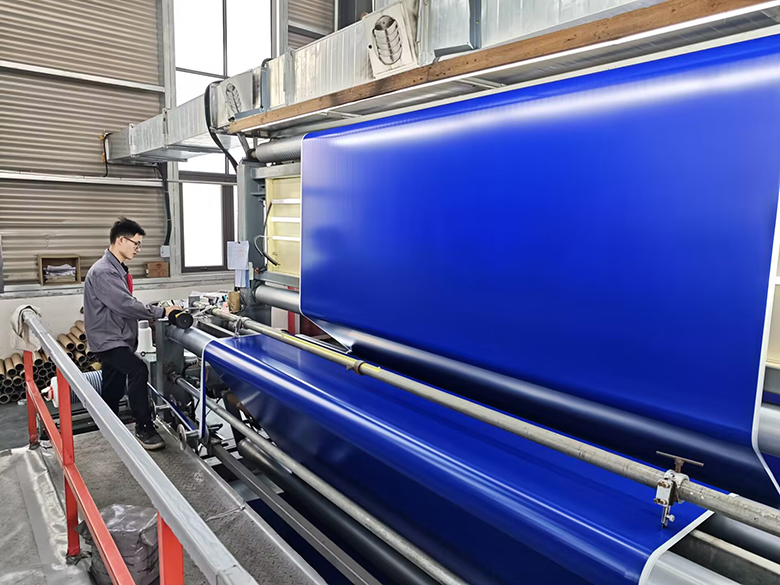
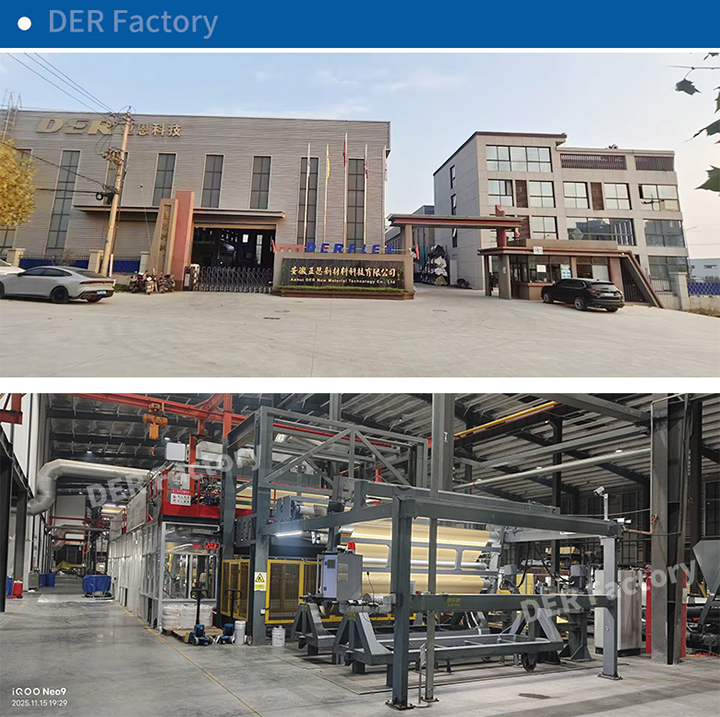
DERFLEX operates an integrated production system with calendering, coating and lamination capability. The company profile states a 60,000㎡ production area, 450+ employees, 25+ senior engineers, three calender systems, three coating machines and five lamination machines.
This manufacturing base supports material development, custom roll supply and project coordination for distributors, converters, OEM brands and industrial buyers.
Confirm base textile, coating or laminate structure, color, finish and relevant physical targets.
Check dimensions, seam method, edge finish, reinforcement patches and attachment spacing against the approved sample.
Review appearance, measurement, workmanship, accessory count, labels, folding and packing according to agreed criteria.
Confirm which test reports, declarations or certificates apply to the selected product and destination market before order approval.
A clear inquiry saves more time than a long list of broad performance claims.
Backpacking, three-season camping, winter hammock use, basecamp, overlanding, rental or emergency shelter.
Ridgeline, maximum width, door requirement, hammock type and preferred packed dimensions.
Expected rain, wind, sunlight, humidity, temperature range and frequency of use.
Seam type, tie-outs, pull-outs, loops, grommets, D-rings, edge reinforcement and hardware.
Estimated quantity, target market, target price level, color, logo, bag, instructions and carton quantity.
Required test method, destination compliance, labeling language and any customer-specific inspection criteria.
These related pages help buyers compare outdoor shelter, material, waterproofing and wholesale supply options.
Answers are framed for outdoor brands, distributors, wholesalers and product-development teams.
The tarp should extend beyond the occupied hammock area at both ends and provide enough side coverage for the intended pitch height. Many commercial discussions start around an 11–13 ft ridgeline, but the correct size depends on gathered-end or bridge hammock geometry, doors, suspension angle and weather exposure.
A hex shape is often a practical starting point because it balances coverage, runoff and packed volume. A model with doors provides more end protection, while rectangular and wide tarps create more living space. Asymmetrical models prioritize reduced material and pack size.
DERFLEX can discuss custom shape, dimensions, coated-material direction, seam strategy, reinforced tie-outs, color, logo, carry bag and accessories. Final water performance must be tied to the confirmed fabric, seam construction, test method and approved sample.
Rugged shelter directions can be developed for basecamp, overlanding and repeated handling. PVC-coated polyester may suit these programs because of its weldability, reinforced finishing options and cleanable surface, although it is generally heavier than backpacking-oriented hammock fabrics.
Private-label options can include logo printing, woven and care labels, custom carry bags, instruction cards, barcode labels, carton marks and distributor-ready packing, subject to artwork, sourcing and order approval.
Send the intended use, target shape and dimensions, hammock type, material or performance direction, tie-out layout, color, accessories, branding, packaging, estimated quantity, destination and any required test or document standard.
Share your product concept, hammock dimensions, weather level, preferred material direction, target quantity, brand requirements and packaging plan. DERFLEX will use the information to discuss a practical sampling and quotation path.